Singapore
 Australia
 Indonesia
 Japan
Japan Malaysia
 New Zealand
 Philippines
 South Korea
 Taiwan
 Thailand
 VIETNAM
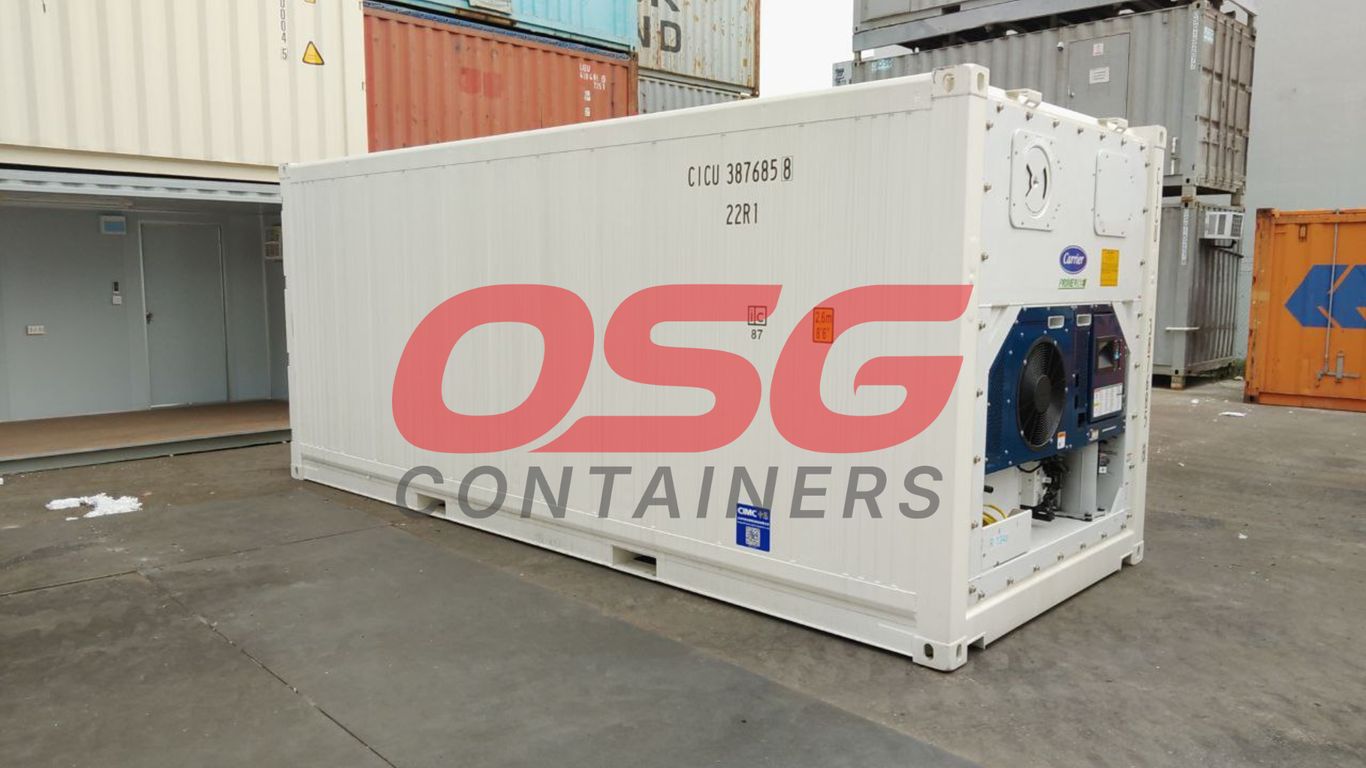
Shipping things that need to stay cold or at a specific temperature can be tricky. You can’t just stick them on any old truck or boat and hope for the best. That’s where the container reefer comes in. These aren’t your average shipping boxes; they’re like high-tech refrigerators on wheels, designed to keep all sorts of temperature-sensitive stuff safe during its journey. Whether it’s your lunch or life-saving medicine, understanding how these container reefers work is pretty important.
Key Takeaways
- A container reefer uses a built-in refrigeration unit and insulated walls to keep cargo at a set temperature.
- Advanced features like humidity control and air purification help preserve delicate cargo.
- Proper loading and consistent temperature checks are vital for maintaining cargo quality.
- Container reefer technology minimizes spoilage and helps meet strict rules for transporting goods.
- Regular inspections and specialized types of container reefers ensure reliability for various needs.
Understanding Container Reefer Technology
What Is A Container Reefer?
A container reefer, short for refrigerated container, is basically a specialized shipping box with its own built-in cooling or heating system. Think of it less like a regular metal box and more like a mobile, temperature-controlled room for your goods. Unlike standard containers, which just provide basic protection, reefers actively manage the internal environment to keep things at a very specific temperature. This is super important for anything that can’t handle the usual ups and downs of shipping temperatures, like fresh food or certain medicines. They’re designed to keep things just right, no matter if it’s scorching hot or freezing cold outside during transit.
The Purpose Of Container Reefers
The main job of a reefer container is to protect cargo that’s sensitive to temperature changes. This protection is key for a lot of different products. For example, fresh fruits and vegetables can spoil really fast if they get too warm, and some medications can lose their effectiveness if they’re not kept cool. Without these specialized containers, a lot of the food we eat and the medicines we need just wouldn’t make it to us in good condition. They are built to strict international rules to make sure products stay good from where they start to where they end up. It’s all about keeping things fresh and safe.
Key Features Of Container Reefer Technology
What makes a reefer container special is the technology packed inside. It’s not just about setting a temperature; it’s about a whole system working together to keep that temperature steady. Here are some of the main things that make them work:
- Integrated Refrigeration Unit: This is the heart of the reefer. It’s the part that actually does the cooling or heating. It’s built right into the container, not just an add-on. These units are tough and can be set to a wide range of temperatures, from freezing cold for ice cream to just cool for lettuce.
- Insulated Walls: All that cooling power wouldn’t do much if the cold air just leaked out. Reefers have thick, high-quality insulation between the inner and outer walls. This acts like a barrier, stopping outside heat from getting in and inside cold from escaping. This is what helps keep the temperature stable without the cooling unit having to run non-stop.
- Precise Temperature Control: Modern reefers are really good at keeping the temperature exactly where you set it. We’re talking about units that can usually stay within a degree or two of the target temperature. This accuracy is vital for things like high-value pharmaceuticals or delicate produce. It means your cargo is much less likely to be damaged by temperature swings.
The combination of active cooling systems and passive insulation is what makes these containers so effective. They create a stable environment that shields your temperature-sensitive goods from the harsh realities of global shipping, ensuring they arrive in the best possible condition.
Advanced Container Reefer Systems
Precise Temperature Control Capabilities
Modern reefer containers are way more than just insulated boxes with a freezer unit attached. They’re packed with some seriously smart tech designed to keep your cargo at the exact right temperature. We’re talking about systems that can maintain a temperature within a super tight range, often just a degree or two off the target. This level of control is vital for everything from expensive medicines to delicate fruits. The refrigeration unit itself is usually mounted at the front and needs a power source, which can come from the ship, truck, or a generator.
Here’s a quick look at what makes this control possible:
- Digital Control Panels: These allow for exact temperature settings and constant monitoring.
- Integrated Refrigeration Units: These units actively cool or heat the interior.
- Backup Systems: Some advanced units have backup power or cooling options.
The goal is to create a stable internal environment, minimizing any fluctuations that could harm the cargo. It’s all about precision.
Humidity Management For Cargo Preservation
Keeping the temperature steady is only part of the story. For lots of goods, especially fresh produce and certain medicines, controlling the moisture in the air is just as important. Too much humidity can lead to mold and spoilage, while too little can cause products to dry out and lose their quality. Modern reefer containers can actively manage this. They can remove excess moisture when it’s too damp or add it back when things get too dry. Sensors constantly track these levels, allowing the system to make adjustments on the fly. This is a big deal for keeping things like vegetables crisp or pharmaceuticals stable.
Airflow Management For Consistent Cooling
Even with perfect temperature and humidity control, you still need the air to move around properly. That’s where airflow management comes in. Inside these reefer containers, special fans and ducting are designed to circulate air evenly throughout the space. This prevents hot or cold spots from forming, making sure every part of your cargo gets the same treatment. Think of it like a well-designed HVAC system for your goods. This consistent circulation is key to preventing spoilage and maintaining the overall quality of the items being shipped, whether it’s fresh fish or specialized pharmaceuticals.
| Feature | Description |
|---|---|
| Internal Fans | Circulate air to maintain uniform temperature. |
| Ducting Systems | Direct airflow to all areas within the container. |
| Variable Speed Fans | Adjust airflow based on cooling needs and cargo density. |
Protecting Cargo Integrity With Container Reefers
Minimizing Spoilage And Food Loss
Keeping food fresh during its journey from farm to table is a massive challenge, and reefer containers are the frontline defense against waste. Without them, the amount of food that spoils would be pretty staggering. These containers create a controlled environment, holding temperatures steady and preventing those temperature swings that really speed up spoilage. This means less food ends up in the trash and more good food makes it to our plates. It’s a pretty big deal when you consider the scale of global food distribution.
- Consistent temperature maintenance keeps produce fresh longer.
- Reduced risk of bacterial growth is vital for meats and dairy.
- Extended shelf life allows for wider distribution of perishable goods.
Ensuring Product Efficacy During Transit
When you’re shipping things like medicines or vaccines, keeping them at the right temperature isn’t just about quality; it’s about making sure they actually work. If a vaccine gets too warm, it can become useless, and that’s a serious problem. Reefer containers are built to maintain these precise temperatures, often with very tight limits, from the moment the product leaves the factory until it reaches its destination. This consistent control is what keeps these vital goods effective and safe for use. The integrity of the cold chain is directly tied to the reliability of the reefer container. You can find some pretty sturdy shipping container solutions that are well-suited for this kind of sensitive transport.
Maintaining the correct temperature isn’t a suggestion; it’s often a legal requirement. Failing to do so can lead to serious consequences, from financial losses to public health risks. The technology in these containers is designed to prevent those failures.
Maintaining Cargo Quality Through Proper Loading
So, you’ve got your reefer container all set up, but just having the box isn’t the whole story. How you actually handle it, from the moment you start loading to when it arrives, makes a huge difference. It’s not just about setting the temperature and walking away; there are a few key things to pay attention to if you want your stuff to get there in good shape. Airflow is key here. You need to let the cold air move around the cargo. If you pack boxes too tightly or block the vents, you’ll get warm spots, and that’s bad news for your cargo’s quality and how long it will last. Proper loading also means the cargo itself isn’t getting bashed around during transit, which can also affect its ability to handle the cold.
- Airflow is key: Make sure there’s space for air to circulate around all the goods.
- Proper stacking: Don’t stack items so high that they block the vents or crush lower items.
- Secure the load: Prevent shifting during transit, which can damage products and disrupt airflow.
The Role Of Container Reefers In Cold Chain Logistics
When you’re shipping anything that needs to stay at a specific temperature, from your morning milk to life-saving medicines, it all relies on something called the cold chain. Think of it as a continuous, unbroken line of refrigerated transport. Container reefers are the backbone of this system, making sure that temperature-sensitive goods don’t spoil or lose their effectiveness on their long journey.
Meeting Stringent Regulatory Requirements
Lots of industries, especially food and pharmaceuticals, have really strict rules about how their products are handled. These aren’t just suggestions; they’re often legal mandates. For example, certain vaccines or medications need to be kept within a very narrow temperature range, and regulators want proof. Reefer containers, with their advanced monitoring, can provide detailed logs of the temperature throughout the entire trip. This documentation is super important for compliance and can save a company from big headaches, like product recalls or shipments being rejected at the border. It’s all about showing that the cargo was kept safe and sound.
Extending Reach To Distant Markets
Before reefers became so reliable, shipping perishable goods over long distances was a huge gamble. You might have fresh berries from California reaching the East Coast, but only if the journey was quick and the temperature stayed just right. Now, with modern reefer technology, that’s changed. These containers allow businesses to send their products to markets that were previously out of reach due to transit time. This opens up a whole new world of opportunities, letting companies expand their customer base and offer a wider variety of goods to people all over the globe. It’s pretty amazing how container technology has changed global trade.
Enhancing Product Safety And Quality
Ultimately, the goal is to get products to consumers in the same condition they left the factory. For food, this means preventing spoilage and maintaining freshness. For medicines, it means making sure they still work as intended. Reefers achieve this by:
- Maintaining consistent temperatures, preventing fluctuations that speed up decay or reduce efficacy.
- Controlling humidity levels, which is vital for certain produce and pharmaceuticals.
- Providing reliable cooling even during long transit times or unexpected delays.
The integrity of the cold chain is directly tied to the reliability of the reefer container. Without this consistent control, the effectiveness of vital goods can be compromised, leading to significant public health risks or financial losses.
This consistent temperature control is what keeps everything from fresh lettuce to delicate vaccines safe and effective. It’s a pretty big deal when you consider the scale of global food distribution and the importance of reliable medicines.
Specialized Container Reefer Applications
Cold Treatment For Pest Control
Sometimes, keeping things cold isn’t just about preventing spoilage; it’s about pest control. For certain fruits and vegetables, especially when they’re being shipped to places like the United States, a process called ‘cold treatment’ is used. It’s a way to get rid of tiny bugs and pests without using any chemicals. The idea is to bring the internal temperature of the produce down to a specific level and hold it there for a set amount of time. Think of it as a long, cold nap for the fruit that makes it safe for import. These reefer containers can be programmed to do this, and sometimes they even slowly warm the cargo back up afterward to avoid shocking it. Often, extra temperature probes are placed right inside the fruit itself to make sure the treatment is working perfectly. This method is vital for meeting import regulations and protecting agricultural industries.
Superfreezer Containers For Ultra-Cold Cargo
When you’re dealing with items that need to be kept seriously cold, like some high-end fish or special medicines, standard reefers just won’t do the job. That’s where superfreezer containers come in. These specialized reefer containers can drop the temperature way down, sometimes as low as -70°C. They’re built to keep these ultra-sensitive items frozen solid throughout the entire trip. It’s a big deal for maintaining the quality and effectiveness of these very specific types of cargo. These units are essential for transporting things like certain vaccines or rare biological samples that would degrade quickly at less extreme temperatures. The technology behind these containers is quite advanced, focusing on rapid cooling and maintaining that extreme cold consistently. This is a critical part of the cold chain logistics for many high-value products.
Ensuring Container Reefer Reliability
So, you’ve got this amazing reefer container, but how do you make sure it actually does its job and doesn’t turn your valuable cargo into a spoiled mess? It really comes down to a few key things, and honestly, it’s not rocket science, but you can’t just ignore it. Think of it like owning a car; you wouldn’t just drive it until it breaks down, right? Same idea here.
The Importance Of Insulated Walls
First off, those walls aren’t just there to keep stuff in. They’re built with special materials to keep the outside temperature from messing with the inside. Good insulation means the cooling unit doesn’t have to work overtime just to fight off the heat. This saves energy and, more importantly, keeps the temperature steady. If the insulation is damaged, even a little bit, warm air can sneak in, and cold air can escape. It’s like having a leaky roof – eventually, everything inside gets damp.
Keeping the internal environment stable is the whole point. The insulation is the first line of defense, helping the refrigeration system maintain the precise temperature needed for your specific goods. Without it, the system would constantly be battling external conditions, leading to fluctuations and potential spoilage.
Regular Maintenance And Inspections
This is where you catch problems before they become big, expensive headaches. A reefer container is a complex piece of machinery, and like any machine, it needs regular check-ups. We’re talking about scheduled maintenance, not just waiting for something to go wrong. This includes:
- System Tests: Running the refrigeration unit to make sure it can hit and hold the required temperature. This is done regularly, not just before a trip.
- Seal Checks: Looking over the door gaskets and the container’s body for any tears, cracks, or damage that could let air in or out.
- Component Inspections: Checking things like fans, filters, and electrical connections to make sure they’re in good working order.
- Pre-Trip Inspections (PTI): A detailed check performed before each shipment to confirm everything is functioning correctly. This is a standard procedure to catch any issues that might have popped up since the last check.
These inspections are vital. They help identify potential issues early, preventing costly cargo loss and delivery delays. It’s a proactive approach to keeping your goods safe. If you’re looking for reliable transport solutions, checking out container rental options can give you access to well-maintained equipment.
Benefits Of A Modern Reefer Fleet
Having a newer fleet of reefer containers makes a big difference. Older units might seem fine, but they often lack the advanced technology and efficiency of newer models. Modern reefers typically have:
- Improved Insulation: Better materials mean more stable temperatures and less energy use.
- More Precise Controls: Newer units can maintain temperatures within a much tighter range, which is critical for sensitive cargo.
- Enhanced Monitoring: Advanced systems can track temperature and other conditions in real-time, providing alerts if something goes wrong.
- Greater Fuel Efficiency: Newer refrigeration units are often more energy-efficient, which can be a cost saving.
Upgrading to a modern fleet means you’re getting more reliable performance and a lower risk of temperature-related issues. It’s an investment in the integrity of your cargo. For sites needing temporary facilities, like portable shower containers, reliability is also key, and modern units offer just that.
Wrapping It Up
So, when you really think about it, these reefer containers are pretty amazing. They’re not just metal boxes; they’re like high-tech guardians for all sorts of stuff that can’t handle being too warm or too cold. From the juicy strawberries you picked up at the store to the medicine that keeps you healthy, reefers are working behind the scenes. They use smart cooling, good insulation, and sometimes even humidity control to make sure everything arrives just right. It’s a complex system, sure, but it boils down to keeping things fresh, safe, and effective. Without them, a lot of what we rely on wouldn’t make it to us. Pretty neat, huh?
Frequently Asked Questions
What exactly is a reefer container?
A reefer container is like a super-smart, mobile refrigerator for shipping. It has its own cooling system built right in, so it can keep things at a very specific temperature, whether that’s super cold for frozen goods or just cool for fresh produce. It’s way more than just an insulated box; it actively controls the environment inside.
Why are reefer containers so important for shipping food?
Reefers are crucial because they stop food from spoiling during long trips. Imagine shipping berries or milk – if the temperature goes up even a little, they can go bad quickly. Reefers keep things steady, meaning less food gets wasted and more good food reaches our tables safely.
Can reefer containers also heat things up?
Yes, they can! While we mostly think of them for cooling, many reefer units can also provide heat. This is useful for certain sensitive items that might be damaged by cold, or for special processes like ‘cold treatment’ where the temperature needs to be carefully controlled within a specific range for a period of time.
What makes a reefer container different from a regular shipping container?
The biggest difference is the built-in refrigeration unit. Regular containers are just boxes, but reefers have a powerful cooling (or heating) system and advanced insulation to maintain a steady temperature. They also often have sensors to monitor conditions and can manage humidity, not just temperature.
How do reefer containers help medicines stay effective?
Many medicines and vaccines need to be kept at exact temperatures to work properly. If they get too warm or too cold, they can become useless. Reefer containers provide the precise temperature control needed to keep these vital medical supplies safe and effective from the factory all the way to the doctor’s office or pharmacy.
What happens if a reefer container breaks down during a trip?
That’s why regular checks and good maintenance are so important! Reputable shipping companies invest in modern reefer fleets and perform thorough inspections before every trip. They also have backup systems and teams ready to respond quickly if any issues arise to minimize any risk to the cargo.