Singapore
 Australia
 Indonesia
 Japan
Japan Malaysia
 New Zealand
 Philippines
 South Korea
 Taiwan
 Thailand
 VIETNAM
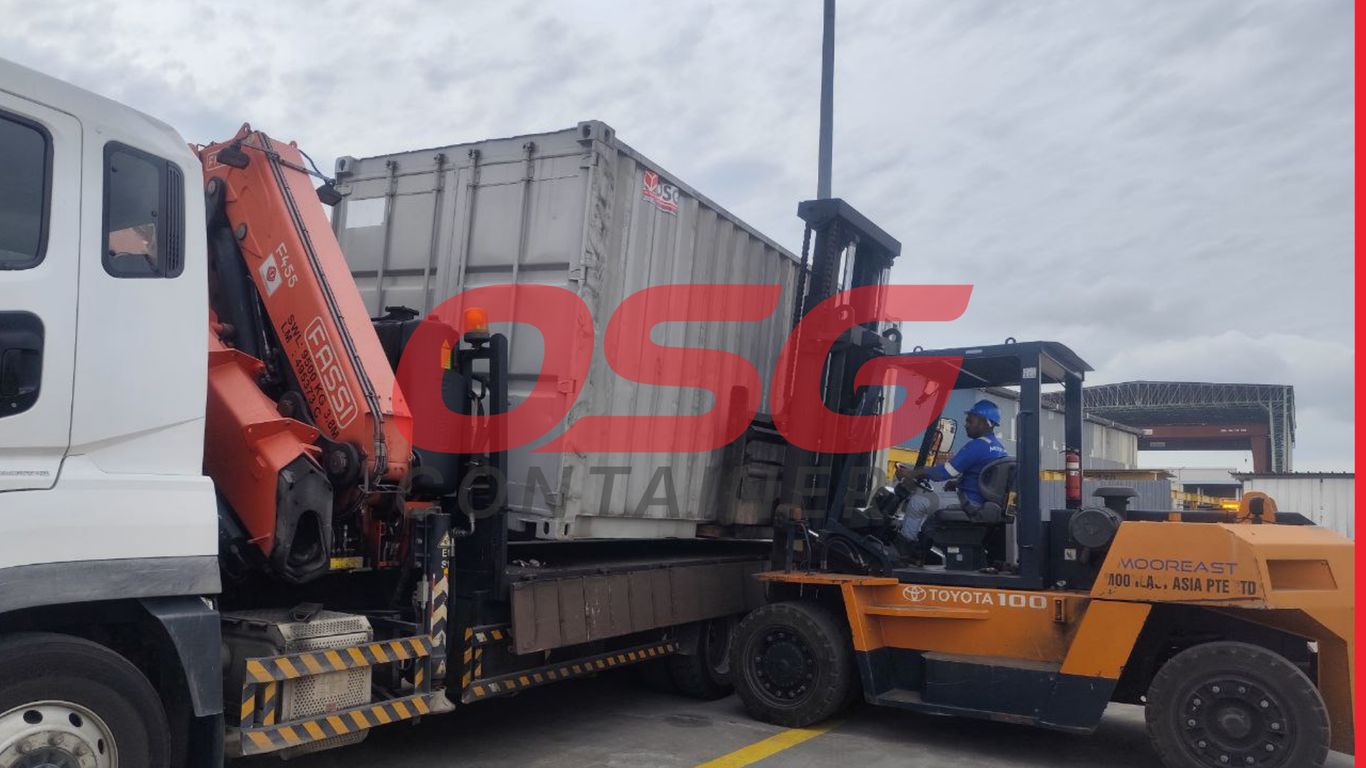
So, you’re looking at shipping stuff around, right? Makes sense. In today’s world, getting goods from point A to point B efficiently is a big deal for pretty much any business. And when it comes to moving a lot of things, especially internationally, you’ve probably heard about those big metal boxes. One size that pops up a lot is the 40 feet container. It’s not just a box; it’s a workhorse for getting things done in the logistics game. Let’s break down why so many industries lean on this particular size for their shipping needs.
Key Takeaways
- The 40 feet container offers more storage space, letting you stack more and use the volume better, which cuts down on shipping costs by grouping items together.
- These containers are built tough, able to handle bad weather and rough handling, meaning fewer repairs and a steady flow of goods without interruption.
- You can tweak them for specific jobs, whether you’re moving big machines or small, boxed items, making sure everything gets there safe and sound.
- Using a 40 feet container helps lower overall shipping and storage costs, making your whole supply chain run smoother and boosting your profits.
- Special versions, like refrigerated ones, are vital for keeping things like food, medicine, and flowers fresh during their journey.
Maximizing Storage Efficiency with the 40 Feet Container
When you’re trying to fit a lot of stuff into a limited space, the 40 feet container really shines. It’s not just about having a big box; it’s about how you use that space. Think about it: compared to a smaller 20 ft container, you get a lot more room to work with. This means you can pack more in, which is a big deal for businesses.
Increased Vertical Space for Optimal Stacking
One of the best things about the 40 feet container, especially the high cube versions, is the extra height. This isn’t just a little bit more room; it’s enough to make a real difference. You can stack items higher, which means you’re using the vertical space in your warehouse or yard much better. This is super helpful if you’re dealing with lots of smaller items or even larger ones that can be stacked safely. It cuts down on the need for more storage areas, saving you money and hassle.
Enhanced Logistics Operations Through Volume Utilization
Getting the most out of the space inside a container is key to efficient logistics. A 40 footer gives you a lot more cubic feet to work with than a 20 footer container. This allows for better organization of goods, whether they’re palletized or loose. You can arrange things more strategically, reducing the chance of damage during transit and making unloading quicker. Smart packing means less wasted space and more product moved per trip.
Cost Savings via Shipment Consolidation
Because a 40 feet container holds so much more, you can combine shipments that might otherwise need multiple smaller containers. This consolidation is a huge money-saver. Fewer trips mean less fuel, less driver time, and lower overall shipping fees. It’s a simple concept: more volume in one go equals lower per-unit costs. If you’re looking at container renting, opting for a 40 ft can often be more economical in the long run than using several 20 ft units. It’s a smart move for any business trying to keep its supply chain costs down.
The ability to pack more into a single unit directly impacts your bottom line. It’s not just about the physical space; it’s about the financial benefits that come from using that space wisely.
Here’s a quick look at how volume differs:
| Container Type | Usable Volume (approx.) |
|---|---|
| 20 ft Standard | 1,170 cubic feet |
| 40 ft Standard | 2,385 cubic feet |
| 40 ft High Cube | 2,694 cubic feet |
This difference in volume is why the 40 feet container is such a popular choice for moving large quantities of goods. It’s a practical solution for businesses that need to move a lot of product efficiently. You can find these versatile containers available for flexible workspace and storage needs in many locations.
Durability and Reliability in Logistics Operations
Withstanding Harsh Weather Conditions for Consistent Shipping
These containers are built tough, plain and simple. They’re made from strong materials designed to handle whatever the weather throws at them, whether it’s a salty sea breeze or a dusty desert wind. This means your goods stay protected, no matter the journey. This robust construction is key to keeping shipments moving without unexpected delays. It’s not just about looking good; it’s about performing reliably when it counts.
Reducing Repairs and Replacements for Lower Operational Costs
Because they’re so well-built, you won’t find yourself constantly fixing them. This durability means fewer trips to the repair shop, which saves you money and keeps your operations running smoothly. Think about it: less downtime for repairs means more time for actual shipping. It’s a straightforward way to cut down on those pesky operational expenses. We’ve seen firsthand how investing in quality containers pays off in the long run.
Ensuring Uninterrupted Supply Chains Through Robust Construction
When your containers are reliable, your whole supply chain benefits. You can count on them to get from point A to point B without falling apart. This consistency is what businesses need to keep their customers happy and their operations on track. It’s about having a solid foundation for all your shipping needs, giving you peace of mind that your goods are safe and sound.
The strength of these containers means they can handle the stress of being stacked high, moved by cranes, and transported across vast distances, all while keeping the contents secure and undamaged. This resilience is not just a feature; it’s a necessity for modern global trade.
Here’s a quick look at what makes them so dependable:
- Material Strength: Typically made from Corten steel, which is known for its resistance to corrosion and its ability to withstand extreme temperatures.
- Structural Integrity: Designed with reinforced corners and walls to handle significant weight and pressure during transit and storage.
- Weatherproofing: Features like secure door seals and durable paint finishes protect against moisture, UV rays, and other environmental factors.
For businesses looking for dependable shipping solutions, exploring options from reputable suppliers is a smart move. You can find a variety of containers, including specialized ones like the 40ft Open Top container, designed for specific loading needs.
Customization Options for Diverse Industry Needs
Tailoring Logistics Solutions to Specific Operational Requirements
Look, not every shipment fits neatly into a standard box, right? That’s where the magic of customizing a 40-foot container really shines. It’s not just about moving stuff; it’s about moving it the right way for your specific business. Think about it – you can tweak these containers to fit exactly what you need. Maybe you need extra ventilation for certain goods, or perhaps reinforced flooring for heavy equipment. The ability to modify these containers means you’re not stuck with a one-size-fits-all solution that might not quite work. It’s about making the container work for you, not the other way around.
Accommodating Wide-Ranging Cargo from Bulky Items to Palletized Goods
These containers are pretty darn versatile. You can load up palletized goods, sure, but they’re also great for those awkward, bulky items that don’t stack nicely. For instance, if you’re in construction, you might need to ship large machinery. A standard container might not cut it, but a modified 40-footer can be adapted. We’ve seen them used for everything from construction materials to specialized equipment. It really depends on how you set it up. Some companies even use them as temporary workshops on remote sites, which is pretty clever. If you’re looking for flexible space solutions, OSG Containers has a range of options like their Modulux.
Ensuring Safe Transport of Varying Cargo Types
Safety is obviously a big deal when you’re moving things. Customizing a container helps make sure whatever you’re shipping arrives in one piece. You can add things like:
- Internal tie-down points for securing loads
- Specialized shelving or racking systems
- Extra padding or insulation for fragile items
- Modified door access for easier loading and unloading
When you’re dealing with goods that have specific needs, like temperature control or extra protection, a standard container just won’t do. You need something that’s been thought through, something that accounts for the unique properties of your cargo. That’s where the customization really pays off, preventing damage and making sure your goods stay in good condition.
For industries that need more than just a basic box, like setting up temporary facilities, you might look into options like portable shower containers. It just goes to show how adaptable these units can be.
Cost-Effective Solutions for Modern Supply Chains
When you’re running a business, every penny counts, right? That’s where the 40-foot container really shines. It’s not just a big metal box; it’s a smart way to keep your costs down and your operations running smoothly. Think about it: you can pack more stuff into one of these than a standard container, which means fewer trips, less fuel, and less hassle overall. This consolidation is a huge money-saver.
Minimizing Operational Expenses Through Efficient Storage and Transportation
Using these containers means you’re getting more bang for your buck. You can fit a lot more product inside, especially with that extra height in the high cube versions. This cuts down on how often you need to ship things out. Fewer shipments mean lower fuel costs, fewer driver hours, and less wear and tear on your vehicles. Plus, if you need extra storage space, renting a container on-site is way cheaper than leasing warehouse space, especially for short-term needs like seasonal rushes. You can just grab a container when you need it and send it back when you don’t. It’s a flexible way to manage your inventory without getting locked into expensive, long-term leases.
Streamlining Supply Chain Processes with Durable and Versatile Containers
These containers are built tough. They can handle pretty much anything the weather throws at them and keep your goods safe. This durability means fewer damaged items, which saves you money on replacements and lost sales. Because they’re so versatile, you can use them for all sorts of things – storing raw materials, finished products, or even as temporary workshops. This flexibility means you can adapt your logistics setup quickly without big investments. It makes your whole supply chain run a lot more predictably.
Boosting Profitability While Enhancing Customer Satisfaction
When your logistics are running efficiently and costing less, that directly impacts your bottom line. You can offer more competitive pricing or invest those savings back into your business. And happy customers? They come from reliable deliveries. When your goods arrive on time and in good condition because your shipping is sorted, customers are more likely to come back. It’s a win-win. Using these containers helps you manage your inventory better, reduce shipping costs, and keep your customers pleased, all of which adds up to a healthier business. For a look at some general purpose options, check out a 20ft container.
The real advantage of these containers lies in their ability to reduce the number of individual shipments needed. By maximizing the volume within each container, businesses can significantly cut down on transportation fees, fuel consumption, and the associated labor costs. This direct impact on operational expenditure is a key factor in maintaining a competitive edge in today’s market.
Specialized Applications for Temperature-Sensitive Goods
When you’ve got products that can’t handle the heat, or frankly, any temperature fluctuation, a standard container just won’t cut it. That’s where the 40-foot refrigerated container, or ‘reefer,’ really shines. These aren’t your average shipping boxes; they’re basically mobile, climate-controlled warehouses. They can keep things frozen solid or just nicely chilled, depending on what you need. This makes them super important for a bunch of industries that deal with stuff that spoils easily.
Food and Beverage Storage and Distribution
This is probably the biggest use case. Think about all the food and drinks that need to stay cold from the farm or factory all the way to your plate. We’re talking about everything from fresh produce and dairy to frozen meals and meats. A 40-foot reefer gives companies a lot of space to store these items, whether it’s for overflow during busy seasons or just to keep things cool near their processing lines. It helps cut down on spoilage and makes sure everything stays fresh and safe for consumers. It’s a big deal for grocery distributors and food manufacturers who need reliable cold storage without building a whole new facility. You can even use them for temporary cold storage at large events or catering operations.
Pharmaceuticals and Medical Supply Chain Integrity
For medicines, vaccines, and other medical supplies, keeping the right temperature isn’t just about quality; it’s about effectiveness and safety. Many drugs lose their potency if they get too warm or too cold. A 40-foot reefer provides the precise temperature control needed to maintain the integrity of these sensitive materials. They’re used for storing medications, holding samples for clinical trials, and even as backup cold storage for hospitals and labs. This kind of reliable temperature management is absolutely vital for patient health and regulatory compliance.
Agricultural and Floral Product Preservation
Farmers and flower growers have a tight window to get their products to market while they’re still fresh. A 40-foot reefer can be a lifesaver here. It allows them to store large quantities of harvested fruits, vegetables, or delicate flowers right after picking, keeping them in peak condition until they can be transported or sold. This helps reduce waste significantly and allows businesses to manage their inventory more effectively, especially during peak harvest times. It’s a practical way to extend the shelf life of perishable agricultural goods and ensure they reach consumers looking their best.
Maintaining consistent temperatures is the name of the game for these specialized containers. They offer a controlled environment that protects product integrity, reduces waste, and supports efficient operations across various sectors dealing with perishable items.
Here’s a quick look at what makes them so useful:
- Temperature Range: Capable of maintaining temperatures from about -20°F to 85°F.
- Capacity: Roughly 2,380 cubic feet of storage space, ideal for bulk or palletized goods.
- Durability: Built to withstand various conditions, suitable for both temporary and long-term use.
- Mobility: Can be placed on-site, offering flexible cold storage solutions where needed.
Handling Irregular and Oversized Cargo
Sometimes, the stuff you need to move just doesn’t fit neatly into a standard box. We’re talking about things like massive industrial machinery, large construction components, or even bulky agricultural equipment. This is where the 40 feet container really proves its worth, especially when you consider specialized variations like open-top containers. These aren’t your everyday shipping boxes; they’re built for the awkward, the tall, and the heavy.
Efficient Transport of Heavy Machinery
Moving heavy machinery is a big job, and a 40ft container is often the best way to do it. Whether it’s a piece of construction equipment or a large industrial component, these containers provide the space and access needed. The ability to load from the top means that even the most unwieldy equipment can be secured and transported without issue, saving significant time and labor costs on the loading dock. Think about getting a giant piece of machinery onto a ship – it’s way simpler when you can just lift it straight in from above using a crane. This makes handling oversized items way less complicated.
Securing Odd-Shaped Items with Flexible Covers
Cargo doesn’t always conform to standard shapes. Pipes, large engine parts, or even certain types of raw materials can be a real headache to pack. Open-top containers, often covered with a heavy-duty tarpaulin, offer a practical way to secure these odd-shaped items. They provide the necessary height and width, and the flexible cover can adapt to the load, keeping it protected from the elements during transit. This adaptability is a game-changer for industries dealing with non-standard cargo. It’s a much better option than just piling things up outside and hoping for the best.
Flexibility in Cargo Loading and Unloading Processes
The biggest win with an open-top container is how easy it makes loading and unloading. Forget trying to shove a giant piece of machinery through a side door. With an open top, you can use cranes or forklifts to lift items directly from above. This is a game-changer for efficiency, cutting down on specialized transport needs and keeping projects moving. It’s not just about fitting things in; it’s about making the whole process smoother and faster. This flexibility is key for many businesses, from construction sites to farms, and even in the mining world. You can find some really robust office container solutions that can be adapted for various logistical needs.
Here’s a quick look at how different industries benefit:
- Construction: Transporting massive pieces of equipment like bulldozers, concrete pumps, or even sections of a tower crane. On-site storage of steel beams, large pipes, or pre-fabricated wall sections.
- Agriculture: Moving large farm machinery like tractors and harvesters. Storing bulk crops like grains and hay, protected by tarps.
- Energy & Mining: Transporting minerals, ores, and specialized drilling or renewable energy components.
When you’ve got stuff that just won’t fit into a regular shipping container, what do you do? You look for something a bit more flexible, and that’s where the open top container comes in. These aren’t your standard boxes; they’re designed with unique features to handle all sorts of awkward, bulky, or tall items.
Trusted Partnerships for Sustainable Business Growth
Building strong relationships with container manufacturers and suppliers is a smart move for any business looking to grow sustainably. It’s not just about getting a container; it’s about working with folks who know their stuff and can help you out when things get tricky. When you team up with a reliable manufacturer, you get access to the latest designs and quality products that actually fit your needs, without breaking the bank. This kind of collaboration means you’re not just buying a box; you’re getting a partner who understands the logistics game.
Accessing Innovative Solutions Through Manufacturer Collaboration
Working closely with container makers opens doors to new ideas and better ways of doing things. They’re often the first to know about new materials or designs that could make your shipping or storage more efficient. Think about it – they’re building these things all day, every day. They might have a solution for a specific cargo type you’re struggling with, or a way to make loading quicker. For instance, some companies are developing specialized containers that are easier to adapt for different uses, like temporary site offices or even small workshops. This means you can get a container that’s not just a standard box but something tailored to give you an edge.
Mitigating Risks with Transparent and Accountable Suppliers
Let’s be real, relying on a supplier means you’re putting some trust in them. That’s why picking partners who are upfront about their processes and stand by their products is so important. If a container has an issue, or if there’s a delay, knowing you can talk to someone who takes responsibility makes a huge difference. It means fewer headaches for you and a more predictable supply chain. You want suppliers who are clear about delivery times and product quality, so you don’t end up with surprises that mess up your operations. It’s about building a supply chain that you can count on, day in and day out.
Adapting Swiftly to Market Dynamics and Customer Demands
The business world changes fast, right? What works today might not work next month. Having good relationships with your container suppliers means you can react quicker. Need more containers for a sudden surge in orders? Or maybe you need a different type of container for a new product line? A strong partnership can help you get what you need, when you need it. This flexibility is key to staying competitive and keeping your customers happy. It’s about having the agility to adjust your logistics without missing a beat, whether that’s for portable sanitation needs on a new project or expanding your storage capacity.
The real value of a partnership isn’t just in the product itself, but in the ongoing support and shared commitment to making your business run smoother. It’s about having someone in your corner who helps you anticipate challenges and find practical solutions.
Wrapping It Up
So, as we’ve seen, that big 40-foot container isn’t just a metal box. It’s a workhorse for tons of different businesses, from keeping food cold to hauling giant machines. Its size, strength, and how adaptable it is really make a difference in getting things where they need to go without a hitch. Companies that pay attention to using these containers smartly, and work with good manufacturers, are the ones that seem to stay ahead. It’s pretty clear that this container is going to keep playing a huge role in how stuff gets moved around for a long time to come.
Frequently Asked Questions
What makes a 40-foot container so useful for businesses?
These big containers are like giant moving boxes that are super strong. They can hold a lot of stuff, which means businesses can pack more items in one go. This saves time and money because they don’t have to make as many trips. Plus, they’re built tough to handle long journeys and different kinds of weather, keeping the goods inside safe.
Can these containers be changed to fit different kinds of products?
Yes, absolutely! Think of them like a customizable toolbox. Companies can add special shelves, make them colder or warmer inside, or even change how things get in and out. This means they can be used for almost anything, from frozen foods to big machines, making sure everything arrives just right.
Are 40-foot containers good for saving money?
Definitely. Because they can hold so much, businesses can combine smaller shipments into one big one. This cuts down on shipping costs a lot. Also, since they’re so durable, they don’t break easily, meaning fewer costs for repairs. It’s a smart way to keep more money in the company’s pocket.
Why are these containers important for things that need to stay cold?
Some 40-foot containers are special ‘reefer’ containers, which means they have built-in refrigerators. They can keep food, drinks, or medicines at just the right cold temperature, even on a long trip across the ocean. This is super important to keep these items fresh and safe to use.
What if a business has really big or oddly shaped items to ship?
No problem! While standard containers are great, there are also special types, like open-top ones. These let you load really tall or wide things from the top, like big pieces of equipment. It makes shipping awkward items much easier and faster.
How does working with container makers help a business?
When businesses team up with the companies that make these containers, they get access to the best and newest designs. These makers know all the tricks to make containers even better for specific jobs. It’s like having an expert friend who helps you find the perfect tool to make your business run smoother and grow.