Singapore
 Australia
 Indonesia
 Japan
Japan Malaysia
 New Zealand
 Philippines
 South Korea
 Taiwan
 Thailand
 VIETNAM
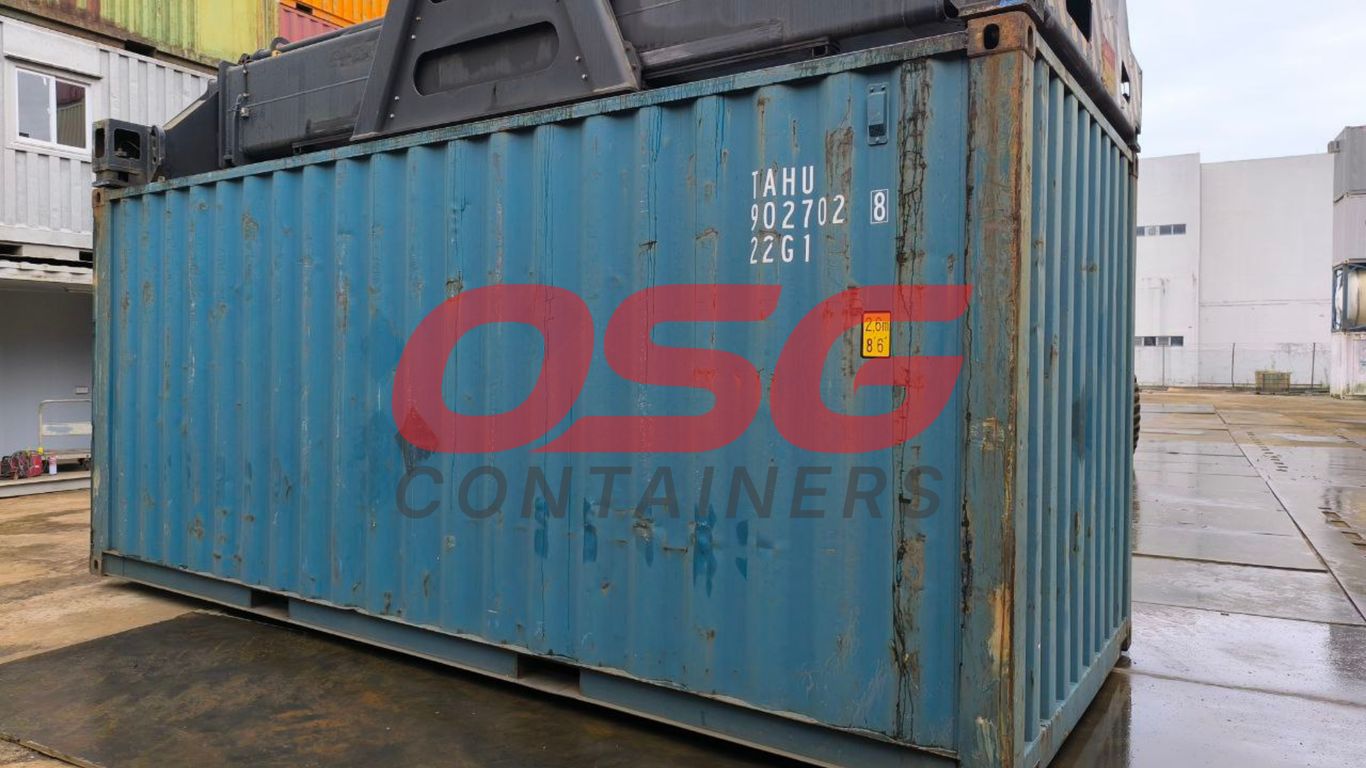
If you’re moving liquid bulk products, you’ve probably seen tankers and maybe used drums or totes. But are you up to speed on ISO tanks? They’re becoming a really popular choice for shipping liquids, and for good reason. In this article, we’ll break down what these tanks are all about and how they’re changing the game for moving your products.
Key Takeaways
- ISO tanks are strong steel containers built to ISO standards, perfect for moving and storing bulk liquids, both safe and hazardous.
- They offer better safety with a tough build, reducing leaks and spills compared to drums or flexitanks.
- ISO tanks are super efficient, holding a lot of product and making cleaning quick, which saves time and money.
- These tanks are good for the planet because they can be used over and over, cutting down on waste from single-use packaging.
- ISO tanks can easily switch between ships, trains, and trucks, and come in special types for food, chemicals, or gases, even with temperature control.
Understanding ISO Tanks
What Are ISO Tanks?
So, you’re shipping liquids in bulk and wondering about ISO tanks? Think of them as big, sturdy metal boxes designed specifically for moving liquids around the world. They’re called "ISO" tanks because they meet standards set by the International Organization for Standardization, which basically means they’re built to be consistent and reliable no matter where they go. These tanks are a modern solution for transporting and storing large quantities of liquids, whether they’re hazardous or not. They’ve become a go-to for many businesses looking for a better way to handle their liquid cargo.
Design and Construction of ISO Tanks
At their core, ISO tanks are essentially strong steel cylinders fitted inside a metal frame. This frame isn’t just for show; it makes them easy to handle with standard shipping equipment like cranes and forklifts, and it protects the inner tank. The inner tank itself is usually made of stainless steel, which is great because it doesn’t react with most liquids and is easy to clean.
What’s really neat is that many ISO tanks have liners. These liners are like a special coating inside the tank that can be swapped out. This is super handy because if you’re shipping something corrosive one day and something food-grade the next, you can just change the liner. It means one tank can be used for a lot of different things without worrying about contamination. The valves and other bits on the outside can also be customized depending on what you’re shipping and who’s handling it.
Storage Capacity and Product Suitability
Most ISO tanks you’ll see are about 20 feet long and 8 feet wide and tall. They can hold a pretty decent amount of liquid, often around 26,000 liters, which is a lot! There are also longer 40-foot versions if you need to move even more.
What can you put in them? Pretty much any liquid you can think of. They’re commonly used for:
- Chemicals, both the dangerous kind and the not-so-dangerous kind.
- Food products, like oils, juices, and even wine.
- Specialty liquids that need careful handling.
Because they’re so robust and can be lined for different purposes, they’re a solid choice for products that might be tough on regular containers. It’s often more cost-effective to use an ISO tank for these kinds of products than, say, a whole tanker truck, especially if the product is a bit harsh on the tank itself over time.
The design of ISO tanks focuses on durability and adaptability. The standardized frame allows for easy integration into global shipping networks, while the customizable inner tank and fittings cater to a wide array of liquid products, minimizing the need for specialized equipment for each type of cargo.
Advantages of ISO Tanks Over Traditional Methods
Enhanced Safety and Security Features
When you’re moving liquids in bulk, safety is always the top concern. ISO tanks really shine here compared to older methods like drums or even those big tanker trucks. These tanks are built tough, usually from stainless steel, and designed to handle a lot of pressure and rough handling. They’re basically like super-strong metal boxes for your liquids. This robust construction means a lot less chance of leaks or spills, which is a big deal for both the environment and the people handling the cargo. Plus, they often have special locking systems, making it harder for anyone to mess with your shipment while it’s on the move. It just gives you a lot more peace of mind.
Greater Operational Efficiency
Think about how much time and effort goes into moving liquids. ISO tanks just make things simpler and faster. For starters, one ISO tank can hold a huge amount of liquid, often up to 26,000 liters. That means you’re moving more product with fewer containers. They’re also designed to be cleaned out easily, with smooth interiors that don’t hold onto residue. This quick turnaround means the tank is ready for its next load much faster than, say, cleaning out a bunch of individual drums.
- Reduced Handling: Fewer units to manage means less labor and less time spent loading and unloading.
- Faster Turnaround: Easy cleaning and standardized sizes speed up the process between shipments.
- Maximized Payload: Get more liquid moved per trip, cutting down on the number of journeys needed.
The design of ISO tanks really cuts down on wasted product and time. Because they drain so well and are easy to clean, you lose less product between loads, and the tank is ready to go again sooner. This efficiency adds up quickly when you’re shipping a lot.
Environmental Sustainability and Reusability
This is a big one. Traditional methods often involve a lot of disposable packaging. Drums get dented, flexitanks are single-use, and all of that ends up as waste. ISO tanks, on the other hand, are built to last for years, often over 20 years with proper care. They’re designed to be used over and over again, whether it’s for the same product or different ones after a good cleaning. This dramatically cuts down on the amount of waste generated by shipping. Plus, because they’re so efficient and can be moved between ships, trains, and trucks without unloading the product, they often have a lower carbon footprint per liter shipped compared to other methods.
The Versatility of ISO Tank Transport
Seamless Intermodal Transportation
ISO tanks are built to play nice with different ways of getting around. Think ships, trains, and trucks – they can hop between them without you needing to move the liquid from one container to another. This makes moving stuff across borders or even just across the country way simpler. No more messy transfers that can lead to spills or contamination. It’s all about keeping things moving smoothly from point A to point B, no matter the journey.
Flexibility for Various Liquid Products
One of the best things about ISO tanks is how many different liquids they can handle. Whether it’s something you eat, a chemical, or even something that needs to stay super cold, there’s likely an ISO tank for it. They’re not just for one type of product, either. This means companies can use them for a lot of different jobs, which is pretty handy.
- Food-grade liquids: Think juices, oils, and dairy products. These tanks are built to keep things clean and safe.
- Non-hazardous chemicals: Many industrial liquids can be shipped without worry.
- Hazardous materials: With special designs and safety features, even dangerous chemicals can be transported securely.
The ability to switch between different types of cargo without needing specialized equipment for each transfer is a big win for logistics. It cuts down on downtime and makes the whole process more efficient.
Temperature Control Capabilities
Some liquids are picky about their temperature. They can’t get too hot or too cold, or they’ll go bad or become unsafe. That’s where ISO tanks really shine. Many are built with insulation, and some even have heating or cooling systems built right in. This is super important for things like:
- Pharmaceuticals: Keeping medicines stable during transit.
- Specialty chemicals: Certain reactions need precise temperature control.
- Food products: Like chocolate or certain dairy items that can melt or spoil.
For those really sensitive loads, you might even see specialized units that work like a container reefer, keeping the internal temperature exactly where it needs to be, no matter what the weather is doing outside. This level of control is something you just don’t get with older methods.
Specific Applications and Types of ISO Tanks
ISO Tanks for Food-Grade and Non-Hazardous Liquids
ISO tanks are often chosen when shipping edible oils, juices, wine, and other food products that need a clean, contaminant-free environment. Stainless steel construction and smooth interiors mean easier cleaning between loads and less chance of residue mixing into the next product. Most food-grade ISO tanks are T11 models, which handle a wide range of non-hazardous and mild chemicals too. For stuff like syrups or alcohol, these tanks can be outfitted with steam coils for gentle heating if needed during transport.
Key benefits for food and non-hazardous cargos:
- Lower risks of contamination compared to drums
- Fewer leaks and better temperature protection
- Tanks can be used over and over for different loads
ISO tanks simplify logistics for food shippers, since they cut down on packaging waste and are easy to clean, swap, and prep for new cargo.
Specialized Tanks for Corrosive Chemicals
Transporting corrosive stuff like acids or strong cleaning agents brings its own problems—standard tanks won’t stand up to these kinds of liquids. Some ISO tanks (like T14 models) come with special inner linings made to resist harsh chemicals. The fittings and gaskets are also designed to keep dangerous leaks from happening and protect workers during loading and unloading. If a chemical eats through a liner, it can be replaced without trashing the whole tank, keeping downtime short and costs lower.
Here’s a quick comparison table:
| Type | Typical Cargo | Lining Type | Main Safety Feature |
|---|---|---|---|
| T11 ISO Tank | Food, mild chemicals | Stainless steel | Insulated, steam heat option |
| T14 ISO Tank | Corrosive chemicals (acids, alkalis) | Special anti-corrosive | Chem-resistant fittings/valves |
| T50 ISO Tank | LPG, ammonia, liquefied gases | High-pressure steel | Pressure vessels, secure valves |
Cryogenic and Liquefied Gas Transport
Then there are products that have to be kept cold or under pressure—like liquid nitrogen, LNG, or other gases. For this, T50 (and sometimes T75) ISO tanks are designed to keep carriers cold, sealed, or both. These tanks are basically portable, giant insulated flasks with super-strong shells to hold pressure and keep extremely cold temperatures for days.
Typical uses for cryogenic ISO tanks:
- Liquid oxygen and nitrogen for hospitals
- LNG for remote power generation
- Industrial gases for welding or manufacturing plants
Moving bulk gases in ISO tanks slashes risks linked with using smaller, more fragile cylinders, plus it’s way more efficient over long distances.
With so many options, ISO tanks can handle nearly anything—from juice and detergent to ammonia and LNG—making them a favorite tool for all sorts of industries that need liquids hauled in bulk.
Logistics and Handling of ISO Tanks
Loading and Unloading Procedures
Getting liquids in and out of ISO tanks is a pretty straightforward process, but it needs to be done right. Most of the time, you’ll see tanks loaded or unloaded from the top or bottom using either a pump or an air compressor. The whole operation usually happens at a plant. If the plant has its own crane, they can lift the full tank onto a chassis right there. Then, a transport company takes it to a depot or straight to where it needs to go. For places without a crane, they’ve got these heavy-duty jacks to get empty tanks onto the chassis before filling. Unloading is similar – the truck driver uses a pump or air to get the product out through a valve at the bottom. Some special chassis can even tilt the tank to help get every last drop out. Once it’s empty, the tank heads back to the depot or the plant it came from.
Storage and Depot Management
When ISO tanks aren’t on the move, they usually hang out at what’s called an ISO depot. Think of it as a big, open-air parking lot specifically for these tanks. They get stacked up pretty high, which is efficient for space. Sometimes, companies that make or use the tanks will keep them on their own property too. These depots are important because they’re where tanks get cleaned, repaired, or have their inner liners swapped out if needed. It’s a whole system designed to keep the tanks ready for their next trip.
Role of ISO Tank Trucking Companies
These trucking companies are the backbone of getting ISO tanks from point A to point B. They often work with what are called ‘power-only’ providers, meaning the trucking company just provides the trailer and the driver, and the ‘power-only’ company supplies the truck itself. A lot of these specialized trucking operations are managed by third-party logistics (3PL) companies that really know their stuff when it comes to moving bulk liquids. They handle the coordination, the routing, and make sure the tanks get where they need to go safely and on time. They’re the ones making sure your liquid cargo makes it from the factory to the customer without a hitch.
The whole system relies on specialized equipment and trained personnel. It’s not just about driving a truck; it’s about understanding the specific needs of bulk liquid transport, including safety protocols and regulatory compliance. This specialized knowledge is what sets ISO tank trucking apart from general freight hauling.
Reducing Waste with ISO Tanks
Comparing Waste Generation: ISO Tanks vs. Drums and Flexitanks
When it comes to shipping bulk liquids, a major pain point is the sheer amount of waste left behind from single-use containers. Drums, flexitanks, and even some forms of IBCs all add up to mountains of plastic and steel waste, especially if you’re shipping on a regular basis. Here’s a quick look at how much waste each bulk liquid shipping method generates:
| Container Type | Waste per ISO Tank Equivalent | Typical Material |
|---|---|---|
| Flexitanks | 50–100 kg per shipment | Plastic (single-use) |
| Drums (80–100 units) | 800–1,500 kg per shipment | Steel/Plastic (single-use) |
| IBCs (20–25 units) | 1,200–1,600 kg per shipment | Plastic/Steel |
| ISO Tank | Negligible (Reusable) | Stainless Steel |
ISO tanks practically eliminate container waste by providing a long-term, reusable solution. Traditional drums and flexitanks, on the other hand, create tons of leftover material every single trip. This is especially significant if we consider large-scale operations across international trade routes, or even tightly managed reefer containers handling temperature-sensitive goods. If your operation includes reefer container or reefer containers for foods, the waste problem gets worse, since cleanliness standards often require single-use liners or entire containers.
The Long-Term Usability of ISO Tanks
ISO tanks don’t just last for one shipment—they can be used for decades before being taken out of service. Their robust construction means the same tank can move thousands of tons of product over its lifetime. Here are a few key reasons why their usability stands out:
- ISO tanks are built to last 20 years or more and withstand tough handling, transport, and cleaning cycles.
- After unloading, tanks can be fully washed and sterilized for another product—something you just can’t do with fragile flexitanks or contaminated drums.
- One ISO tank replaces hundreds (sometimes thousands) of single-use drums or flexitanks.
- For cold chain shipping in reefers containers, pairing ISO tanks with a reefer container cuts out the waste of constantly discarding temperature-sensitive liners or packaging.
By replacing single-use packaging with reusable ISO tanks and integrating them with reefer containers for temperature control, companies dramatically cut down on supply chain waste. The impact multiplies with every trip, year after year.
In short, if you’re looking for a way to make shipping liquids greener, switching to ISO tanks is probably the easiest decision you’ll make all year.
Wrapping It Up
So, when you look at it all, ISO tanks really seem to be changing the game for shipping liquids. They’re tougher, safer, and way better for the planet than older methods like drums or even big tankers for certain jobs. Plus, being able to move them easily between ships, trains, and trucks without a big hassle saves time and cash. It just makes sense that more and more companies are choosing these tanks for their bulk liquid needs. They’re not just a trend; they’re a smarter way to move stuff around the world.
Frequently Asked Questions
What exactly is an ISO tank?
An ISO tank is basically a big steel cylinder built inside a metal frame, kind of like a box without the walls. It’s designed to carry a lot of liquid safely. The name ‘ISO’ comes from the special rules, or standards, it follows, which are set by an organization called the International Organization for Standardization. These tanks are used for shipping and storing all sorts of liquids, whether they’re dangerous or not.
How are ISO tanks better than old ways of shipping liquids, like drums?
ISO tanks are much safer because they’re made of strong stainless steel and are built tough, making them less likely to leak or break. They can also carry way more liquid than drums or bags, meaning fewer trips and less work. Plus, they can be used over and over again for many years, which is way better for the environment than throwing away lots of drums after just one use.
Can ISO tanks carry any kind of liquid?
Pretty much! ISO tanks are super versatile. They can carry all sorts of things, from food products like oils and juices to strong chemicals that could damage regular containers. Some special types can even carry super cold liquids like natural gas. They’re built to handle many different kinds of liquids safely.
How do ISO tanks help with shipping by boat, train, and truck?
That’s one of their best features! ISO tanks are designed to fit perfectly onto ships, trains, and trucks. This means you can move your liquid from a ship to a train, and then to a truck, all without having to unload and reload the liquid itself. This makes shipping much faster, easier, and cheaper.
Are ISO tanks good for the environment?
Yes, they are! Because ISO tanks can be used again and again for many years, they create a lot less waste compared to things like plastic drums or single-use bags that get thrown away after one trip. Using them helps reduce pollution and saves resources, making them a much greener choice for shipping.
How are ISO tanks loaded and unloaded?
Loading and unloading usually happen using pumps or air pressure. The liquid is put into the tank, often at a factory, and then the tank is placed on a truck. When it arrives, a pump or air pressure is used to take the liquid out. Sometimes, the truck or special equipment can tilt the tank to help get all the liquid out easily.