Singapore
 Australia
 Indonesia
 Japan
Japan Malaysia
 New Zealand
 Philippines
 South Korea
 Taiwan
 Thailand
 VIETNAM
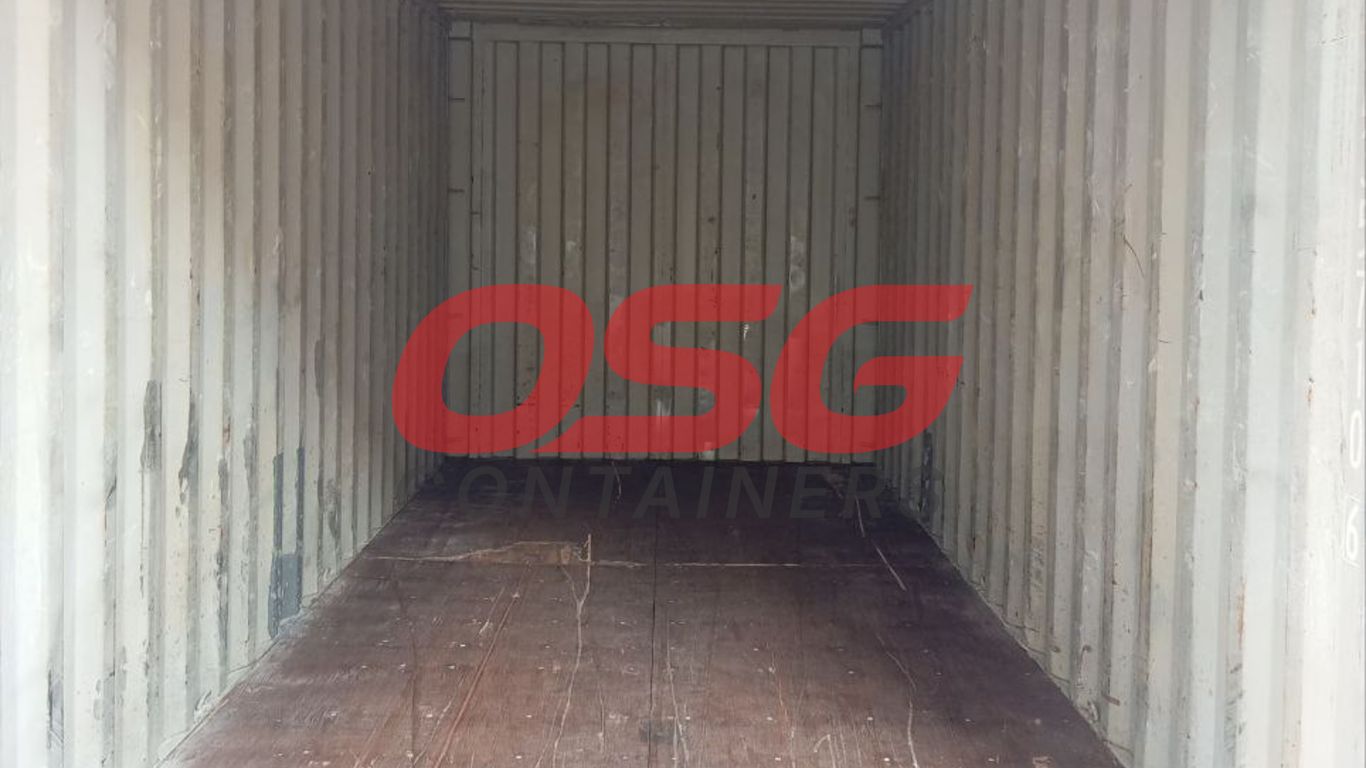
So, you’re curious about how those big metal boxes, officially known as cargo containers, are built to withstand so much? It’s pretty wild when you think about it – they travel across oceans, get stacked high, and carry all sorts of stuff. Turns out, there’s some serious engineering packed into these things. We’re going to take a peek behind the curtain and see what makes these cargo containers so tough and how they’re used for more than just shipping.
Key Takeaways
- Cargo containers are built with a lot of extra strength, way more than typically needed for regular buildings. They’re tested to handle heavy loads and extreme conditions.
- The main parts, like the corrugated steel walls and strong corner castings, work together to make the container rigid and able to carry weight.
- Engineers use computer models (like Finite Element Analysis) to figure out how loads travel through the container and how it will behave under stress.
- There are specific standards, like ISO 1496, and building codes that engineers and builders must follow when using cargo containers for structures.
- Cutting into a container weakens it, so any modifications like adding doors or windows need careful planning and often extra support to keep the structure safe.
Understanding Cargo Container Strength
When you first look at a cargo container, you might just see a big metal box. But these things are built tough, way tougher than you might think. They have to be, right? They travel across oceans, get stacked high on ships, and handle all sorts of weather. This built-in strength is a big reason why they’re so popular for everything from storing goods to becoming homes or offices. Even if you’re just looking into container rental for a short-term project, knowing their structural backbone is solid is pretty important.
Built-in Safety Factors
These containers are designed with a lot of extra strength, more than what’s strictly needed for their job. Think of it like a safety net. They’re tested to handle loads that are much heavier than what they’ll typically carry. This means they can take a beating and still keep their shape.
- Vertical Load Capacity: A single container is designed to handle a significant amount of weight pushing down on it.
- Stacked Strength: When stacked, the lower containers must support the weight of many others above them, a load far exceeding typical building requirements.
- Lateral Load Resistance: They’re also built to resist forces pushing them from the sides, like strong winds or the motion of a ship at sea.
The forces a container endures during ocean transport, especially during storms, are incredibly intense. These forces often surpass the seismic loads experienced in even the most earthquake-prone areas on land. This extreme testing is why they have such robust structural integrity.
Load Capacity Exceeding Requirements
Let’s talk numbers for a second. The floor inside a standard container is designed to hold about 250 pounds per square foot (psf). Now, compare that to what’s usually needed for a house (around 40 psf) or even a commercial building (maybe 100 psf). That’s a huge difference! It means the floor is already way over-engineered for most uses you’d put it to on land. The same goes for the corner posts – they’re built to handle immense weight when containers are stacked, far more than what most multi-story buildings require for their columns.
Testing and Standards Compliance
Every container you see has gone through rigorous testing. They have to meet strict international standards, like ISO 1496. This isn’t just a suggestion; it’s a requirement. Manufacturers build them to these specs and then they get tested to prove they can handle the loads. This ensures that no matter where you buy or rent a container from, it’s been built to a reliable standard. This testing covers everything from how much weight they can hold vertically to how they handle side-to-side forces.
| Load Type | Requirement (kips) | Typical Container Capacity (kips) |
| :————— | :—————– | :——————————– | |
| Vertical (Single) | N/A | 58 |
| Vertical (Stacked) | N/A | 464 (for 8 high) |
| Lateral (Short) | N/A | 33.75 |
| Lateral (Long) | N/A | 16.87 |
Structural Components of Cargo Containers
When you look at a cargo container, it might seem like just a big metal box, but there’s a lot of smart engineering packed into it. These things are built tough to handle rough seas and heavy loads, and it all comes down to how they’re put together.
Corrugated Steel Panels
The sides, roof, and ends of a container aren’t just flat sheets of metal. They’re made of corrugated steel panels. Think of the ripples in a piece of corrugated cardboard – that shape isn’t just for looks. This corrugation adds a surprising amount of stiffness and strength to the panels. It helps them resist bending and buckling, which is super important when you’ve got stacks of these things or when they’re being tossed around on a ship. The steel itself is usually a pretty standard gauge, like 14-gauge, which is strong enough for the job without being excessively heavy.
Floor Construction
Don’t overlook the floor! It’s not just a thin piece of plywood. The floor is typically built with sturdy steel joists running across the width, acting like mini-beams. On top of these joists, you’ll find thick hardwood panels, often 19 plies thick. This layered wood is really strong and can handle a lot of weight. In fact, the floor is designed to take a live load of about 250 pounds per square foot. That’s way more than what most houses or even many commercial buildings need, so the floor is definitely over-engineered for typical land use.
Corner Castings: The Load-Bearing Hubs
These are arguably the most critical structural elements. You’ll find them at each of the eight corners of the container. They’re heavy-duty steel blocks with precisely located holes. These corner castings are where the container’s weight is transferred to lifting equipment, other containers when stacked, or the ground. They are designed to handle immense forces. When containers are stacked high on a ship, the corner posts in the lower containers bear a massive amount of weight – far more than what most building columns handle. They are the primary connection points and are built to withstand significant stress and strain.
Engineering Analysis and Design Principles
When we talk about making cargo containers into buildings, it’s not quite like building with wood or bricks. The way these steel boxes handle weight and stress is different, and engineers have to figure that out. It’s a bit like learning a new language for structures.
Finite Element Analysis Modeling
Engineers often use computer programs to model how a container will behave under different conditions. Think of it like creating a digital twin of the container. These programs, often called Finite Element Analysis (FEA) software, break the container down into tiny pieces. Then, they can simulate forces like wind, snow, or even people walking around inside. This helps spot potential weak spots before anything is built. They look at things like the corrugated steel walls and the floor structure to see how they’ll hold up. It’s a way to test the design virtually, which is way cheaper and faster than building a bunch of prototypes.
Understanding Load Paths
This is a big one. A load path is simply the way forces travel through a structure to the ground. In a traditional house, loads might go through walls and then down to the foundation. With containers, the loads often travel through the corner posts and the frame. Understanding these paths is key to knowing where to add support or how to connect containers together safely. If you don’t get this right, you could end up with problems down the line.
- Loads from the roof and upper containers travel down.
- These loads are directed to the corner castings.
- The corner castings transfer the load to the foundation or the container below.
Adapting Traditional Design Methods
Since there aren’t many textbooks specifically on designing with shipping containers (they’re not usually taught in college engineering programs), designers have to adapt what they already know. They take basic engineering principles learned from other materials like steel or concrete and apply them. It requires a bit of creative thinking and a good amount of experience. Sometimes, building departments aren’t familiar with this approach, which can lead to extra questions or requirements. It’s about showing them that these containers are strong and can be used safely with the right engineering.
It’s important to remember that cargo containers are built to handle serious stress during shipping. They’re designed with built-in safety margins that often exceed what’s needed for a stationary building. The trick is figuring out how to use that inherent strength effectively and safely in a new context.
Navigating Codes and Standards for Cargo Containers
When you start thinking about using cargo containers for something other than just shipping stuff, like building a home or a workshop, you’ve got to pay attention to the rules. It’s not just about stacking boxes; there are official guidelines to make sure whatever you build is safe and sound. Think of it like this: you wouldn’t build a regular house without checking the building codes, right? It’s the same deal with these containers, especially if you’re making changes to them.
ISO 1496 Standard
The International Organization for Standardization (ISO) has a standard, specifically ISO 1496, that lays out the basic requirements for these containers. It’s pretty much the blueprint for how they should be built to handle the rigors of shipping. This standard covers things like strength, dimensions, and how they should perform under different conditions. It’s a performance standard, meaning it tells you what the container needs to be able to do, not necessarily exactly how to build it. Manufacturers have some flexibility in how they meet these requirements, as long as the end product passes the tests.
International Building Code Provisions
Now, when you want to use a container as part of a building, the International Building Code (IBC) comes into play. The 2021 version of the IBC actually added a new section, Section 3115, specifically for intermodal shipping containers. This section gives engineers and builders a clearer set of rules to follow when repurposing containers for structures where people will be. It offers different ways to design the structural aspects, whether you’re dealing with a single container or multiple units connected together.
- Detailed Design Procedure: For more complex setups, Section 3115.8.4 provides a step-by-step method for structural design.
- Simplified Design Method: Section 3115.8.5 offers a more straightforward approach for single-unit containers.
- Load Combinations: The IBC also dictates how different types of loads (like weight of the structure, people, snow, wind, and earthquakes) need to be considered together.
Using containers as buildings isn’t as simple as just placing them. Modifications like cutting openings for doors and windows can really change how the container holds up. Engineers need to figure out how to add support where it’s needed to keep everything stable and safe, especially if the container is going to be part of a larger structure or have things like balconies.
Local Jurisdiction Requirements
Beyond the big international standards, don’t forget about your local rules. Your city or county building department will have its own set of requirements. Sometimes, these can be quite specific, and they might not be as familiar with container structures as they are with traditional buildings. It’s a good idea to check in with them early on to see what they expect. If you’re working with a manufacturer who is already certified by the state for building modifications, they might handle a lot of the local permitting headaches for you, which can be a big help.
Modifying Cargo Containers Safely
So, you’ve got a cargo container, maybe you’re thinking about renting a container for a project, or perhaps you’re already set on renting a container for a specific use. That’s great! These things are tough, built to handle rough seas and heavy loads. But when you start cutting into them, changing them up for a new purpose, you’ve got to be smart about it. It’s not just about making it look good; it’s about keeping it strong and safe.
Impact of Wall Modifications
Those corrugated steel walls aren’t just for show. They actually help the container keep its shape, especially when you stack them or when they’re carrying weight. Cutting big holes in them, like for a large window or a doorway, can really weaken the structure. Imagine taking out a big chunk of a wall – the roof might start to sag, or the whole thing could twist a bit. It’s like removing too many bricks from a wall; it just doesn’t hold up the same way.
- Small openings for vents or smaller windows are usually fine, especially if you’re just making a single cut.
- Large openings that go across a significant portion of a wall need careful planning. You might need to add extra support.
- Removing an entire wall is a major structural change and almost always requires significant reinforcement.
Reinforcing Cut Openings
When you do need to make cuts, especially larger ones, you can’t just leave the edges hanging. You’ll likely need to add some extra steel around the opening. This is often done by welding in a frame, usually made of steel tubing. This frame acts like a mini-support system for the area you’ve cut, helping to spread the load and stop the container from deforming. It’s a bit like putting a brace around a weak spot.
Here’s a quick look at what you might need:
| Modification Type | Reinforcement Needed | Common Materials |
|---|---|---|
| Small Window | Minimal to None | N/A |
| Standard Door | Steel Frame | Square Tubing |
| Large Opening | Robust Steel Frame | Rectangular Tubing, Angle Iron |
| Full Wall Removal | Extensive Framing | Steel Beams, Custom Fabrication |
Preserving Structural Integrity
Think of the container’s original design as a carefully balanced system. The corner castings are the main load-bearers, but the walls and roof play their part too. When you’re planning modifications, it’s best to work with the container’s strengths, not against them. This means avoiding cuts that go through the corner castings themselves, as they are critical for stacking and lifting. If you’re looking at freight containers for rent, consider how their existing structure can best suit your needs before you plan major changes.
The key is to understand that while these containers are strong, they are strong in their original form. Any alteration changes that. It’s always a good idea to consult with someone who knows the engineering side of things before you start cutting, especially for bigger projects or if you plan to stack them.
When you’re renting containers, remember that the modifications you make might affect their suitability for future rentals or resale. Always keep the original structural elements in mind. Making smart, well-supported modifications means your container structure will be safe and last longer.
Foundation and Stacking Considerations
Proper Foundation Support
So, you’ve got your cargo container, and now it’s time to figure out where it’s going to sit. This isn’t just about picking a spot; it’s about making sure the ground underneath can handle the weight and keep everything stable. Think of it like building a house – the foundation is everything. For a cargo container, this means understanding what’s under the surface. Different soils have different strengths, and you don’t want your container sinking or shifting.
- Soil Type Matters: Sandy soil behaves differently than clay or rocky ground. You need to know what you’re working with. A simple soil test can tell you a lot.
- Bearing Capacity: This is basically how much weight a patch of ground can hold without giving way. You need to make sure your foundation design doesn’t ask the soil to do more than it’s capable of.
- Frost Line: If you live somewhere with cold winters, digging below the frost line is important. This stops the ground from freezing and expanding, which can mess with your foundation.
The goal is to create a solid base that distributes the container’s weight evenly. This prevents uneven settling and keeps the structure sound over time. It’s better to be a bit over-engineered here than to cut corners.
Safe Stacking Practices
Cargo containers are built to be stacked, but there are limits and rules. Just piling them up haphazardly is a recipe for disaster. When you stack containers, the load from the upper ones transfers down through the corner castings of the ones below. This means the lower containers have to be strong enough to take that extra weight.
- Weight Limits: Always check the maximum gross weight for the container and don’t exceed it. This applies to the total weight, including the container itself and whatever is inside.
- Interlocking Mechanisms: Many container stacking systems use twist locks or other devices to physically connect containers. These are vital for preventing movement, especially in windy conditions or during seismic activity.
- Height Restrictions: There are usually limits on how high you can stack containers, especially in non-industrial settings. This is often dictated by local building codes or engineering assessments.
Ensuring Stability
Stability is the name of the game, whether your container is on the ground or part of a multi-story stack. It’s about preventing tipping, sliding, or collapsing. This involves a few key considerations:
- Foundation Attachments: For longer containers (40ft or more), using more than just the four corner points to attach to the foundation can reduce flexing and add strength. Six attachment points are often better than four.
- Load Path Awareness: Understand how the weight travels from the top of the stack, through each container, and down to the foundation. Any weak link in this chain can compromise the whole structure.
- Environmental Factors: Wind, snow load, and even seismic activity need to be factored into your stability calculations. A container that’s perfectly stable in a calm, flat area might be at risk in a windy coastal region or a place prone to earthquakes.
The structural integrity of a stacked container system relies heavily on the proper connection between each unit and the ground.
Wrapping It Up
So, there you have it. Shipping containers, these tough metal boxes we see everywhere, are way more than just big storage units. They’ve got this built-in strength that engineers can actually use to build all sorts of things, from houses to offices. It’s not as simple as just stacking them, though. You’ve got to think about how they’re put together, how they handle loads, and what happens when you start cutting holes for doors and windows. Luckily, there are standards and engineers who know how to figure all that out, making these containers a pretty neat option for building. It’s kind of cool to think these things, designed for the rough life at sea, can become solid structures right here on land.
Frequently Asked Questions
Are shipping containers really as strong as they say?
Yes, shipping containers are built to be incredibly strong. They are designed to handle heavy loads and harsh weather conditions during shipping. In fact, they are often built with more strength than typical buildings need, meaning they have a good safety margin built-in.
Can I just cut holes in a container for windows and doors?
While you can cut openings for windows and doors, you need to be careful. Cutting too much can weaken the container’s structure. It’s always best to consult with a structural engineer before making any big cuts to ensure the container remains safe and stable.
What are the main parts of a shipping container that make it strong?
The strength comes from several key parts. The corrugated steel walls and roof add rigidity. The floor is made of strong wood panels over steel supports. The corner castings are especially important, as they bear most of the container’s weight and are crucial for stacking.
Do I need special permission to build with shipping containers?
You’ll likely need to follow building codes and get permits, just like with any construction project. There are specific standards, like the ISO 1496 standard, and sometimes local rules that apply to using shipping containers for buildings. Checking with your local building department is a good first step.
How do engineers figure out if a container building is safe?
Engineers use computer programs called Finite Element Analysis (FEA) to model the container and predict how it will handle different forces. They also study how loads travel through the container’s structure and make sure the design follows established engineering rules and standards.
What’s the best way to set up a container building on the ground?
You shouldn’t place a container directly on the ground because moisture can cause rust. It’s better to use a foundation like concrete piers, a strip foundation, or a concrete slab. Embedding steel plates in concrete foundations can help you securely attach the container.