Singapore
 Australia
 Indonesia
 Japan
Japan Malaysia
 New Zealand
 Philippines
 South Korea
 Taiwan
 Thailand
 VIETNAM
When you think about moving goods around the world, shipping containers are the big players. And among them, the 20ft container is a real workhorse. It’s been around for a while, and for good reason. It strikes a nice balance between being big enough to carry a decent amount of stuff but not so huge that it becomes a hassle to move. We’re going to take a look at why this particular size is so popular, what it can hold, and why it’s still a go-to for many businesses and individuals.
Key Takeaways
- The 20ft container is a standard size that makes global shipping and handling much simpler. It’s recognized and used everywhere.
- Its dimensions are a sweet spot, fitting a good amount of cargo without being too difficult to manage or transport.
- Built tough from steel, these containers are designed to keep goods safe from weather and any tampering.
- Beyond just shipping, 20ft containers are often repurposed for storage, temporary offices, or even unique building projects.
- For many smaller shipments, the 20ft container is a more budget-friendly option, offering solid value for the space provided.
The Enduring Appeal Of The 20ft Container
Understanding The 20ft Shipping Container
Picture a steel box, sturdy and ready for pretty much anything—it’s hard to find a place where you don’t see one of these. The 20ft shipping container grabs attention because it sits right in the middle, not too bulky to handle and not too tiny to be useless. It’s really a balanced option for moving, storing, or even converting into something totally different.
- Works well for both big and small businesses
- Fits on ships, trucks, and trains almost anywhere in the world
- Easy to move with a forklift or crane, even on tight job sites
Whether you’re sending goods overseas or storing lawn equipment, the 20ft container is a safe bet.
Key Features Of The 20ft Container
So, what makes this container stand out? First, it’s built with thick, corrugated steel. That means rough weather, bumpy transport, and even a few hard knocks won’t rattle it. Security is also baked in. The doors are lockable, and it’s not easy to break into unless you’re really determined (or have a lot of time on your hands). And then there’s the versatility. You can get extra doors, windows, vents, or even repaint it to match your company’s colors.
Some quick highlights:
- Steel construction resists rust and damage
- Multiple door options for different uses
- Designed for quick loading and unloading
Here’s a simple look at what most 20ft containers offer:
| Feature | Description |
|---|---|
| Material | Corrugated steel |
| Floor | Marine plywood or bamboo |
| Security | Lockable double doors |
| Handling | Forklift pockets, corner castings |
| Weather Resistance | Wind and watertight |
Why The 20ft Container Is A Global Standard
It’s not just about toughness or size. Standardized measurements mean every 20ft container can be stacked, moved, and handled by cranes from Shanghai to Seattle. This global compatibility keeps international shipping running smoothly, and everyone from port operators to truck drivers knows exactly what to expect.
Why does that matter?
- Quick turnarounds at ports—no guessing what fits where
- Consistent loading calculations and safety checks
- Easier logistics planning for shipping companies and customers alike
Some containers are bigger, others are smaller, but the 20ft remains the reliable middle ground. It’s affordable, sturdy, and just the right size to keep the world’s goods on the move.
Dimensions And Capacity: What A 20ft Container Holds
So, you’re wondering what exactly fits inside one of these common 20 foot container boxes? It’s not just a random size; it’s a carefully thought-out standard that balances a lot of different things. Let’s look at the numbers and see what these metal boxes can really handle.
Understanding The 20ft Shipping Container
The standard 20-foot container, often called a ‘dry van’, is built to strict international rules. This standardization is a big reason why they move so easily around the world. While the outside measurements are pretty much the same everywhere, it’s the inside space that really matters when you’re packing.
Key Features Of The 20ft Container
These containers are designed to be tough and easy to handle. They’re made from strong steel, can withstand rough weather, and have standard fittings for lifting and securing them. The real magic of the 20 foot container lies in its balance of size, weight capacity, and cost-effectiveness for many types of cargo.
Why The 20ft Container Is A Global Standard
Its widespread adoption means that ports, ships, trains, and trucks worldwide are equipped to handle them. This makes logistics much simpler and cheaper. You don’t have to worry as much about special equipment or extra fees when your cargo is in a standard 20ft container.
20ft Container Specifications
Here’s a look at the typical measurements you can expect:
| Measurement | Imperial (Approx.) | Metric (Approx.) |
|---|---|---|
| External Length | 20 ft | 6.1 m |
| External Width | 8 ft | 2.44 m |
| External Height | 8.5 ft | 2.59 m |
| Internal Length | 19.4 ft | 5.9 m |
| Internal Width | 7.7 ft | 2.35 m |
| Internal Height | 7.9 ft | 2.39 m |
When we talk about capacity, it’s about how much stuff you can fit in (volume) and how much it can weigh (payload). The 20-foot container offers a good mix, making it suitable for a wide range of goods.
- Cubic Capacity: Typically, a 20ft container holds around 1,170 cubic feet, or about 33 cubic meters. This is enough space for a decent amount of furniture, equipment, or palletized goods.
- Tare Weight: The weight of the container itself (empty) is usually about 5,000 pounds (around 2,300 kg).
- Maximum Payload: This is where it gets interesting. A standard 20ft container can carry a maximum payload of roughly 55,000 pounds (about 25,000 kg). This means you can pack it pretty heavy, which is great for dense items like machinery or raw materials.
Common Uses of a 20ft Container
A 20ft container is ideal for a variety of cargo types, including:
- Industrial Equipment and Machinery – Used for transporting manufacturing and construction equipment.
- Heavy Materials – Suitable for metal, stone, cement, and other dense goods.
- General Consumer Goods and Furniture – Popular among importers of retail and home goods.
- Food Products and Beverages – Can store dry food, canned goods, and packaged products for international shipping.
It’s important to remember that these are general figures. Always check the specific container’s rating plate for exact weight limits, as variations can occur based on the manufacturer and the container’s specific build.
Types of 20ft Containers and Their Uses
While the standard 20ft is the most common, there are variations. High Cube (HC) versions, for example, offer a bit more height, which can be a game-changer if you’re dealing with taller items. However, for most general shipping and storage needs, the standard 20ft hits the sweet spot. Think of it this way: the 20ft container is like the versatile sedan of the shipping world. It’s not the biggest, it’s not the smallest, but it’s reliable, efficient, and gets the job done for a huge number of tasks. Its dimensions and weight limits are a carefully balanced equation that has made it a global favorite.
Intermodal Transfer Efficiency
This is where the 20ft container really shines. Think about it: your stuff gets loaded into this box, and then that box can hop from a giant ship to a train, and then onto a truck, all without anyone having to unpack and repack your goods. That’s what we call intermodal transfer, and the 20ft container is built for it.
Streamlining Cargo Movement
The whole point of these containers is standardization. Because a 20ft container is always the same size and has specific points for lifting, moving it between different modes of transport is super quick. Cranes can grab it, trains have the right cradles for it, and trucks have the chassis. This means less time spent at ports or transfer yards, which saves a ton of money and gets your goods moving faster.
- Faster Loading and Unloading: Standardized lifting points mean cranes can do their job efficiently.
- Reduced Handling: Goods stay packed inside, minimizing the risk of damage and theft.
- Flexibility: Easily switch between sea, rail, and road transport.
- Cost Savings: Less labor and less time spent means lower overall shipping costs.
The ability to switch transport methods without unpacking and repacking the goods inside is a massive time and cost saver for global trade.
Choosing The Right 20ft Container Condition
When you’re looking at 20ft containers, not all of them are created equal. Just like buying a used car, the condition really matters, and it depends on what you need it for and, let’s be honest, your budget. You’ve got a few main options:
- One-Trip Containers: These are the closest you’ll get to brand new without buying new. They’ve only made one journey, usually from the factory overseas to their first destination. They might have a few minor scuffs or a bit of surface rust from the sea air, but they’re structurally sound and ready for plenty more use. Great if you need reliability and don’t want to worry about wear and tear for a long time.
- Cargo-Worthy Containers: These have been used for a while but have been inspected and certified to still be suitable for shipping goods. They’ll show more signs of use – dents, more rust, maybe some paint chips – but they’re perfectly fine for transporting cargo, especially if you’re not planning on using them for long-term storage.
- Wind and Watertight (WWT) Containers: These are typically older containers that might not be certified for international shipping anymore. However, they’re still structurally okay and, most importantly, they don’t have any holes. They’re a budget-friendly option for storage, but you wouldn’t want to put valuable goods on an international journey in one.
Understanding One-Trip Containers
These are the shiny, almost-new options. A one-trip container has literally only made one journey, usually from the factory in Asia to its first destination. They’re pretty much as good as it gets without being brand new. You might see a few minor scuffs or maybe a tiny bit of surface rust from the sea air, but structurally, they’re solid. Think of them as barely used. They’re great if you need something reliable and don’t want to worry about wear and tear for a long time. They offer a good balance between cost and condition for many business needs.
Versatility In Application: Beyond Shipping
You know, it’s easy to think of shipping containers as just big metal boxes for moving stuff across the ocean. But honestly, they’re way more than that. People have gotten super creative with these things, turning them into all sorts of useful spaces that have nothing to do with international trade.
Storage Solutions For Businesses
For businesses, especially smaller ones or those in construction, a 20ft container is a lifesaver for storage. Think about it: you need a secure place for tools, equipment, or extra inventory right there on your site. Instead of renting a warehouse or worrying about break-ins, you can just plop a container down. It’s tough, weather-resistant, and keeps your valuable gear safe from the elements and sticky fingers. Plus, they’re pretty easy to move around if you need to shift your operations.
Transforming Into On-Site Offices And Workshops
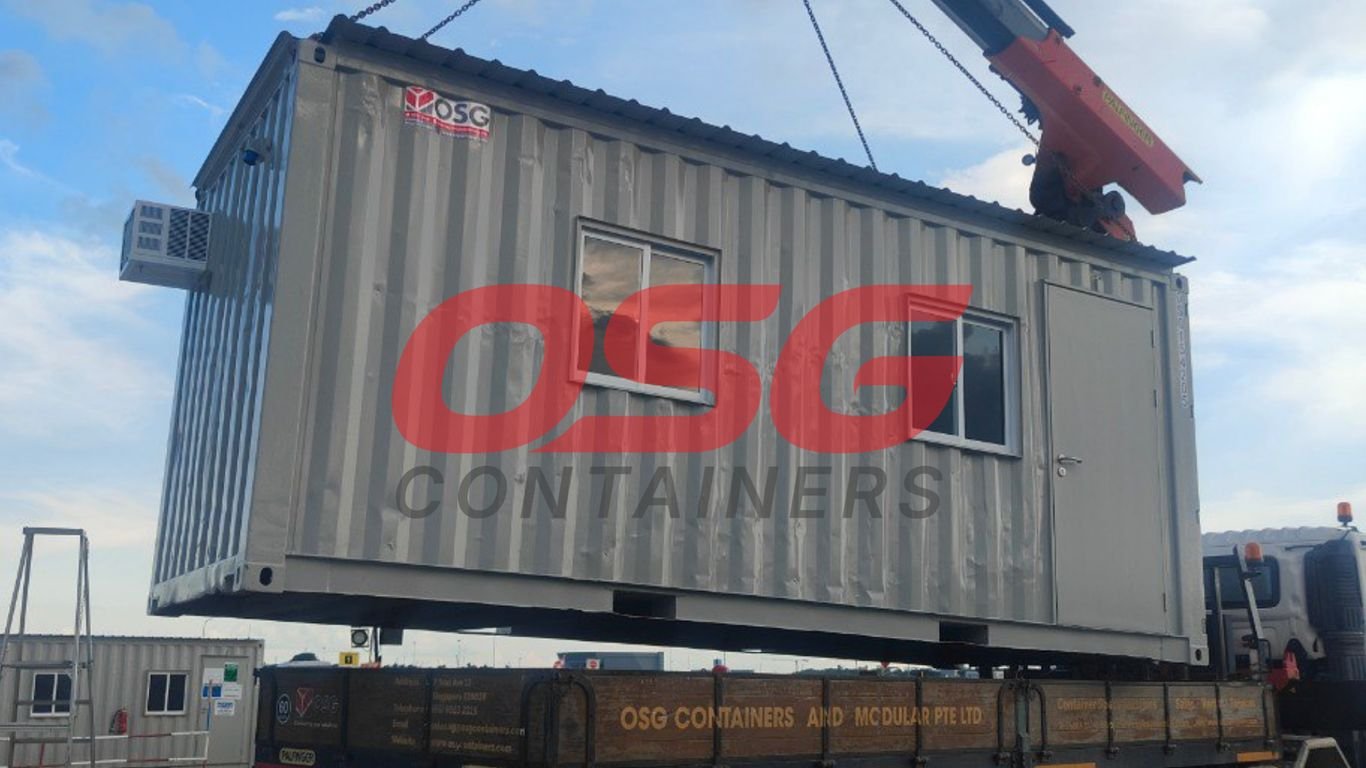
This is where things get really interesting. A 20ft container can be kitted out to become a fully functional office, a small workshop, or even a break room for workers on a construction site. Imagine a sturdy, secure space where you can get some work done, store important documents, or just have a quiet spot away from the main hustle. They’re surprisingly adaptable. You can add insulation, windows, doors, lighting, and even basic plumbing. It’s a much quicker and often cheaper way to get a functional workspace compared to building something from scratch. The humble 20ft container has become a go-to for creating practical site office solutions.
Creative Building Projects
Beyond just storage and offices, people are using these containers for all sorts of cool projects. We’re talking about pop-up shops, art studios, extra rooms for a house, or even basic shelters. The standardized size and robust construction make them a fantastic starting point for almost any kind of conversion project. They’re readily available, relatively inexpensive, and you can modify them to fit your exact needs. It’s a whole different world when you start thinking outside the shipping lane.
Here’s a quick look at some common non-shipping uses:
- Temporary retail spaces: Pop-up shops and market stalls.
- Personal studios: Art, music, or craft spaces.
- Extra living quarters: Guest houses or backyard offices.
- Event facilities: Bars, information booths, or first-aid stations.
The standardized dimensions and durable construction of a 20ft container make it an ideal base for a wide array of modifications. This adaptability allows for cost-effective and rapid deployment of functional spaces in diverse settings, far removed from their original maritime purpose.
The Supporting, But Critical Role Of 20ft Containers
While the big 40-footers often get the spotlight for moving massive amounts of goods across the globe, the trusty 20-foot container is still doing some really important work behind the scenes. It’s not always about the biggest load; sometimes, it’s about getting the right load moved efficiently, especially when things get a bit tricky.
Heavy Cargo Movements
When you have really dense, heavy items, a 20ft container can actually be a better fit than a larger one. Because its internal volume is smaller, you can load it up to its maximum weight capacity without it looking half-empty. This is super useful for things like machinery parts, dense metals, or even certain types of stone. You get the full weight-carrying potential of the container, which can be more cost-effective for these specific types of shipments.
Weight-Restricted Inland Transport
Getting goods from the port to their final destination often involves trucks or trains, and these have weight limits. A fully loaded 20ft container is much more likely to stay within these limits compared to a 40ft. This means fewer headaches with regulations and potentially avoiding extra fees or the need to split loads. It makes the journey inland smoother and more predictable.
Remote And Infrastructure-Limited Locations
In places with less developed ports or limited road access, smaller containers are often easier to handle. Cranes might be smaller, and the space to maneuver large trucks could be tight. A 20ft container is just more manageable in these situations. It can be moved with less specialized equipment, making it a practical choice for getting supplies to remote areas or regions still building up their logistics infrastructure.
The 20ft container’s strength lies in its adaptability for specific challenges. It’s not just a smaller version of the 40ft; it’s a specialized tool for situations where size and weight are key considerations, making it indispensable for certain logistical puzzles.
Here’s a quick look at why the 20ft shines in these areas:
- Weight Efficiency: Ideal for dense cargo where you want to maximize the container’s weight limit.
- Accessibility: Easier to transport on roads with weight restrictions.
- Handling: Simpler to manage in locations with limited space or smaller equipment.
- Cost-Effectiveness: Can be more economical for specific heavy, low-volume shipments.
Specialized Containers: Where 40ft Leads – and Where 20ft Still Dominates
When it comes to specialized shipping containers, the choice between 40ft and 20 foot units isn’t just about space—it’s about matching the container to the job.
Reefer Containers
Reefer (refrigerated) containers are crucial for keeping goods like produce, medicines, and frozen foods at the right temperature. Here’s where 40ft containers often have the upper hand:
- They offer more volume, making them perfect for large bulk shipments.
- Many ports and logistics providers are set up for 40ft reefers, so they move through the system faster and more smoothly.
- High cube 40ft reefers (with a bit of extra height) allow shippers to load even more temperature-sensitive items in one trip.
But 20ft reefers still aren’t obsolete. Smaller shipments and destinations with space or weight limits still rely on the 20 foot version, especially in remote locations.
Flat Rack and Open Top Containers
Not everything fits in a standard box. Some cargo is just awkward—think machines, vehicles, or construction materials. Both flat rack and open top containers come in 20 foot and 40ft sizes, but each has its sweet spot:
| Container Type | 20ft Advantages | 40ft Advantages |
|---|---|---|
| Flat Rack | Easier for dense, heavy items | Handles oversized cargo (length/width) |
| Open Top | Suited for tall, compact equipment | Useful for bulky and long shipments |
- 20ft flat racks handle dense, heavy cargo where weight—not space—is the issue.
- 40ft sizes work best when cargo is big but not necessarily heavy.
ISO Tank Containers
When you need to move liquids—like chemicals, cooking oil, or even food-grade products—ISO tank containers are the standard. Here, the 20 foot container is king. Why?
- Most tank designs are optimized for road weight limits when full in a 20ft size.
- Easier to handle and transfer between road, rail, and ship, especially for hazardous goods.
- Many ports with older or smaller infrastructure can only handle 20ft tanks safely.
Key Takeaways: Where Each Size Works Best
- 40ft containers lead when volume and automation matter, especially for cooled or retail goods.
- The 20 foot size still matters for:
- Heavy or dense freight (like steel, minerals)
- Tank shipments (ISO tanks)
- Projects in hard-to-reach places or areas with strict road weight rules
The smartest shippers are the ones who match the right container size to their cargo every time, avoiding empty space and extra costs no matter if they’re shipping frozen fish or setting up container offices.
In the end, 40ft containers might carry the bulk of global trade, but the specialized, sturdy 20ft container still solves problems no other box can, especially in tight or tricky supply chains.
Wrapping It Up
So, looking back at how things have changed, it’s clear that both the 20ft and 40ft containers have their own jobs to do in moving goods around the world. While the bigger 40ft containers are handling a lot of the heavy lifting for big trade volumes these days, thanks to things like port automation and wanting to move more stuff with fewer trips, the 20ft container is still super important. It’s the go-to for really heavy items, shipments that have weight limits on the road, or getting into places that are a bit tricky to reach. It’s not really about one size being better than the other; it’s about picking the right box for the right job. Getting that match right is what keeps the whole shipping world running smoothly.
Frequently Asked Questions
What exactly is a 20ft shipping container?
A 20ft shipping container is a standard-sized metal box, usually made of strong steel. It’s used all over the world to move goods by ship, train, or truck. Think of it as a universal building block for global trade, designed to be tough and keep your stuff safe.
Why are 20ft containers so popular?
They’re popular because they hit a sweet spot! They’re big enough to hold a good amount of cargo, but not so massive that they’re hard to handle or move around. This makes them a flexible and cost-effective choice for many different shipping needs. Plus, they’re built to strict international standards, so they fit into shipping systems everywhere.
What kind of stuff can fit inside a 20ft container?
A lot of different things! They’re great for transporting heavy items like machinery, steel, or building materials because they’re built strong. They’re also used for furniture, general products, and even cars. If your cargo is dense and heavy, a 20ft container is often a perfect fit.
Are 20ft containers easy to move between ships, trains, and trucks?
Yes, that’s one of their biggest advantages! Because they are a standard size and shape, it’s very easy and quick to move them from one type of transport to another. This process, called intermodal transfer, saves a lot of time and money because you don’t have to unpack and repack the goods.
Can I use a 20ft container for something other than shipping goods overseas?
Absolutely! Many people and businesses use 20ft containers for storage on their property, keeping tools, equipment, or extra inventory safe and secure. They can also be turned into temporary offices, workshops, or even used in creative building projects like homes or studios.
What’s the difference between a new ‘one-trip’ 20ft container and a used one?
A ‘one-trip’ container has only made one journey, usually from where it was made to its first destination. It’s in very good condition, almost like new. Used containers have had more journeys and might show more signs of wear, like dents or rust. For long-term use or if you want something reliable with minimal issues, a one-trip container is a great choice.