Singapore
 Australia
 Indonesia
 Japan
Japan Malaysia
 New Zealand
 Philippines
 South Korea
 Taiwan
 Thailand
 VIETNAM
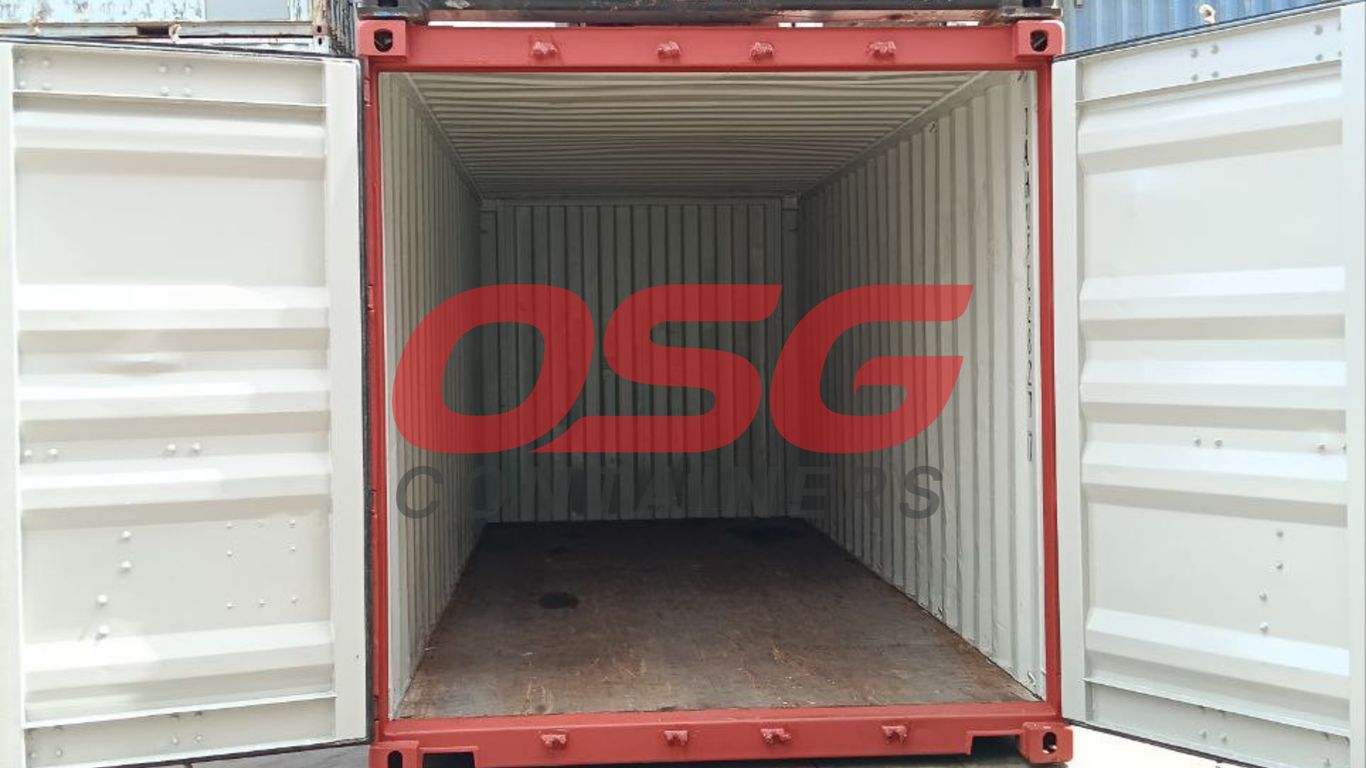
When you’re dealing with project cargo, sometimes the standard shipping containers just won’t cut it. You’ve got big, awkward, or super heavy stuff that needs to get from point A to point B. That’s where open top containers really shine. They’re not your everyday boxes, and for good reason. Let’s talk about why these things are so useful when regular containers just aren’t an option.
Key Takeaways
- Open top containers are great for bulky items because you can load them from the top, which is way easier than trying to stuff them through a side door.
- They’re super flexible for loads that are too tall or oddly shaped for regular containers. Think big machinery or parts that can’t be taken apart.
- Even though the top is open, a strong tarpaulin cover keeps your cargo safe from rain and other weather while it’s on the move.
- Loading and unloading with open top containers is generally faster. This means less time spent at the port or yard, saving on labor and getting things moving quicker.
- Industries like construction, mining, and heavy manufacturing frequently use open top containers because they deal with a lot of oversized equipment and materials.
Streamlining Project Cargo Logistics With Open Top Containers
Open top containers have changed how project cargo gets moved, especially for anything oversized or oddly shaped. Their design cuts down on the usual hassle that comes with big or awkward shipments. Let’s look at how these containers make project cargo operations smoother.
Facilitating Top Loading for Bulky Items
The big win with open top containers is top loading—no roof to get in your way.
- Large or heavy goods can be placed directly by crane from above.
- No need to risk damaging cargo trying to fit it through standard-size doors.
- Items like heavy machinery, steel pipes, or even wind turbine parts get placed faster and more securely.
If you’ve ever tried fitting a massive generator inside a 20 foot sea container, you know how awkward it gets. With an open top shipping container, you can just drop bulky cargo in—done.
When it comes to moving anything that won’t fit in a usual 20 ft container, top-loading with an open top is the least stressful option for both loading crews and the cargo itself.
Adapting to Oversized and Irregular Loads
Many pieces used in big projects don’t play by the rules—they’re too tall, or have weird shapes. Open top containers are set up to handle these challenges.
- You can move goods that are taller than a normal container just by using a tarp instead of a fixed roof.
- Irregular shapes, like industrial fans or large sculptures, fit easily without heavy modification.
- There are lashing points to keep odd-shaped cargo stable while it ships.
| Container Type | Internal Height (ft) | Maximum Load (lbs) |
|---|---|---|
| 20 ft Open Top | 7.87 | 61,729 |
| 20 ft Standard | 7.83 | 55,126 |
Enhancing Efficiency Through Crane Access
Most of the time, project cargo is heavy—too heavy for people, or even forklifts. Open top containers let you use cranes from above, speeding up both loading and unloading.
- Cranes and lifting gear drop cargo straight in, minimizing manual work.
- Reduces the risk of damaging goods or the container itself.
- Especially useful on busy docks where timelines matter.
For shipping anything bigger than what fits inside a standard door—like oversized engines or industrial molds—the ability to work from above makes the whole process smoother, faster, and states out of the way of tight deadlines.
In short, if you want a hassle-free way to move complicated, heavy, or massive items, then open top shipping containers (especially the 20 ft container size) are hard to beat. They’re built for top access, adaptability, and make the project cargo life a lot less complicated.
Maximizing Versatility in Cargo Handling
Open top containers really shine when it comes to handling cargo that just doesn’t fit neatly into standard boxes. Their design opens up a world of possibilities for shippers dealing with all sorts of shapes and sizes.
Accommodating Non-Disassemblable Goods
Sometimes, you just can’t take things apart. Think about large machinery, specialized equipment, or even certain construction materials like pre-fabricated beams. Trying to stuff these into a regular container with fixed doors would be a nightmare, if not impossible. Open top containers, with their removable tarps and bows, let you load these awkward items from above. This means you don’t have to worry about whether a piece will fit through the door; you just need to make sure it can be lifted into the container. It’s a game-changer for items that need to stay in one piece.
Optimizing Space for Varied Cargo Heights
One of the neatest tricks of open top containers is how they handle height. Since there’s no fixed roof, you’re not limited by the standard internal height of a container. If your cargo is tall, you can stack it higher, making much better use of the available space. This is super helpful for things like stacked industrial pipes, tall equipment, or even vehicles where every inch counts.
Here’s a quick look at how internal heights can differ:
| Container Type | Typical Internal Height |
|---|---|
| Standard Dry Van | ~7.87 feet |
| Open Top Container | ~7.87 feet (but no roof obstruction) |
While the base internal height is often similar to a standard container, the lack of a roof structure means you can often utilize the full vertical space without hitting an overhead obstacle, especially when loading with cranes.
Versatile Applications Across Industries
The flexibility of open top containers makes them useful in a surprising number of places. They aren’t just for one type of job.
- Construction: Moving large steel structures, pre-cast concrete sections, or heavy machinery to a job site.
- Manufacturing: Transporting oversized industrial components, large engine parts, or specialized factory equipment.
- Energy Sector: Shipping large pipes, drilling equipment, or components for wind turbines.
- Automotive: Moving vehicles, large tires, or specialized automotive machinery.
The ability to load from the top and accommodate items that exceed standard dimensions means that open top containers can adapt to a wide array of shipping needs, reducing the complexity and cost associated with transporting unusual cargo.
Basically, if your cargo is too tall, too wide to easily maneuver through doors, or just plain awkward, an open top container is probably worth a serious look. It simplifies the loading process and makes the most of the space you have.
Ensuring Cargo Integrity and Protection
When you’re dealing with project cargo, especially items that are bulky, oddly shaped, or just plain massive, keeping them safe and sound during transit is a big deal. Open top containers really help with this, even though they don’t have a solid roof.
Securing Loads with Weather-Resistant Tarpaulins
The main way we protect cargo in an open top container is with a heavy-duty tarpaulin. Think of it like a really tough, waterproof blanket for your goods. These tarps are designed to keep rain, snow, and sun off your shipment. They’re usually made from strong vinyl or canvas and are secured tightly with straps and grommets. It’s important that the tarp is the right size and is fastened properly, because a loose tarp can flap around and let weather in, or worse, get damaged itself.
- Proper Tarp Tension: Make sure the tarp is pulled taut to prevent water pooling and wind damage.
- Secure Fastening: Use all available grommets and straps to anchor the tarp firmly.
- Regular Checks: If the journey is long, it’s a good idea to check the tarp periodically to make sure it’s still in place and hasn’t ripped.
Protecting Goods During Transit
Beyond just weather, open top containers offer a different kind of protection. Because you’re loading from the top, often with cranes, you can position heavy items more carefully. This means less chance of things shifting around and damaging each other. Plus, the open nature means you can often secure items directly to the container floor or walls in ways that might be tricky with a standard container. This direct and secure lashing is key to preventing movement during rough seas or bumpy road travel.
Maintaining Cargo Safety in Adverse Conditions
Let’s face it, shipping can be unpredictable. Storms pop up, roads get rough, and sometimes things just don’t go according to plan. Open top containers, when properly secured with their tarps and internal bracing, are built to handle a lot. They provide a sturdy base and sides, and the top cover acts as the primary defense against the elements. For items that can’t be fully enclosed or need easy access from above, this setup is often the safest bet.
The structural integrity of the container itself provides a solid foundation, while the tarpaulin acts as the adaptable shield against environmental factors. This combination is what makes open top containers a reliable choice for many types of challenging cargo.
Operational Efficiencies of Open Top Containers
Reducing Loading and Unloading Times
Open top containers really speed things up when you’ve got big, awkward stuff to move. Because you can load from the top, usually with a crane, you skip all the hassle of trying to maneuver things through a standard container door. This means less time spent wrestling with cargo and more time getting it on its way. Think about it: instead of inching a piece of machinery in sideways, you just lift it straight down. It’s a game-changer for bulky items, construction materials, or even things like isotank shipments that need careful placement.
Streamlining Logistics Processes
This top-loading capability doesn’t just save a few minutes here and there; it actually makes the whole shipping process smoother. When loading and unloading are faster, your containers spend less time sitting idle at the port or terminal. This quicker turnaround means better utilization of your container fleet and fewer bottlenecks in your supply chain. It helps keep projects on schedule, which, as anyone in project cargo knows, is pretty important.
Saving Time and Labor Costs
Ultimately, all this efficiency translates directly into cost savings. Faster loading and unloading mean you need fewer people on the ground for shorter periods. Less time spent on the dock or at the warehouse equals lower labor bills. Plus, by avoiding the need for specialized lifting equipment or complex maneuvers that might be required for standard containers with oversized cargo, you cut down on equipment rental and operational expenses too. It’s a pretty straightforward equation: less time and fewer resources equals more money in your pocket.
The ability to load from above simplifies handling for items that just won’t fit through conventional doors. This direct vertical access is key to cutting down on the manual effort and time typically associated with moving large project cargo.
Here’s a quick look at how open top containers stack up:
- Faster Loading: Direct top access via crane or hoist.
- Reduced Labor: Less manual handling needed.
- Quicker Turnaround: Containers spend less time waiting.
- Cost Savings: Lower labor and equipment expenses.
Key Industries Benefiting From Open Top Containers
Construction and Heavy Equipment Transport
When you’re dealing with a big construction project, getting all the gear and materials to the site on time is a huge part of the puzzle. Open top containers really shine here. Think about moving massive items like tower cranes, big concrete mixers, or even just stacks of steel beams. Loading these things into a regular container? Forget about it. But with an open top, you can just lift them straight in from above. This makes getting things unloaded and ready to go much faster, which can seriously help keep a project on schedule. Plus, you can often just leave materials like pipes or pre-fab sections right in the container on-site for a while, protected from the weather, cutting down on the need for extra storage space.
Mining and Energy Sector Applications
The mining and energy industries often work in tough, remote locations. Getting heavy equipment like drills, pipes, and machinery to these sites is a constant challenge. Open top containers are a lifesaver for this. They make it simple to load and unload bulky drilling gear, reducing the time equipment sits idle. For the energy sector, especially renewables, think about transporting giant wind turbine blades or large solar panel components. These parts are often too big for standard shipping. Open tops provide the necessary space and easy access for loading these delicate, oversized items. They’re also used on drilling sites for storing tools, spare parts, and safety gear, keeping everything protected and accessible.
Manufacturing and Industrial Component Shipping
In manufacturing, you’re often dealing with large, oddly shaped parts or machinery that just won’t fit through a standard container door. Open top containers are perfect for this. They allow for the easy top-loading of things like industrial generators, large machine parts, or even finished products that are too tall or wide for regular containers. This flexibility means manufacturers can move their goods more efficiently, whether it’s to a different plant or out to a customer. It cuts down on the need for special transport arrangements, saving both time and money in the long run.
Advantages for Specialized Cargo Transport
Ideal for Vehicles and Special Machinery
When you’ve got big, bulky items like industrial vehicles or construction equipment that just won’t fit through the doors of a standard container, open-top containers really shine. They’re built for this kind of stuff. Think excavators, bulldozers, or even large trucks that need to be shipped without being taken apart. The open top design means you can easily lift these items in using a crane, which is a huge plus when you’re dealing with heavy machinery. It saves a lot of hassle compared to trying to force something into a container it wasn’t designed for.
Transporting Large Industrial Components
Beyond just vehicles, open-top containers are perfect for other large industrial parts. We’re talking about things like massive pipes, steel beams, or components for factories that are too tall or too wide for regular containers. Because you can load them from the top, you don’t have to worry about fitting them through a standard door. This makes shipping these awkward, oversized pieces much more straightforward. It’s all about making sure these big parts get where they need to go in one piece.
Handling Materials Beyond Standard Dimensions
Sometimes, the cargo you need to move just doesn’t play by the usual rules. It might be unusually shaped, or it might stick out quite a bit. Open-top containers are designed with this in mind. They offer a flexible solution for items that exceed the typical height or width limitations of closed containers. The ability to cover the load with a durable tarpaulin also means that even though the top is open, your cargo is still protected from the elements during its journey. This adaptability makes them a go-to choice for a lot of specialized shipping needs.
The key benefit here is flexibility. When standard containers just won’t cut it, open-tops provide a practical way to move large, awkward, or tall items safely and efficiently, often using crane access for loading and unloading.
Here’s a quick look at what makes them so useful:
- Top Loading Capability: Essential for items too large or heavy to be loaded through side doors.
- Height Adaptability: Accommodates cargo that exceeds standard container height limits.
- Weather Protection: Secure tarpaulin covers shield goods from rain, dust, and other environmental factors.
- Versatile Application: Suitable for a wide range of oversized and irregularly shaped items.
Wrapping It Up
So, when you’ve got project cargo that just won’t fit into a regular box, the open-top container really shines. It’s not just about getting big stuff from point A to point B; it’s about doing it smarter. Loading from the top with cranes saves a ton of hassle, and even though it’s open, a good tarp keeps the weather out. For things like big machinery, construction materials, or even vehicles that need to go somewhere, these containers are a solid choice. They make tough jobs a lot more manageable and can really speed things up, which is always a win in the world of moving big projects.
Frequently Asked Questions
What makes open-top containers special for big stuff?
Open-top containers are like magic boxes for really big or oddly shaped items that just won’t fit through normal doors. They have a top that’s open, so you can use a crane to lift things straight in from above. This is super handy for things like construction machines or huge factory parts.
Can these containers protect my stuff from the weather?
Even though the top is open, they come with a strong, waterproof cover, usually made of thick fabric called a tarpaulin. This cover can be pulled tight to keep rain, snow, and sun off your cargo while it’s traveling on a ship or a truck.
How do open-top containers save time and effort?
Because you can load and unload from the top using cranes, it’s much faster than trying to wrestle big items through side doors. This means less time spent getting things on and off the truck or ship, which saves money on workers and speeds up the whole delivery process.
Which types of businesses use these containers the most?
Companies in building, mining, and heavy manufacturing really like them. Think about moving big tractors, giant metal beams for buildings, or huge machines for factories. These containers are perfect for that kind of heavy-duty work.
Can I ship things that can’t be taken apart?
Absolutely! If you have something valuable or complicated that you can’t or don’t want to break down into smaller pieces, an open-top container is a great choice. You can load it as one whole piece and know it’s safe and secure for the journey.
Are open-top containers good for shipping vehicles?
Yes, they are ideal for shipping vehicles, especially large ones like construction trucks or special equipment that might be too tall or wide for a regular container. You can easily drive them in or lift them in from the top, making it a straightforward process.