Singapore
 Australia
 Indonesia
 Japan
Japan Malaysia
 New Zealand
 Philippines
 South Korea
 Taiwan
 Thailand
 VIETNAM
So, you’re thinking about a 20 feet container? They’re pretty handy, not just for shipping stuff around the world, but for all sorts of jobs right here. Whether you need secure storage for your tools on a job site, a place to stash extra belongings at home, or even want to build a cool little office or shop, these metal boxes are surprisingly useful. They’re tough, they’re relatively easy to move, and honestly, people are getting really creative with them. Let’s break down why they’re so popular and what you should know before you get one.
Key Takeaways
- A 20 feet container is a super versatile piece of equipment, useful for everything from global shipping to local storage and even building unique spaces.
- These containers are built tough, made of steel to protect whatever you put inside from weather and theft.
- Beyond just storage and transport, people are turning 20 feet containers into pop-up shops, offices, workshops, and even homes.
- When looking to get a 20 feet container, check its size, how much it can hold, and make sure it’s still in good shape, especially if it’s a used one.
- You can buy them outright, rent one for a short time, or look into rent-to-own plans to fit your budget and needs.
Versatile Applications Of The 20 Feet Container
Integral To Global Trade And Logistics
These steel boxes are the backbone of moving stuff around the planet. Originally built for shipping, they’re tough and stackable, making it easier to load up ships, trains, and trucks. They keep goods safe from weather and bumps during long journeys. Think of them as the standard shipping unit that makes international business possible.
Secure On-Site Storage Solutions
Construction sites, farms, or even businesses with extra inventory often need a reliable place to stash things. A 20-foot container is a great option for this. It’s like a portable, super-strong shed that keeps tools, materials, or products locked up and protected from rain, sun, and sticky fingers. You can put them pretty much anywhere you need them.
Adaptable For Residential Storage Needs
Homeowners aren’t left out either. If you’re decluttering, renovating, or just need extra space for seasonal items like lawnmowers or holiday decorations, a 20-foot container can be a lifesaver. It’s a simple way to free up space in your garage or house without having to rent a storage unit far away.
Transforming Into Portable Offices
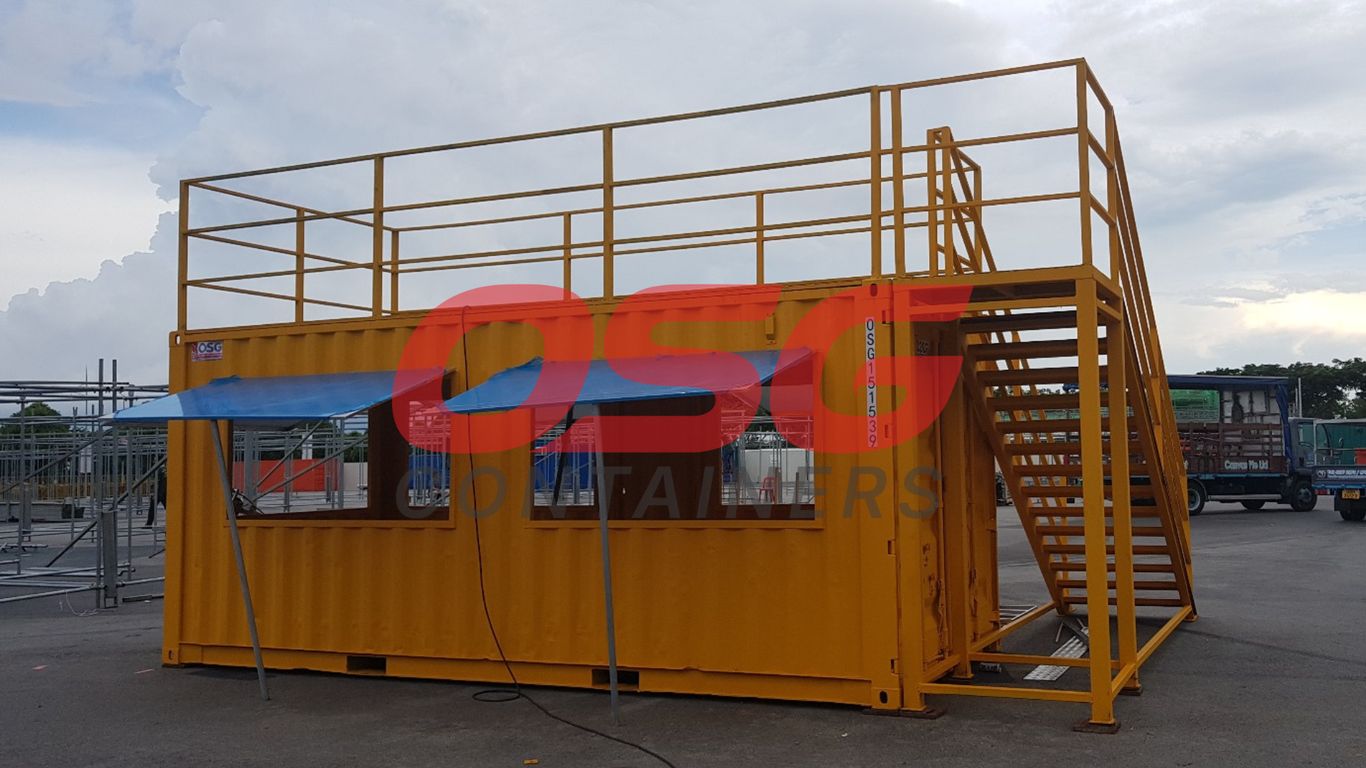
It might surprise you, but these containers can become functional workspaces. With a few changes, like adding windows, doors, and insulation, you can create a basic container office. This is super handy for construction managers on a job site, remote workers needing a dedicated space, or even as a temporary sales office for a new development. They’re easy to move and set up wherever you need a place to work.
Creative Uses For Your 20 Feet Container
So, you’ve got a 20-foot container, or you’re thinking about getting one. Beyond just hauling stuff, these metal boxes are surprisingly adaptable. People are getting really creative with them, turning them into all sorts of useful and interesting spaces. It’s pretty cool how a simple shipping container can be transformed.
Innovative Pop-Up Retail And Cafés
Forget expensive storefronts. A 20-foot container can become a trendy pop-up shop or a cozy café. They’re eye-catching, relatively easy to set up, and can be moved to different locations to catch the best crowds. Imagine a unique coffee stand at a festival or a small boutique popping up in a busy part of town for a few weeks. It’s a fantastic way for small businesses to test the market without a huge commitment.
Functional Workshops And Studios
Got a hobby that needs its own space? Or maybe you’re an artist looking for a dedicated studio? A 20-foot container is a solid choice. They offer a secure, weatherproof environment that you can outfit with tools, workbenches, and storage. Whether you’re into woodworking, pottery, or just need a place to tinker with projects, these containers provide a private and durable workspace. You can really make it your own, adding insulation, lighting, and ventilation to suit your specific needs.
Rapid Deployment Emergency Shelters
In situations where quick shelter is needed, like after a natural disaster, 20-foot containers are a lifesaver. They can be transported and set up relatively fast, offering a sturdy, secure place for people to stay. With some basic modifications, they can provide immediate refuge from the elements. Their robust construction means they can withstand tough conditions, offering a reliable temporary solution when it’s needed most.
Affordable Housing Solutions
This is where things get really interesting. People are increasingly using 20-foot containers as the building blocks for affordable homes. By combining multiple containers and adding insulation, windows, and interior finishes, you can create a compact, modern living space. It’s a more budget-friendly approach to homeownership and can be a great option for accessory dwelling units (ADUs) or even starter homes. The basic structure is already there, saving a lot of time and material costs compared to traditional construction.
Here’s a quick look at what a standard 20-foot container offers:
| Feature | Specification |
|---|---|
| External Length | 20 feet |
| External Width | 8 feet |
| External Height | 8.6 feet |
| Internal Volume | Approx. 1,170 cubic feet |
| Material | Corrugated steel |
| Durability | Weather-resistant, strong |
The adaptability of a 20-foot container means it’s not just for shipping anymore. It’s a versatile base for businesses, creatives, and even those looking for a place to live. The key is understanding how to modify and utilize its inherent strength and structure for your specific project.
Key Considerations When Acquiring A 20 Feet Container
So, you’re thinking about getting a 20-foot container. That’s a solid move, whether it’s for your business or a personal project. But before you hand over any cash, there are a few things you really need to think about. It’s not just about picking one that looks good; you’ve got to make sure it’s the right fit for what you need it to do.
Understanding Dimensions, Weight, And Capacity
First off, let’s talk size. A standard 20-foot container has specific measurements, and knowing these is super important. You don’t want to end up with something that’s too big for your site or too small for your stuff.
| Measurement | Imperial (Feet) | Metric (Meters) |
|---|---|---|
| External Length | 20 | 6.1 |
| External Width | 8 | 2.44 |
| External Height | 8.5 | 2.59 |
| Internal Volume | ~1,170 cu ft | ~33.2 m³ |
Remember, the internal space is a bit less than the external due to the walls. Also, think about the weight. An empty container, called the tare weight, usually sits around 4,850 to 5,500 pounds (2,200 to 2,500 kg). You’ll also need to know its maximum payload capacity, which is typically around 55,000 pounds (25,000 kg). This is all critical for planning where you’ll put it and what you can safely load inside.
Evaluating Structural Integrity And Quality
This is where you really need to look closely. A container’s job is to protect whatever’s inside, so its condition matters a lot. You’re looking for solid steel construction, good welds, and doors that seal up tight. Check for:
- Rust and Corrosion: Surface rust is one thing, but deep pitting or rust holes are big red flags. This can weaken the structure and let water in.
- Dents and Damage: While some minor dents are normal, major structural damage could compromise its integrity.
- Floor Condition: The flooring should be solid, usually made of marine-grade plywood. Check for rot, water damage, or missing sections.
- Door Seals: Make sure the rubber seals around the doors are intact. These are key to keeping out rain and pests.
A container that’s built to ISO international standards is generally a good bet. These standards mean it’s designed to handle the rigors of shipping and storage, so you know it’s built tough.
Assessing Previous Use And Maintenance Records
Most containers you’ll find for sale or rent have been used before. This isn’t necessarily a bad thing, but it means you need to do a little digging.
- What was it used for? Containers that carried dry goods are usually in better shape than those that hauled chemicals or food products that could leave lingering odors or residue.
- Maintenance History: Ask if the container has had any major repairs. While repairs can fix issues, it’s good to know what was done and if it was done well.
- One-Trip vs. Used: "One-trip" containers have only made one journey from the factory and are typically in excellent condition. Older, used containers might have more wear and tear but can be a more budget-friendly option if they’re still structurally sound.
Ensuring Security Features And Weather Resistance
Your container needs to keep your belongings safe and dry. That means checking out the locking mechanisms and how well it stands up to the weather.
- Locking Gear: The doors have locking bars and handles. Make sure these move smoothly and aren’t bent or damaged. You’ll also want to consider adding your own padlock.
- Weatherproofing: Beyond the door seals, check the roof and walls for any small holes or gaps that could let water in during heavy rain or snow.
- Ventilation: Some containers have vents. While they help with airflow, make sure they are secure and can be closed if needed to prevent water entry.
Taking the time to go through these points will help you find a 20-foot container that’s not just a box, but a reliable asset for your needs.
Optimizing Logistics With A 20 Feet Container
When you’re moving goods, whether it’s across town or across the ocean, a 20-foot container can really help make things smoother. These containers are built tough and are a standard size, which makes them super useful for getting your stuff from point A to point B without a lot of fuss.
Cost-Effective Transport For Smaller Shipments
For businesses that don’t have massive amounts of cargo, a 20-foot container is often the sweet spot. You’re not paying for space you don’t need, which can save a good chunk of change on shipping costs. It’s a smart way to handle smaller loads efficiently.
Facilitating Intermodal Shipping
One of the best things about these containers is how easily they can switch between different types of transport. Think trains, trucks, and ships – they all work with standard 20-foot containers. This
Acquiring Your Ideal 20 Feet Container
So, you’ve decided a 20-foot container is the way to go. That’s a solid choice for a lot of projects, whether it’s for storing stuff, setting up a workshop, or even building something unique. But where do you actually get one? It’s not like picking up a loaf of bread. You’ve got a few main paths to consider, and each has its own perks.
Direct Purchase Of New Or Used Containers
Buying a container outright means it’s yours, no questions asked. This is great if you plan on using it for a long time. You can find both brand-new containers, which are pristine and ready for anything, or used ones that have seen some action. Used containers are usually cheaper, but you’ll want to check them over carefully. Look for rust, dents, and make sure the doors still seal up tight. The condition of a used container can vary wildly, so a good inspection is key.
Flexible Rental Agreements For Temporary Needs
If your need for a 20 ft container is temporary – maybe for a construction project that’s only a few months long, or you just need extra storage during a big clear-out – renting makes a lot of sense. You get the space you need without the long-term commitment or the big upfront cost of buying. Rental agreements can be pretty flexible, letting you keep the container for just the time you require. It’s a practical way to handle short-term storage demands.
Exploring Rent-To-Own Programs
This option is kind of a middle ground. You rent the container, and a portion of your rental payments goes towards the purchase price. It’s a good way to ease into ownership if you’re not quite ready to buy but know you’ll likely need the container for a while. These programs often have set payment terms, like 6 to 24 months, and sometimes offer discounts if you pay early. It’s a way to secure your container and work towards owning it without a huge initial investment.
When looking at any container 20 ft option, whether for purchase or rent, always ask about its history. Knowing if it was used for specific types of cargo or if it’s undergone significant repairs can tell you a lot about its remaining lifespan and suitability for your intended use. Don’t be afraid to ask for documentation or maintenance logs if available.
Enhancing Functionality With 20 Feet Container Accessories
So, you’ve got your 20-foot container, and you’re ready to put it to work. Whether it’s for storage, a workshop, or something else entirely, there are a bunch of accessories that can make your life a lot easier and keep your stuff safe. Think of these as the upgrades that turn a basic box into a super useful space.
Essential Accessories For Security And Ease Of Use
Keeping your container secure is a big deal, especially if it’s holding valuable items or sitting on a job site. The most basic thing you’ll want is a good lock. But don’t stop there. A lock box is a smart addition. It’s basically a metal cover that goes over your padlock, making it way harder for someone to cut or tamper with it. It adds an extra layer of protection that’s really worth it.
For getting things in and out, especially heavy stuff, a ramp is a game-changer. You can find different types, from lighter ones for smaller items to heavy-duty steel ramps for machinery or vehicles. It makes a huge difference compared to trying to muscle things up a step.
Modifications For Diverse Functional Needs
Once the security and access are sorted, you can start thinking about how to make the inside work best for you. Shelving and racking systems are super popular for a reason. They let you use the vertical space, keeping things organized and easy to find. No more digging through piles!
- Shelving Brackets: If you need a custom setup, adjustable shelving brackets are great. You can arrange shelves exactly how you want them, fitting odd-shaped items or specific tools.
- Ventilation: Depending on what you’re storing or how you’re using the container, adding vents can be important. This helps with airflow, preventing moisture buildup or stuffiness, which is good for preserving items or making the space more comfortable.
- Lighting: If you plan to work in your container or need to find things easily, some basic lighting is a must. Solar-powered options are available if you don’t have easy access to electricity.
Adding these accessories isn’t just about making the container look better; it’s about making it more practical and secure for whatever job you have in mind. It’s like customizing your toolbox to fit your specific needs.
Here’s a quick look at some common accessories and their benefits:
| Accessory | Primary Benefit |
|---|---|
| Lock Box | Protects padlock from tampering and cutting |
| Heavy-Duty Ramps | Eases loading and unloading of heavy items |
| Adjustable Shelving | Maximizes storage space and organization |
| Vents | Improves airflow, reduces moisture and odors |
| Interior Lighting | Allows visibility for working or finding items |
Wrapping It Up
So, there you have it. These 20-foot containers are pretty handy, aren’t they? Whether you’re moving stuff across the country, need a safe spot for your tools on a job site, or even want to build something a little different, these metal boxes really do the trick. They’re tough, they’re not too big to handle, and they’re a solid choice for a lot of different jobs. It’s kind of amazing how something so simple can be so useful for so many people and businesses. Definitely worth considering if you’ve got a project or a storage need coming up.
Frequently Asked Questions
What are the main uses for a 20-foot container?
Twenty-foot containers are super useful! They’re mostly used for shipping goods all over the world. But people also use them for storing stuff on job sites, as temporary offices, for pop-up shops, and even to build affordable homes or workshops. They’re really adaptable.
Are 20-foot containers strong enough for different weather?
Yes, they are built tough! These containers are usually made of strong steel and are designed to handle rough weather and tough travel. They’re made to keep whatever is inside safe and dry, no matter the conditions.
What are the actual size and storage space of a 20-foot container?
A standard 20-foot container is about 20 feet long, 8 feet wide, and 8.5 feet tall on the outside. Inside, it has a bit less space, giving you around 1,170 cubic feet. That’s enough room to store a lot of things, like furniture, equipment, or even a small car.
Can I buy a used 20-foot container?
Absolutely! You can buy brand new containers, but used ones are also a great option. They’re often cheaper and still work well for many uses, especially for storage or projects where a perfect look isn’t the main goal. Just make sure to check its condition.
Is it cheaper to ship with a 20-foot container than a larger one?
For smaller amounts of stuff, a 20-foot container is usually more cost-effective than a bigger one, like a 40-foot container. It’s a good choice if you don’t have a massive shipment, saving you money on shipping costs.
What should I look for when buying a 20-foot container?
When you’re buying one, check its size and how much it can hold to make sure it fits your needs. Also, look closely at its condition – check for rust, dents, and make sure the doors and locks work well. Knowing if it’s been used before and how it was maintained is also important.