Singapore
 Australia
 Indonesia
 Japan
Japan Malaysia
 New Zealand
 Philippines
 South Korea
 Taiwan
 Thailand
 VIETNAM
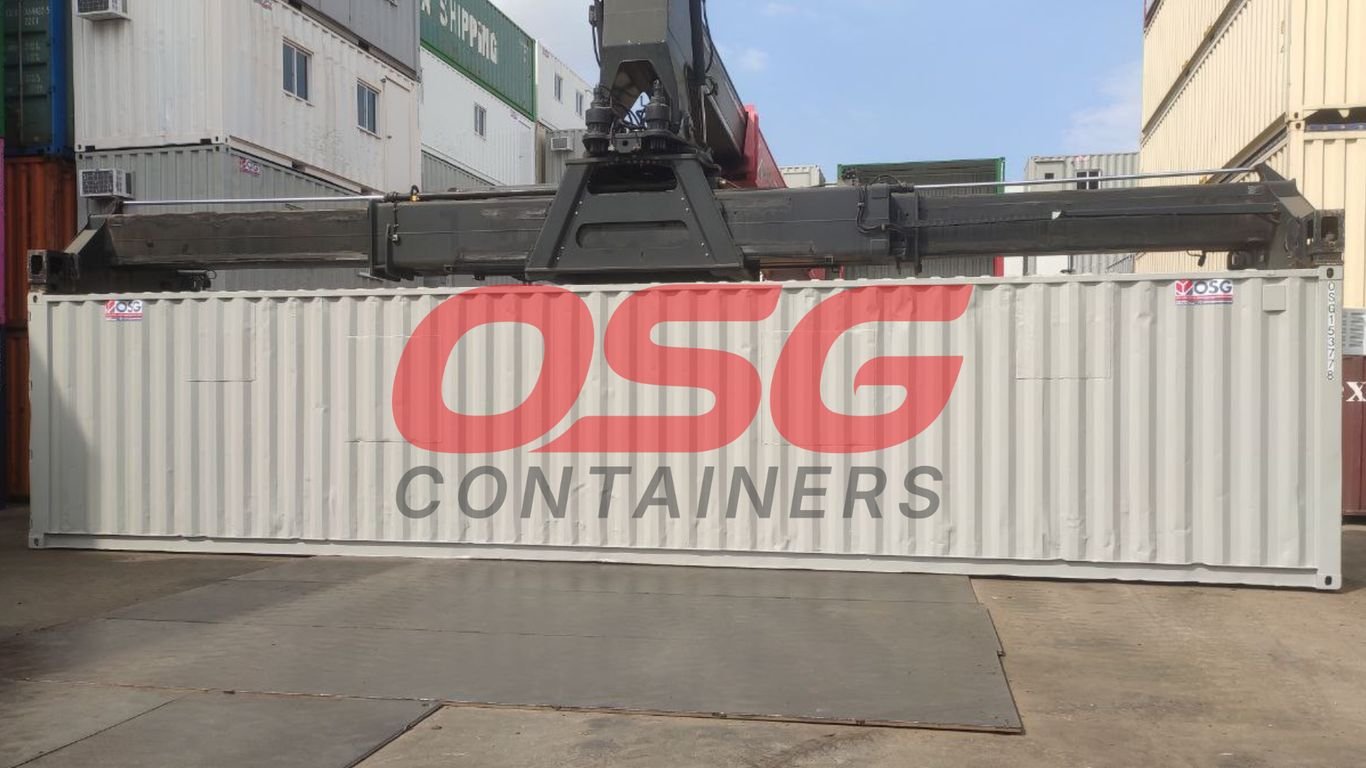
Moving overseas, especially to a place like Singapore, can feel like a huge puzzle. One big piece of that puzzle is figuring out the right shipping container for your stuff. It’s not just about picking a box; it’s about making sure your belongings get there safe and sound, without costing you a fortune or causing a bunch of headaches. This guide is here to help you sort out the whole container rental thing, so you can focus on the exciting part of your new adventure.
Key Takeaways
- Figure out how much stuff you actually have to move. This is the first step in picking the right container size for your container rental.
- Think about how you’ll pack and load. This can save you space and prevent damage during the long journey.
- Understand how long your move will take and if you’ll need storage in Singapore. This affects your container rental plan.
- Compare the costs of different container sizes. Sometimes a bigger container isn’t always more expensive per cubic foot.
- Always factor in extra time for customs and unexpected delays when planning your container rental.
Understanding Your Container Rental Needs
Before you even start looking at specific container for rent options, it’s smart to really think about what you need. This isn’t just about picking a size; it’s about making sure the whole process goes smoothly, especially when you’re dealing with moving things around in a busy place like Singapore. Getting this right from the start saves a lot of headaches later on.
Assessing Shipment Volume and Content Type
How much stuff do you actually have? And what kind of stuff is it? These are the first big questions. If you’re moving a whole house, that’s different from just storing some seasonal inventory for your business. Delicate items might need extra padding or a container that’s in really good shape, maybe even one with some climate control if you’re worried about humidity. Heavy machinery will need a sturdy container, and you’ll want to make sure the floor can handle the weight. It’s not just about fitting everything in; it’s about protecting it.
- Consider the density of your items. Are they mostly light but bulky, or heavy and compact?
- Think about fragility. Do you have items that need special handling or protection from bumps?
- Evaluate the total weight. This impacts not just the container choice but also how it can be delivered and placed.
Considering Packing and Loading Practicalities
Okay, so you’ve got your stuff. Now, how are you going to get it into the container? This is where a lot of people get tripped up. You need to think about the space needed not just for the items themselves, but also for the packing materials and the people doing the loading. If you’re loading by hand, you’ll want doors that are easy to access. If you’re using equipment, you need to make sure there’s enough clearance. The way you pack can seriously affect how much fits and how secure it is during transit.
- Door access: Will you be loading through standard doors, or do you need a container with side doors or even a ramp?
- Loading method: Are you using forklifts, pallet jacks, or just manpower?
- Internal space: Remember to account for aisles or space to move around inside while packing.
Evaluating Transit Time and Storage Requirements
How long do you need the container for? Is this a short-term fix while you renovate, or is it part of a longer international move? The duration of your rental of containers is a big factor in cost. If you need it for just a few weeks, a short-term rental plan makes sense. If it’s going to be months, you might be looking at different pricing structures. Also, where will the container be kept? Will it sit on your property, or do you need a company that offers secure storage for your container rentals? Thinking about these things upfront helps you find the right container for rent that fits your timeline and security needs.
Planning for delivery and placement is just as important as choosing the right container. You need to make sure the truck delivering it has enough space to maneuver and that the ground where it will sit is stable and level. Don’t forget to check if you need any permits for placing a container on your property.
Key Factors Influencing Container Choice
Picking the right container isn’t just about picking a box; it’s about making sure your stuff gets where it needs to go, safely and without costing you an arm and a leg. Several things really matter here, so let’s break them down.
Shipment Volume and Content Type
First off, how much stuff do you actually have? It’s easy to guess wrong. People often think they need less space than they do, or sometimes, they rent a huge container and end up paying for a lot of empty air. It’s a good idea to really go through your belongings. Think about furniture, boxes, appliances – all that stuff adds up quickly in terms of space.
Also, what are you shipping? If you’ve got delicate items like artwork, musical instruments, or antiques, they need extra care. This might mean special packing or even a container with climate control to keep things stable. Some items might also have rules about what you can and can’t ship, or how they need to be handled.
Packing and Loading Practicalities
How you pack and load the container makes a big difference. A well-packed container uses space better, which can save you money. If things aren’t packed right, they can shift around during transit, leading to damage. This is especially true for long trips.
Think about how you’ll get everything into the container. Will you need ramps? How will you secure the items so they don’t move? Professional movers often have tricks to pack things tightly and safely.
Transit Time and Storage Needs in Singapore
Where is this container going, and for how long? If it’s just for a short storage period in Singapore, you might look at different options than if it’s going to be on a ship for weeks.
Consider the delivery. Containers usually arrive on big trucks, and these trucks need space to maneuver and unload. You’ll need to make sure there’s enough room for the truck to get to your location and for the crane to lift the container off.
The ground where the container will sit is important too. It needs to be level and strong enough to hold the weight. A soft or uneven surface can cause problems down the line, like the container tilting or shifting. Always check with the rental company about their site requirements before they deliver.
Here’s a quick look at common container sizes and their typical uses:
- 20ft Container: Good for smaller moves, single-room apartments, or businesses with less inventory. It’s easier to maneuver and often cheaper.
- 40ft Container: Better for larger homes, businesses with significant stock, or when you have bulky items like large furniture or equipment.
- High-Cube Containers (20ft or 40ft): These are taller than standard containers, offering about an extra foot of vertical space. Useful if you have tall items or a lot of boxes stacked high.
Choosing the Right Container Size
Picking the right size container is a big deal when you’re moving or need storage. It’s not just about fitting everything in; it’s also about cost and practicality. You don’t want to pay for a huge container you barely fill, but you also don’t want to be stuck with a container that’s too small and forces you to make multiple trips or leave things behind.
When to Opt for a 20ft Shipping Container
A 20-foot container is a pretty common choice, and for good reason. It’s a solid middle-ground option that works for a lot of different situations. Think of it as the workhorse of container rentals. It’s big enough to hold a good amount of stuff – maybe the contents of a small to medium-sized home, or a decent amount of business inventory. Plus, it’s generally easier to maneuver and place than its larger counterparts, which can be a lifesaver if your access points are a bit tight.
- Ideal for: Small to medium homes, apartment moves, smaller business inventory, or temporary on-site storage for tools and equipment.
- Capacity: Roughly equivalent to a one or two-bedroom apartment’s contents.
- Practicality: Easier to place in tighter spots compared to a 40ft container.
When a 40ft Shipping Container Is More Practical
Now, if you’ve got a lot more stuff, a 40-foot container might be your best bet. This is the big kahuna. It’s perfect for larger homes, significant business relocations, or when you need to store bulky items or a lot of equipment. Keep in mind, though, that these giants need more space for delivery and placement. The truck and crane need a good amount of room to operate safely, so make sure you’ve got the space cleared.
- Ideal for: Larger homes (3+ bedrooms), extensive business inventory, storing large machinery, or long-term storage needs.
- Capacity: Can hold the contents of a large house or a significant amount of commercial goods.
- Considerations: Requires more space for delivery and placement; often more expensive than a 20ft container.
Cost Comparison and Pricing Transparency
When you’re looking at container sizes, price is obviously a factor. Generally, a 40ft container will cost more to rent than a 20ft one, both for the rental fee itself and potentially for delivery. It’s not just the sticker price, though. Think about the total cost. If you cram too much into a 20ft container and have to rent it for longer, or pay for extra services, it might end up costing more than just getting the 40ft from the start. Always ask for a clear breakdown of all costs involved – rental, delivery, pickup, and any potential fees for damage or extended use. Transparency here is key to avoiding surprises.
| Container Size | Approximate Internal Volume (cu ft) | Typical Use Case | Estimated Monthly Rental (SGD) |
|---|---|---|---|
| 20ft | ~1170 | Small/Medium Home | 150 – 250 |
| 40ft | ~2390 | Large Home/Business | 250 – 400 |
| 40ft High-Cube | ~2700 | Bulky Items/Extra Height | 300 – 450 |
Always measure your belongings and compare them to the internal dimensions of the containers. It’s better to have a little extra space than to be short on room. Also, consider the weight of your items, as some containers have weight limits.
The Impact of Container Rental on Moving Costs
So, you’re thinking about renting a shipping container for your move, maybe even to Singapore. It’s a big decision, and naturally, you’re wondering how it’s going to hit your wallet. The container itself is just one piece of the puzzle, and honestly, it can add up faster than you might expect if you’re not careful.
How Shipping Containers Impact Your Total Moving Cost
The size of the container you pick is a pretty big deal. If you go too big, you’re paying for space you don’t even use. On the flip side, trying to cram too much into a container that’s too small can lead to damage or needing a second container, which doubles up costs. It’s a balancing act. Then there’s the actual rental fee, which can be daily, weekly, or monthly. Don’t forget about the extras that companies often tack on.
- Delivery and Pickup Fees: This is often a significant chunk. Companies need special trucks, sometimes with cranes, to get the container to your location and then take it away. These fees can easily run into hundreds, sometimes over a thousand dollars, depending on how tricky the placement is.
- Placement Costs: If your driveway is tight or you need the container in a specific spot, you might need extra equipment or more time from the crew, which means more money.
- Rental Duration: The longer you keep the container, the more you pay in rental fees. Simple as that.
- Insurance: You’ll want to make sure the container and your belongings are covered. This might be an added cost.
The initial quote might look okay, but always ask for a full breakdown. Delivery, placement, pickup, taxes, and any potential fees for exceeding time limits can really change the final number.
Understanding Storage Duration and Associated Fees
This is where things can get sneaky. International moves, especially to places like Singapore, often involve waiting periods. Your container might sit at the port for a while, or there could be delays in transit. Most rental agreements give you a few free days for loading and unloading, but after that, you start racking up demurrage fees. These are daily charges that can become a serious expense if your move timeline gets stretched out.
- Demurrage: Fees charged for keeping a shipping container at the port beyond the allotted free time. This applies both at the origin and destination ports.
- Detention: Similar to demurrage, but this applies when you keep the container longer than agreed upon after it has been delivered to your site.
- Extended Rental: If your move takes longer than planned, you’ll simply continue paying the standard rental rate, which adds up over weeks or months.
Variations in Container Types and Their Costs
Not all containers are created equal, and this affects the price. A standard dry container is usually the most common and cost-effective for general household goods. But what if you’re moving sensitive electronics, artwork, or temperature-controlled items? You might need a specialized container.
- Standard Dry Containers: Good for most general items. Available in sizes like 20ft and 40ft.
- High-Cube Containers: These offer extra height, giving you more vertical space. They cost a bit more than standard ones.
- Refrigerated Containers (Reefers): If you’re moving anything that needs temperature control, these are a must, but they come with a significantly higher price tag due to the refrigeration unit and power requirements.
- Open-Top or Flat Rack Containers: Used for oversized or awkwardly shaped items that won’t fit through standard doors. These are also more expensive.
Choosing the right container type upfront, based on what you’re actually moving, can save you a lot of headaches and money down the line. It’s always better to get advice on this before you commit to a rental.
Navigating Logistics and Timelines
Timing is a Critical Component for Container Rental
When you’re planning to ship a container to Singapore, getting the timing right is super important. Booking your container ahead of time is a good idea, especially if you’re moving during busy periods. Think of it like booking flights for the holidays – prices go up and availability drops. Booking early helps you get better rates and gives you some wiggle room if your plans need a little adjustment. Depending on where you’re shipping from in the US, transit times can really differ. For example, moves from the East Coast, like New York, usually take longer to reach Singapore than those from the West Coast, say California. Knowing these differences helps you set a realistic schedule and avoid that last-minute panic.
It’s also smart to add some extra days to your timeline for things like customs checks and getting your stuff from the port to its final spot in Singapore. Even when everything goes smoothly, unexpected delays can pop up. Having a bit of buffer time means your belongings won’t get stuck, saving you money on storage fees and a whole lot of hassle.
Packing and Preparation Tips for Efficiency
Before you even think about booking a container, take a good look at what you actually need to move. Decluttering is your best friend here. The less stuff you have, the smaller the container you might need, or you might avoid needing a second one altogether. Seriously, go through your things and decide what you can donate, sell, or just give away. It saves you money and makes the whole process simpler.
Once you know what’s going, label everything clearly. Make a list of what’s in each box. This might sound like a lot of work, but it makes clearing customs way faster and makes unpacking a breeze when you get to Singapore. Plus, it cuts down the chances of things getting lost.
Preparing for Arrival in Singapore
Getting your container to Singapore is one thing, but what happens when it arrives? You need to have a plan for picking it up and getting it to your new place or a storage facility. It’s best to schedule a delivery time that works for you and also consider how you’ll get it from the port. Singapore has different storage options if your new home isn’t quite ready for your belongings. Picking the right storage spot can save you money and keep your stuff safe. It’s good to have a mover who knows the local storage places in Singapore.
Coordinating pickup and delivery upon arrival is often overlooked but can significantly impact the smoothness of your relocation. It’s vital to schedule a reliable delivery window to your new residence or storage facility. Planning ahead with your mover ensures you avoid last-minute storage costs that often catch customers off guard.
Making an Informed Container Rental Decision
Why a Shipping Container Is Critical for International Moves
When you’re planning a move, especially an international one, figuring out the best way to transport your belongings is a big deal. A shipping container isn’t just a box; it’s a secure, standardized unit designed to protect your items during long journeys. For international moves, using a proper shipping container is pretty much a must. They’re built tough to handle rough seas, different climates, and the general wear and tear of global transit. Without one, your stuff could get damaged, lost, or even held up by customs. It’s the backbone of making sure your possessions arrive at their new home in Singapore, or wherever else, in one piece.
Common Types of Shipping Containers for Personal Storage
Not all containers are created equal, especially when you’re looking for a container for rental. For personal storage or moving, you’ll most likely encounter a few standard types:
- Standard Dry Containers: These are your everyday workhorses. They come in 20-foot and 40-foot lengths and are great for most general cargo, furniture, and household goods. They’re sealed tight and offer good protection.
- High-Cube Containers: Think of these as the taller cousins of standard containers. They offer about an extra foot of vertical space, which can be a lifesaver if you have bulky items or just a lot to pack. They also come in 20-foot and 40-foot sizes.
- Refrigerated Containers (Reefers): While less common for personal moves unless you’re transporting specific items like sensitive equipment or certain food products, these have built-in climate control. For most people, they’re overkill.
How Shipping Containers Impact Your Total Moving Cost
So, how does renting a container actually affect your budget? It’s more than just the rental fee itself. You’ve got to consider a few things:
- Rental Duration: The longer you keep the container, the more you pay. Short-term rentals are cheaper per month than long-term ones, but if you need it for over a year, buying might eventually make more sense. Always check the rental company’s terms for extensions or early returns.
- Delivery and Pickup Fees: Most companies charge for dropping off the container at your location and picking it up. These fees can vary based on distance and the complexity of the site.
- Storage and Handling: If you need the container stored at the rental company’s yard before delivery or after pickup, there will be additional charges. Also, remember that moving a container, especially a loaded one, requires special equipment like a crane or a heavy-duty truck, which adds to the cost.
When you’re comparing prices for a container for rental, make sure you get a full breakdown of all potential costs. Don’t just look at the monthly rate. Ask about delivery, pickup, any taxes, and potential fees for damage or late returns. Getting everything in writing upfront can save you a lot of headaches and unexpected expenses down the line.
Regulatory and Logistical Considerations
When you’re getting a shipping container ready for a move to or from Singapore, there’s more to think about than just the container itself. You’ve got to deal with rules and how things actually get done on the ground. It’s not always straightforward, and getting it wrong can cause delays or extra costs.
Understanding Regulatory and Logistical Considerations
First off, where you plan to put the container matters a lot. If it’s going on public land, like a street, you’ll likely need permits from the local authorities. These permits often come with rules about how long it can stay there and what safety measures you need to put in place, like warning signs. Even on private property, there might be limits on how long you can keep a container, sometimes just a few months. It’s a good idea to check with your local council or landlord way before you even rent the container.
Logistics involve the actual movement and placement. The truck delivering the container needs a good amount of space to maneuver and unload. We’re talking about needing a clear path, enough room to turn, and a solid surface that can handle the weight. If the delivery spot is tricky, like a narrow street or a place with overhead wires, you need to tell the rental company upfront. They might have specific trucks or need more time to figure out how to get it there safely.
Coordinating with Port Authorities and Customs Brokers
If your container is coming into or leaving Singapore by sea, you’ll be dealing with port authorities. They have their own set of rules and schedules for when containers can be loaded or unloaded. You’ll also likely need a customs broker. These are the folks who know all the ins and outs of import and export paperwork. They help make sure your container doesn’t get held up because of missing documents or incorrect declarations. Working with a good broker can save you a lot of headaches and keep your move on track.
Ensuring Efficient Customs Clearance
Customs clearance is where your container gets officially checked as it enters or leaves a country. To make this process smooth, you need all your paperwork in order. This includes things like the bill of lading, a detailed inventory of everything inside the container, and any invoices or permits required. If you’re moving personal belongings, you’ll need to declare them accurately. For commercial goods, there are specific classifications and duties to consider. Having a customs broker handle this is often the best way to avoid unexpected delays or fines. They know what Singaporean customs officials are looking for and can prepare everything correctly. It’s all about being prepared and having the right information ready to go.
Here’s a quick look at what might be needed:
- Permits: Local council permits for street placement, if applicable.
- Documentation: Bill of lading, detailed inventory list, proof of ownership.
- Declarations: Accurate listing of all contents, including any restricted or dutiable items.
- Fees: Payment of any applicable customs duties, taxes, or port fees.
The physical space needed for container delivery is often underestimated. Think about not just the container’s footprint, but also the space the delivery truck needs to operate. This includes the truck’s length, width, and the radius required for its crane to lift and place the container. Obstructions like trees, power lines, or narrow driveways can turn a simple delivery into a complex logistical challenge.
Wrapping Up Your Container Choice
So, picking the right shipping container in Singapore really boils down to what you’re moving and how long you need it for. It’s not just about grabbing the biggest box; it’s about matching the container size to your stuff and your budget. Whether you need a quick solution for a few months or a longer-term plan for a big move, thinking it through beforehand saves a lot of hassle and money down the road. Don’t rush the decision – take a good look at your needs, compare your options, and you’ll find the perfect fit for your storage needs.
Frequently Asked Questions
How do I know if I need a 20ft or 40ft container?
Think about how much stuff you have. If it’s just the essentials for one or two people, a 20ft container is usually enough and saves you money. If you’re moving a whole family’s worth of furniture and belongings, a 40ft container will likely be the better, more practical choice to fit everything without cramming.
What’s the biggest cost factor when renting a container?
The main costs come from the size of the container you choose and how long you need it. Renting a bigger container than you need costs more. Also, if your container sits around longer than expected, you might have to pay extra fees, especially at the ports. Planning your move carefully helps avoid these extra costs.
How long does it take for a container to get to Singapore?
The time it takes can change a lot. If your container ships from the West Coast of the USA, like California, it might get to Singapore faster than if it ships from the East Coast, like New York. It’s always a good idea to add some extra time for unexpected delays, like customs checks.
Do I need to worry about packing my stuff carefully?
Absolutely! Packing well is super important. It makes sure your items don’t get damaged during the long journey. Good packing also helps fit more into your container, which can save you money. Companies that help with moving can give you tips on how to pack things safely.
What are the ‘hidden’ costs I should watch out for?
Besides the rental fee, watch out for charges like loading and unloading the container, port fees, and especially ‘demurrage’ fees if your container is held up too long at the port. Sometimes, special handling for fragile items can also add to the cost. Being clear about all fees upfront is key.
Why is using a shipping container important for moving overseas?
A shipping container is like a strong, safe box for all your belongings when they travel across the ocean. It protects your things from weather, bumps, and even theft. It also acts as your storage, making the whole process of packing, moving, and holding your stuff much simpler and often cheaper than other methods.