Singapore
 Australia
 Indonesia
 Japan
Japan Malaysia
 New Zealand
 Philippines
 South Korea
 Taiwan
 Thailand
 VIETNAM
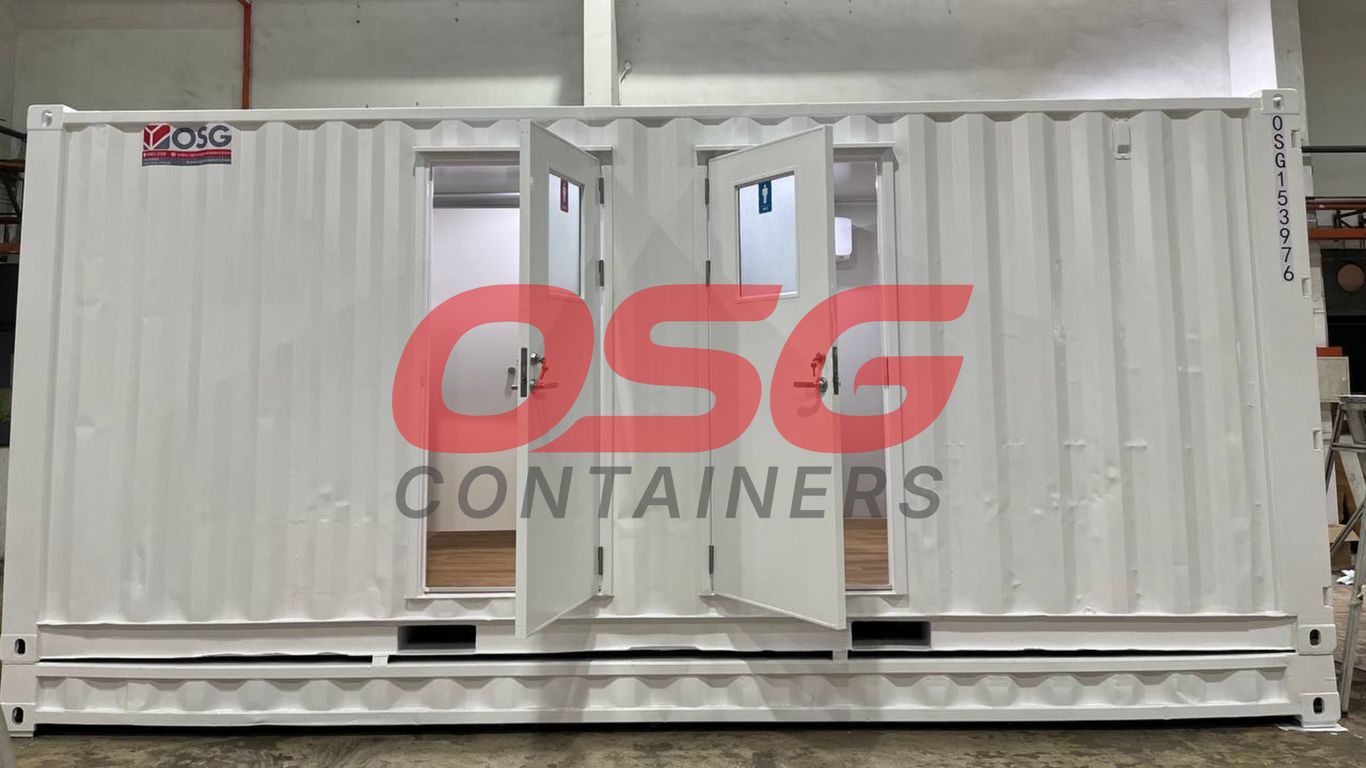
So, you’ve probably seen those big metal boxes on trucks and trains, right? Those are often iso tanks, and they’re pretty important for moving stuff around, especially liquids and gases. Think of them as super-tough, standardized containers designed for a whole range of things, from chemicals to food. This guide is going to break down what an iso tank is, why they’re used so much, and what you need to know about keeping things safe.
Key Takeaways
- An iso tank is a standardized intermodal container built for transporting bulk liquids and gases safely and efficiently across different modes of transport.
- These tanks are crucial in industries like chemical, petrochemical, food and beverage, and pharmaceuticals due to their reliability and containment capabilities.
- Using iso tanks offers significant cost savings in shipping, improves operational efficiency by simplifying transfers, and has environmental benefits compared to other transport methods.
- Strict international standards and regulations govern the design, construction, inspection, and maintenance of iso tanks to ensure safety and compliance.
- Future trends in iso tank technology include smart monitoring with IoT, advanced materials, and increased focus on sustainability and digital management systems.
Understanding The Versatile Iso Tank
What is an Iso Tank?
An ISO tank, short for International Organization for Standardization tank, is basically a standardized intermodal container designed for transporting liquids, gases, and powders in bulk. Think of it as a big, robust metal box that can be moved around the world using ships, trains, and trucks without needing to unload the cargo. These tanks are built to strict international standards, making them incredibly safe and efficient for moving large quantities of goods. They come in various sizes, but the most common ones are 20-foot long, fitting perfectly into standard shipping container chassis.
The Evolution of Standardized Containers
Before ISO tanks became common, moving bulk liquids and gases was a real hassle. It often involved specialized rail cars, trucks, or smaller drums and barrels, which were inefficient and prone to leaks. The development of standardized shipping containers in the mid-20th century revolutionized logistics, and the ISO tank is a direct result of that innovation. By creating a container that could be easily transferred between different modes of transport – from a ship to a train to a truck – the ISO tank drastically cut down on handling time, costs, and the risk of spills. It’s a prime example of how standardization can simplify complex global supply chains.
Key Features of Iso Tanks
ISO tanks aren’t just simple metal boxes; they’re engineered for specific purposes. Here are some of their main features:
- Construction Materials: Most are made from stainless steel, which is great for resisting corrosion and handling a wide range of chemicals. Some might have special coatings or be made from different alloys depending on what they’re carrying.
- Pressure Ratings: They are designed to handle specific pressure levels, whether they’re carrying liquids at atmospheric pressure or gases that need to be kept under pressure.
- Safety Features: You’ll find things like pressure relief valves, rupture discs, and secure locking mechanisms to prevent accidental opening. They also have specific lifting points and stacking features that align with standard container handling equipment.
- Insulation and Heating/Cooling: For temperature-sensitive products, some ISO tanks come with insulation jackets or even built-in heating or cooling systems to maintain the cargo’s required temperature during transit.
- Valves and Connections: They have specialized valves and connection points for filling and discharging the cargo safely and efficiently. The design of these is critical for preventing leaks and contamination.
The design and construction of ISO tanks are governed by a complex set of international rules and regulations. These aren’t just suggestions; they are mandatory requirements set by bodies like the International Maritime Organization (IMO) and national regulatory agencies. Adhering to these standards is non-negotiable for ensuring the safe transport of potentially hazardous materials across borders and continents. This rigorous oversight is what makes the global trade of bulk liquids and gases possible on such a large scale.
Applications and Industries Relying On Iso Tanks
Transporting Bulk Liquids and Gases
Iso tanks are absolute workhorses when it comes to moving large quantities of liquids and gases around the globe. Think about it – instead of dealing with a bunch of smaller drums or containers, you’ve got one big, sturdy tank that can handle a lot more product. This makes shipping way more efficient, especially for things like:
- Chemicals: From basic industrial chemicals to specialized solvents, iso tanks keep them contained and safe during transit.
- Petroleum Products: Fuels, oils, and other refined products are commonly transported in these tanks.
- Food-Grade Liquids: Think juices, edible oils, wine, and even milk – specialized iso tanks ensure these products stay pure and uncontaminated.
- Gases: Liquefied gases like propane, ammonia, and even industrial gases such as nitrogen and oxygen are transported under pressure in specially designed iso tanks.
The ability to transport these diverse materials safely and efficiently is a major reason iso tanks are so popular.
Chemical and Petrochemical Sector Uses
This sector is probably one of the biggest users of iso tanks. They’re used for everything from raw material transport to finished product distribution. Imagine a chemical plant needing a steady supply of a specific acid or solvent; an iso tank can deliver that reliably. Likewise, when a plant produces a bulk chemical, it needs a way to get it to customers, and iso tanks are the go-to for that. They’re built tough to handle corrosive substances and often come with special linings or materials to prevent reactions.
Handling hazardous materials requires strict protocols. Iso tanks are designed with safety features like pressure relief valves and robust construction to minimize risks during transport and handling. This containment is key for environmental protection and worker safety.
Food and Beverage Industry Applications
It’s not just chemicals! The food and beverage industry relies heavily on iso tanks too, but with a different set of requirements. These tanks are made from food-grade stainless steel and are meticulously cleaned and sterilized to prevent any contamination. They’re used for:
- Transporting bulk ingredients like vegetable oils, syrups, and liquid sweeteners.
- Moving finished products such as wine, beer, spirits, and fruit juices between production facilities or to distribution centers.
- Carrying dairy products like milk and liquid cream.
Pharmaceutical and Healthcare Logistics
In the pharmaceutical and healthcare world, precision and purity are everything. Iso tanks play a role here too, though often for specific raw materials or specialized liquids used in manufacturing. Think about transporting high-purity water, certain solvents, or even bulk active pharmaceutical ingredients (APIs) that need to be kept under controlled conditions. The stringent quality control and traceability required in this sector mean that the tanks used must meet very high standards, often involving specialized cleaning and handling procedures.
Benefits of Utilizing Iso Tanks
So, why are these big metal boxes so popular? It turns out, using iso tanks for shipping stuff, especially liquids and gases, makes a lot of sense for a bunch of reasons. They’re not just fancy containers; they actually save companies a good chunk of change and make the whole process run smoother.
Cost Efficiencies in Shipping
One of the biggest draws of iso tanks is how they cut down on shipping costs. Think about it: instead of using lots of smaller drums or IBCs (intermediate bulk containers), you’re moving one big load. This means fewer handling steps, less paperwork, and less labor involved. Plus, because they’re standardized, they fit perfectly onto ships, trains, and trucks, maximizing space and minimizing empty miles. This efficiency really adds up, especially for international shipments where every bit of savings counts.
Enhanced Operational Efficiency
Beyond just saving money, iso tanks really speed things up. They’re designed for quick loading and unloading. You can connect them directly to pipelines or use specialized equipment to transfer your product without a fuss. This means less time spent at the port or terminal, getting your goods moving faster. It also reduces the risk of product loss or contamination during transfers, which is a big deal when you’re dealing with sensitive materials.
Environmental Advantages of Intermodal Transport
Using iso tanks is also a win for the planet. They’re a key part of intermodal transport, which means your cargo can switch between ships, trains, and trucks without being re-packaged. Trains and ships are way more fuel-efficient than trucks for long distances. So, by using iso tanks and intermodal options, companies can significantly cut down on their carbon footprint. It’s a pretty smart way to move goods while being a bit kinder to the environment.
Improved Cargo Safety and Security
Safety is obviously a huge concern when you’re moving chemicals, food products, or other bulk materials. Iso tanks are built tough, usually from stainless steel, and are designed to withstand significant pressure and temperature changes. They have built-in safety features to prevent leaks and spills. This robust construction means your cargo is much safer during transit compared to being in multiple smaller containers that could get damaged or tampered with. It gives everyone involved a lot more peace of mind.
When you look at the whole picture – from the initial loading to the final delivery – the design and standardization of iso tanks contribute to a more secure and controlled journey for your product. This reduces the chances of accidents and keeps the product quality intact.
Safety and Regulatory Compliance for Iso Tanks
Adherence to International Standards
When you’re dealing with iso tanks, especially for moving stuff like chemicals or food across borders, there are a bunch of rules and standards you just have to follow. It’s not really optional if you want to do business legally and safely. Think of it like getting a driver’s license – you need to know the rules of the road. For iso tanks, these rules are set by international bodies to make sure everyone is on the same page, no matter where the tank is coming from or going to. This helps prevent accidents and makes sure the cargo arrives in good condition.
- ISO Standards: The big one is the ISO (International Organization for Standardization) itself. They have standards like ISO 668 for the dimensions and ratings of freight containers, which iso tanks fall under. Then there are specific standards for the tanks themselves, like ISO 1496, which covers the technical specifications for different types of freight containers, including those for liquids and gases.
- IMDG Code: If you’re shipping dangerous goods by sea, the International Maritime Dangerous Goods (IMDG) Code is your go-to. It details how to pack, label, and transport hazardous materials, and iso tanks carrying these substances must meet its strict requirements.
- ADR/RID: For road and rail transport in Europe, you’ll be looking at the ADR (European Agreement concerning the International Carriage of Dangerous Goods by Road) and RID (Regulations concerning the International Carriage of Dangerous Goods by Rail) agreements. These cover the design, construction, and testing of tanks used for transporting dangerous goods on land.
Regulatory Frameworks Governing Iso Tanks
Beyond the general international standards, there are specific regulatory frameworks that dictate how iso tanks are built, used, and maintained. These frameworks are often country-specific or regional, but they all aim for the same goal: safety. These regulations are constantly being updated, so staying informed is key.
- National Regulations: Each country has its own set of rules. For example, in the United States, the Department of Transportation (DOT) has specific requirements for tanks used in transport. In Europe, individual countries will have their own interpretations and additions to the ADR/RID agreements.
- Industry-Specific Rules: Depending on what you’re shipping, there might be additional rules. Food-grade tanks, for instance, need to meet hygiene standards set by bodies like the FDA (Food and Drug Administration) in the US or equivalent organizations elsewhere. Pharmaceutical transport has its own set of stringent guidelines too.
- Classification Societies: For tanks used in maritime transport, classification societies like Lloyd’s Register or DNV GL play a role. They often certify that tanks meet specific design and construction codes, which is important for insurance and operational approval.
Inspection and Maintenance Protocols
Just building a tank to spec isn’t enough. You’ve got to keep it in good shape. Regular checks and maintenance are super important to make sure the tank stays safe and compliant throughout its working life. It’s like getting your car serviced – you don’t just drive it until it breaks down.
- Periodic Inspections: Tanks need regular visual checks for any signs of damage, corrosion, or leaks. These might be done before or after each journey, or on a set schedule.
- Pressure Testing: Depending on the type of tank and what it carries, it will need to undergo pressure tests at set intervals. This checks if the tank can still safely hold the pressure it’s designed for.
- Internal and External Examinations: A more thorough inspection might involve looking inside the tank to check for wear and tear, and a detailed examination of the exterior, including valves and safety devices.
- Record Keeping: It’s vital to keep detailed records of all inspections, maintenance, and repairs. This documentation is often required by regulators and is proof that the tank is being looked after properly.
Risk Management in Iso Tank Operations
Operating iso tanks involves inherent risks, and good risk management is all about identifying these potential problems before they happen and having plans in place to deal with them. It’s about being prepared for the worst-case scenario.
Managing risks with iso tanks means looking at everything from the initial design and construction to how the tank is loaded, transported, and unloaded. It involves understanding the properties of the cargo, the potential environmental hazards, and the human element in operations. A proactive approach to safety and compliance isn’t just about following rules; it’s about protecting people, property, and the planet.
- Cargo Compatibility: Always double-check that the tank material is compatible with the cargo. Putting the wrong chemical in a tank can lead to dangerous reactions or damage to the tank itself.
- Loading and Unloading Procedures: These are critical points where accidents can happen. Having clear, standardized procedures and trained personnel is a must.
- Emergency Response Plans: What happens if there’s a spill or a leak? Having a well-rehearsed emergency plan can make a huge difference in minimizing damage and ensuring safety.
- Training: Ensuring that everyone involved – from designers and manufacturers to operators and drivers – is properly trained on safety procedures and regulatory requirements is probably the most important risk management tool there is.
Innovations and Future Trends in Iso Tank Technology
It feels like every industry is getting smarter, and iso tanks are no exception. We’re seeing some pretty cool advancements that are making these workhorses even better. Think less guesswork, more data, and a lighter footprint on the planet.
Smart Monitoring and IoT Integration
This is a big one. Imagine your tank sending you a text message if something’s not quite right – like a pressure drop or a tiny leak you might not otherwise notice. That’s the idea behind integrating the Internet of Things (IoT) and sensors. These systems can keep an eye on things 24/7, giving operators real-time data on temperature, pressure, and even the fill level. This constant stream of information helps catch problems early, before they become major headaches. It’s like giving your tank a health tracker.
Advanced Material Developments
We’re moving beyond just standard steel. New composite materials, like fiberglass-reinforced plastics (FRP), are showing up more often. They’re lighter, which cuts down on shipping weight and fuel costs, and they’re really good at resisting corrosion. This means tanks can last longer and handle a wider range of chemicals without degrading. Plus, some newer materials are designed to be more easily recycled at the end of their life.
Sustainability in Tank Design
Everyone’s talking about being greener, and iso tanks are part of that conversation. Manufacturers are looking at eco-friendly coatings that reduce volatile organic compound (VOC) emissions. There’s also a push to use more recyclable materials in the tank construction itself. The whole idea of intermodal transport, which iso tanks excel at, is inherently more sustainable than single-mode shipping, cutting down on emissions by moving goods between ships, trains, and trucks more efficiently.
Digitalization and Predictive Maintenance
This ties into the smart monitoring. By collecting all that data from sensors, we can start predicting when a tank might need maintenance. Instead of waiting for something to break, we can schedule repairs proactively. Think of it like getting your car’s oil changed based on mileage and driving conditions, rather than just when the engine starts making a funny noise. This approach minimizes unexpected downtime, which is a huge win for logistics and supply chains.
The future of iso tanks isn’t just about holding stuff; it’s about doing it smarter, safer, and with less impact on the environment. These technological shifts mean fewer accidents, lower operating costs, and a more responsible approach to global trade.
Wrapping It Up
So, we’ve covered quite a bit about ISO tanks, from what they are to why they’re so important in so many industries. They’re not just big metal boxes; they’re pretty sophisticated pieces of equipment that help keep things moving safely and efficiently. We talked about how they’re used for storing and moving all sorts of stuff, from chemicals to food products, and how important it is to get it right. Plus, we touched on how new tech is making them even smarter and safer. Basically, understanding these tanks is a big deal if you’re involved in manufacturing, shipping, or anything that needs reliable containment. They really are a backbone for a lot of what we rely on every day.
Frequently Asked Questions
What exactly is an ISO tank?
An ISO tank is a big, sturdy container, kind of like a giant metal box, designed to safely carry liquids or gases from one place to another. It’s built to strict international rules, making it super reliable for shipping all sorts of stuff, from chemicals to food ingredients.
Why are ISO tanks so important for shipping?
ISO tanks are a game-changer for shipping because they make moving goods easier and cheaper. You can load them up and then move them between trucks, trains, and ships without having to unload and reload the contents. This saves a lot of time and money, and it’s also safer for the stuff inside.
What kinds of things can be shipped in an ISO tank?
You can ship a wide variety of things in ISO tanks! They’re used for everything from dangerous chemicals and fuels to food products like juice and oil, and even special gases. The tank is built to handle whatever it’s carrying safely.
Are ISO tanks safe to use?
Yes, safety is a top priority with ISO tanks. They are made from strong materials and must pass tough inspections to make sure they can handle the pressure and won’t leak. Following international safety rules means they are a very secure way to transport goods.
How do ISO tanks help the environment?
ISO tanks are good for the planet because they help make shipping more efficient. By using fewer trucks and more trains or ships, they cut down on fuel use and pollution. Plus, they are built to last a long time, reducing the need to make new containers all the time.
What happens if an ISO tank needs repair or maintenance?
Just like any equipment, ISO tanks need regular check-ups. They are inspected often to make sure they’re in good shape. If a problem is found, trained professionals fix it according to strict guidelines to ensure the tank remains safe and reliable for future use.