Singapore
 Australia
 Indonesia
 Japan
Japan Malaysia
 New Zealand
 Philippines
 South Korea
 Taiwan
 Thailand
 VIETNAM
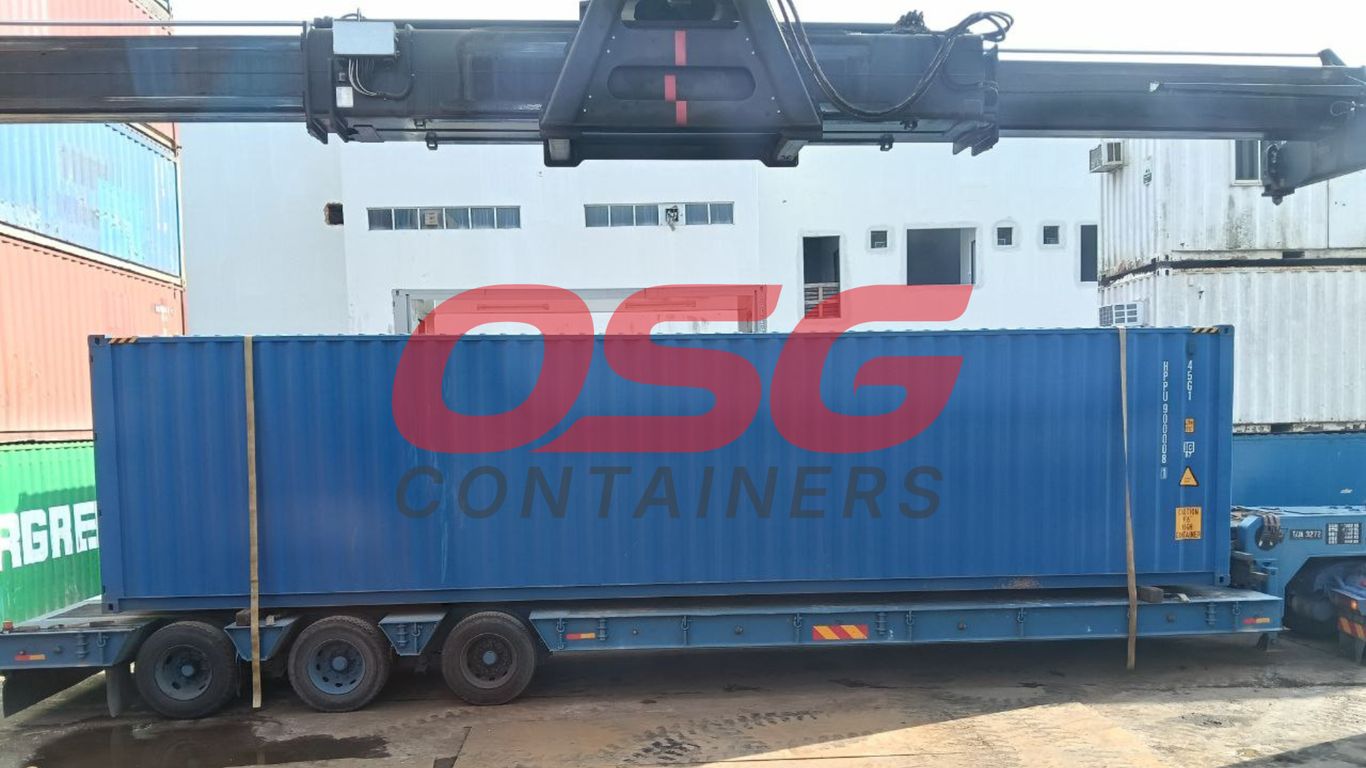
You know, these big metal boxes, the 40ft containers, they’re everywhere. They move so much stuff around the world, and honestly, they’re pretty tough. But it’s not just about shipping anymore. People are doing all sorts of cool things with them, from storing extra inventory to building actual homes. It’s kind of wild how much you can do with a simple, strong container. Let’s break down why they’re so important and what makes them so useful.
Key Takeaways
- A 40ft container is a standard, robust steel box used globally for shipping and storage, measuring about 40 feet long, 8 feet wide, and 8.5 feet high.
- These containers are vital for international trade, carrying a huge portion of goods moved by sea and land.
- Beyond shipping, 40ft containers are super versatile, used for on-site storage, pop-up shops, construction site offices, and even converted into homes and other unique spaces.
- Choosing a 40ft container makes sense because they’re cost-effective, especially for bulk transport, and are built to be super durable and resistant to weather.
- When getting a 40ft container, think about whether a new or used one fits your budget and needs, always check the condition carefully, and plan for how it will be delivered and placed.
The Indispensable 40ft Container in Global Logistics
Understanding 40ft Container Dimensions
When you think about global shipping, one thing probably comes to mind: the big metal boxes. The 40-foot container is the workhorse of this whole operation. It’s not just a box; it’s a standardized unit that makes moving stuff around the world way simpler. These containers are the backbone of international trade, moving about 90% of the world’s goods that aren’t liquids or bulk materials. Knowing their size is pretty important if you’re planning to ship or store anything.
Here are the typical outside measurements:
- Length: 40 feet
- Width: 8 feet
- Height: 8 feet 6 inches
Inside, you get a bit less space, of course. The exact interior dimensions can vary slightly, but generally, you’re looking at around 39.5 feet long, 7.7 feet wide, and 7.9 feet high. This gives you a good amount of room to pack things in.
The Role of 40ft Containers in International Trade
Think about how much stuff gets shipped every single day. From your new phone to the clothes you wear, a lot of it travels in these containers. They’re designed to be stacked high on ships, loaded onto trains, and hauled by trucks without much fuss. This standardization is what makes international trade possible on such a massive scale. It means ports, ships, and transport companies all know exactly what to expect.
The ability to move goods efficiently across borders, oceans, and continents relies heavily on these standardized containers. They simplify customs, reduce handling time, and lower the risk of damage during transit.
Key Features of a 40ft Shipping Container
These aren’t just any old boxes. They’re built tough. Made from strong steel, they’re designed to handle rough weather and the bumps of travel. They’re also pretty secure, usually coming with a place to lock them up tight. Plus, they’re made to be watertight, so your stuff stays dry even if they get caught in a storm at sea.
- Durable Construction: Made from corrugated steel for strength.
- Weatherproof: Designed to protect contents from rain, wind, and salt spray.
- Secure: Often equipped with lockable doors to keep cargo safe.
- Stackable: Built to be stacked securely on top of each other during transport.
- Standardized: Meets ISO standards, making them compatible with global shipping infrastructure.
Versatile Applications of the 40ft Container
Retail and Commercial Storage Solutions
Think about retail businesses, especially those dealing with a lot of inventory or seasonal items. A 40ft container is a game-changer. It’s like having an extra warehouse right on your property, but way cheaper. Retailers use them to stash extra stock, display items that don’t fit in the main store, or even for online order fulfillment. It’s a simple way to manage fluctuating stock levels without needing a permanent building.
These containers are incredibly adaptable. Businesses are finding all sorts of ways to use them beyond just storing stuff. They’re tough, they’re big, and you can put them pretty much anywhere.
Construction Site Storage and Workspaces
For construction sites, keeping tools, materials, and equipment secure and organized is a big deal. A 40ft container does just that. It’s a solid, lockable box that keeps everything safe from weather and theft. Plus, it’s easy to move from one job site to the next as projects change. But it’s not just for storage. Many construction companies turn these containers into on-site offices, break rooms, or even portable restrooms. This saves a ton of hassle and money compared to setting up temporary structures.
- Secure Tool and Material Storage: Protects valuable equipment and supplies.
- On-Site Offices: Provides a functional workspace for project managers and staff.
- Worker Amenities: Can be outfitted as break rooms or sanitation facilities.
- Mobile Workshops: Offers a dedicated space for on-site repairs or fabrication.
Innovative Uses Beyond Traditional Shipping
It’s pretty wild how many different things people are doing with these containers now. Forget just shipping goods; they’re becoming pop-up shops at festivals, temporary classrooms for schools that need more space, or even mobile medical units for remote areas. Some folks are even converting them into homes or art studios. The basic steel box is proving to be a blank canvas for all sorts of creative projects.
| Application Type | Primary Use |
|---|---|
| Retail | Pop-up shops, inventory storage |
| Construction | Site offices, equipment storage |
| Education | Temporary classrooms, storage |
| Healthcare | Mobile clinics, equipment storage |
| Personal | Workshops, studios, extra storage |
Benefits of Choosing a 40ft Container
So, why are these big metal boxes so popular? Honestly, it boils down to a few really solid reasons that make a lot of sense for businesses and individuals alike. They’re not just big; they’re smart.
Cost Efficiency and Value
Let’s talk money first, because that’s usually a big one. When you’re moving a lot of stuff, whether it’s across the ocean or just across town for storage, the 40ft container really shines. You get a ton of space for your buck. Think about it: the cost per cubic foot is way lower than with smaller options. This is especially true if you’re filling the whole thing up – that’s what they call ‘Full Container Load’ shipping, and it’s where you get the best bang for your buck. Plus, if you’re looking to save even more, buying a used container that’s still in good shape can cut down costs significantly without sacrificing much in terms of security or how long it’ll last.
Durability and Weather Resistance
These things are built tough. Seriously, they have to be. They’re made from heavy-duty steel, designed to handle rough seas, crazy weather, and all sorts of bumps along the way. This means whatever you put inside – whether it’s valuable inventory, sensitive equipment, or even your personal belongings – is going to be protected. They’re pretty much watertight and built to keep the elements out, which is a huge relief when you’re relying on them for long-term storage or shipping precious cargo.
Space Efficiency and Portability
It’s kind of obvious, but the sheer amount of space inside a 40ft container is a major plus. You can fit a whole lot in there, which is great for storage needs or when you’re consolidating shipments. But what’s also cool is that even though they’re big, they’re designed to be moved. Ships, trains, trucks – they’re all set up to handle these standard-sized containers. This means you can move your storage solution or your goods pretty easily as your needs change. It’s not like building a permanent structure that’s stuck in one place. You can pick it up and move it, which is a pretty neat trick.
The real beauty of the 40ft container lies in its standardization. Because they all pretty much follow the same rules, they can be handled by ports, ships, and trucks all over the world without much fuss. This global agreement on size and shape is what makes international trade flow so smoothly.
Here’s a quick rundown of why they’re a good choice:
- Massive Storage Capacity: Fits a lot more than you might think.
- Built to Last: Heavy steel construction means they can take a beating.
- Element Protection: Keeps your stuff dry and safe from wind and rain.
- Relatively Easy to Move: Can be transported by various means.
- Cost-Effective: Especially for bulk transport or when buying used.
Transforming Spaces with 40ft Containers
From Cargo to Unique Living Spaces
It’s pretty wild to think about, but those big metal boxes you see stacked up at ports are becoming a real thing for homes. People are taking 40ft containers and turning them into actual houses, and honestly, some of them look pretty cool. It’s a way to get a place that’s maybe more affordable, and it’s definitely a nod to recycling. You can customize them a lot, adding windows, doors, and whatever else you need to make it feel like home. These aren’t just temporary shelters; they’re becoming permanent, stylish residences.
Pop-Up Shops and Event Solutions
Forget renting expensive storefronts for a short time. Businesses are catching on to the idea of using 40ft containers as pop-up shops or event spaces. Imagine a coffee shop, a small boutique, or even an art gallery set up inside a container. They’re easy to move around, so you can set up shop at a festival, a farmer’s market, or just a busy street corner for a few weeks. It’s a great way to test out a new market or create a unique experience for customers without a huge commitment.
Here’s a quick look at what makes them work for events:
- Mobility: Easily transportable to different locations.
- Customization: Can be branded and fitted out to suit the business.
- Cost-Effectiveness: Generally cheaper than traditional retail spaces for short-term use.
- Novelty: Offers a unique and memorable experience for visitors.
Repurposing for Affordable Housing
This is where the 40ft container really shines for many. With housing costs going up, turning these containers into affordable living spaces is a big deal. Architects and builders are getting creative, stacking them, modifying them, and adding all the necessary utilities to create functional homes. It’s a smart way to use existing materials and offer a more accessible housing option for people. It’s not always easy, and there are definitely regulations to figure out, but the potential is huge.
The drive to find practical and budget-friendly housing solutions has led many to look at shipping containers. Their robust structure and standardized size make them a predictable starting point for construction, offering a foundation that can be adapted to various climates and needs with the right modifications.
| Feature | Standard 40ft Container | Converted Home |
|---|---|---|
| Initial Cost | Low | Moderate |
| Construction Time | N/A | Reduced |
| Durability | High | High |
| Insulation Needed | No | Yes |
| Customization Level | Low | High |
Considerations When Acquiring a 40ft Container
So, you’re thinking about getting a 40ft container. That’s a big step, and honestly, it’s not just a simple buy-and-go situation. There are a few things you really need to think about before you hand over any cash. It’s like buying a house, but, you know, a giant metal box. You wouldn’t just pick the first one you see, right?
New Versus Used Container Options
This is probably the first big decision. You’ve got new containers, which are shiny, smell like fresh paint, and haven’t been through the wringer. They’re great because you know exactly what you’re getting – no hidden rust spots or weird smells. However, they come with a higher price tag. On the flip side, used containers, often called ‘one-trip’ or ‘cargo-worthy,’ can save you a good chunk of money. They’ve done their job sailing the seas and are ready for a new life. The trick with used ones is to be extra careful about their condition. You might find a great deal, but you need to inspect it thoroughly.
Assessing Container Condition
This is where you become a bit of a detective. When looking at a used container, you’re checking for a few key things:
- Structural Integrity: Look for major dents, bent corners, or any signs that the steel walls are compromised. A little surface rust is usually okay, but deep rust that eats through the metal? That’s a no-go.
- Watertight and Airtight: This is super important. Open the doors and look inside. Are there any leaks? Check the seals around the doors – they need to be in good shape to keep the weather out. Sometimes, sellers will do a quick spray test, which is a good sign.
- Flooring: Most containers have wooden floors. Check for rot, excessive wear, or damage. You don’t want your stuff sinking through the floor.
- Smell: Seriously, give it a sniff. If it smells like chemicals, mold, or something truly awful, you might want to pass. This can be hard to get rid of later.
When you’re inspecting a used container, bring a flashlight, even on a sunny day. It helps you spot rust, dents, and any other issues hiding in the corners and under the corrugated walls. Don’t be afraid to spend time looking it over.
Delivery and Positioning Logistics
Getting the container to your site is a whole operation. These things are heavy – we’re talking thousands of pounds. You need to make sure the seller can deliver it, and that you have a clear path for the truck. Think about:
- Access: Can a large truck and a crane or forklift get to where you want the container placed? Are there any low-hanging wires or tight turns?
- Ground Preparation: The ground needs to be level and firm. You don’t want the container sinking into the mud or sitting unevenly. Some people put down gravel or concrete pads.
- Cost: Delivery fees can add up quickly, especially if you’re far from the depot. Always get a clear quote for delivery and placement before you agree to anything.
Specialized 40ft Container Solutions
Refrigerated Containers for Perishable Goods
When you’re dealing with things that need to stay cold, like food or certain medicines, a standard 40 ft container just won’t cut it. That’s where refrigerated containers, often called reefer units, come in. These aren’t your typical steel boxes; they’re built with special insulation and a built-in refrigeration system. This means they can maintain a consistent temperature, keeping your sensitive cargo safe and sound, whether it’s a long sea voyage or just sitting on a dock for a bit. They’re a lifesaver for industries that rely on keeping things fresh.
Customization for Specific Needs
Beyond just keeping things cold, the beauty of a 40 footer container is how adaptable it can be. Need a mobile office on a remote job site? Easy. Want to turn one into a pop-up shop for a summer festival? Totally doable. People have even converted them into homes and workshops. You can add windows, doors, insulation, shelving, and even power hookups. It’s all about taking that basic, sturdy structure and making it work exactly how you need it to. Think about a high cube container, which gives you extra vertical space – that can make a big difference for certain projects. And for bulk liquids, there are specialized iso tank containers that fit within the standard container footprint, making them easy to transport.
- Adding windows and doors for access and light.
- Insulating the interior for temperature control and comfort.
- Installing shelving and workbenches for organization and functionality.
- Integrating electrical systems for lighting, heating, or cooling.
The ability to modify these containers means they can serve a purpose far beyond just hauling goods across the ocean. They become functional spaces tailored to individual requirements, offering a practical and often more affordable alternative to traditional construction.
The Enduring Strength of the 40ft Container
So, there you have it. These big metal boxes, the 40-foot containers, are way more than just something you see on a ship or a train. They’re pretty much the backbone of how stuff gets around the world, and honestly, they’re super useful for just about anything you can think of. Need to store a ton of stuff? Got it. Want to build a cool little shop or even a house? Yep, they can do that too. They’re tough, they’re practical, and they’re not going anywhere anytime soon. It’s pretty wild how something so simple can be so important for so many different things.
Frequently Asked Questions
What exactly is a 40ft container and why is it so important?
A 40ft container is basically a big, strong metal box, usually 40 feet long. It’s super important because it’s the main way we move lots of stuff all over the world on ships, trains, and trucks. Think of it as the workhorse of international shopping, making sure goods get from one place to another safely and efficiently.
What are the main measurements of a 40ft container?
A standard 40ft container is about 40 feet long, 8 feet wide, and 8 feet 6 inches tall on the outside. Inside, it’s a little smaller, giving you plenty of room to pack things securely. These standard sizes make them easy to handle and stack during shipping.
Can I use a 40ft container for more than just shipping goods?
Absolutely! People use these containers for all sorts of things. You can turn them into extra storage for your business, set up a cool pop-up shop, create a temporary office on a construction site, or even build unique homes. Their tough design means they can be used almost anywhere.
Are 40ft containers a good deal financially?
Yes, they are often a very smart choice money-wise. Because they are so big, the cost per bit of space is lower than with smaller options. Plus, you can often find used containers that are still in great shape but cost much less than brand new ones, saving you even more cash.
How tough are these containers, really?
These containers are built like tanks! They’re made of strong steel and designed to handle rough weather, like heavy rain, wind, and even salty sea air. This means whatever you put inside is protected from the elements, keeping it safe and sound.
What should I think about if I want to buy a 40ft container?
First, decide if you want a new one or a used one – used ones are cheaper. Check the condition carefully for rust or damage, especially if it’s used. Also, figure out how it will be delivered to you and where it will be placed. Sometimes, you might want to add things like windows or insulation depending on how you plan to use it.