Singapore
 Australia
 Indonesia
 Japan
Japan Malaysia
 New Zealand
 Philippines
 South Korea
 Taiwan
 Thailand
 VIETNAM
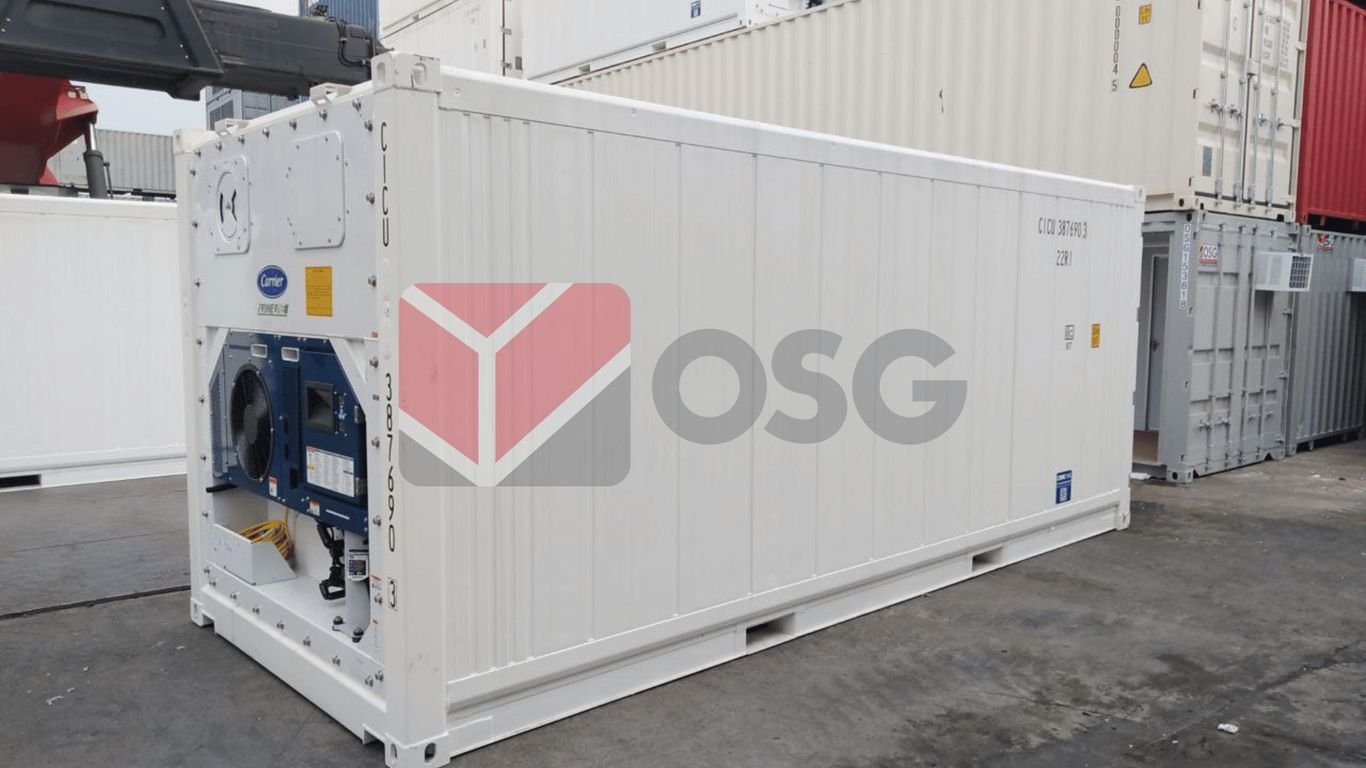
Thinking about renting containers? It’s not something most people do every day, but when you need extra space, a temporary office, or a way to move your stuff, renting a shipping container can be a real lifesaver. But before you sign any contracts, there are a few things you should know. There’s more to it than just picking a size and having it dropped off in your driveway. If you want to avoid extra fees and headaches, a bit of planning goes a long way. Here’s what you should keep in mind before you rent a shipping container.
Key Takeaways
- Figure out exactly why you need the container and how long you’ll need it—short projects and long-term use can mean different rental terms.
- Pick the right size and features for your stuff—don’t just guess, or you might end up with something too small or way too big.
- Always check the condition of the container before it arrives; make sure it’s clean, secure, and can handle weather.
- Understand all the costs, contract details, and any extra fees so you’re not surprised later.
- Check delivery and pickup details—make sure your site is accessible, and see if you need permits or special arrangements.
Assessing Your Purpose for Renting Containers
Before you start researching freight containers for rent, it’s worth pausing to get clear on exactly why you need one. Your particular situation—whether you’re moving, needing storage, or creating a temporary workspace—will dictate the kind of container rental that best fits your needs. If you skip this step, you might end up with something that doesn’t actually work for you, or that costs more than it should.
Short-Term Versus Long-Term Needs
- Short-term rentals make sense if you’re dealing with renovations, quick moves, or seasonal overflow. Many providers offer flexible agreements if you only need a container for a few weeks or months.
- Long-term rentals are better if you have ongoing storage needs or are running a business project that lasts many months or even years. Renting gives you access without the hassle or commitment of ownership, especially for changing projects.
- If you’re not sure how long you’ll need it, renting is safer, since you can extend as needed without having to resell later.
Typical Considerations Table
| Rental Duration | Best For | Notes |
|---|---|---|
| Short-Term | Moving, temporary storage | More flexible, often cheaper upfront |
| Long-Term | Business expansion, ongoing storage | May offer lower monthly rates over time |
Intended Use: Storage, Moving, or Workspace
Freight containers for rent are surprisingly versatile. Here are the most common uses:
- Storage: Great for household decluttering, renovations, or keeping business inventory safe and organized.
- Moving: Many people use containers to pack at their own pace; once ready, the company can move it to your new location.
- Workspace: With customization, containers can become remote offices, workshops, or even pop-up shops (see more about container configurations and versatility on cost-effective storage options).
When you know exactly what you’ll be using your container for, it becomes way easier to ask the right questions and avoid costly mistakes.
Evaluating Flexibility and Future Changes
Think about whether your needs might change during the rental.
- Some container rental companies allow you to swap sizes or upgrade features mid-rental.
- If you’re not sure what size or layout you need, renting lets you try different setups before committing.
- Businesses with fluctuating storage requirements can benefit from the flexibility to add or remove containers as projects expand or wind down.
Clearly defining your intended use upfront will take a lot of guesswork out of the process and help you negotiate terms and features that actually matter for your situation. The bottom line: When looking into renting container options, be specific, plan ahead, and prioritize flexibility for changing circumstances.
Choosing the Right Container Size and Features
Deciding on a shipping container shouldn’t feel like a shot in the dark. Picking the right size and features matters a lot more than you might think, whether you’re storing old couches, moving house, or building a temporary office. Here’s how to get the most out of your rental, without wasting money or space.
Understanding Standard Container Sizes
Container sizes are more straightforward than you’d expect. Typical shipping containers come in just a few common lengths, which cover nearly every project:
| Container Size | Typical Dimensions (L x W x H) | Common Uses |
|---|---|---|
| 10-foot | 10’ x 8’ x 8.5’ | Small moves, tool storage, tight job sites |
| 20-foot | 20’ x 8’ x 8.5’ | Apartment/house moves, construction storage |
| 40-foot | 40’ x 8’ x 8.5’ | Big moves, business storage, workspace builds |
For most folks, a 20-foot container will hold a two-bedroom home, while a 40-footer can fit the contents of a large house—or two smaller homes, if you pack it right. More about common sizes and pricing shows these standard options tend to balance cost and flexibility.
Determining the Capacity You Need
Not sure what size you need? Here are a few steps to make it simple:
- Make a list of everything you’ll store or move.
- Think about your biggest items — sofas and equipment eat up space fast.
- Consider stacking: containers can handle heavy loads, so fill safely from floor to ceiling.
- If you have a lot of small items, try grouping them into boxes first, then measure the boxes.
- When in doubt, size up. It almost always pays off versus renting two small containers.
Sometimes, renting a slightly larger container prevents headaches later if you find last-minute things you want to stash away. It’s better to have a little extra buffer room than to play a frustrating game of Tetris the night before your move.
Considering Additional Features and Modifications
Shipping containers aren’t just empty metal boxes anymore. Depending on your plans, look out for:
- Lockboxes or heavy-duty padlocks for added security.
- Ventilation or insulation, which matters if you’re storing things that don’t love heat or humidity.
- Shelving inside the container for organizing tools and supplies.
- Mild modifications, like lighting or painted interiors, especially if you’re thinking of a workspace.
Some rental companies will let you request modifications if the rental is long-term or if you have special requirements. Remember, the more features you add, the higher the rental cost may be—so weigh what’s actually helpful to you.
When you start narrowing down the choices, don’t forget to ask about both size options and upgrades. If you’re stuck between sizes or features, some companies are happy to walk you through your container rental decision and help you pick what works best.
Inspecting Container Quality and Condition
Checking for Weatherproofing and Durability
Always check that cargo containers are wind and watertight before signing any agreement. A leaky seam or rusted patch may seem small, but it can mean big trouble for whatever you store.
Here’s a quick checklist to keep handy:
- Inspect the roof for standing water, rust spots, or dents.
- Check all door seals and hinges for gaps or cracking.
- Ask about previous repairs and request photos if you can’t inspect in person (inspect the container’s condition visually).
A quick five-minute inspection can save you a headache down the road, especially if your stuff gets exposed to the weather.
Examining for Cleanliness and Interior Condition
It’s easy to overlook the inside of cargo containers, but a clean interior says a lot. Musty smells, standing water, or random debris can mean hidden problems.
- Make sure the floor is solid—look for soft spots or warping.
- Double check for old spills, pests, or chemical residue.
- Open and close the doors several times to check for smooth operation.
| Interior Issue | What It Indicates |
|---|---|
| Warped floor | Water damage or overloading |
| Strong odors | Mold, mildew, or chemicals |
| Debris/pests | Lack of upkeep, possible gaps |
Evaluating Security Features
When looking at cargo containers for rent, door locks and latches matter just as much as the structure itself. A basic padlock might not cut it for storing expensive tools or equipment.
Look for these features before you say yes:
- Heavy-duty lock boxes
- Tamper-proof latch systems
- Reinforced steel doors and hinges
For extra peace of mind, some companies offer add-on security options or upgraded door seals (intact door seals, functional hinges, and locks).
Even if you’re only storing stuff short-term, solid locks and proper maintenance go a long way toward keeping your belongings safe.
Understanding Pricing, Terms, and Contracts
When it comes to renting a shipping container, costs and contract terms will dictate a lot about your experience. If you’re not careful, you might end up paying much more than you expect—or get stuck in a contract that just doesn’t fit your plans. Let’s unpack what you’ll want to check before signing any agreements.
Typical Rental Costs and What’s Included
Rental prices can range from $50 up to $500 per month, depending on size, type, and any custom features you’re after. What’s included in that monthly bill varies, too—sometimes delivery, pickup, or basic security features come bundled, but not always. Here’s a quick table to give you an idea:
| Container Size | Monthly Rent | Common Inclusions |
|---|---|---|
| 10-foot | $50-$110 | Basic lock, ground drop-off |
| 20-foot | $85-$200 | Delivery, pickup, weatherproofing |
| 40-foot | $150-$500 | Delivery, pickup, lockbox |
- Always confirm if the price includes delivery and pickup, or if those cost extra.
- Ask about security upgrades, like thicker lock boxes.
- Double-check if there are fees for things like cleaning or relocating the container.
Unexpected costs can sneak up on you if you assume the quoted price covers everything—don’t be shy about pressing for an itemized breakdown.
Length of Rental and Flexibility in Contracts
Next, consider how long you’ll need the container. Many companies offer discounts for longer rentals, but you’ll need to read the fine print. Here’s what to consider:
- Minimum rental periods (sometimes 1 month, sometimes several)
- Options for extending or shortening your contract
- Whether date changes (especially pickups) come with extra charges
- Easy cancellation—as in, are you stuck paying out the full term?
Choosing a rental provider that supports flexible terms means your agreement can better fit any changing plans. Some companies—including those offering bundled moving options—let you adjust your contract with minimal fuss, which can be really helpful if your project timeline shifts.
Hidden Fees and Upfront Charges to Watch For
Hidden fees are the biggest gripe most renters have, and for good reason. Watch for these:
- Delivery and pickup fees (these can be costly based on your location)
- Administrative charges or paperwork fees
- Cleaning or damage fees on return
- Upgrade or modification charges if you request shelving, paint, or other add-ons
Not every company will be upfront about fees, so make it a point to:
- Get a full written quote before you agree
- Ask for explanations of every charge you see
- Clarify who pays for what if there’s a delay or scheduling hiccup
You’ll find some rental providers prioritize clear pricing and detailed contracts, making it less likely you’ll be hit with nasty surprises.
Even when shopping for the best deal, don’t ignore the fine print. Reading the contract thoroughly can spare you a lot of stress—and money—down the line.
Coordinating Delivery, Placement, and Pickup
Taking care of the delivery, placement, and pickup of your shipping container isn’t always as quick and easy as it sounds. There are some practical steps to follow, and it pays to know what you’re in for ahead of time.
Verifying Site Accessibility and Space Requirements
- Measure the access points leading to your site, including driveways and gates. A typical container truck often needs at least 65 feet of clearance for drop-off.
- Make sure the ground where you want the container placed is level and solid. Soft ground or an incline can make things a hassle.
- Clear the area of debris, branches, or overhead wires to avoid delays or issues for the delivery driver.
Here’s a basic table showing the minimum space needed for standard container deliveries:
| Container Size | Min. Site Length Required | Suggested Clearance Width |
|---|---|---|
| 10 ft | 40 ft | 10 ft |
| 20 ft | 50 ft | 10 ft |
| 40 ft | 70 ft | 12 ft |
If you’re dealing with local delivery requirements or site accessibility, some locations may also have extra rules or fees, so double check before the truck arrives.
Scheduling Delivery and Removal
- Contact your provider ahead of time to set up delivery and pickup. Some companies are flexible if you need to extend your rental.
- Make sure someone is on site to direct the driver—otherwise, you could end up with your container placed in the wrong spot.
- Ask about their time windows for delivery/pickup. Not all companies offer same-day service, especially during busy seasons.
Being organized for delivery and pickup isn’t just about convenience—it can save you money on extra trip charges and wasted time.
Permitting and Local Regulations
- Research if your city or town requires a temporary permit for having a shipping container on your property. Some areas get pretty strict about this.
- Find out how long you’re allowed to keep a container at your location—a lot of neighborhoods have set timeframes.
- Check for any restrictions that might impact your plans, like HOA rules or specific parking ordinances.
Some councils may have extra steps, especially if you’re modifying the container or using it for more than basic storage. For instance, adding insulation or ventilation can mean extra paperwork in a city like Melbourne, according to local council advice.
All in all, handling delivery, placement, and pickup takes a bit of prep work, but once you know what to expect, it’s not something to stress over too much. Just get the details lined up so the process is simple and your container ends up exactly where you want it.
Ensuring Security and Protection of Your Goods
When you’re renting a shipping container, one of your main concerns is probably keeping your stuff safe—nobody wants to open a container and find their things ruined, missing, or exposed to the elements. Making the right choices with security measures right from the start saves a lot of stress down the line. Let’s go over how to really protect what’s inside.
Available Locking Systems and Insurance Options
- Heavy-duty padlocks: Many containers come with lock boxes or latch protectors to cover padlocks, making it almost impossible to cut them off.
- Internal lock mechanisms: Some units include built-in locking rods on doors for an extra layer of protection.
- Insurance: Always ask if the rental company offers short-term insurance or, if they don’t, check your existing property policy to see if container storage is covered.
| Security Feature | Description | Typical Availability |
|---|---|---|
| Lock Box/Latch Guard | Protects padlock from bolt cutters | Often standard |
| High-Security Padlock | Hardened steel, anti-pick design | Optional/Required |
| Alarm System | Motion or door sensors | Rare, custom setup |
| On-site Surveillance | Security camera access | By special arrangement |
Even if you trust your neighborhood, don’t skimp on locks or ignore the offer of insurance. It’s way less trouble to spend a few bucks than to handle a loss after the fact.
Preventing Weather and Pest Damage
- Always check if the container is wind and watertight.
- Inspect all seals and gaskets before loading anything valuable.
- Ask if the unit was treated for pests before delivery. Some companies, like OSG Containers’ quality units, routinely check for water tightness and pest issues before sending containers out.
- Elevate items off the floor using pallets, just in case minor leaks or condensation occur.
- Avoid storing organic materials (like food or untreated wood) unless the unit is ventilated and pest control measures are in place.
Recommendations for Storing Valuables
- Don’t leave valuables loose. Use lockable storage boxes inside for an extra layer.
- Place items least tolerant to humidity or temperature swing in the middle of the container, where air flow is best.
- If you’re storing expensive gear, consider adding a battery-powered motion detector—no electricity needed, but it’ll alert you if the doors open.
- Take photos or keep a list of everything stored for your own peace of mind (and insurance, if needed).
Shipping containers are naturally tough, but what you do with security and storage condition choices can make a huge difference. Thinking ahead, asking the rental company detailed questions, and considering a few practical upgrades always pays off.
Comparing Rental Companies and Customer Service
When you rent a shipping container, the rental company you pick impacts everything—quality, speed, costs, and your own sanity. Not all rental agencies treat customers or equipment the same, so you’ll want to pick carefully. Let’s look at the best ways to figure out which one deserves your business.
Assessing Reputation and Reviews
Word travels fast, both good and bad. Before signing anything, research what other renters say about a company. Try these steps:
- Check independent review sites, not just testimonials on the company’s homepage.
- Look out for recurring issues in recent feedback, like damaged containers or late deliveries.
- Ask friends or people in your industry who’ve rented before. Sometimes the best info is word-of-mouth.
| Company Name | Customer Rating | Main Complaints | Notable Praise |
|---|---|---|---|
| ShipRent Co. | 4.6/5 | Slow pickup, hidden fees | Fast support |
| StoragePros | 4.1/5 | Dirty containers | Clear contracts |
| FlexiBox | 4.8/5 | Rare stock issues | Friendly service |
A little digging on company reputation now can keep you from dealing with headaches, delays, or surprise costs later.
Evaluating Customer Support and Responsiveness
You won’t know how responsive a company is until you’re in the thick of a problem. But there are signs:
- Give them a call or send an email—how long does it take to get a straight answer?
- Companies that offer after-hours support are great if you run into a snag outside regular business times.
- Ask if there’s a dedicated rep or contact person during your rental.
Sometimes, choosing a rental over purchasing also means getting better support for maintenance or repairs, as most companies take care of these issues for you—renting containers is cost-effective and less hassle up front.
Comparing Service Packages and Extras
Shipping container rental isn’t a one-size-fits-all deal. Here’s what to look at:
- Does the company include delivery and pickup, or are those extra charges?
- Are container upgrades, like extra locks or interior shelves, available?
- Do they offer discounts for longer-term rentals or multiple containers?
A good rental company should be upfront about costs and extras, and willing to tailor a package to your situation.
When weighing your options, don’t be shy about asking tough questions. Get everything in writing so there are no surprises when the bill lands in your inbox.
Check reputation, ask questions, and look beyond just prices—customer service and flexible programs can make a huge difference when things don’t go as planned.
Conclusion
So, that’s the rundown on renting a shipping container. It’s not something most of us do every day, but when you need extra space or a flexible moving option, it can really come in handy. Just remember to think about what size you need, how long you’ll use it, and what kind of access or security you want. Don’t be shy about asking the rental company lots of questions—better to get clear answers now than deal with surprises later. And always double-check the fine print, especially around delivery, pickup, and any extra fees. Renting a shipping container doesn’t have to be complicated, but a little planning goes a long way. Good luck with your project, and here’s hoping your container experience is smooth and stress-free!
Frequently Asked Questions
How do I pick the right size shipping container for my needs?
Think about what you want to store or move. Small containers, like 10-foot ones, work for a few boxes or a small apartment. If you have more stuff, like from a two- or three-bedroom house, a 20-foot or even 40-foot container might be better. Always ask the rental company for advice if you aren’t sure.
Are shipping containers weatherproof and safe from rain or snow?
Most rental containers are made to keep out rain and snow. They are built from strong steel and have tight doors to keep your things dry. Still, it’s smart to check the container for any holes or rust before you rent it.
Can I add shelves, lights, or locks to my rented shipping container?
Some companies let you add simple things like shelves or better locks. Others might let you add lights or vents. Always ask what changes are allowed before you rent, since some rentals have rules about what you can do.
What should I look for when checking the container’s condition?
Look for dents, rust, or holes on the outside. Open the doors and check inside for any bad smells, dirt, or signs of bugs. Make sure the doors close tightly and that the locks work.
How much does it cost to rent a shipping container, and are there extra fees?
Renting a container usually costs between $100 and $300 a month, depending on size and location. Some companies charge for delivery, pickup, or cleaning. Always ask for a full list of fees before you agree to rent.
Do I need a special permit to have a shipping container on my property?
Sometimes you need a permit, especially if you live in a city or want the container for a long time. Check with your local government or ask the rental company. They often know the rules for your area.