Singapore
 Australia
 Indonesia
 Japan
Japan Malaysia
 New Zealand
 Philippines
 South Korea
 Taiwan
 Thailand
 VIETNAM
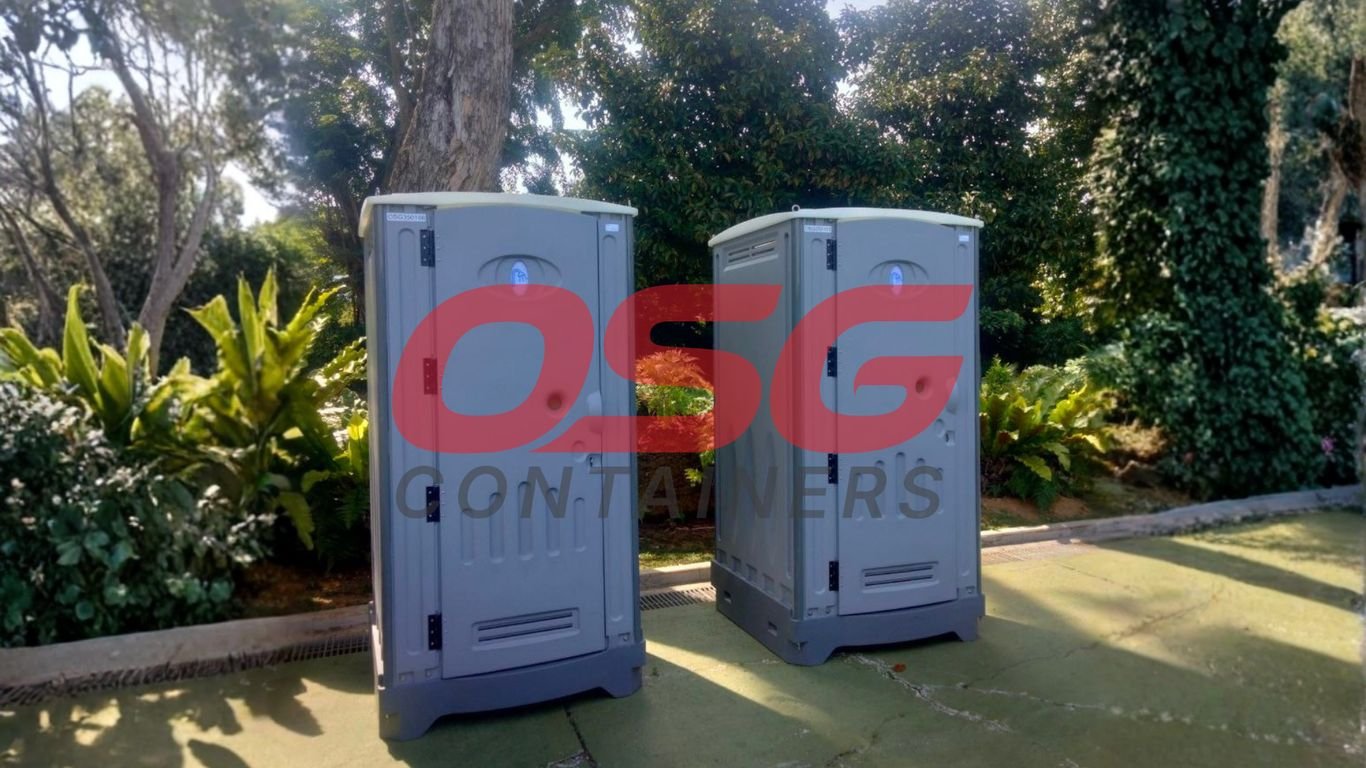
So, you’re looking to get a new toilet container, huh? It might seem like a simple purchase, but let me tell you, there’s a lot more to it than just picking one that looks okay. Most people just grab whatever, and then later they’re dealing with leaks, or it just doesn’t feel right. It’s kind of like buying shoes without trying them on – you might get lucky, but often you end up with blisters. We’re going to break down what most people miss when they’re trying to pick out the perfect toilet container for their bathroom.
Key Takeaways
- When picking out a toilet container, think about the type: gravity-fed, high-efficiency, or standard. Each has its pros and cons for water use and power.
- Don’t forget about comfort and fit. Bowl shape (round vs. elongated) and height (standard vs. comfort) really matter for how it feels and fits in your bathroom.
- Check how well the toilet container flushes. Look for models that use less water but still get the job done to save water and money.
- Installation is a big deal. Make sure you know your rough-in measurements and what kind of drain pipe you have (S-trap or P-trap) before you buy.
- Consider what the toilet container is made of, how it looks in your bathroom, and what other people say about it in reviews before you make your final choice.
Understanding Different Toilet Container Types
When you’re looking for a new toilet, it’s easy to get caught up in the look or the price tag. But before you pick one, it’s smart to know what’s actually under the lid, so to speak. The type of toilet you choose can affect how it works, how easy it is to clean, and even how much water you use. Let’s break down the main kinds you’ll run into.
Gravity-Fed Systems Explained
This is the most common type of toilet you’ll find. It works by using the weight of the water in the tank to push waste down the drain. When you flush, a valve opens, and the water from the tank rushes into the bowl, forcing everything out. It’s a simple, reliable system that’s been around for ages.
There are two main flavors of gravity toilets:
- Standard Models: These use about 1.6 gallons of water per flush. They’ve been the go-to for a long time.
- High-Efficiency Models (HETs): These are designed to use less water, typically around 1.28 gallons or even less per flush. They often have a more powerful flush mechanism to make up for the reduced water volume.
The refill time after a flush is also something to consider. A longer refill period means the tank is fully ready for the next flush, which can help prevent clogs and ensure waste moves through your pipes properly.
High-Efficiency vs. Standard Models
This is where water conservation really comes into play. Standard toilets, as mentioned, use more water per flush. While they might seem fine, over the years, that extra water adds up on your utility bill and impacts the environment.
High-efficiency toilets (HETs) are the greener choice. They meet strict WaterSense criteria, meaning they use at least 20% less water than older, standard 1.6-gallon models. Many HETs use just 1.28 gallons per flush, and some even go lower. While they might cost a bit more upfront, the savings on your water bill can make them pay for themselves over time. Plus, you’re doing your part to conserve a precious resource.
Here’s a quick look at the difference:
| Feature | Standard Model | High-Efficiency Model |
|---|---|---|
| Water per Flush | ~1.6 gallons | ~1.28 gallons or less |
| Water Savings | Baseline | Significant |
| Environmental Impact | Higher | Lower |
| Potential Cost | Lower | Higher |
One-Piece Versus Two-Piece Designs
This distinction is all about how the toilet is constructed. It affects both the look and the cleaning process.
- Two-Piece Toilets: These are the most common. The tank and the bowl are made separately and then bolted together. They’re usually less expensive and easier to transport and install because the pieces are lighter. However, that seam where the tank meets the bowl can be a bit of a dirt trap.
- One-Piece Toilets: Here, the tank and bowl are molded into a single, seamless unit. This design looks sleeker and is much easier to clean since there are fewer nooks and crannies for grime to hide. They tend to be a bit heavier and can sometimes be more expensive, but many people find the cleaning benefits well worth it.
Key Considerations for Toilet Container Comfort and Fit
When you’re picking out a new toilet, it’s easy to get caught up in flush power or water savings. But honestly, the stuff you’ll interact with every single day – how it feels and fits in your bathroom – is super important. Let’s talk about making sure your toilet is actually comfortable and works with your space.
Choosing the Right Bowl Shape
This is a bigger deal than you might think. You’ve got two main options: round and elongated. Round bowls are generally smaller and can be a good choice if you’re working with a tight bathroom. They just don’t stick out as much. Elongated bowls, on the other hand, are longer and offer more seating space. Many people find them more comfortable, especially for longer sits. It really comes down to personal preference and how much room you have.
- Round Bowls: Great for smaller bathrooms, less intrusive footprint.
- Elongated Bowls: Offer more seating room, often considered more comfortable.
The Importance of Toilet Container Height
Toilet height is another factor that significantly impacts comfort, particularly for different age groups and heights. Standard toilets usually sit around 15 inches from the floor to the top of the bowl rim. However, many people now opt for what’s called ‘comfort height’ or ‘ADA-compliant’ toilets. These are taller, typically ranging from 17 to 19 inches. This extra height makes it much easier for many adults, especially taller individuals, seniors, or those with mobility issues, to sit down and stand up without as much strain.
| Toilet Type | Approximate Height (Floor to Rim) | Common User Benefit |
|---|---|---|
| Standard Height | 15 inches | Fits most standard bathroom layouts |
| Comfort Height | 17-19 inches | Easier sitting/standing, good for taller individuals |
Don’t just go with the standard height because it’s what you’ve always had. Think about who uses the toilet and if a little extra height would make a big difference in daily comfort and ease of use.
Measuring for Optimal Bathroom Layout
Before you even start looking at toilets, grab a tape measure. You need to know your ‘rough-in’ measurement. This is the distance from the finished wall behind the toilet to the center of the drain or the floor bolt caps. The most common rough-in is 12 inches, but older homes might have 10-inch or even 14-inch rough-ins. Buying a toilet with the wrong rough-in means it won’t fit properly, and you’ll have a big problem on your hands. Also, consider the overall depth and width of the toilet. You don’t want it sticking out too far into the room or feeling cramped when you walk around it. Measure the space where the toilet will go, and then check the toilet’s dimensions to make sure it’s a good fit for your bathroom’s layout.
Evaluating Toilet Container Flush Performance
When you’re looking at toilets, it’s easy to get caught up in how they look or how much space they take up. But honestly, the most important job a toilet does is, well, flushing. A toilet that doesn’t flush well is just a fancy water feature you don’t want. We’re talking about how effectively it clears waste and how much water it uses doing it. It’s a balance, really.
Water Usage and Conservation Benefits
Let’s talk water. Older toilets can guzzle anywhere from 3 to 5 gallons per flush (GPF). That adds up fast! Federal rules now say new toilets should use 1.6 GPF, but many go even lower. High-efficiency models often use around 1.28 GPF or less. Some even have a "WaterSense" label from the EPA, meaning they’ve been tested and proven to be water-smart. This isn’t just about saving a few bucks on your water bill; it’s about being mindful of our resources. Think about it: every flush uses water not just to move waste, but also to keep the bowl clean and prevent gunk buildup between uses.
Advanced Flush Technologies
So, how do toilets get so efficient? There are a few ways. The most common is the gravity-fed system. It’s simple: water fills the tank, and when you flush, gravity pulls it down into the bowl and pipes. It’s usually quiet and straightforward. Then there are pressure-assisted toilets. These use a sealed tank that builds up air pressure. When you flush, that pressure forces water into the bowl much faster and with more force. They’re often more powerful and can clear clogs better, but they can also be louder and more expensive. Dual-flush toilets are another smart option, especially if you want to fine-tune your water use. They give you two buttons: one for liquid waste (using less water) and one for solid waste (using a bit more). This lets you pick the right amount of water for the job.
Balancing Efficiency with Waste Removal
Here’s where things can get tricky. A toilet that uses very little water might not always clear the bowl completely on the first try. You don’t want to be stuck needing a second flush, which defeats the purpose of saving water, right? Manufacturers test this, and you can often find ratings that show how well a toilet performs. Look for toilets that have a good balance. Some toilets are designed with special bowl shapes and water jet systems to help push waste away more effectively, even with less water. It’s about getting a clean bowl and effective waste removal without just dumping gallons and gallons of water down the drain. You want a toilet that works hard without being wasteful.
Choosing a toilet isn’t just about picking something that looks nice. The way it flushes is a big deal. You want something that gets the job done right, every time, without using more water than it needs to. It’s a practical thing, but it matters a lot for your daily life and for the environment.
Here’s a quick look at typical water usage:
| Toilet Type | Gallons Per Flush (GPF) | Notes |
|---|---|---|
| Older/Standard | 3.5 – 5 | Can be very wasteful |
| Federal Standard | 1.6 | Minimum for new toilets |
| High-Efficiency (HET) | 1.28 or less | WaterSense certified often fall here |
| Dual-Flush | 0.8 – 1.6 (variable) | Offers options for liquid/solid waste |
Installation Essentials for Your Toilet Container
So, you’ve picked out the perfect toilet container, maybe even from a great container supplier in Singapore or a container SG specialist. Now comes the part that can trip people up: getting it installed right. It’s not just about screwing it in place; there’s a bit more to it than you might think, and getting it wrong can lead to headaches down the road. Think of it like buying a shipping container – you need to make sure it’s placed correctly and securely, or you’ll have problems later.
Understanding Rough-In Measurements
This is probably the most overlooked detail. The ‘rough-in’ is the distance from your finished wall to the center of the drainpipe or the bolts that hold the toilet down. Most homes have a 12-inch rough-in, but older houses might have 10-inch or even 14-inch. If you buy a toilet with the wrong rough-in, it just won’t fit properly. You might end up with a gap behind the tank or the toilet sticking out too far into the room. Always measure this before you even start looking at container sales.
| Common Rough-In Sizes |
|---|
| 10 inches |
| 12 inches (Standard) |
| 14 inches |
Drainage Type Compatibility (S-Trap vs. P-Trap)
Your toilet connects to your home’s plumbing via a trap, which prevents sewer gases from coming back into your bathroom. The most common types are S-traps and P-traps. An S-trap curves down and then back up, resembling an ‘S’, and typically exits through the floor. A P-trap looks like a ‘P’ and usually exits through the wall. Most modern toilets are designed for P-traps, but if you have an older home with an S-trap, you’ll need to make sure your new toilet is compatible or consider having the plumbing adjusted. This is where a good container supplier might offer advice, though it’s more about plumbing than storage.
The Role of Professional Installation
Look, I get it. You want to save money, and maybe you’re pretty handy. But when it comes to toilets, especially if you’re dealing with plumbing that’s not straightforward, hiring a professional can save you a lot of trouble. Improper installation is a leading cause of plumbing issues, sometimes accounting for a significant percentage of problems. A pro knows about rough-ins, trap types, and how to seal everything correctly to avoid leaks and clogs. It’s one of those things where paying a bit more upfront for a container installation expert can prevent costly repairs later.
Don’t underestimate the importance of a solid foundation and correct connections. Just like with any large purchase, whether it’s a new toilet or a large container for storage, taking the time to ensure it’s set up properly from the start makes all the difference in its long-term performance and your peace of mind.
Beyond the Basics: Additional Toilet Container Features
So, you’ve looked at the types, the comfort, and how well it flushes. But there’s more to consider than just the main functions. What about how it looks, how easy it is to keep clean, and what other little perks it might offer? These details can really make a difference in your day-to-day life.
Material Durability and Maintenance
Most toilets are made from ceramic or porcelain, which are pretty tough. But the finish matters a lot. A high-gloss glaze isn’t just for looks; it helps resist stains and makes cleaning way easier. Some toilets even come with special coatings that add an extra layer of hygiene. Think about how much scrubbing you’re willing to do – a smoother, better-finished surface means less elbow grease.
- High-gloss glaze: Resists stains and makes wiping down simple.
- Special coatings: Can offer added germ resistance.
- Skirted designs: These hide the pipes, making the outside smooth and simple to wipe clean, unlike older models with lots of nooks and crannies.
Aesthetic Appeal and Bathroom Style
Your toilet is a big fixture in your bathroom, so it should look like it belongs. Gone are the days of just basic white. You can find toilets in different shapes and colors to match your bathroom’s vibe. Whether you’re going for a modern, minimalist look or something more traditional, there’s a toilet out there that fits.
The overall look of your toilet can tie your whole bathroom design together. Don’t just pick the cheapest option; consider how it will complement your tiles, vanity, and other fixtures.
Considering User Feedback and Reviews
Before you buy, take a peek at what other people are saying. Online reviews can be super helpful. You can learn about real-world performance, common issues, or unexpected benefits that the product description might not mention. Pay attention to comments about flushing power, noise levels, and how easy it was to install. Sometimes, a small detail in a review can save you a lot of hassle later on.
Here’s a quick rundown of what to look for in reviews:
- Flush effectiveness: Do people say it clears waste well in one flush?
- Ease of cleaning: Are users finding it simple to keep the bowl and exterior clean?
- Durability: Any mentions of parts breaking or issues after a year or two?
- Noise: Is the flush loud or quiet?
- Installation experience: Did people find it straightforward or complicated?
Wrapping It Up
So, picking out a toilet might seem like a small thing, but as we’ve seen, there’s actually a lot to think about beyond just how it looks. You’ve got to consider how it’ll fit, how much water it uses, and even how easy it is to clean. Don’t just grab the first one you see! Taking a little extra time to figure out what really works for your bathroom and your life can save you headaches down the road. It’s about finding that sweet spot between looking good and working well, so you’re happy with your choice for years to come.
Frequently Asked Questions
What’s the main difference between one-piece and two-piece toilets?
Think of a one-piece toilet like a single, solid block where the tank and bowl are already joined together. This makes it super easy to clean since there are fewer places for gunk to hide! A two-piece toilet is more like building blocks – the tank and the bowl are separate pieces that get bolted together. They’re usually a bit cheaper and easier to replace if something breaks.
Why does the shape of the toilet bowl matter?
The shape of the toilet bowl really comes down to comfort and how much space you have. Elongated bowls are longer and more oval, giving you more room and often feeling more comfortable, especially for adults. Round bowls are, well, rounder and take up less space, which is great for smaller bathrooms.
How can I tell if a toilet will fit my bathroom’s plumbing?
This is super important! You need to check the ‘rough-in’ measurement, which is the distance from the wall behind the toilet to the center of the drainpipe on the floor. The most common size is 12 inches, but older homes might have 10 or 14 inches. Also, know if your drain pipe goes into the floor (S-trap) or the wall (P-trap). Getting this wrong means the toilet won’t fit or work right.
What does ‘comfort height’ mean for a toilet?
‘Comfort height’ just means the toilet is a bit taller than a standard one. Standard toilets are usually around 15 inches high, but comfort height ones are closer to 17 to 19 inches. This makes it feel more like sitting on a chair, which is easier on your knees and back, especially for taller people or older folks.
How does water efficiency affect my toilet choice?
Toilets have gotten much better at using less water. Older toilets might use 5 gallons or more per flush, while newer high-efficiency models use as little as 1.28 gallons. Choosing a water-efficient toilet can save you a lot on your water bill over time and is better for the environment. Just make sure it still flushes strongly enough to get rid of waste!
Is it better to install a toilet myself or hire someone?
While you might save money doing it yourself, improper toilet installation can cause a lot of problems, like leaks or clogs, which can be expensive to fix later. If you’re not totally sure about plumbing, it’s usually a safe bet to hire a professional plumber. They’ll make sure it’s installed correctly the first time.