Singapore
 Australia
 Indonesia
 Japan
Japan Malaysia
 New Zealand
 Philippines
 South Korea
 Taiwan
 Thailand
 VIETNAM
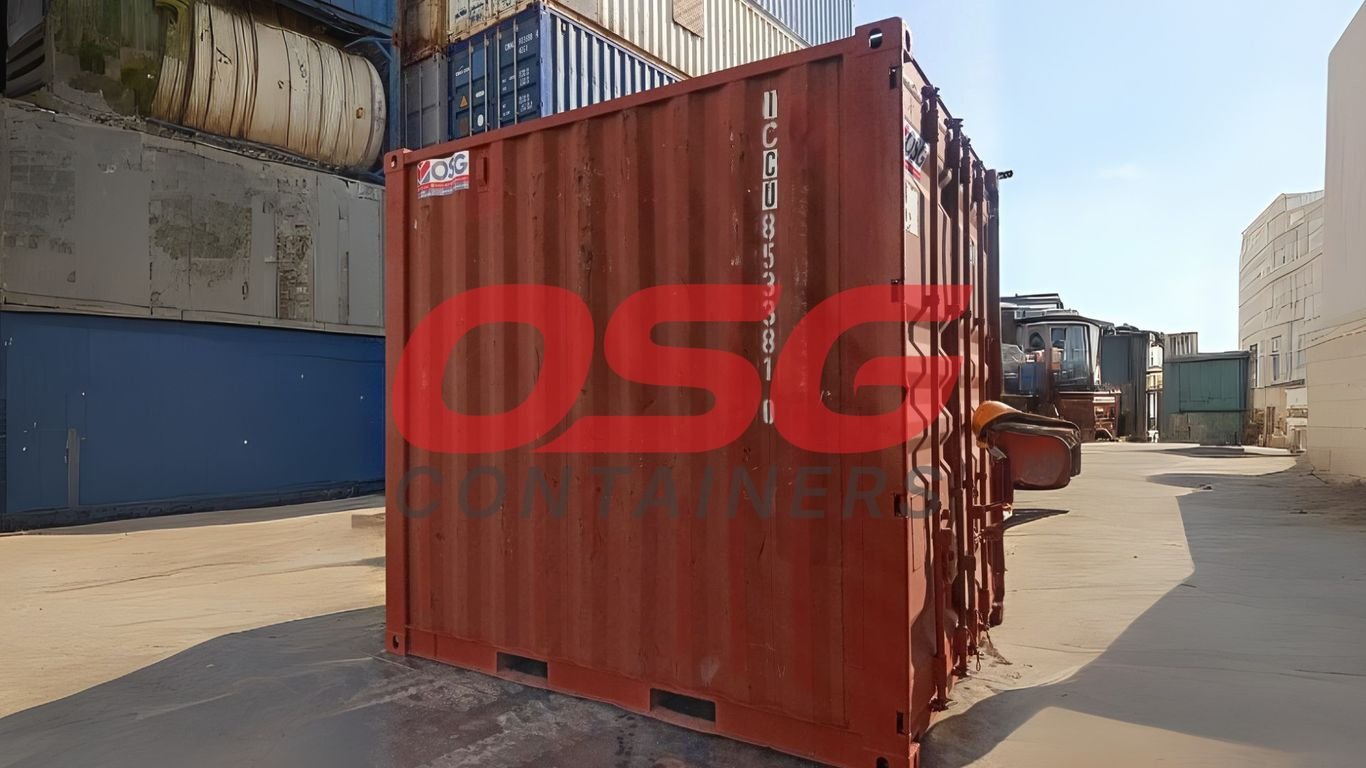
So, you’ve got a 20 high cube container and you’re wondering how to get the most out of it? It’s more than just a metal box for shipping. These containers, with their extra height, offer a surprising amount of potential for storage, building, and just about anything else you can dream up. Let’s talk about how to really make that space work for you, whether it’s for your business or a personal project. We’ll cover how to pack it smart, use all that vertical room, and why it’s a solid choice for saving money and moving things around.
Key Takeaways
- Figure out the exact sizes of your container and what you’re putting in it to pack as much as possible.
- Use the extra height in a high cube container for shelves or lofts to get more storage or living space.
- These containers are cheaper than building from scratch and last a long time with little upkeep.
- You can move your 20 high cube container pretty easily, making it great for businesses that change locations.
- People are using these containers for homes, farms, and workshops, showing how adaptable they really are.
Maximizing Space Within Your 20 High Cube Container
So, you’ve got a 20-foot High Cube container. Awesome! These things are great because they give you that extra foot of height compared to a standard container. It might not sound like much, but trust me, it makes a big difference when you’re trying to fit stuff in or build something cool.
Understanding Container and Pallet Dimensions
First things first, let’s talk numbers. A standard 20-foot High Cube container has interior dimensions that are roughly 19 feet 4 inches long, 7 feet 8 inches wide, and 8 feet 10 inches high. That extra 10 inches of height is your secret weapon. But what you put inside matters too. Pallets come in different sizes, and knowing these is key. The most common ones are the standard GMA pallet (40 x 48 inches) and the Euro pallet (31.5 x 47 inches). You’ve got to measure your stuff, measure the container, and then figure out how they’ll play nice together.
| Container Type | Interior Length (ft) | Interior Width (ft) | Interior Height (ft) |
|---|---|---|---|
| 20ft High Cube | 19.3 | 7.7 | 8.8 |
| Pallet Type | Length (in) | Width (in) |
|---|---|---|
| Standard GMA | 48 | 40 |
| Euro Pallet | 47 | 31.5 |
Strategic Pallet Placement Techniques
Okay, so you know the sizes. Now, how do you actually pack it? You can’t just toss pallets in there and hope for the best. Think about how they’ll fit side-by-side and end-to-end. Sometimes, turning a pallet sideways can save you a few precious inches. You also need to leave a little bit of space between them and the walls for handling and to prevent damage during transit. It’s like a giant game of Tetris, but with real stuff.
- Staggered Loading: Instead of lining up pallets perfectly, try staggering them. This can sometimes allow you to fit more in by breaking up the rigid pattern.
- Alternating Orientation: Mix up how you place pallets. Some might fit better lengthwise, others widthwise. Experiment to find the best fit.
- Utilize Corner Posts: Don’t forget the corners. While you can’t place a pallet directly against the wall, the structure of the container has corner posts that can influence placement.
Calculating Optimal Load Capacity
This is where the math comes in. You need to figure out how many pallets you can actually fit without overloading the container or leaving too much empty space. The goal is to get as close to the container’s weight limit as possible without going over, while also maximizing the number of items. You can do some rough calculations based on the dimensions, but remember to account for the space needed for forklifts or pallet jacks. It’s always better to be a little conservative than to have your cargo damaged or your shipment rejected.
Don’t just guess. Take the time to plan your load. A little bit of effort upfront can save you a lot of headaches and money down the road. Think about how the weight is distributed too; you don’t want one side to be much heavier than the other.
It’s a puzzle, for sure, but getting it right means you’re getting the most bang for your buck with that container.
Leveraging the Vertical Advantage of High Cube Containers
So, you’ve got a 20-foot high cube container. That extra foot of height over a standard container might not sound like much, but trust me, it opens up a whole new world of possibilities. It’s not just about fitting a few more boxes in; it’s about rethinking how you use the space entirely. Think of that extra vertical real estate as a bonus room you didn’t know you had.
Utilizing Lofts for Added Functionality
That extra height is perfect for adding loft spaces. These aren’t just for sleeping, though they’re great for that in a tiny home or guest area. A loft can become a quiet reading nook, a dedicated spot for your home office, or even just extra storage for seasonal items. It’s a smart way to get more usable space without actually increasing the container’s footprint. Imagine a cozy sleeping loft above your main living area – it really makes the space feel bigger and more organized.
Implementing Ceiling-Height Storage Solutions
Don’t let that vertical space go to waste. You can really pack a lot into these containers if you think smart about storage. Install cabinets that go all the way up to the ceiling in your kitchen or workshop. For closets, use multi-level shelving systems. Even bookshelves can be designed to take advantage of the full height. It makes a huge difference in keeping things tidy and accessible.
Here are some ideas for smart storage:
- Ceiling-height cabinets: Great for kitchens, pantries, or workshops.
- Multi-tier shelving: Maximize closet and garage space.
- Wall-mounted units: Keep floors clear and add storage without taking up much room.
Designing for Open-Concept Interiors
One of the best things about using a high cube container is the potential for open-concept living. By removing interior walls (where structurally possible, of course), you can create a much larger, more fluid space. This is especially effective when combining living, dining, and kitchen areas. It makes the whole area feel bigger and more inviting. Large windows or even sliding glass doors can further blur the lines between indoor and outdoor spaces, making everything feel even more expansive. When you’re working with a confined space like a container, every inch counts. Thinking vertically and horizontally about how you use the space is key to making it feel comfortable and functional, not cramped. It’s all about smart planning and creative solutions. This approach is particularly popular in places like high cube container singapore projects where space efficiency is paramount.
The added vertical dimension transforms a simple metal box into a more adaptable space, suitable for a wider range of projects beyond just hauling cargo.
Cost-Effectiveness and Long-Term Value of High Cube Containers
When you start looking at projects, whether it’s a workshop, an extra room, or even a whole house, the costs can add up fast. Traditional building materials like wood, brick, and concrete aren’t cheap, and then you’ve got labor costs on top of that. A 20ft high cube container offers a different path. They’re built tough for shipping, which means they’re already a solid structure. Buying a used one is way cheaper than buying lumber and all the other stuff you’d need to build something from scratch. This makes them a really attractive option for anyone trying to keep a lid on their budget.
An Affordable Alternative to Traditional Construction
The initial purchase price for a 20 foot high cube container is often significantly lower than the combined cost of materials and labor for conventional construction. Think about it: you’re getting a pre-built, robust structure that’s ready for modification. This upfront saving can be a major deciding factor for many projects.
Longevity and Minimal Maintenance Benefits
These containers are made from strong steel, designed to handle rough seas and all sorts of weather. That means they’re not going to fall apart after a few years. Once you get one, it can last for a really long time, often decades, with just a bit of basic upkeep. Think about it: no rotting wood, no crumbling bricks. Just a sturdy metal box that keeps on going. This durability means you’re not constantly spending money on repairs or replacements, which saves you cash in the long run. The 20 ft high cube container price reflects this long-term durability.
Reducing Cost Per Item Through Enhanced Capacity
Because high cube containers are taller than standard ones, you get more space. This extra height means you can fit more stuff inside, whether you’re using it for storage or shipping goods. For businesses, this is a big deal. If you can pack more products into one container, your shipping costs per item go down. It’s simple math: more capacity means less cost for each thing you move or store. This efficiency can really add up, making your operations more profitable.
Here’s a quick look at the capacity difference:
| Feature | Standard Container | High Cube Container |
|---|---|---|
| Internal Height | ~7′ 9″ | ~8′ 9″ |
| Cubic Capacity | ~1,170 cu ft | ~1,360 cu ft |
The robust construction means fewer repairs over the years, and the increased volume allows for more efficient use of space, both for storage and transport. This combination makes them a smart financial choice for many different projects.
The Portability and Adaptability of High Cube Containers
Seamless Transportation Across Diverse Locations
One of the biggest draws of a 20-foot high cube container is how easy it is to move. These things are built to travel the world by ship, train, and truck. So, if your business needs to shift locations, or if you’re working on a project that moves from place to place, your container can just come along for the ride. It’s not like building something permanent that’s stuck in one spot. You can pick it up and set it down pretty much anywhere that can handle its size. This makes them super handy for temporary setups or for businesses that don’t plan on staying put forever.
Flexibility for Relocating Business Operations
Imagine you run a pop-up shop or a seasonal business. When the season ends, or you need to move to a new city, packing up a traditional store is a huge headache. With a high cube container, you can essentially pack your entire operation inside, secure it, and have it transported to your next spot. This flexibility is a game-changer for many entrepreneurs. Even for something as simple as needing extra storage that you might move to a different part of your property later on, the portability is a big plus. It’s not just about shipping goods; it’s about moving your entire workspace or storage solution.
Customization for Specific Project Requirements
Beyond just moving them, these containers are incredibly adaptable. You can modify them to fit all sorts of uses. Need a mobile office? Add some insulation, windows, and a desk. Want a small workshop? You can outfit it with tools and power. The extra height in a high cube really opens up possibilities, letting you add shelving, equipment, or even a loft space. This adaptability means you’re not stuck with a plain metal box; you can tailor it precisely to what you need it to do.
Here’s a quick look at how the dimensions stack up:
| Feature | Standard Container | High Cube Container |
|---|---|---|
| External Height | 8′ 6" | 9′ 6" |
| Internal Height | ~7′ 9" | ~8′ 9" |
| Cubic Capacity | ~2,350 cu ft | ~2,694 cu ft |
The ability to easily transport and modify these containers means they can serve a wide range of purposes, from simple storage to complex architectural projects, all while retaining their robust structure.
Creative Transformations and Versatile Applications
Designing Unique Container Homes
Forget boring houses. People are taking these sturdy metal boxes and turning them into actual homes, and not just tiny ones either. Because they’re taller, you get more headroom, which makes a huge difference in how a space feels. It’s not just about fitting more stuff; it’s about making it feel more like a real home, less like a box. Some folks use two 40-foot high cubes, placing them apart to create a central living area. It’s a smart way to get separate rooms and a good-sized common space in between. Others stack them or arrange them in different configurations. The key is that you can really make it your own. These containers offer a blank canvas for architects and DIYers alike.
Developing Eco-Friendly Vertical Farms
These containers aren’t just for living in; they’re also being used to grow food. You can set them up as vertical farms, stacking growing systems inside. This is super efficient, especially if you don’t have a lot of land. The controlled environment inside the container means you can grow crops year-round, regardless of the weather outside. Imagine a container farm in an urban area, providing fresh produce right where people live. It cuts down on transportation costs and reduces waste. Plus, you can outfit them with systems for rainwater harvesting or solar power, making them a really green option. It’s a neat way to combine industrial materials with nature to create something productive and sustainable.
Creating Functional Mobile Offices and Workshops
Forget brick-and-mortar for a second. High cube containers are popping up as mobile businesses. Imagine a coffee shop, a small boutique, or even a workshop that can be moved from one location to another. This flexibility is huge for entrepreneurs who want to test out different markets or follow crowds. The ability to relocate an entire business operation with relative ease is a massive advantage. You can modify them to fit all sorts of uses. Need a mobile office? Add some insulation, windows, and a desk. Want a small workshop? You can outfit it with tools and power. The extra height in a high cube really opens up possibilities, letting you add shelving, equipment, or even a loft space.
Here are some popular mobile business ideas:
- Food trucks and cafes
- Retail pop-up shops
- Art galleries and studios
- Service kiosks (e.g., phone repair, information booths)
These containers are designed to withstand extreme conditions, making them a reliable choice for protecting valuable cargo during transit and storage. Their secondary use as building blocks for temporary and permanent structures is where things get really interesting. They’re like pre-fab modules that you can just drop into place.
Ensuring Efficient Freight Optimization
Getting the most out of your 20 High Cube container isn’t just about stuffing it full; it’s about smart loading. You want to pack as much as possible without running into problems later. This means thinking ahead about how your goods will travel and arrive.
Avoiding Common Loading Mistakes
Lots of people make the same errors when loading containers, and it costs them time and money. It’s easy to overlook details when you’re in a hurry, but these slip-ups can really mess with your bottom line. For instance, just because there’s space doesn’t mean you can fill it. You have to pay attention to the weight limits. A container might look empty, but if it’s over the weight limit, it’s a no-go. Also, think about what you’re actually shipping. Some items need air to circulate, and you can’t just stack everything on top of everything else. Safety is another big one. You need room to properly secure your cargo so it doesn’t shift around during transit. That could damage your goods or even cause a safety hazard.
The Art of Maximizing Container Space
Figuring out the best way to pack a container is kind of like a puzzle. You need to know the exact sizes of your container and your cargo. For a 20 High Cube, you’ve got extra height to play with, which is a big plus. Don’t forget to account for the space between items. Sometimes, fitting things in a bit tighter, but still safely, makes a huge difference. It’s all about finding that sweet spot between a full container and a safe, stable load.
Here’s a quick look at how different pallet sizes might fit:
| Pallet Size (m) | Approx. Fit (Lengthwise) | Approx. Fit (Widthwise) | Notes |
|---|---|---|---|
| 1.2 x 1.0 | 10 | 8 | Standard pallet, may require careful arrangement |
| 1.2 x 0.8 | 12 | 9 | Europallet, often more efficient |
Remember, these are just estimates. The actual number can change based on how you arrange them and the specific internal dimensions of your container.
Consulting Logistics Experts for Accurate Estimates
Honestly, trying to figure all this out yourself can be a headache. It’s usually best to talk to people who do this for a living. Logistics companies have the tools and experience to tell you exactly how much will fit and the best way to load it. They can look at your specific cargo and container and give you a solid plan. This saves you from making costly mistakes and helps you get the most value from each shipment. They can also help you avoid issues with weight distribution and securing the load, which are super important for safe travel.
- Get the exact dimensions: Always confirm the precise measurements of your container and your cargo. Don’t guess.
- Consider cargo type: Fragile items, liquids, or goods needing ventilation require special handling and placement.
- Plan for securing: Leave space for straps, bracing, or other materials to keep your load stable.
- Ask the pros: Your shipping partner or a logistics consultant can provide detailed load plans.
Wrapping It Up
So, we’ve talked a lot about how these taller containers, the high cubes, are way more than just boxes for shipping stuff. People are getting really creative, turning them into homes, shops, and even little gardens. They’re tough, they’re easy to move around, and you can change them up to fit whatever you need. Whether you’re trying to start a business without breaking the bank, build a cool place to live, or just do something a bit greener, these containers are a solid choice. As we keep finding new ways to use them, their potential just keeps growing. It’s pretty neat how a simple metal box can solve so many different problems.
Frequently Asked Questions
What’s the main difference between a high cube container and a regular one?
A high cube container is taller than a standard one. Imagine a regular container is about 8.5 feet tall, but a high cube gives you an extra foot, making it 9.5 feet tall. This extra height is super helpful for fitting more items or taller things inside.
Can I use these containers for things other than shipping?
Definitely! People are getting really creative. They use them for building homes, setting up shops, creating offices, and even growing food. Their strong metal bodies make them really adaptable for lots of different projects.
How do I know how many pallets will fit in a container?
To figure this out, you need to know the exact sizes of your container and your pallets. Then, you can plan how to arrange them, leaving a little space between them. It’s also smart to think about the weight limits and any special needs for your items, like needing air flow.
Are high cube containers expensive?
Buying a used high cube container is often much cheaper than building something from scratch with wood or bricks. They are already built tough, so you save money on materials and labor. Plus, they last a long time, saving you more money over the years.
Is it easy to move a high cube container if my business moves?
Yes, they are designed to be moved! Since they travel on ships, trains, and trucks, they are built to be transported. If your business needs to change locations, you can just move your container with you. It’s like having a portable workspace or storage unit.
What are some creative ways people use the extra height in high cube containers?
That extra foot of height is great for adding things like lofts for sleeping or working, or installing cabinets that go all the way to the ceiling. It helps make the space feel bigger and more useful, whether you’re living in it or using it for storage or a workshop.