Singapore
 Australia
 Indonesia
 Japan
Japan Malaysia
 New Zealand
 Philippines
 South Korea
 Taiwan
 Thailand
 VIETNAM
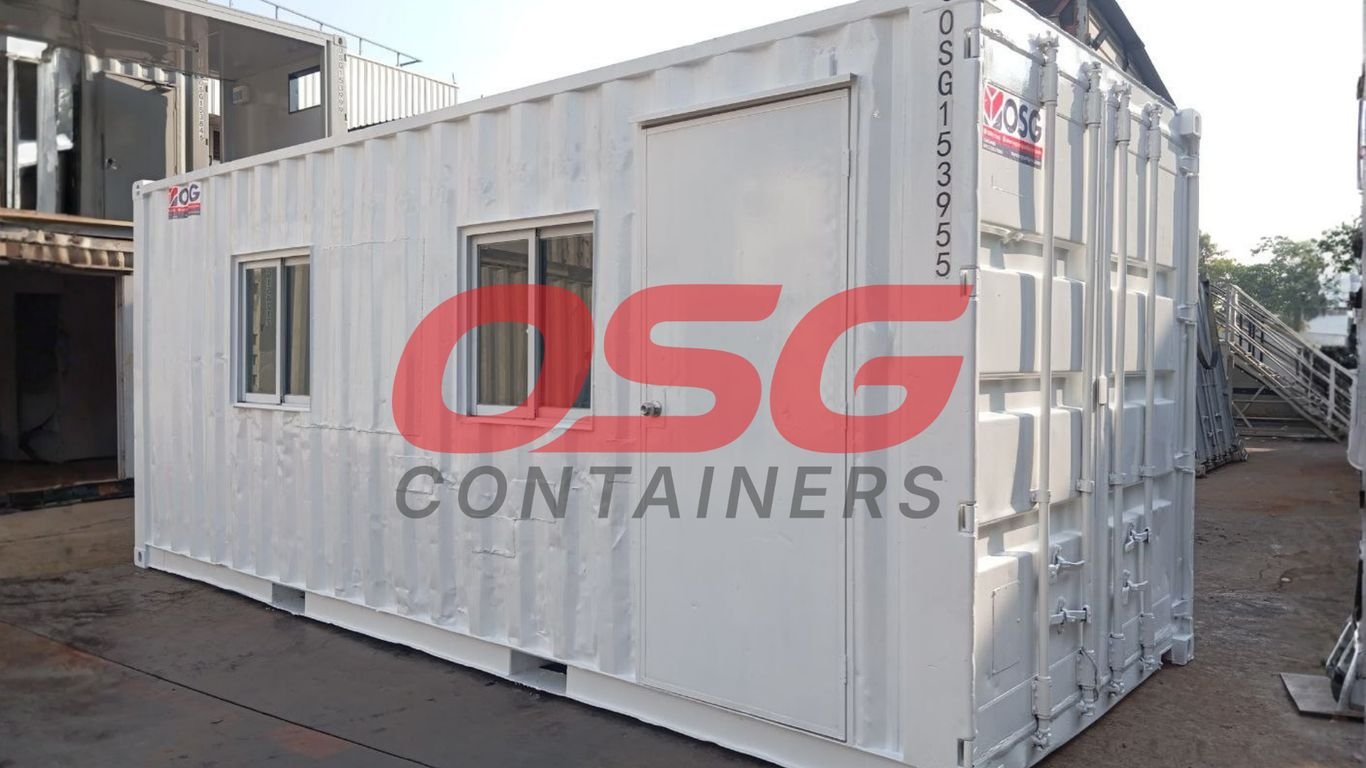
Setting up shop on a new project site, whether it’s for a few months or a few years, means you need a place to work. That’s where the site office comes in. It’s not just a shed; it’s a functional workspace that moves with your project. These adaptable spaces are key for keeping things running smoothly, no matter how long you’re there or what the job entails. Let’s look at how these site offices work for different project lengths.
Key Takeaways
- Site offices are flexible, temporary structures that provide essential workspaces for projects of all durations. They can be set up quickly and moved as needed.
- Modern site offices are built with durability and security in mind, using robust materials to withstand various site conditions and protect personnel and equipment.
- These offices can be customized with features like climate control, internet, and specific layouts to suit project requirements and boost productivity.
- Sustainability is increasingly important, with many site offices designed for energy efficiency and made with materials that minimize environmental impact.
- Proper planning for site preparation, logistics, and compliance with safety standards is vital for the successful deployment and operation of any site office.
Understanding The Versatility Of Site Offices
Site offices are more than just temporary sheds; they’re dynamic hubs that keep projects moving. Think of them as the command center for any operation, whether it’s a sprawling construction site or a short-term event. Their main job is to give teams a solid, comfortable place to work, plan, and coordinate, no matter where the project is located.
Defining The Role Of A Site Office
At its core, a site office is a functional workspace brought to your project location. It’s designed to be set up quickly and provide all the necessities for managing operations. This includes space for administrative tasks, team meetings, secure storage for important documents and equipment, and a place for staff to take a break. They are the backbone of on-site operations, ensuring productivity and communication remain high. Without them, coordinating complex projects would be a logistical nightmare.
Key Features Of Modern Site Offices
Today’s site offices are pretty sophisticated. They aren’t just basic boxes anymore. You’ll typically find:
- Climate Control: Heating and air conditioning are standard, making them usable year-round.
- Electrical and IT Infrastructure: Power outlets, lighting, and often basic internet connectivity are included.
- Security: Robust doors, locks, and sometimes even basic alarm systems protect your assets.
- Modular Design: Many units can be connected or stacked to create larger, custom spaces as needed.
- Durability: Built with strong materials to withstand various weather conditions and heavy use.
Benefits Of Utilizing Site Offices
Using site offices brings a lot of advantages to the table. For starters, they are incredibly flexible. Need to move your operations to a new part of the site? No problem. The office can come with you. This portability means you’re not tied down by permanent structures. They’re also a much more cost-effective solution than building a permanent office, especially for projects that don’t last forever. Plus, they can be deployed really fast, getting your team set up and working almost immediately.
The ability to quickly deploy a functional workspace directly at the project location significantly cuts down on travel time for staff and ensures that project managers have immediate oversight. This proximity is key to making swift decisions and maintaining project momentum.
Adapting Site Offices For Project Lifecycles
Construction projects aren’t static; they evolve. What you need at the beginning of a job might be totally different by the time you’re wrapping things up. That’s where site offices really shine. They’re not just a place to park your desk; they’re designed to change with the project’s needs.
Flexibility For Temporary Projects
For shorter gigs, like a few months for a special event or a quick build, you need an office that can be set up fast and then packed away just as quickly. Think of it like a pop-up shop, but for your business operations. These units can be delivered, hooked up, and ready to go in a matter of days, not weeks or months. This means your team can start coordinating and managing from day one without waiting for a permanent structure.
- Rapid Deployment: Get your operations center up and running almost immediately.
- Minimal Site Disruption: Quick setup means less impact on the main project activities.
- Relocation Ease: If the project shifts location slightly, the office can move with it.
The key here is speed and simplicity. You don’t want to get bogged down in construction when the main work is elsewhere.
Scalability For Long-Term Engagements
On longer projects, your needs will definitely grow. You might start with a small team, but as phases progress, you’ll need more space for more people, more equipment, and more meetings. Scalable site offices are built for this. They can often be expanded, connected to other units, or even stacked to create multi-story facilities. This means you’re not paying for empty space at the start, and you can easily add more as the project demands.
| Project Phase | Initial Need | Growth Need | Solution |
|---|---|---|---|
| Planning | Small office, meeting area | Larger office, more workstations | Connect additional modules |
| Construction | Medium team space, storage | Expanded team space, dedicated welfare | Add welfare units, increase office footprint |
| Closeout | Reduced team space | Secure document storage | Reconfigure modules for specific needs |
This ability to grow and shrink is a huge cost-saver over the life of a long project.
Relocation And Reconfiguration Strategies
Sometimes, a project doesn’t just grow; it moves. Or maybe you need to repurpose a space. Modern site offices are designed with this in mind. They’re built to be moved, whether it’s across a large site or to a completely new location. The modular nature means you can often reconfigure the internal layout too. Need to turn a meeting room into a couple of private offices? Or combine two small units into one larger open-plan space? It’s usually quite straightforward.
- Modular Design: Units can be easily disconnected, transported, and reconnected.
- Internal Flexibility: Walls and layouts can often be adjusted to suit changing team sizes and functions.
- Reusability: After the project, the office can be relocated to another site, extending its useful life.
Designing Efficient And Functional Site Offices
When you’re setting up a site office, whether it’s a temporary setup or a more long-term base, making it work well is key. It’s not just about having a roof over your head; it’s about creating a space where people can actually get things done without a lot of hassle.
Optimizing Space Planning For Productivity
Think about how people will actually use the space. You don’t want a cramped area where everyone is bumping into each other. Good space planning means figuring out where desks should go, where a small meeting area might be, and where to put storage. Even with something like a container as an office, you can make it feel much bigger and more useful with smart layout choices. This means thinking about traffic flow – how people move from the entrance to their desks, to the coffee machine, and so on. It also involves making sure there’s enough room for essential equipment without it feeling cluttered.
- Layouts: Consider open-plan designs for better collaboration or partitioned areas for focused work.
- Furniture: Choose furniture that fits the space and can be easily moved or reconfigured if needed.
- Storage: Integrate smart storage solutions to keep paperwork and equipment tidy and accessible.
A well-planned site office reduces wasted movement and minimizes distractions, directly impacting how much work gets done each day. It’s about making every square foot count.
Customization Options For Specific Needs
Not all projects are the same, so why should site offices be? Whether you’re looking at office containers for rent or a more permanent modular unit, customization is where you can really make it fit your project. This could mean adding extra power outlets for all the tech, setting up specific network points, or even just choosing the right kind of heating and cooling to keep everyone comfortable. It’s about tailoring the space so it supports the specific tasks and the people doing them.
- Climate Control: Ensuring adequate heating and cooling for comfort and equipment.
- Electrical & IT: Providing sufficient power and network access for all devices.
- Security: Adding features like reinforced doors or alarm systems if needed.
Integrating Technology For Enhanced Operations
Modern site offices aren’t just basic shelters; they can be connected hubs. Think about reliable internet access for communication and data sharing, maybe even video conferencing capabilities so you can connect with people off-site without a hitch. Security systems can also be integrated, giving you peace of mind. Making sure the technology works smoothly means fewer interruptions and a more professional operation overall.
| Feature | Benefit |
|---|---|
| High-Speed Internet | Faster data transfer, better communication |
| Video Conferencing | Connect with remote teams easily |
| Security Systems | Protects assets and personnel |
Ensuring Durability And Sustainability In Site Offices
When you’re setting up a site office, especially for a project that’s going to stretch on for a while, you want it to last. Nobody wants to deal with a leaky roof or a wobbly wall halfway through a job. That’s where thinking about durability and sustainability really pays off. It’s not just about having a place to work; it’s about having a reliable, comfortable, and responsible workspace.
Robust Construction Materials And Low Maintenance
Site offices are built tough. They usually start with strong steel frames, which are great for holding everything together, no matter the weather. The walls are often made from insulated panels that keep the heat in during winter and the cool air in during summer. This means less energy used for heating and cooling, which is a win-win. Plus, these materials are chosen because they don’t need a ton of upkeep. You won’t be painting them every year or fixing minor cracks constantly. A good clean and the occasional check-up are usually all they need to keep going strong for years. This focus on sturdy, low-maintenance materials means you spend less time worrying about the building and more time on the actual project.
Environmentally Responsible Design Choices
Thinking green is becoming a bigger deal, and site offices are no exception. Many are made using prefabricated methods, which cuts down on waste compared to building from scratch on-site. Some even use recycled materials in their construction. This approach helps reduce the overall environmental footprint of your project. It’s about making smart choices from the start that benefit the planet. Plus, because these offices are often modular, they can be taken apart and reused on future projects, rather than being demolished and sent to landfill.
Energy Efficiency For Operational Savings
Beyond just the materials, how the office uses energy is a big factor. Good insulation is key, as mentioned before. Many modern units also come with energy-efficient lighting, like LEDs, which use way less power than older bulbs. You can also get units with smart heating and cooling systems that can be programmed to only run when needed. This not only makes the office more comfortable for the people working inside but also cuts down on those utility bills. Over the life of a long project, these savings can really add up, making the initial investment in an energy-efficient model well worth it.
Choosing a site office that’s built to last and designed with the environment in mind isn’t just good practice; it’s smart business. It reduces long-term costs, minimizes disruption, and contributes positively to the project’s overall impact. It’s about creating a functional space that also respects resources and people.
Logistics And Compliance For Site Office Deployment
Getting a site office set up isn’t just about picking a model and having it dropped off. There’s a whole process to think about, both with getting it there and making sure it meets all the rules. This is true whether you’re looking at a brand new unit or an office container rental.
Site Preparation And Installation Planning
Before your site office, whether it’s a standard unit or a custom-built office container, can even arrive, the ground needs to be ready. This means making sure the area is level and has good drainage. You also need to think about how utilities like power and water will connect. A properly prepared site makes the installation process much smoother and quicker, cutting down on potential delays.
- Leveling the ground: This is super important for stability and proper door/window function.
- Drainage: You don’t want water pooling around or under your office.
- Utility access: Plan where power, water, and internet lines will come from and connect.
- Access routes: Make sure there’s a clear path for the delivery truck or crane.
Navigating Transport And Delivery Logistics
Moving a site office, especially a larger office container, requires careful planning. You’ll need to coordinate with the supplier for delivery dates and times that work with your site’s schedule. Think about the size of the unit and any potential obstacles on-site. Sometimes, specialized equipment like cranes or forklifts are needed to position the office exactly where you want it. The right logistics plan prevents costly delays and damage during transit.
Adhering To Compliance And Safety Standards
Every site office needs to meet local building codes and safety regulations. This isn’t just about avoiding fines; it’s about making sure everyone working in or around the office is safe. This includes things like proper electrical installations, fire safety measures, and making sure the structure itself is sound. If you’re using an office container rental, confirm that the provider handles all necessary compliance checks.
Compliance isn’t a one-time check; it’s an ongoing responsibility throughout the project’s life. Regular safety inspections and adherence to workplace health guidelines are key to maintaining a secure environment.
The Evolving Future Of Site Office Solutions
Advancements In Modular Design
Modular design is really changing the game for site offices. We’re seeing more and more units that aren’t just basic boxes, but sophisticated, adaptable spaces. Think about how these units can be connected, stacked, or reconfigured with relative ease. This means a site office that starts as a small admin hub can grow into a larger complex as the project demands it, or shrink back down when it’s no longer needed. It’s all about making the most of what you have and not being stuck with something that doesn’t fit anymore.
Increased Focus On Adaptability And Sustainability
Projects today are rarely straightforward, and neither are the needs of the teams working on them. That’s why adaptability is so important. Site offices need to be able to change with the project’s phases, accommodating more people or different functions as required. On top of that, there’s a big push for sustainability. This means using materials that last longer, are easier to recycle, and designing for better energy efficiency. It’s not just about having a place to work; it’s about having a smart, responsible place to work.
The Enduring Importance Of Site Offices
Even with all these new developments, the basic need for a functional, on-site workspace isn’t going anywhere. Whether it’s a massive infrastructure project or a smaller, temporary setup, having a dedicated office space keeps things organized and productive. They provide a secure spot for planning, meetings, and just generally keeping the project on track. It seems like no matter how technology advances, these practical, on-the-ground solutions will always have a place.
Here’s a quick look at what makes modern site offices so adaptable:
- Quick Deployment: Units can be set up in days, not weeks or months.
- Scalable Footprint: Easily add or remove modules to match project size.
- Integrated Utilities: Power, heating, cooling, and internet are often built-in.
- Customizable Interiors: Layouts can be adjusted for specific team needs.
The trend is clear: site offices are moving beyond simple temporary shelters. They are becoming integrated, intelligent parts of project infrastructure, designed to be as efficient and responsible as the projects they support. This evolution means better working conditions and more streamlined operations for everyone involved.
Wrapping It Up
So, whether your project is a quick sprint or a long marathon, site offices are the unsung heroes that keep things running smoothly. They’re not just boxes on a job site; they’re adaptable, tough, and surprisingly practical spaces that can be set up almost anywhere, fast. From managing complex construction sites to hosting pop-up shops or even serving as temporary classrooms, these units offer a solid solution without the fuss of permanent buildings. As projects get more complex and timelines tighter, having a flexible workspace that can move with you is a real game-changer. It’s all about making sure your team has a decent place to work, no matter how long or short the gig is.
Frequently Asked Questions
What exactly is a site office?
Think of a site office as a temporary workspace set up right where the action is happening, like a construction zone or a special event. It’s like a mini-office on wheels or in a box, giving people a place to plan, manage, and work without having to travel far.
Why are site offices so useful for short projects?
For projects that don’t last long, building a permanent office doesn’t make sense. Site offices are quick to set up and take down, and they give you all the basic office stuff you need, like desks and power, without costing a lot of money or time.
Can site offices be changed if a project gets bigger or smaller?
Absolutely! Many site offices are like building blocks. You can add more sections if you need more space for a growing team or remove them if the team shrinks. This flexibility is super helpful as projects change.
Are site offices safe and strong?
Yes, they are built tough! They usually have strong frames and can handle different kinds of weather. They’re designed to keep people and their belongings safe, even in busy or challenging work areas.
Do site offices use a lot of electricity or harm the environment?
Good site offices are designed to be energy smart. They often have good insulation to keep them warm or cool without using too much power, and some are made with eco-friendly materials. It’s all about being efficient and responsible.
What’s the most important thing to remember when setting up a site office?
The key is planning! You need to make sure the ground is ready, that it’s easy to get to, and that it meets all the safety rules. Good planning helps everything run smoothly and keeps everyone safe.