Singapore
 Australia
 Indonesia
 Japan
Japan Malaysia
 New Zealand
 Philippines
 South Korea
 Taiwan
 Thailand
 VIETNAM
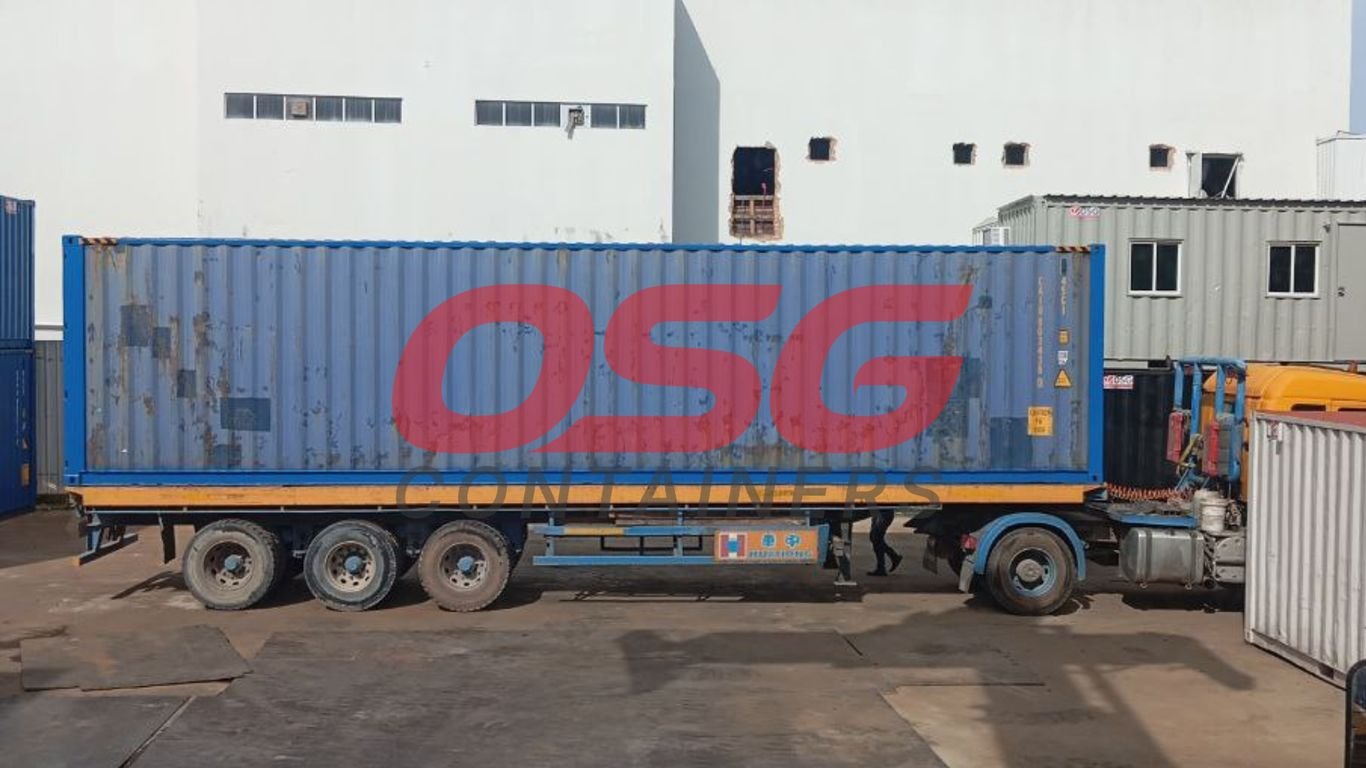
So, you’re thinking about Singapore and how to best use your space, right? Especially if you’re dealing with stuff that’s a bit bulky or if you need extra room without taking up more land. High cube containers might just be the answer you’re looking for. They’re not just for shipping anymore; people are using them for all sorts of things, from storage to building unique spaces. Let’s break down why these taller containers could be a smart move.
Key Takeaways
- High cube containers give you more room inside without needing a bigger footprint, which is great for storage and making the most of your space.
- They’re super flexible and can be turned into shops, offices, or even homes, offering a creative way to use space.
- When picking a size, think about how much stuff you have now, the size of your items, and if your business might grow.
- Using high cube containers can save money by cutting down on how many trips you need to make for transport and can be cheaper than renting space long-term.
- You should go for a high cube if you’re moving tall items or planning to convert the container into a usable space; otherwise, a standard container might do.
Maximizing Space With High Cube Containers
The Advantage of Extra Vertical Space
When you look at a high cube container, the first thing you notice is that it’s a bit taller than the standard ones. We’re talking about an extra foot of height, which might not sound like much, but it makes a real difference. This extra vertical space means you can fit more stuff in without needing a bigger plot of land. It’s like getting a bonus room added to your storage unit, but without the extra rent.
Increased Internal Volume for Bulkier Goods
This extra height is a game-changer, especially if you deal with items that are just a bit too tall for regular containers. Think about stacked furniture, specialized machinery, or even large art pieces. With a high cube, you can often fit these items more easily, sometimes even stacking them higher than you could before. This means fewer trips, less hassle, and potentially lower shipping costs because you’re using the space more efficiently.
| Container Type | Internal Height (approx.) |
|---|---|
| Standard | 8 feet 5 inches |
| High Cube | 9 feet 5 inches |
Optimizing Storage Without Expanding Footprint
One of the smartest things about high cube containers is how they let you use your space better. You get more storage capacity, but the container takes up the same amount of ground space as a standard one. This is super handy in places like Singapore where land is at a premium. You can add shelving units that go higher, or stack goods more effectively, all within the same footprint. It’s a smart way to get more out of the space you already have.
The extra height isn’t just about cramming more in; it also makes the space more usable for people working inside, whether that’s for storage, a workshop, or even a temporary office. It makes a noticeable difference in how practical the space feels.
Here are a few ways this extra space helps:
- Better stacking: You can stack items higher, making use of the full vertical volume.
- Accommodating tall items: Items that wouldn’t fit in a standard container can often be loaded into a high cube.
- Improved internal setup: For conversions, the extra headroom makes a big difference for comfort and functionality, like adding overhead lighting or equipment.
Versatile Applications For Businesses And Homes
Transforming Spaces Into Retail And Office Units
High cube containers are surprisingly good for setting up shop or getting some work done. Think about it – you can quickly turn one into a cool little boutique, a pop-up cafe, or even a small office space. They’re way faster to set up than traditional buildings, and you can put them pretty much anywhere. This makes them perfect for businesses that need to be flexible or want to test out a new location without a huge commitment. Plus, the extra height in a high cube means you don’t feel quite so cramped inside, which is a big plus when you’re spending hours working or serving customers.
- Quick Setup: Get your business up and running in days, not months.
- Mobility: Easily relocate your business if opportunities arise.
- Cost Savings: Lower initial investment compared to brick-and-mortar.
- Unique Aesthetic: Stand out with an industrial-chic look.
The adaptability of these containers means they can be customized to fit a wide range of business needs, from a simple sales counter to a fully equipped office with plumbing and electricity.
Innovative Housing Solutions With High Cube Containers
Forget the idea that containers are just for shipping stuff. People are getting really creative with them for homes. You can build anything from a small, modern tiny house to a more spacious family dwelling. The high cube design is a game-changer here because that extra bit of vertical space makes a huge difference in how open and livable the space feels. It’s a way to build something unique and often more affordable than traditional housing, especially if you’re looking for something a bit different or need a place in a location where building is tricky.
Secure On-Site Storage For Inventory Management
For businesses in Singapore, keeping inventory safe and accessible is a big deal. High cube containers offer a super practical way to do this right on your property. They’re tough, weather-resistant, and lockable, so your stock is protected from the elements and any unwanted visitors. Having storage on-site cuts down on trips to external warehouses, saving time and transport costs. It’s especially useful for businesses that have fluctuating inventory levels or need quick access to their goods.
| Container Type | Internal Dimensions (Approx. L x W x H) | Usable Volume (Approx.) |
|---|---|---|
| High Cube 20ft | 5.9m x 2.35m x 2.7m | 37.5 m³ |
| Standard 20ft | 5.9m x 2.35m x 2.39m | 33.2 m³ |
Choosing The Right High Cube Container Size
So, you’re looking at a high cube container in Singapore, and you’re wondering which size is the best fit. It’s not a one-size-fits-all situation, you know? You’ve got the common ones like the 20 high cube container and the 40 high cube container, and picking the right one really boils down to what you’re planning to do with it.
Calculating Your Cargo Volume In Cubic Meters
First things first, you need to get a handle on how much stuff you actually need to store or move. Grab a calculator and figure out the total volume of your goods in cubic meters (CBM). This is pretty straightforward if you’re shipping standard items, but if you’ve got oddly shaped things, you might need to do a bit more measuring. It’s better to overestimate slightly than to find out later that your container is too small.
Assessing Physical Dimensions Of Items
Beyond just the total volume, think about the biggest individual items you’ll be putting in. Can you fit that piece of machinery or that tall shelving unit into the container? A high cube container gives you that extra height, which is a lifesaver for taller goods, but you still need to make sure the length and width work. Measure your largest items carefully. It’s also worth considering how you’ll arrange things inside; will you be stacking them, or do they need to stand alone?
Considering Future Business Growth
If this high cube container is for your business, you’ve got to think ahead. Are you expecting to expand your inventory or your operations in the next year or two? Buying a container is a bit of an investment, so you want it to last. Getting a slightly larger size now, like a 40 high cube container, might save you the hassle and cost of needing another one down the line. It gives you room to grow without immediately needing more physical space on your property.
Picking the right size isn’t just about the numbers; it’s about making sure the container works for your current needs and your future plans. Don’t rush this step.
Here’s a quick look at typical capacities:
| Container Type | Internal Volume (Approx. CBM) |
|---|---|
| 20 High Cube Container | 33 CBM |
| 40 High Cube Container | 66-76 CBM |
Remember, these are general figures. The actual internal volume can vary slightly between manufacturers.
Cost-Effectiveness Of High Cube Solutions
When you’re looking at storage and transport options, the price tag is always a big part of the conversation. High cube containers, while they might seem like a slightly bigger investment upfront compared to standard ones, often end up saving you money in the long run. It’s all about how you use that extra space.
Reducing Logistics Costs With Fewer Shipments
Think about it: if you can fit more stuff into one high cube container because of that extra foot of height, you’ll need fewer containers to move the same amount of goods. This directly translates to fewer trips, less fuel, and lower shipping fees. For businesses in Singapore, where space and logistics costs can really add up, this is a pretty significant advantage. It means less time spent coordinating multiple shipments and less money going out the door.
Here’s a quick look at how that can play out:
- More Volume Per Shipment: High cubes offer about 10-15% more internal volume than standard containers.
- Fewer Trips Needed: If you can consolidate your cargo, you might reduce the number of shipments by one or more.
- Lower Per-Unit Cost: By shipping more in fewer containers, the cost per item or per cubic meter often goes down.
A Sustainable Alternative To Traditional Storage
Beyond just saving cash, using high cube containers can also be a greener choice. Instead of building new, permanent structures for storage or retail, repurposing these containers is a more resource-friendly approach. It cuts down on construction waste and the energy needed for new builds. Plus, by optimizing transport with fewer trips, you’re also cutting down on carbon emissions. It’s a win-win for your budget and the planet.
Choosing high cube containers isn’t just about getting more space; it’s about making smarter, more efficient use of resources. This approach can lead to substantial savings and a reduced environmental impact, especially when you consider the long-term operational costs.
Long-Term Investment Versus Rental Expenses
Many businesses, especially smaller ones, often opt for renting storage space. While this might seem less of a commitment initially, those monthly rental fees can really pile up over the years. Buying a high cube container, on the other hand, is a one-time purchase. Once you own it, you have a flexible asset that you can use for as long as you need, modify as you see fit, and even resell later. For businesses planning for growth or needing a consistent storage solution, owning a high cube container can be far more cost-effective than a continuous rental agreement. It turns an ongoing expense into a capital asset.
When To Opt For A High Cube Over Standard
So, you’re looking at shipping containers for your project in Singapore, and you’ve seen the terms ‘standard’ and ‘high cube’. What’s the real difference, and when should you actually go for that extra height? It’s not just about a few extra inches; it can make a big difference depending on what you’re trying to do.
Transporting Tall Or Oversized Cargo
If you’re moving things that just don’t fit comfortably in a standard container, a high cube is often the only practical choice. Think about machinery, large furniture pieces, or even stacked pallets that reach close to the standard container’s ceiling. That extra foot of vertical space in a high cube can be the difference between a shipment that fits perfectly and one that requires special arrangements or multiple trips.
Here’s a quick look at how that extra height plays out:
| Container Type | Internal Height (approx.) |
|---|---|
| Standard | 8 feet 6 inches |
| High Cube | 9 feet 6 inches |
That extra foot might not sound like much, but for tall items, it’s a game-changer. It means less risk of damage during transit and often avoids the need for costly specialized transport.
Planning For Container Conversions
This is where high cubes really shine. If you’re thinking about turning a container into something else – like a small office, a pop-up shop, or even a tiny home – that extra height is incredibly useful. It gives you more headroom, making the space feel less cramped. Plus, it opens up possibilities for things like:
- Adding shelving or storage units higher up.
- Installing a small loft or mezzanine level for extra workspace or sleeping.
- Accommodating taller equipment or fixtures.
- Improving air circulation and general comfort.
For conversion projects, the extra vertical space isn’t just a luxury; it’s often a necessity to create a functional and comfortable environment. It allows for better design flexibility and a more pleasant user experience.
Maximizing Cubic Meters For Efficiency
Even if your cargo isn’t exceptionally tall, opting for a high cube can still be a smart move for pure storage efficiency. If you’re stacking items or using racking systems, that extra foot of height means you can fit more in without needing a larger footprint on the ground. This is particularly relevant in places like Singapore where space is at a premium. You get more storage capacity without taking up more valuable land or warehouse floor space. It’s about making the most of the volume you have available, which can lead to fewer shipments overall and reduced logistics costs in the long run.
Key Considerations Before Container Purchase
So, you’ve decided a high cube container is the way to go for your Singapore operations. That’s great! But before you hand over any cash, there are a few things you really need to think about. It’s not just about picking the biggest one you see; there’s a bit more to it than that. Getting this right upfront saves a lot of headaches later on.
Budgeting For Container Investment And Modifications
First off, let’s talk money. The price tag on a container isn’t the whole story. You’ve got to factor in delivery costs to your site in Singapore, which can add up depending on where you are. Then there are any modifications you might want. Are you planning to add windows, doors, insulation, or maybe even some shelving? These extras all cost money. It’s wise to get quotes for these additions before you commit to buying the container itself. Think about the total picture, not just the sticker price.
Here’s a rough idea of what you might expect, though prices can change:
| Container Type | Condition | Estimated Price Range (SGD) |
|---|---|---|
| 40ft High Cube | One-Trip/New | 5,000 – 8,000 |
| 40ft High Cube | Cargo Worthy | 3,500 – 5,500 |
| 40ft High Cube | Wind & Watertight | 2,500 – 4,000 |
Note: These are ballpark figures and can vary significantly based on market conditions, supplier, and specific features.
Inspecting For Structural Integrity And Condition
This is super important. You don’t want to end up with a container that’s falling apart or leaks like a sieve. When you’re looking at a container, give it a good once-over. Check for:
- Rust: Especially around the corners, door seals, and floor. Surface rust is often okay, but deep, flaky rust is a problem.
- Dents and Dings: Minor ones are usually fine, but major structural damage can weaken the container.
- Floor Condition: Make sure the wooden floor is solid, not rotten or waterlogged. This is where your stuff will sit, so it needs to be strong.
- Door Seals: Check that the rubber seals are intact and that the doors close properly and seal tightly. You don’t want rain getting in.
- Leaks: If possible, inspect it after a rain shower or ask if it’s been tested. You want it to be wind and watertight, at the very least.
If you can’t inspect it in person, ask the seller for detailed photos and videos, especially of any areas that look questionable. A reputable seller will be happy to provide this.
Understanding Warranty And Seller Guarantees
What happens if you buy a container and it turns out to have a hidden problem? This is where warranties and guarantees come in. Different sellers will offer different levels of assurance. Some might offer a short warranty on structural integrity, especially for newer containers. Others might sell ‘as-is’ with no guarantees, meaning you’re taking a gamble. Always ask what kind of guarantee, if any, comes with the container. Understand what it covers, for how long, and what the process is if you need to make a claim. Knowing your rights and the seller’s obligations before you buy can save you a lot of trouble down the line.
Wrapping It Up
So, we’ve looked at how these taller containers, the high cubes, can really make a difference. For businesses in Singapore, it’s not just about fitting more stuff in. It’s about smarter storage, maybe even cutting down on how many trips you need to make, which saves cash. And for folks looking to build something unique, like a small shop or even a home, that extra bit of height opens up a lot of cool possibilities. Think about what you need to store or build, do a quick check on the numbers, and you might find that a high cube container is exactly the practical solution you’ve been searching for. It’s a solid choice that can really help you out, now and down the road.
Frequently Asked Questions
What makes a ‘high cube’ container different from a regular one?
Think of a high cube container like a regular shipping container, but with a bit of extra height! It’s about a foot taller, giving you more room to stack things or stand up comfortably. This extra space is super helpful for storing taller items or making a space feel less cramped.
Why would a business choose a high cube container?
Businesses love high cube containers because they can fit more stuff inside without needing more ground space. This means they can store more inventory or bulky items. Plus, if they’re turning it into a shop or office, that extra height makes it feel much nicer and more usable.
Can I use a high cube container for more than just storage?
Absolutely! People turn these containers into all sorts of things. You can make them into cool pop-up shops, small offices, art studios, or even unique homes. The extra height really opens up possibilities for making a space functional and comfortable.
How do I figure out which size high cube container I need?
First, measure everything you need to put inside and calculate the total space it takes up in cubic meters. Also, think about the biggest single item you’ll be storing. If you’re a business, consider if you’ll need more space later on. A 20-foot high cube is good for smaller loads, while a 40-foot one is better for larger amounts of stuff.
Is buying a high cube container a good deal financially?
Often, yes! While you have to pay for it upfront, it can be cheaper in the long run than renting storage space. Also, if you’re shipping goods, using a high cube might mean you need fewer trips, saving money on transportation costs. It’s a smart investment for many.
What should I look for before buying a used high cube container?
It’s important to check the container carefully. Look for any rust, holes, or damage to the walls, floor, and roof. Make sure the doors open and close properly. A good seller will tell you about the container’s history and might offer a guarantee.