Singapore
 Australia
 Indonesia
 Japan
Japan Malaysia
 New Zealand
 Philippines
 South Korea
 Taiwan
 Thailand
 VIETNAM
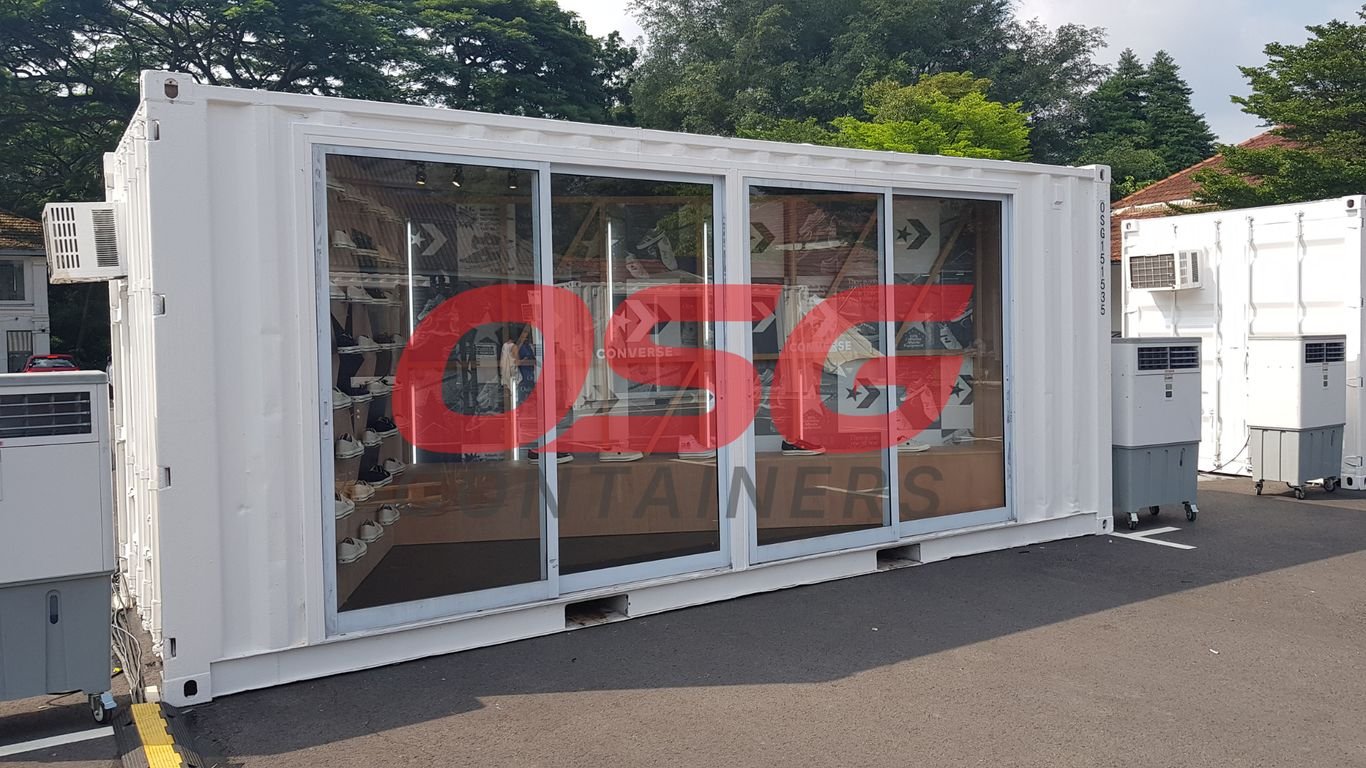
So, you’ve heard about these shopbox things, right? They’re basically these mobile units that can be set up almost anywhere. It’s a pretty neat idea, especially if you’re looking to get your brand out there in a different way. Think of them as a small, portable storefront or a pop-up space. They’re not just for selling stuff, though; they can be a whole experience. We’ll look at how these shopbox units really mix mobility with some serious branding power.
Key Takeaways
- A shopbox is a mobile unit that offers a flexible way to establish a brand presence.
- Strategic planning is vital for maximizing the impact and reach of a shopbox venture.
- Shopbox design allows for creative customization to align with brand identity and customer experience.
- These units offer a sustainable and often more affordable entry into business compared to traditional setups.
- The mobility of a shopbox provides significant advantages for adapting to market changes and participating in events.
Defining Your Shopbox Ambition
Clarifying Business Objectives for Your Shopbox
So, you’re thinking about getting a shopbox. That’s cool. But before you get too far, let’s figure out what you actually want this thing to do. It’s not just about having a cool, mobile spot. What’s the main goal here? Are you trying to sell more products, get more people to know your brand, or maybe test out a new idea in a different neighborhood? Knowing this upfront makes all the difference. It helps you decide where to put it, what it should look like, and how you’ll even measure if it’s working.
Here are some common goals:
- Boost Sales: Directly increase revenue by setting up in high-traffic areas.
- Brand Awareness: Get your name out there and make more people familiar with what you do.
- Market Testing: Try out new products or services in a low-risk, flexible way.
- Customer Engagement: Create a unique, hands-on experience for your customers.
Without a clear objective, your shopbox might just end up being a fancy, empty box.
Identifying Target Audiences and Their Locations
Okay, so you know what you want your shopbox to achieve. Now, who are you trying to reach? Think about the kind of people who would be interested in what you’re offering. Are they students near a campus? Office workers in the business district? Families at a weekend market? Once you have a picture of your ideal customer, you need to figure out where they actually spend their time. This isn’t just about guessing; it’s about smart placement. You want to be where the action is, where your potential customers are already gathered.
Consider these factors:
- Demographics: Age, income, lifestyle of your target group.
- Daily Routines: Where do they work, study, shop, or relax?
- Event Attendance: What local events or festivals do they frequent?
Mapping Strategic Placement Opportunities
This is where you put all the pieces together. You’ve got your goals and you know who you’re trying to reach. Now, let’s find the best spots for your shopbox. Think about places with good foot traffic, but also places that make sense for your brand. A trendy coffee shop might do well near a university, while a high-end boutique might be better suited near a popular shopping mall or a busy downtown area. Don’t forget about special events, too – festivals, markets, or even corporate gatherings can be prime locations. Sometimes, just being visible in an unexpected but relevant spot can make a big impact. It’s about finding that sweet spot where your shopbox can be seen by the right people at the right time.
Crafting Your Shopbox Brand Identity
Aligning Shopbox Design with Brand Messaging
Your Shopbox is more than just a portable structure; it’s a physical manifestation of your brand. The first step is making sure its appearance screams who you are. Think about the colors, the logo placement, and the overall aesthetic. Does it feel sleek and modern, or more warm and inviting? This visual language needs to match the story you’re trying to tell. It’s like dressing for the occasion – your Shopbox needs to look the part.
Creating Immersive Interior Brand Experiences
Once someone steps inside, you’ve got a golden opportunity to really pull them into your brand’s world. It’s not just about selling products; it’s about creating a feeling. The layout, the materials used, even the background music can all contribute. You want people to feel like they’ve stepped into a space that perfectly represents your brand’s personality. Consider how the flow of the space guides customers and what kind of atmosphere you want to create.
Here’s how different design choices can shape the experience:
- Minimalist Modern: Clean lines, simple furniture, and neutral tones. Great for tech brands or high-end fashion.
- Rustic Industrial: Exposed materials, wood accents, and vintage touches. Perfect for craft breweries or artisanal bakeries.
- Vibrant & Playful: Bright colors, bold graphics, and quirky decor. Ideal for children’s brands or ice cream shops.
The interior design is where you can really get creative. Every detail, from the counter design to the smallest decorative item, should reinforce your brand’s message and make the customer feel connected.
Leveraging Visual Appeal in Urban Settings
Shopboxes have a unique advantage in busy urban environments. Their industrial roots give them an interesting look that stands out against typical buildings. They can add character to a street corner or a park. People are often drawn to their distinctiveness. It’s that contrast between the container’s structure and the carefully designed interior that makes them so eye-catching. They become landmarks, drawing attention and creating a memorable presence in the city landscape.
The Strategic Advantage of Shopbox Mobility
Shopbox units really change how businesses show up in the city. The big sell here is how easy it is to pick up and move your entire storefront. If one area dries up or if a crowd pops up somewhere new, your business isn’t stuck—you can literally follow the action. For many business owners in Singapore, this is a way to stay quick on your feet and never miss a chance.
Adapting to Market Demand with Relocatable Units
- Shopbox lets you avoid getting locked into a long lease or a dead spot with no foot traffic.
- If a new mall or block of flats goes up, or an old busy spot slows down, you can move to where people are actually spending time.
- This makes it easier to test out business ideas in new neighborhoods without a huge commitment or high risk.
When all the best customers shift to a brand new part of town, you can roll your shopbox over, open the doors, and keep doing business. Most traditional stores are just stuck waiting and hoping foot traffic comes back.
Capitalizing on Events and Festivals
Some of the most exciting opportunities for shopbox businesses come during events and festivals. Singapore has loads of these every year—think music festivals, pop-up markets, or big sporting events. Those short bursts of huge crowds can make your month. With a relocatable setup, it’s simple to show up where the most people are for just a weekend or even a single day.
Getting set up for an event looks something like this:
- Spot-check the event location for available power and space.
- Schedule your box move—most companies can arrange this in just a day or two.
- Plug in, decorate, and get ready for a fast rush of sales and brand exposure.
Optimizing Location Through Rotation Schedules
One trick that experienced shopbox owners use is rotating locations. Don’t just pick one spot and camp there—set up a regular schedule for moving between high-traffic areas. You might do office districts during weekdays and malls or parks on weekends. This keeps your brand in front of fresh faces and can help you figure out which places give you the best returns.
Here’s a quick table comparing shopbox rotation benefits:
| Rotation Frequency | Typical Goal | Example Locations |
|---|---|---|
| Weekly | Reach office crowds | Shenton Way, CBD |
| Monthly | Target new residents | New BTO neighborhoods |
| Special Events (ad hoc) | Max out peak sales | F1, Food Fests |
By staying flexible and being ready to move, a business using the shopbox model can keep up with trends, customers, and new opportunities. It all comes down to not being afraid to shake things up—sometimes, literally.
Shopbox as a Community and Cultural Anchor
Fostering Community Belonging Around Your Shopbox
A really well-placed Shopbox isn’t just a place to grab coffee or a quick bite—it’s where people start to linger, chat, and recognize neighbors. You see it almost overnight: folks stop by on their morning walk and end up talking with the barista or bumping into friends. This sense of belonging comes from how open and casual a Shopbox feels. It turns a simple container into a landmark that locals start counting on.
- Built-in sense of familiarity as regulars visit again and again
- It breaks down the usual formal barriers between business and customer
- Often becomes a go-to place for sharing news or planning local happenings
If you ever want proof that a business can truly shape a neighborhood, just watch how a Shopbox energizes an empty park or forgotten corner—it’s like flipping on a light switch for the whole area.
Enhancing Local Culture with Innovative Concepts
In Singapore, culture is all about blending old with new. Shopboxes are perfect for this, because they don’t just sell things—they introduce new concepts in a familiar space. Some owners showcase local artists, others serve traditional street food with a modern twist. The Shopbox can be whatever the neighborhood needs most. People crave this local touch and variety that’s always a little different from what’s already established.
- Pop-up galleries or micro-exhibitions
- Rotating food stalls featuring hawker favorites
- Workshops or interactive classes with local makers
| Shopbox Cultural Impact | Example Uses | Frequency (per month) |
|---|---|---|
| Art Display | Local art pop-ups | 3-4 |
| Food Innovation | New food launches | 2 |
| Live Events | Mini performances | 1-2 |
Transforming Spaces into Vibrant Gathering Points
Empty patches of concrete or unused corners don’t stay that way for long when a Shopbox rolls in. These units give a spark to places people hardly noticed before. Suddenly, you have a place where kids can grab a snack after school, office workers flock for lunch, or families gather on the weekend. The physical setup is flexible—sometimes just a few stools outside, maybe a standing counter—but it’s enough to get people gathering. Shopboxes bring energy, and that buzz spreads quickly.
- Quick to set up and take down, so spaces stay dynamic
- Bright, custom paint and branding brings instant attention
- Flexible interiors mean the Shopbox adapts to the crowd (hot drinks at dawn, street food at lunch, art shows in the evening)
A Shopbox in the right place at the right time changes everything. Suddenly, people notice their surroundings, see their neighbors more often, and start treating the area like an extension of home.
Sustainability and Cost-Effectiveness of Shopbox
Starting a business can feel like a big financial mountain to climb, right? Traditional shops often demand a hefty sum for land, construction, and all the interior work. That’s where Shopbox really changes the game. These units offer a much more budget-friendly way to get your business idea rolling.
Eco-Friendly Construction of Repurposed Units
Many Shopbox units get their start as repurposed shipping containers. This is a pretty smart move, giving these sturdy boxes a second life instead of letting them sit idle. Using recycled materials means we’re not demanding as many new resources, which is a win for the planet. It cuts down on waste and the energy needed to produce brand-new building supplies. Plus, the building process itself can be quite straightforward, often taking less time and fewer resources than putting up a standard building.
Achieving Operational Sustainability
It’s not just about how they’re built; it’s also about how they operate day-to-day. Many Shopbox businesses focus on being green in their daily routines. This might involve using energy-saving appliances to cut down on electricity use. They might also partner with suppliers who practice fair trade, making sure everyone involved gets a fair deal. Reducing waste is another big focus – think composting coffee grounds or minimizing packaging. These practices not only help the environment but also attract customers who appreciate businesses that care.
An Affordable Entry into Entrepreneurship
Let’s talk about the money. The initial cost for a Shopbox is typically much lower than a traditional storefront. You’re not paying for prime real estate in the same way, and the container itself is a ready-made structure. This lower startup cost opens the door for more people to become business owners. It’s a practical way to test out a business concept or expand an existing brand without taking on massive debt.
Here’s a quick look at potential cost differences:
| Feature | Traditional Café | Shopbox Unit |
|---|---|---|
| Initial Build Cost | High | Moderate |
| Land Acquisition | High | Low/Rental |
| Renovation/Fit-out | High | Moderate |
| Time to Open | Long | Shorter |
The financial advantage of a Shopbox isn’t just about saving money upfront; it’s about creating a more accessible path to entrepreneurship and allowing for quicker returns on investment due to lower overheads.
These units are a fantastic way to get your business off the ground without breaking the bank. They offer a practical and environmentally conscious approach to starting and running a business in Singapore.
Executing Your Shopbox Vision
So, you’ve got this awesome idea for a Shopbox, and you’ve figured out where you want it to go and what it should look like. That’s great! But now comes the part where we actually make it happen. It’s like planning a big trip – you need to know where you’re going, but you also need to pack the right things and figure out the route. This section is all about turning that plan into a real, working Shopbox.
Integrating Strategy with Practical Implementation
This is where the rubber meets the road, so to speak. Your grand strategy needs to connect with the nitty-gritty details of getting your Shopbox up and running. It’s not just about having a cool design; it’s about making sure that design is buildable, that the materials you chose are available, and that the whole thing fits within your budget. We look at your objectives – maybe it’s selling more products, or maybe it’s just getting your brand name out there in a new way. Then, we figure out the most sensible way to achieve that with your Shopbox.
- Define clear, measurable goals: What does success look like for this specific Shopbox? Is it a certain number of sales, a specific number of social media mentions, or a particular customer feedback score?
- Break down the project into manageable steps: Think of it like building blocks. What needs to happen first, second, and third? This could include design finalization, sourcing materials, construction, permits, and initial staffing.
- Assign responsibilities: Who is doing what? Even if it’s a small team, making sure everyone knows their role prevents confusion and dropped balls.
The most brilliant plans can falter if the execution is messy. It’s about making sure the vision you have for your Shopbox is translated into concrete actions that are realistic and achievable.
Planning the Rollout and Logistics
Once you know what you’re doing, you need to figure out how you’re going to do it. This is the logistics part. If your Shopbox is mobile, how will it get from point A to point B? What kind of vehicle or trailer do you need? If it’s a more permanent setup, how will the construction happen with minimal disruption? We also think about staffing – who will be running the Shopbox? Do they need special training? And what about inventory? Making sure you have enough stock, but not too much, is key.
Here’s a quick look at what goes into planning the rollout:
- Location Scouting & Securing: Confirming the exact spots and getting any necessary permissions.
- Transportation & Setup: Arranging how the Shopbox will arrive and be put in place.
- Staffing & Training: Hiring and preparing the team to operate the unit.
- Inventory Management: Planning initial stock levels and reordering processes.
- Initial Marketing Push: Letting people know your Shopbox is opening and where.
Monitoring Performance and Making Adjustments
Getting your Shopbox out there isn’t the end of the story. In fact, it’s just the beginning. You need to watch how it’s doing. Are sales meeting expectations? Are customers happy? Is the location working out as planned? We use data – sales figures, customer feedback, even social media comments – to see what’s working and what’s not. This feedback loop is super important because it lets you tweak things as you go. Maybe you need to change your opening hours, adjust your product selection, or even move the Shopbox to a different spot. Being able to adapt quickly is what makes a Shopbox business really thrive in a dynamic market like Singapore.
Expanding Your Shopbox Reach
Taking your shopbox business beyond Singapore can sound big, but it’s totally doable with the right approach. A container Singapore business can catch the eye overseas just as easily as at home, as long as you plan for it. Here’s what to keep in mind:
Developing an Export Strategy for Global Markets
If you’re going to ship container units from Singapore to a new country, you have to think more than just transport costs. You want to be sure there’s actual demand for shopbox units where you’re heading. Ask yourself: what does the market look like? Do people there like pop-up retail, or do you need to pitch them something new?
Things to check:
- What are the busiest event spots or tourist areas in your target country?
- Are there local businesses doing something similar with containers?
- Is your shopbox concept flexible enough to survive changes in trends?
Here’s a handy table for comparing new markets:
| Country | Local Interest in Containers | Container Size Preference | Regulations Complexity | Shipping Cost (SGD) |
|---|---|---|---|---|
| Malaysia | High | 20ft | Low | 1,000 |
| Australia | Medium | 20ft/40ft | Medium | 5,000 |
| Japan | Low | 40ft | High | 6,500 |
Adapting Your Shopbox for International Audiences
A one-size-fits-all approach just doesn’t cut it. Tastes and needs are different everywhere. For example, containers Singapore businesses use often focus on tropical weather and urban crowds—other places might have very different vibes and rules.
- Adapt the look and feel to match local festivals, designs, or city colors
- Consider language, local food or product regulations, and even how folks shop
- Change container size if smaller or bigger boxes make more sense abroad
Navigating Logistics and Local Regulations
Shipping is just one part of the hassle. Every country has its own set of rules for importing containers, setting up shops, and handling permits.
- Find a local partner—someone who’s done import/export before with containers or retail
- Check for hidden fees like port taxes or city licensing
- Stay updated on power, water, and safety codes for your shopbox
Expanding a shopbox brand is about getting things done step by step, not just dreaming big. With a clear plan and a knack for adapting, your container Singapore idea can stand out far from home.
Remember: Regulations shift fast, so always double-check the latest rules before rolling out your container. If you hit snags, you’re not alone—everyone fumbles a bit on the first run. Just keep your eyes open, make quick adjustments, and don’t let a paperwork headache throw you off your game.
Wrapping It Up
So, there you have it. Shopboxes are more than just trendy pop-ups; they’re a smart, flexible way for businesses in Singapore to get noticed and connect with customers. Whether you’re aiming to build a strong brand image, test new markets, or just create a unique customer experience, these mobile units offer a practical and often more affordable path forward. It’s about taking your brand beyond the usual four walls and bringing it directly to the people. With a bit of planning and creativity, turning a simple container into a thriving business is totally within reach.
Frequently Asked Questions
What exactly is a Shopbox?
Think of a Shopbox as a cool, portable shop or cafe built inside a shipping container. It’s a smart way to set up a business that can be moved around easily, making it great for different locations or events.
Why are Shopboxes good for branding?
Shopboxes are like a blank canvas for your brand! You can design the outside and inside to perfectly match your company’s style and message. This makes it super noticeable and helps people remember your brand.
Are Shopboxes good for the environment?
Yes, many Shopboxes are made from old shipping containers, which is a fantastic way to reuse materials. Plus, they often use energy-saving features and eco-friendly supplies, making them a greener choice.
Is it expensive to start a business with a Shopbox?
Generally, starting a business with a Shopbox can be more affordable than opening a traditional store. You save money on building costs, and because they’re smaller, your initial investment can be much lower.
Can I move my Shopbox if I want to change locations?
Absolutely! That’s one of the biggest perks. Shopboxes are designed to be moved. This means you can take your business to where the customers are, whether it’s a new neighborhood, a busy park, or a fun festival.
How do Shopboxes help build a community?
Shopboxes can become popular spots where people gather. They’re often placed in public areas, making them natural meeting places. They can also host small events or exhibitions, bringing people together and creating a lively community vibe.