Singapore
 Australia
 Indonesia
 Japan
Japan Malaysia
 New Zealand
 Philippines
 South Korea
 Taiwan
 Thailand
 VIETNAM
Thinking about shaking up how your team works in Singapore? Maybe that old office just isn’t cutting it anymore. It’s time to look at a mobile office setup, which really means using flexible workspaces like coworking spots. This isn’t just a trend; it’s a smart way for businesses to stay agile and keep their people happy. We’ll walk through how to figure out what you need, where to set up shop, and how to make it all work smoothly.
Key Takeaways
- Figure out what your business really needs in a workspace before looking at options. Think about team size, budget, and must-have features.
- Location matters. Pick a spot that makes it easy for your team to get to and for clients to find you. Think about different neighborhoods in Singapore for different vibes.
- Moving to a flexible workspace is a big change. Plan it out step-by-step, get your team involved, and test things out before fully committing.
- Make sure your new workspace helps your team get work done. Set up rules for quiet and busy areas, and use the community around you.
- The best part of a mobile office is its flexibility. Be ready to change your space needs as your business grows or shrinks, and use this freedom to your advantage.
Understanding Your Mobile Office Needs
Assessing Business Requirements for Flexible Workspaces
Before you even start looking at spaces, it’s a good idea to sit down and really think about what your team actually needs to get their work done. It’s not just about finding a desk; it’s about creating an environment where people can be productive and happy. So, what does that look like for your business?
Think about the day-to-day. Do your employees need quiet spots to focus, or is your work more about constant collaboration? Maybe it’s a mix of both. Also, consider how your team size might change. Are you expecting to grow in the next year, or perhaps scale back a bit? Knowing this helps you pick a space that can grow with you or shrink if needed.
Key Questions for Workspace Evaluation
When you’re checking out potential spots, have a list of questions ready. It helps keep things organized and makes sure you don’t forget anything important. Here are a few things to consider:
- What kind of setup works best? Are hot desks enough, or do you need private offices and plenty of meeting rooms? Think about how often you have client meetings or team brainstorming sessions.
- How many people will be using the space? And how might that number change? It’s good to have an idea of your headcount for the next year or so.
- What’s your budget? Coworking spaces in Singapore can vary a lot in price. You’ll want to know what you’re comfortable spending.
- Are there any must-have features? Things like 24/7 access, super-fast internet, or specific types of common areas can make a big difference.
Asking these questions upfront helps you filter through options much faster. It’s like having a map before you start a road trip – you know where you’re going.
Budgeting for Coworking Solutions in Singapore
Figuring out the cost is a big part of this. Coworking spaces aren’t just one price fits all. You’ve got different types of memberships, from daily passes to dedicated desks and private offices. The location also plays a huge role – spaces in the CBD will naturally cost more than those a bit further out.
Here’s a rough idea of what you might expect, though prices can change:
| Space Type | Estimated Monthly Cost (SGD) | Notes |
|---|---|---|
| Hot Desk (Shared) | $300 – $600 | Access to common areas, first-come basis. |
| Dedicated Desk | $500 – $900 | Your own assigned desk. |
| Private Office | $1,000+ | For teams needing privacy and security. |
Don’t forget to factor in extras. Some places include meeting room credits, printing, or even snacks and coffee. Others charge extra for these. Always ask for a full breakdown of costs before signing anything. It’s easy to get caught out if you’re not clear on what’s included.
Strategic Location Selection for Your Mobile Office
Picking the right spot for your mobile office setup in Singapore is a big deal. It’s not just about finding a desk; it’s about where your business can best connect with people and opportunities. Think about who you need to meet – clients, partners, or maybe even new hires. The area you choose can make a real difference in how easy it is for them to get to you, and how it reflects on your company’s image.
Notable Coworking Districts in Singapore
Singapore has several areas that are popular for flexible workspaces, each with its own vibe and advantages.
- Raffles Place & Marina Bay: These are the heart of the financial and tech worlds. If your business is in these sectors, being here puts you right in the middle of the action, making it easy to connect with similar companies and top talent.
- Tanjong Pagar & Chinatown: These districts often attract more creative types and startups. The energy here is different, often more dynamic and buzzing with new ideas. It’s a good choice if your company culture leans towards innovation and a less corporate feel.
- Paya Lebar: This area offers a good balance. You get a quality workspace without the premium price tag of the absolute city center. It’s becoming a hub for various businesses looking for accessibility and value.
- Orchard Road: Known for its upscale shopping, this area also appeals to businesses that want a prestigious address and a sophisticated environment. It’s great for networking and making a strong impression.
Impact of Location on Talent and Client Access
Where your mobile office is located directly influences your ability to attract good people and serve your clients. A central, easily accessible location means less travel time for your team and makes it simpler for clients to visit. If you’re in a district known for your industry, you’re more likely to find skilled workers who want to be close to other businesses in their field. Conversely, a location that’s a hassle to get to can be a turn-off for potential employees and might make clients think twice about meeting up.
The choice of location for your site office or any flexible workspace isn’t just a logistical decision; it’s a strategic move that impacts your company’s visibility, accessibility, and talent pool. Consider the daily commute for your team and the ease of access for your clients when evaluating different districts.
Leveraging Multi-Site Memberships
Many coworking providers understand that businesses need flexibility. That’s why some offer memberships that give you access to multiple locations across Singapore, and sometimes even globally. This is a game-changer for companies with remote teams or those who need to meet clients in different parts of the city. Instead of being tied to one fixed site office, you can use the space that makes the most sense for that particular day or meeting. It’s a smart way to maximize your reach and adapt to different business needs without the commitment of multiple leases. This kind of elasticity is key for modern businesses.
Transitioning to a Mobile Office Environment
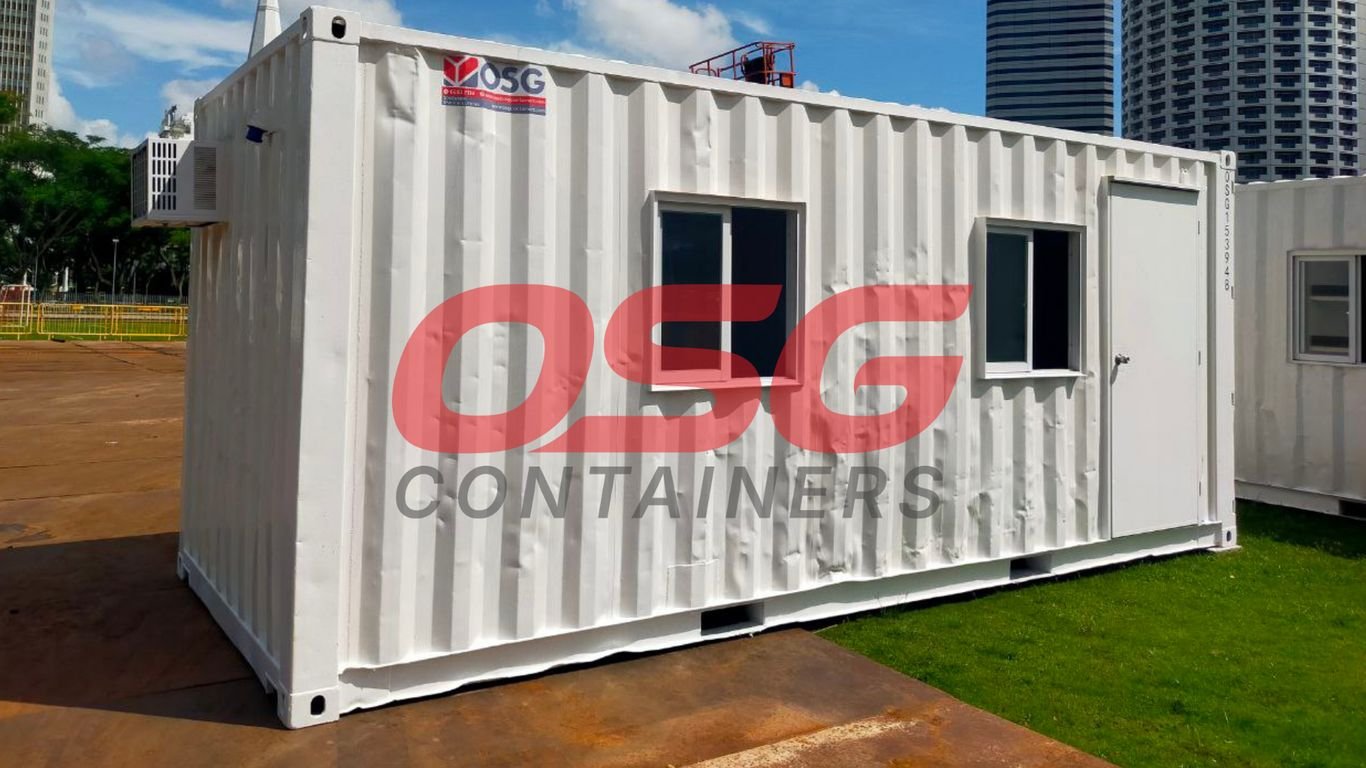
It feels like every month a new coworking location pops up in Singapore, and it’s easy to see why. Companies need room to grow and shrink as things change, and that just isn’t possible in a regular office setup. Coworking also attracts small teams, independent consultants, and even big brands looking to save money on rent or just wanting to be closer to clients. There’s the added bonus of immediate community, spontaneous collaboration, and sometimes—let’s be honest—a better coffee machine than your old place. Lately, options like an office in a container or a container office have become popular, letting teams skip traditional leases entirely and just get to work.
Making the jump from a classic office to a mobile or coworking space is not just about moving laptops. You’ll want to rethink habits, team meetings, and even where you stash your lunch. Here’s how teams often manage the shift:
- Short-Term Pilots: Try a space for one month before deciding. Many coworking spots offer monthly memberships, so you don’t have to lock into anything long term right away.
- Involve Everyone: Bring your team along for workspace tours and encourage open conversations about what changes and what doesn’t. The more included they feel, the smoother the process goes.
- Test the Basics: Before moving fully, check if the Wi-Fi’s stable, there are enough meeting rooms, and you can access key services like printing or private phone booths.
| Consideration | Old Office | Mobile Office/Coworking |
|---|---|---|
| Lease duration | 2-3 years | 1 month (typical) |
| Setup speed | Weeks/months | Days/hours |
| Space adjustment | Slow, costly | Fast, flexible |
| Community/networking | Limited | Built-in |
| Cost predictability | Fixed/rigid | Variable/adaptable |
A flexible workspace like a container office can offer surprising speed and flexibility. If your business needs to expand quickly, you can do it in days, not months, and it’s so much less of a headache than hunting for a new lease.
If you’re used to each person having a desk with a drawer for their mug collection, coworking—or setting up an office in a container—will shake things up. Teams usually need a couple of weeks to get into a groove. Here are some things that help:
- Agree on quiet and collaborative zones, so everyone knows where to do heads-down work or chat about projects.
- Set times for in-person meetings since folks might not all be in at the same time anymore.
- Develop rituals, even small ones, like weekly coffee catch-ups or booking Friday afternoon brainstorms in a meeting pod.
After the awkward adjustment phase, many teams find the new setup actually helps re-energize daily routines. People often discover new ways to work together without the rigid walls of old offices.
Optimizing Productivity in a Mobile Office
Moving into a flexible workspace is more than just changing your address; it’s about rethinking how your team gets things done. To really make it work, you need a plan. It’s not just about having a desk; it’s about creating an environment where people can focus and collaborate effectively.
Establishing Norms for Quiet and Collaborative Zones
Think about how your team actually works. Some tasks need deep concentration, while others benefit from a bit of buzz. Most coworking spaces have different areas, and it’s smart to use them wisely. Clearly define which areas are for quiet work and which are for team discussions. This helps avoid those awkward moments where someone’s important call interrupts a focused work session, or vice versa. Booking private rooms for sensitive conversations or important video calls is also a good idea. It keeps things professional and respects everyone’s need for privacy.
Customizing Workstations for Team Workflow
Even in a shared space, small personal touches can make a big difference. Bringing in your own ergonomic mouse or a favorite desk lamp can make your spot feel more like yours. If your team works closely together, arranging your desks in a way that makes sense for your projects can really help. Maybe you need to be able to easily share screens or have quick chats without standing up. Experiment a little to find what makes your team’s daily workflow smoother.
Harnessing the Coworking Community Ecosystem
One of the biggest perks of coworking is the people. You’re suddenly surrounded by professionals from all sorts of industries. Don’t just sit in your own bubble. Make an effort to connect. Attend any events the space hosts, introduce yourself to people, or just strike up a conversation in the kitchen. You never know where a simple chat might lead – maybe a new client, a helpful contact, or even a future business partner. It’s like having a built-in network ready to go.
The key is to be intentional about how you use the space. It’s not just about showing up; it’s about actively shaping your work environment to support your team’s goals and well-being. Small adjustments can lead to significant improvements in how everyone feels and performs day-to-day.
Maximizing Flexibility with Your Mobile Office
Adapting Space Usage to Evolving Business Needs
Businesses today aren’t static, and your workspace shouldn’t be either. The beauty of a mobile office setup, especially within a coworking framework, is its inherent adaptability. Think about it: your team’s needs can shift from one quarter to the next. Maybe you’re bringing on a new project that requires a dedicated team zone for a few months, or perhaps you need more quiet spots for focused work during a busy product launch. Coworking spaces are built for this kind of ebb and flow. You can often reconfigure your setup, book different types of rooms as needed, or even adjust the number of desks you’re using with relative ease. It’s about having a workspace that grows and shrinks with your business, rather than being locked into a fixed space that’s either too big or too small.
Scaling Up or Down with Agile Leases
One of the biggest wins with flexible office solutions is the ability to avoid those rigid, long-term leases that traditional offices demand. Instead, you’re looking at memberships or shorter-term agreements. This means if your company suddenly needs to expand because you landed a big client, you can often just request more desks or a larger private office. On the flip side, if you need to tighten your belt or restructure, you can reduce your footprint without the headache of breaking a lease or subletting unwanted space. This agility is a game-changer for managing costs and keeping your operations lean.
Here’s a quick look at how scaling might work:
- Expansion: Need more space? Many providers allow you to add desks or upgrade to a larger office within weeks.
- Contraction: Business slows? You can often reduce your desk count or move to a smaller space at the end of your current term.
- Project-Based Needs: Require a temporary hub for a specific project? Book a private office or a block of hot desks for the duration needed.
The Advantage of Operational Elasticity
Ultimately, this flexibility translates into operational elasticity. It means your business can pivot more quickly when opportunities arise or when market conditions change. You’re not weighed down by inflexible real estate commitments. This nimbleness allows you to experiment with new strategies, respond to client demands faster, and generally operate with a lighter, more responsive touch. It’s about having the freedom to make decisions based on business needs, not on the constraints of your physical office space.
The ability to adjust your workspace on demand is more than just a perk; it’s a strategic advantage. It allows businesses to remain agile, control overheads effectively, and maintain a dynamic work environment that supports continuous growth and adaptation in Singapore’s fast-paced market.
Enterprise Solutions for Mobile Office Strategies
Customized Environments for Large Corporate Clients
Big companies are really looking at how they use office space these days. This opens up chances for coworking places to offer services that fit larger businesses. Some top providers can now create custom spaces that really show off a company’s brand and culture. Think about dedicated areas for your teams that offer privacy but still let them be part of the larger coworking vibe. Plus, they can hook up technology that works smoothly with your existing IT systems. This means you get a workspace that feels like yours, but with all the flexibility of a shared environment.
Supporting Hybrid Work Policies with Flexible Spaces
Many businesses are going with hybrid work, mixing remote days with time in the office and coworking spots. Flexible space providers can help make this work. They often have programs that let employees use different locations, which is handy if your team is spread out. Some even offer dashboards so you can see how the spaces are being used and keep an eye on costs. They also have meeting rooms and collaboration areas that are great for teams that don’t see each other every day.
Integrated Technology and Scalable Solutions
When you’re a larger company, technology needs to be solid. Coworking spaces that cater to enterprises usually have robust Wi-Fi, printing, and meeting room tech. They can often connect with your company’s IT infrastructure, making things easier. The best part is the scalability. If your team grows or shrinks, you can adjust your space needs without a huge hassle. It’s about having a workspace that can grow and change with your business.
Here’s a quick look at what enterprise solutions often include:
- Branded Spaces: Work areas designed to reflect your company’s identity.
- Dedicated Zones: Private areas for teams within a shared space.
- IT Integration: Technology that connects with your existing systems.
- Analytics: Tools to track space usage and manage expenses.
- Scalability: Options to easily adjust space as your needs change.
Choosing the right flexible workspace partner for your enterprise means looking beyond just desks and chairs. It’s about finding a solution that supports your company culture, technological needs, and long-term growth strategy.
Wrapping Up Your Flexible Workspace Journey
So, we’ve looked at how mobile offices, or coworking spaces, are really changing the game for businesses in Singapore. It’s not just about finding a desk anymore; it’s about finding a space that fits how your team actually works best. Whether you’re a small startup needing to keep costs down or a bigger company looking for more flexibility, there are options out there. Thinking about location, what your team needs, and how to make the move smoothly are the big things to keep in mind. It seems like this flexible way of working is here to stay, and Singapore’s got plenty of cool spots to try out. It’s worth exploring if this could be the right move for your business to stay agile and keep your people happy.
Frequently Asked Questions
What exactly is a mobile office, and why should my business consider one in Singapore?
A mobile office, often called a coworking space, is a shared work environment where you can rent desks or private offices. It’s like having a flexible office that can grow or shrink with your business. Businesses in Singapore are choosing them because they offer lower costs than traditional offices, chances to meet other professionals, and a more adaptable way to work, which is great for staying competitive.
How do I figure out the best type of mobile office space for my company?
Start by thinking about what your team really needs. Do you need a quiet spot to focus, or a place for lots of team meetings? Consider how many people you have and if that number might change soon. Also, think about your budget and if there are any must-have features, like super-fast internet or specific kinds of meeting rooms. Knowing these things helps you pick the right kind of space.
Are there specific areas in Singapore that are better for mobile offices?
Yes, different neighborhoods have different vibes. Places like Raffles Place and Marina Bay are popular for finance and tech companies. Tanjong Pagar and Chinatown attract more creative startups. Paya Lebar offers good value, and Orchard Road is known for its upscale feel. Choosing a location that fits your industry and makes it easy for clients and employees to get to is a smart move.
How can my team stay productive in a coworking space?
It’s all about setting clear expectations. Make sure there are designated quiet zones for focused work and areas for team chats. Encourage booking private rooms for important calls or meetings. You can also make your personal workspace more comfortable and efficient by bringing in a few familiar items or arranging things in a way that helps your team’s workflow.
What if my business needs change? Can a mobile office adapt?
Absolutely! That’s one of the biggest perks. If your team grows, you can usually get more desks or a bigger office space pretty quickly. If you need to downsize, you can often do that too without being stuck in a long, expensive lease. This ability to change your space as needed, called operational elasticity, is a huge advantage for staying nimble.
Can big companies use mobile office solutions, or is it just for small startups?
Big companies are definitely using them! Many coworking providers offer special packages for larger businesses. These can include designing custom office areas that match the company’s brand, providing secure spaces for teams, and setting up technology that works with the company’s existing systems. It’s a great way for larger organizations to support hybrid work and have flexible office options across the city.