Singapore
 Australia
 Indonesia
 Japan
Japan Malaysia
 New Zealand
 Philippines
 South Korea
 Taiwan
 Thailand
 VIETNAM
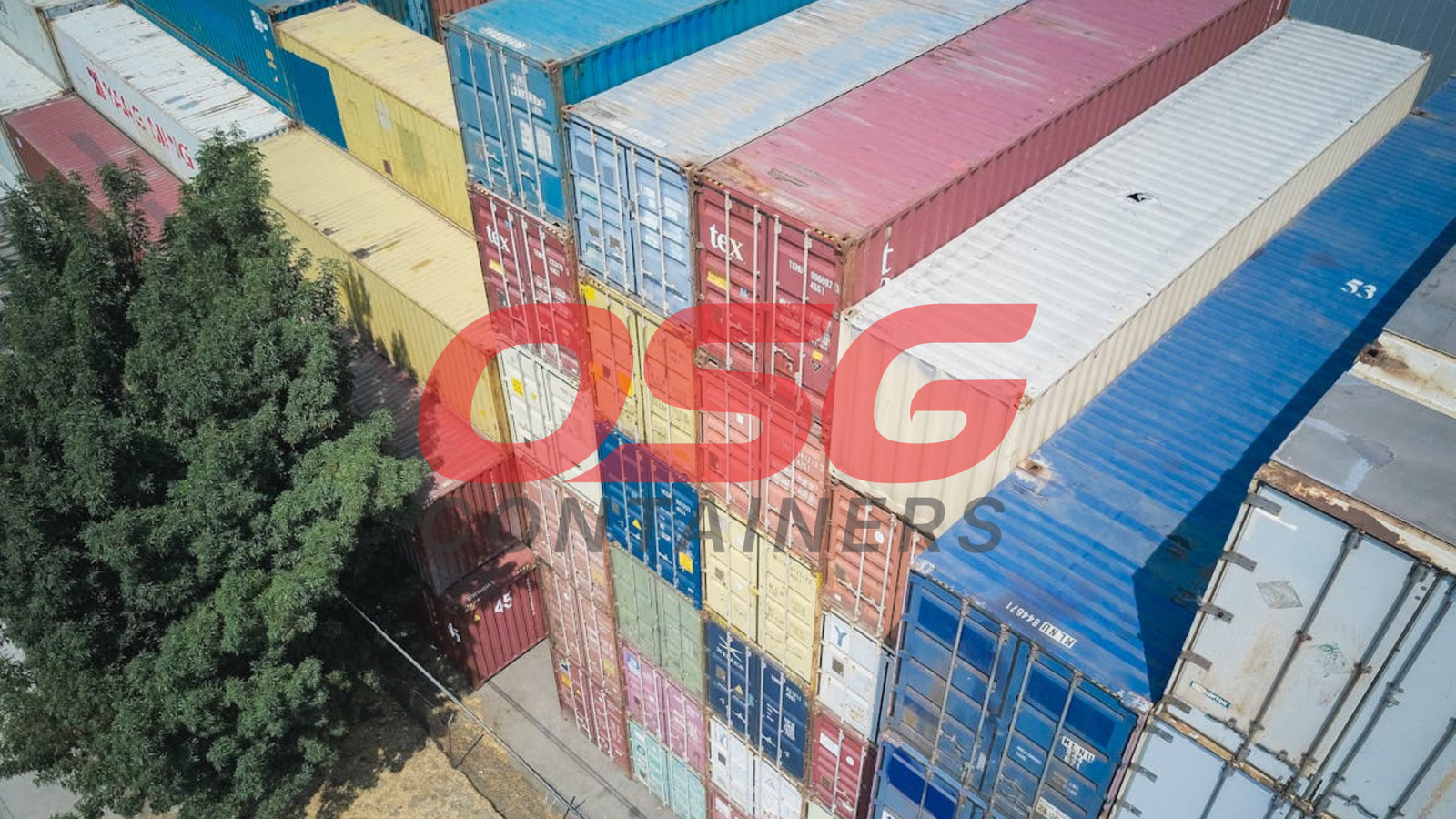
Transporting chemicals safely in Singapore means picking the right container tank. It’s not as simple as just grabbing any old tank; you’ve got to think about what you’re shipping, how much of it there is, and how it’s going to get there. We’ll break down what you need to know to make sure your cargo arrives safe and sound, and that you’re following all the rules. Getting the container tank choice right is a big deal for your business.
Key Takeaways
-
Different types of container tanks exist for various needs, from food-grade and specialized chemicals to pressurized gases and super-cold cryogenic liquids.
-
When selecting a container tank, always consider the specific properties of your cargo, its volume, and any temperature or pressure requirements for safe transport.
-
Container tanks are built with strong materials and include safety valves to prevent leaks and accidents, adhering to international standards for reliable shipping.
-
Understanding tank codes, material compatibility, and size is important for choosing a container tank that matches your cargo and transport method.
-
While new container tanks offer the latest features, used tanks can be cost-effective if properly inspected and certified, ensuring safety remains the top priority.
Understanding Container Tank Classifications
When you’re looking at moving liquids or gases in bulk, you’ll quickly run into the world of container tanks, especially the common ISO tank. These aren’t just generic metal boxes; they’re specialized pieces of equipment designed for specific types of cargo. Choosing the right type of tank container is the first step to a safe and efficient transport.
Food-Grade Container Tanks
These tank containers are all about keeping your food and beverage products pure and safe. They typically have a polished stainless steel interior to prevent any contamination and make cleaning a breeze. Think of things like milk, juices, edible oils, and even some alcohols. They’re built to meet strict hygiene standards, often featuring special valves and connections that are easy to clean, sometimes even ready for Clean-In-Place (CIP) systems. This ensures that flavors don’t transfer between loads and that audits are a lot less stressful.
Specialized Chemical Container Tanks
This is a broad category, covering everything from relatively mild chemicals to highly corrosive or hazardous ones. The key here is material compatibility. You’ll find tanks made from different grades of stainless steel, or sometimes with special linings like PTFE or epoxy, to stand up to aggressive substances. These tanks are rated for specific chemical groups, and it’s super important to match the tank’s rating to the chemical you’re shipping. Codes like T11 through T22 give you an idea of the pressure and hazard level a tank is designed for.
Pressurized Gas Container Tanks
Moving gases like LPG or ammonia requires tanks built to handle significant pressure. These aren’t your everyday liquid tanks. They are specifically designed and tested to safely contain gases that are either liquefied under pressure or stored at very low temperatures. Safety features like robust pressure relief valves are absolutely critical here to prevent over-pressurization. These are often referred to as IMO/UN tanks, indicating their compliance with international regulations for transporting dangerous goods, including gases.
Cryogenic Container Tanks
When you need to transport gases that are liquefied at extremely low temperatures, like liquid nitrogen or oxygen, you need a cryogenic tank container. These are highly specialized, featuring heavy-duty insulation and vacuum jackets to keep the contents incredibly cold and prevent them from boiling off. They’re designed to maintain these super-low temperatures for extended periods, which is vital for preserving the integrity of the product during transit. They look quite different from standard ISO tanks due to the extensive insulation layers.
Here’s a quick look at some common types:
-
Standard Tanks (e.g., T11): Good for non-hazardous liquids like glycols or edible oils. Versatile and widely used.
-
Food-Grade Tanks: For products where purity and hygiene are paramount. Easy to clean and prevent flavor transfer.
-
Chemical Tanks (e.g., T14, T22): Built with specific materials or linings to handle a range of chemicals, including hazardous ones.
-
Gas Tanks (IMO/UN): Designed to safely transport liquefied or pressurized gases.
-
Cryogenic Tanks: For extremely cold liquefied gases, with advanced insulation.
It’s really important to know that not all tank containers are the same. The material they’re made from, the pressure they can handle, and any special coatings or insulation all matter a lot. Using the wrong tank can lead to leaks, contamination, or even dangerous situations. Always double-check what your cargo needs and what the tank is rated for before you load anything up.
Key Considerations for Container Tank Selection
Alright, so you’ve got something to ship, and you’re looking at container tanks. That’s a good start. But picking the right one isn’t just about grabbing the first tank you see. It’s really about matching the tank to what you’re hauling and how it’s going to get there. Let’s break down what you need to think about.
Assessing Cargo Properties and Volume
First off, what exactly are you moving? Is it something for people to eat, a tricky chemical, or maybe a gas? This is the biggest question. You wouldn’t use the same tank for olive oil as you would for battery acid, right? Some liquids need special insides, like super-clean tanks for food, or maybe a tough coating for certain chemicals. You also need to know how much you’re shipping. A 20,000-liter tank is fine, but if you’ve got 25,000 liters, you’ll need a bigger one. Don’t forget if your product needs to stay a certain temperature – some things need to be kept cool or warm.
-
Know your product: Is it hazardous, food-grade, or a gas?
-
Volume check: Does the tank capacity match your shipment size?
-
Material needs: Does the cargo require a specific lining or tank material?
The wrong tank can lead to spoiled goods, safety issues, or expensive fines. Always check the tank’s specs against your cargo’s needs.
Temperature Sensitivity and Control
Some products are real divas when it comes to temperature. Think about pharmaceuticals or certain food items; they can go bad if they get too hot or too cold. You’ll need a tank that can keep things stable. This might mean a tank with built-in heating coils or insulation to keep the temperature steady during the whole trip. It’s important to keep track of the temperature too, especially for regulated goods.
Pressure Requirements for Transport
This is a big safety point. Some liquids, and especially gases, need tanks that can handle a certain amount of pressure inside. If the tank isn’t built for it, things could get dangerous. Always check the tank’s pressure rating and make sure it’s suitable for what you’re carrying. It’s a simple but vital step to avoid accidents.
Essential Safety Features of Container Tanks
When you’re moving chemicals, safety isn’t just a suggestion; it’s the absolute top priority. Container tanks are designed with a whole host of features built right in to keep everything secure, from the moment it’s loaded to when it’s finally unloaded. These aren’t just random additions; they’re engineered to work together.
Robust Construction Materials
The backbone of any safe container tank is what it’s made of. Most tanks are constructed from high-grade stainless steel, like 316L. This material is chosen for its strength and its resistance to corrosion, which is super important when you’re dealing with a wide range of chemicals that can be pretty aggressive. The tank’s shell needs to be thick enough to withstand the rigors of transport, including bumps, vibrations, and temperature changes, without compromising its integrity. The frame itself is also built to ISO standards, making it strong enough to be lifted and stacked, even when full.
Integral Safety Valves and Systems
Beyond the shell, you’ll find several critical safety components. Pressure relief valves are a must-have. If the internal pressure of the cargo gets too high – maybe due to temperature fluctuations or a chemical reaction – these valves automatically release the excess pressure, preventing a dangerous buildup. There are also specialized valves for loading and unloading, designed to minimize the risk of spills and exposure. Many tanks also come with features like rupture discs for an extra layer of protection.
-
Pressure Relief Valves (PRVs): Act as a safety net against over-pressurization.
-
Emergency Shut-off Valves: Allow for quick closure in case of an incident.
-
Dip Tubes and Vent Lines: Designed for safe filling and emptying operations.
-
Manhole Covers: Securely sealed to prevent leaks during transit.
Compliance with International Standards
Before a container tank can even be used for transport, it has to meet a long list of international regulations. You’ll often see a CSC (Container Safety Convention) plate attached, which is proof that the tank has passed rigorous testing and meets global safety requirements. For hazardous materials, compliance with codes like the IMDG (International Maritime Dangerous Goods) code is non-negotiable. These certifications mean the tank has been built and tested to handle specific types of cargo safely, giving everyone involved peace of mind.
The design of these tanks isn’t accidental. Every component, from the thickness of the steel to the type of gasket used, is chosen with safety in mind. Regular inspections and maintenance of these features are key to ensuring they function correctly every single time.
Navigating Container Tank Specifications
When you’re shipping chemicals across Singapore, not all tanks are created equal.
Understanding Tank Codes and Ratings
ISO tank containers have a range of codes—like T11, T14, T22, T50, T75—that describe what they can safely carry. Each code lines up with certain cargo types, pressure limits, and sometimes temperature ranges. Choosing a tank without checking its code is basically guessing, and that never ends well.
-
T11: Wide-ranging use for most non-hazardous and many hazardous chemicals.
-
T14 and above: Stronger specs for more reactive or dangerous goods, higher pressure and thicker walls.
-
T50: Gases under pressure, like LPG and ammonia.
-
T75: Cryogenic liquids, such as liquefied nitrogen or oxygen, often highly insulated.
If you’re unsure, always match your product’s safety data sheet with the tank code. It isn’t just regulation; it’s real-world risk management.
|
Tank Code |
Suitable Cargo Type |
Max Pressure |
Special Features |
|---|---|---|---|
|
T11 |
Acids, solvents, food |
~4 bar |
General chemicals |
|
T14 |
Corrosive, reactive chems |
~4 bar |
Special linings, alloys |
|
T50 |
Gases (LPG, Ammonia) |
up to 34 bar |
Gas relief, reinforced |
|
T75 |
Cryogenics (LN2, LOX) |
<10 bar |
Extreme insulation |
Material Compatibility and Linings
Next up: what’s the tank made of? Most tanks use stainless steel, but aggressive cargo might chew through anything weaker. For some acids or specialty products, the interior could be coated with PTFE or epoxy for extra defense.
-
Always check your chemical’s compatibility with tank material.
-
For really reactive substances, linings or upgraded alloys are a must.
-
Food products require exceptionally clean, polished interiors to avoid contamination.
Trying to transport something aggressive in the wrong tank is a recipe for leaks or contamination, which means downtime, cleanup, and paperwork—basically, a headache for everyone.
Remember, just because a tank looks spotless outside doesn’t mean it’s resistant to your product on the inside.
Container Size and Volume Capacity
Tanks don’t all hold the same amount. The standard in most cases is the 20-foot ISO tank, but swap body tanks come in 40-foot and even 45-foot versions if you need more space and your logistics can handle the size. It’s not only about volume—it’s about making sure you don’t go over maximum fill or weight.
|
Nominal Length |
External Dimensions (L x W x H) |
Internal Capacity |
Max Gross Weight |
|---|---|---|---|
|
20 ft |
20′ x 8′ x 8’6″ |
17,500–26,000 L |
30,480 kg |
|
40 ft (swap) |
40′ x 8′ x 8’6″/9’6″ |
30,000–46,000 L |
36,000–40,000 kg |
|
45 ft (swap) |
45′ x 8′ x 9’6″ |
44,000–50,000 L |
40,000–45,000 kg |
Key points for picking the right size:
-
Check your total cargo volume—going over the tank’s limits causes big problems.
-
Don’t forget weight. Even if a tank fits your liquid, the shipment could be too heavy overall.
-
Consider fill limits; usually, it’s safest to fill between 80% and 95% to minimize sloshing or overpressure from thermal expansion.
Picking the right tank spec is all about matching your chemical’s needs with the tank’s capabilities. Run through these specs before committing—otherwise, your shipment might hit a roadblock at the worst possible place, like a customs checkpoint near Tuas, or outside a busy industrial park.
Choosing Between New and Used Container Tanks
Looking at container tanks for the first time? Here’s where you decide—shiny and new, or stick with a used one that’s still road-worthy. Both have their pros and cons, and what you choose can really affect your transport costs and peace of mind.
Benefits of New Container Tanks
If you want every safety feature with nothing left to chance, new is the way to go. New container tanks bring reassurance—you know exactly where they’ve been and that every part meets the latest standards.
-
Comes with the latest manufacturing upgrades and safety technology
-
Zero wear and tear—no risk of hidden dents or corrosion
-
Full manufacturer support and longer warranty periods
-
Lower risk of unplanned downtime from equipment issues
Table: Quick Comparison
|
Feature |
New Container Tank |
Used Container Tank |
|---|---|---|
|
Upfront Cost |
Higher |
Lower |
|
Warranty |
Yes (full term) |
Sometimes (limited) |
|
Safety Tech |
Latest |
May need upgrades |
|
Service Life |
Longest |
Depends on age |
|
Inspection |
Not needed initially |
Required upfront |
Cost-Effectiveness of Used Container Tanks
When the budget’s tight but you still need solid performance, look at used tanks. They often get the job done for less, as long as you shop smart.
-
Lower initial purchase price
-
Good option for less frequent shipments or non-hazardous cargo
-
Suitable if you’re okay with some cosmetic wear and tear
-
Often available for immediate lease, sidestepping big purchases
Used tanks are popular for short-term projects or when the shipping schedule isn’t steady, letting companies save cash without skimping on utility.
Inspection and Certification for Used Tanks
Buying used isn’t just a handshake deal—you need to know what you’re getting. Always insist on thorough inspections and up-to-date certifications.
Checklist for buying used:
-
Review full maintenance and usage history
-
Request up-to-date cleaning and pressure test reports
-
Check for international certification compliance (like CSC or IMDG plates)
-
Inspect the tank in person for corrosion, dents, or liner damage
-
Confirm all safety valves and seals are in working order
Bottom line: Used container tanks work for many applications, but you need paperwork and proof that they’re safe. Don’t cut corners, and you’ll avoid nasty surprises down the line.
Optimizing Transport with Container Tanks
Intermodal Transport Compatibility
Container tanks are built to fit into the global shipping system. Their standardized dimensions mean they can move easily between ships, trains, and trucks without needing to unload and repack the cargo. This makes switching from one mode of transport to another much smoother. Think about it: a tank that fits on a ship can also be loaded onto a train or a truck. This flexibility cuts down on handling steps, which saves time and reduces the risk of spills or damage. It’s all about making the journey from point A to point B as efficient as possible.
Loading and Unloading Efficiency
Compared to other methods, like using drums or smaller containers, loading and unloading a container tank is generally quicker. Because you’re dealing with one large unit, there are fewer individual items to manage. This means less time spent at the loading dock and faster turnaround times for your vehicles. For certain products, specialized fittings and pumps can make the process even faster and safer. The goal is to get your product moving and delivered with minimal delay.
Reducing Logistics Costs Through Consolidation
Using container tanks can really help cut down on overall shipping expenses. One container tank can hold the equivalent of many smaller drums. This means fewer shipments are needed to move the same amount of product. Fewer shipments translate directly into lower costs for fuel, labor, and administrative tasks. It also means less paperwork to deal with. By consolidating your liquid cargo into fewer, larger units, you streamline your entire supply chain and make your operations more cost-effective.
Here’s a quick look at how capacity stacks up:
|
Container Size |
Typical Internal Capacity |
|---|---|
|
20 ft |
17,500–26,000 L |
|
40 ft (swap) |
30,000–46,000 L |
|
45 ft (swap) |
44,000–50,000 L |
Container tanks are designed for a long service life, often 20 to 35 years with proper care. This durability means they can be used repeatedly, which is not only good for the environment by reducing waste but also for your budget over the long term. Regular checks and maintenance are key to getting the most out of your investment.
Wrapping It Up
So, we’ve covered a lot about picking the right tank for moving your stuff, especially chemicals, here in Singapore. It’s not a one-size-fits-all deal, right? You’ve got to look at what you’re shipping – is it food-grade, a mild chemical, or something that needs a special lining? Then there’s the whole journey: temperature, pressure, and how it’s going to travel. Getting this match right is super important for safety and avoiding costly mistakes. Whether you go for a new tank or a used one, always make sure it’s up to snuff and certified. It might seem like a lot to think about, but taking the time to choose wisely means your cargo arrives safe and sound, and that’s what really matters.
Frequently Asked Questions
What exactly is an ISO tank container?
An ISO tank container is like a big, super-strong tank that fits inside a metal frame. This frame is the same size as a regular shipping container, so it can be easily moved by ships, trains, and trucks. These tanks are used to safely carry liquids, gases, and even some powders from one place to another, all over the world.
How much stuff can an ISO tank hold?
ISO tanks come in various sizes, but a common one is about 20 feet long, similar to a standard shipping container. They can typically hold between 21,000 and 26,000 liters of liquid. Some larger versions, known as ‘Swap Bodies,’ can carry even more, up to 35,000 liters!
Are ISO tanks safe for carrying dangerous materials?
Absolutely! ISO tanks are constructed from tough materials like stainless steel, which resists rust and damage. They also feature special safety valves to prevent leaks. Their robust design makes them an excellent choice for transporting chemicals or other substances that require extra caution.
Can I use the same ISO tank for different kinds of liquids?
It’s generally not recommended to use the same tank for vastly different types of liquids without thorough cleaning and verification. For example, a tank used for food products should never be used for chemicals afterward. Dedicated tanks are often used for specific purposes, especially for food-grade or highly reactive chemicals, to prevent contamination or dangerous reactions.
What are the main types of ISO tanks and what are they used for?
There are several types, including food-grade tanks for things like juices and dairy, specialized chemical tanks for acids or solvents, tanks for pressurized gases like LPG, and cryogenic tanks for super-cold liquids like liquid nitrogen. Each type is designed with specific materials and safety features for its intended cargo.
What’s the difference between buying a new or used ISO tank?
New ISO tanks come with the latest safety features and a full lifespan, but they cost more upfront. Used tanks can be a budget-friendly option, but it’s crucial to ensure they have been thoroughly inspected and certified for safety and compliance before use. Sometimes, renting a tank is also a good alternative if you only need one for a short time.