Singapore
 Australia
 Indonesia
 Japan
Japan Malaysia
 New Zealand
 Philippines
 South Korea
 Taiwan
 Thailand
 VIETNAM
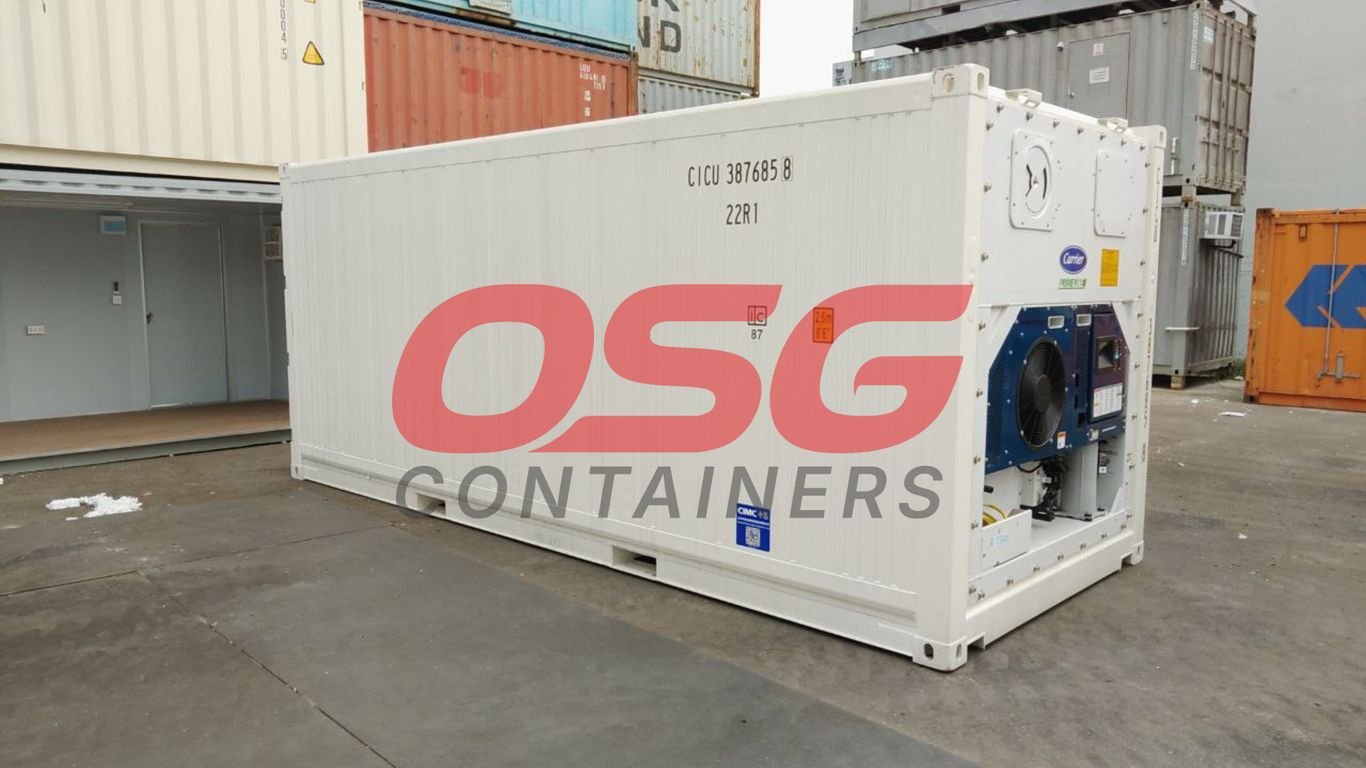
Ever wondered how your favorite fruits and veggies stay fresh on the long journey from farm to table, or how life-saving medicines reach those in need without spoiling? It’s all thanks to a special kind of shipping container called a container reefer. Think of it as a giant, mobile refrigerator that travels the world, keeping sensitive goods at just the right temperature. These reefers containers are a big deal in global trade, making sure that everything from ice cream to important vaccines arrives in perfect condition. They’re pretty much the unsung heroes of keeping things cool and fresh.
Key Takeaways
- A container reefer is a specialized shipping unit with its own cooling system, acting like a mobile refrigerator to maintain precise temperatures for perishable goods.
- These reefers containers are vital for the ‘cold chain,’ ensuring products like food and medicine remain safe and high-quality from origin to destination.
- Key features include exact temperature control (from very cold to cool), tough, weatherproof construction, advanced airflow systems for even cooling, and humidity management.
- Reefers containers work by combining insulation with refrigeration, using airflow to circulate cool air and often requiring pre-cooled cargo and a reliable power source.
- The use of reefers containers is growing due to e-commerce for perishables and the strict demands of pharmaceutical distribution, making them indispensable for modern global trade.
Understanding The Container Reefer: A Cold Chain Cornerstone
Defining Refrigerated Containers and Their Crucial Role
Ever wonder how that carton of milk or those imported berries stay fresh until they reach your plate? It’s thanks to what the shipping world calls a ‘reefer’ container. Think of a cntr reefer as a high-tech, insulated box with its own built-in refrigerator. Its main job is to keep the temperature inside exactly where it needs to be, no matter what’s happening outside. This controlled environment is what protects things like fresh produce, frozen foods, and medicines during their long trips across the globe. They are the backbone of the ‘cold chain,’ which is basically the whole process of keeping temperature-sensitive items cool from the moment they’re made until they’re used.
- Maintains precise temperature control.
- Protects perishable goods from spoilage.
- Forms a vital link in global supply chains.
The effectiveness of a reefer container relies on how well its cooling system and insulated walls work together. This combination keeps your cargo safe during transit and also affects how much energy is used.
The Evolution of Refrigerated Shipping Technology
Keeping things cold during transport isn’t exactly a new concept, but the methods have certainly come a long way. In the past, people relied on things like ice, which was often messy and hard to keep consistent. Then came insulated rooms on ships. Now, we have these self-sufficient reefer units. They’re basically advanced refrigerators that can be moved by ships, trains, and trucks. They’ve gotten much more sophisticated, with better insulation and cooling systems that can be powered in different ways. This has totally changed how we get our food and medicine around the world.
Here’s a quick look at how they’ve changed:
- Early Methods: Ice and salt mixtures, often inconsistent and messy.
- Insulated Chambers: Dedicated rooms on ships, a step up but still limited.
- Modern Reefers: Self-contained units with precise temperature control and power options.
Why Use Container Reefers For Sensitive Cargo
Using a reefer container is pretty straightforward when you need to move items that can’t handle temperature changes. These containers are designed to create a stable, controlled environment, acting like a mobile cold room. They can keep things frozen solid or just cool enough to prevent spoilage. This is incredibly important for a wide range of products, from the food we eat to the medicines that keep us healthy. Without them, a lot of the goods we rely on simply wouldn’t make it to us in a usable condition. They are the quiet workhorses that make global trade of perishables possible.
The Vital Role Of Reefers Containers In Singapore
Singapore, a major hub for global trade, relies heavily on refrigerated containers, or reefers, to keep its cold chain intact. These aren’t just boxes for shipping; they’re critical for maintaining the quality and safety of a vast array of products that pass through the island nation. Without them, many businesses would struggle to operate, and consumers wouldn’t get the goods they expect.
Ensuring Quality and Reducing Waste
Think about all the fresh produce, dairy, and frozen goods that move through Singapore daily. Reefers play a huge part in making sure these items don’t spoil. By keeping temperatures steady, from the moment they’re loaded to when they reach their final stop, these containers significantly cut down on waste. This means less food ends up in the trash, which is good for everyone – businesses save money, and fewer resources are lost.
- Preserves freshness of fruits and vegetables.
- Maintains the quality of dairy products.
- Prevents spoilage of frozen foods.
Extending Product Shelf Life
One of the biggest advantages of using reefers is their ability to slow down the natural processes that cause products to degrade. This is especially important for items like fresh flowers, certain medicines, and delicate food items. By keeping them at a consistent, controlled temperature, their usable life is extended. This allows for longer shipping routes and gives businesses more flexibility in managing their inventory without worrying about products losing their value.
The precise temperature control offered by reefer containers acts like a pause button on spoilage, allowing goods to travel further and remain viable for longer periods.
Meeting Customer Expectations
In today’s world, people expect their purchases to arrive in perfect condition, whether it’s a carton of milk or a prescription. Singapore’s role as a global trade center means it handles goods destined for many different markets. Reefers help businesses meet these high expectations. When customers receive products that are exactly as they should be – fresh, cold, or frozen – it builds trust and encourages repeat business. It’s a simple but powerful way to keep customers happy and loyal.
Global Trends Shaping Reefer Container Shipping
Things are moving pretty fast in the world of shipping, and especially for those refrigerated containers, or reefers. It feels like just yesterday we were talking about how important these boxes are, and now, the game is changing even faster. The way we get our food, our medicine, and even our flowers is being reshaped by what’s happening in global trade, and these reefers are right in the middle of it all.
E-commerce Expansion For Perishables
Online shopping isn’t just for books and gadgets anymore. People are buying groceries, meal kits, and all sorts of fresh food online. This means a huge increase in the need for temperature-controlled shipping. Think about it: getting fresh berries or frozen meals to your door requires a serious cold chain. This trend is pushing more companies to use reefers, and it’s also leading to smaller, more localized “cold chain hubs” popping up in cities. It’s all about getting that fresh stuff to you quickly and safely.
Pharmaceutical Distribution Demands
We all know how important it is to keep medicines and vaccines at the right temperature, especially after the last few years. But it’s not just about vaccines; there’s a growing need for specialized medications and products for clinical trials that also have very strict temperature requirements. This means reefers are in high demand for all types of transport – planes, ships, and trucks – to make sure these vital supplies stay effective.
Decentralized Warehousing And Agile Hubs
Because of the rise in e-commerce and the need for faster delivery of perishables, we’re seeing a shift away from massive, central warehouses. Instead, companies are setting up smaller, more strategically placed distribution points. These agile hubs allow for quicker last-mile delivery, which is super important for keeping things like fresh produce or frozen goods at their ideal temperature right up until they reach the consumer. It means the reefer containers need to be ready for more frequent, shorter trips, often from these localized centers.
Here’s a quick look at what’s driving these changes:
- More Frequent Shipments: E-commerce means smaller, more frequent deliveries of perishable goods.
- Stricter Regulations: Pharmaceutical and food safety rules mean less room for error in temperature control.
- Global Reach: As trade routes expand, reefers are needed for longer transit times to keep goods fresh.
The effectiveness of a reefer container hinges on the coordinated effort between its cooling machinery and its insulating shell. This integrated approach guarantees the integrity of temperature-sensitive goods throughout their transit, while also impacting the overall energy consumption and cost of global shipping operations. The careful selection and maintenance of both components are important for successful cold chain logistics.
Reefer Container Wide Variety Of Applications
When you think about reefer containers, it’s easy to just picture them filled with everyday groceries. But these specialized boxes do so much more. They are the workhorses that keep a lot of different, often sensitive, items in good condition as they travel the globe. Without a reliable container reefer, getting certain products where they need to go, and keeping them usable, would be incredibly difficult.
Transporting Fresh And Frozen Foods
This is probably the most common use for a reefer container. We’re talking about everything from fruits and vegetables that need to stay crisp to frozen goods like ice cream and ready-made meals that must remain solid. These containers maintain the exact temperature needed, stopping produce from spoiling too fast and keeping frozen items from thawing. It means we can eat a wider range of foods, no matter the season or where they came from.
- Fresh produce (berries, leafy greens, tropical fruits)
- Dairy products (milk, cheese, yogurt)
- Meat and poultry
- Seafood
- Frozen meals and desserts
Shipping Pharmaceutical And Medical Products
This is a really important area. Many medicines, vaccines, and even blood or tissue samples need very specific temperature control to stay effective and safe. Even a small temperature change can ruin a whole batch, which is a huge problem. A reefer container provides the steady, controlled environment needed to stop these critical supplies from going bad. Some advanced units can even manage the air inside, which is important for certain biological items.
The ability of reefer containers to maintain precise environmental conditions is not just about keeping food fresh; it’s about preserving the integrity of vital medicines, ensuring public health, and reducing global food waste. Their role extends far beyond simple commerce, touching on critical aspects of daily life.
Customized Solutions For Unique Needs
Beyond the standard uses, reefer containers can be adapted for all sorts of specific jobs. Need a temporary cold storage unit for an event? Or maybe a mobile lab for a remote site? A container reefer can be set up for that. Some businesses even use them as long-term storage on their property. These adaptable units can be fitted with extra features like alarms or remote monitoring systems for better oversight. The versatility of the reefer container makes it a key player in many different industries.
Potential Operational Challenges With Reefer Containers
Even with all the advanced technology packed into these refrigerated containers, things can still go wrong. It’s not always a smooth ride, and you’ve got to be aware of what could cause problems. Think of it like driving a car – it’s usually fine, but you still worry about flat tires or running out of gas.
Ensuring Reliable Power Sources
This is a big one. Reefers need a constant, steady stream of electricity to keep their cooling units running. When they’re sitting at a port or a terminal, they’re usually plugged into shore power. If there’s a power outage, or if the connection is loose or faulty, the temperature inside starts to creep up, and that’s bad news for your cargo. It’s like unplugging your home fridge – everything starts to warm up fast.
Generator Maintenance and Fueling
When these containers are on the move, especially on ships or trucks where shore power isn’t an option, they often have a generator attached. These generators are lifesavers, but they’re not magic. They need fuel, and they need to be maintained. If the generator runs out of diesel, or if it breaks down mid-journey, you’ve got a serious problem. Keeping track of fuel levels and making sure those generators are serviced regularly is a constant job. It’s not just about the reefer itself, but also the power source it relies on.
Preventing Damage During Handling
These containers are built tough, but they’re not indestructible. They get moved around a lot – loaded onto ships, stacked high, unloaded, and put onto trucks. All this handling, especially if it’s not done carefully, can lead to dents, dings, or worse. A serious impact could damage the insulation, compromise the seals, or even affect the refrigeration unit itself. So, how things are loaded, unloaded, and generally treated during transit is super important for keeping the cold chain intact.
Here’s a quick look at what can go wrong:
- Power Interruptions: Unexpected outages at ports or faulty connections can halt cooling.
- Generator Issues: Running out of fuel or mechanical failure during transit can be disastrous.
- Physical Damage: Rough handling can compromise the container’s integrity and cooling efficiency.
The effectiveness of a reefer container hinges on the coordinated effort between its cooling machinery and its insulating shell. This integrated approach guarantees the integrity of temperature-sensitive goods throughout their transit, while also significantly impacting the overall energy consumption and cost of global shipping operations. The careful selection and maintenance of both components are paramount for successful cold chain logistics.
The Cool Chain’s Unsung Heroes
So, what exactly makes these big metal boxes so special? It’s not just about being a big, insulated box. Inside, a reefer container is a marvel of engineering, working hard to keep your cargo at just the right temperature. Think of it as a super-powered, mobile refrigerator that can handle journeys across oceans and continents.
How A Reefer Container Keeps Things Cold
At its core, a reefer container has a built-in refrigeration unit, much like the one in your kitchen, but way more robust. This unit is designed to precisely control the temperature inside. But it’s not just about the cooling machine; the container itself is heavily insulated. This insulation acts like a thermos, keeping the cold air in and the warmer outside air out. To make sure the temperature is even throughout, there’s a system that circulates the cold air. This combination of a powerful cooling system, excellent insulation, and smart air circulation is what keeps everything from ice cream to vital medicines perfectly chilled or frozen.
Can A Reefer Container Freeze Or Just Keep Cool?
This is where reefers really shine. They aren’t limited to just one temperature setting. Reefers are incredibly versatile, capable of maintaining a wide range of temperatures, from deep freezing to just above freezing. This flexibility means they can handle a huge variety of goods. For instance, frozen fish need a much colder temperature than fresh lettuce or a batch of vaccines. The temperature can be adjusted precisely to meet the specific needs of the cargo, often ranging from -25°C (-13°F) for frozen goods up to +30°C (86°F) for certain temperature-controlled transport, though most commonly they operate in the chilled or frozen ranges.
What Kinds Of Things Are Shipped In Reefer Containers?
Pretty much anything that needs to stay at a specific temperature during transit. This includes:
- Fresh Produce: Fruits, vegetables, and other delicate items that can spoil quickly.
- Frozen Foods: Ice cream, meats, seafood, and pre-packaged frozen meals.
- Dairy Products: Milk, cheese, yogurt, and butter.
- Pharmaceuticals: Vaccines, medicines, and biological samples that require strict temperature control to remain effective.
- Specialty Items: Some flowers, chocolates, and even certain chemicals need temperature regulation.
The entire process relies on a continuous, unbroken chain of temperature control. If even one part of this ‘cool chain’ fails – whether it’s a power outage, a mechanical issue with the reefer, or damage during handling – the integrity of the cargo can be compromised. It’s a constant balancing act to keep everything just right.
These containers are truly the silent workhorses of global trade, making sure that the products we rely on arrive in perfect condition, no matter the distance.
The Bottom Line on Reefers in Singapore
So, when it comes down to it, these reefer containers are pretty much the backbone of getting all sorts of temperature-sensitive stuff where it needs to go, especially here in Singapore. From the food we eat to the medicines that keep us healthy, keeping that cold chain solid is a huge deal. It’s not just about having a fancy box; it’s about making sure the power stays on, the seals are tight, and everything is handled with care. As online shopping for groceries and the need for reliable vaccine transport keeps growing, these reefer containers are only going to become more important. They’re the quiet workhorses making sure our world stays fresh and safe, one shipment at a time.
Frequently Asked Questions
What exactly is a reefer container?
A reefer container is like a big, super-powered refrigerator that travels on ships, trains, or trucks. It’s specially built to keep things inside at a very exact temperature, whether that’s super cold for frozen foods or just cool enough for fresh fruits and medicines. It’s a key part of making sure sensitive items don’t spoil during their long trips.
How does a reefer container keep things cold?
It has a built-in cooling system, kind of like the one in your fridge, but much bigger and stronger. It also has really good insulation to keep the cold air in and the warm air out. Plus, it has a special way of moving the cold air around inside so that every part of the cargo stays at the right temperature.
Can a reefer container freeze things or just keep them cool?
Reefers are very flexible! They can be set to keep things very cold, like frozen items, or just cool enough to keep fresh produce from going bad. Some can even keep things slightly warm if needed. The temperature can be adjusted to a wide range, from very cold to above freezing.
What kinds of things are shipped in reefer containers?
Lots of things that need to stay at a specific temperature! This includes fresh fruits and vegetables, frozen foods like ice cream and meats, dairy products, seafood, and even important medicines and vaccines that can spoil if they get too warm.
Do reefer containers need a constant power supply?
Yes, they absolutely do! The cooling system needs electricity to work. When they’re at a port or terminal, they plug into the main power. When they’re on the move, they often use a generator attached to the container, which needs fuel.
Can a reefer container get damaged easily?
While they are built to be tough, they can be damaged during handling, like when they’re being loaded or unloaded. Big bumps or drops could hurt the container’s insulation or its cooling system. That’s why careful handling is really important to keep the cold chain unbroken.