Singapore
 Australia
 Indonesia
 Japan
Japan Malaysia
 New Zealand
 Philippines
 South Korea
 Taiwan
 Thailand
 VIETNAM
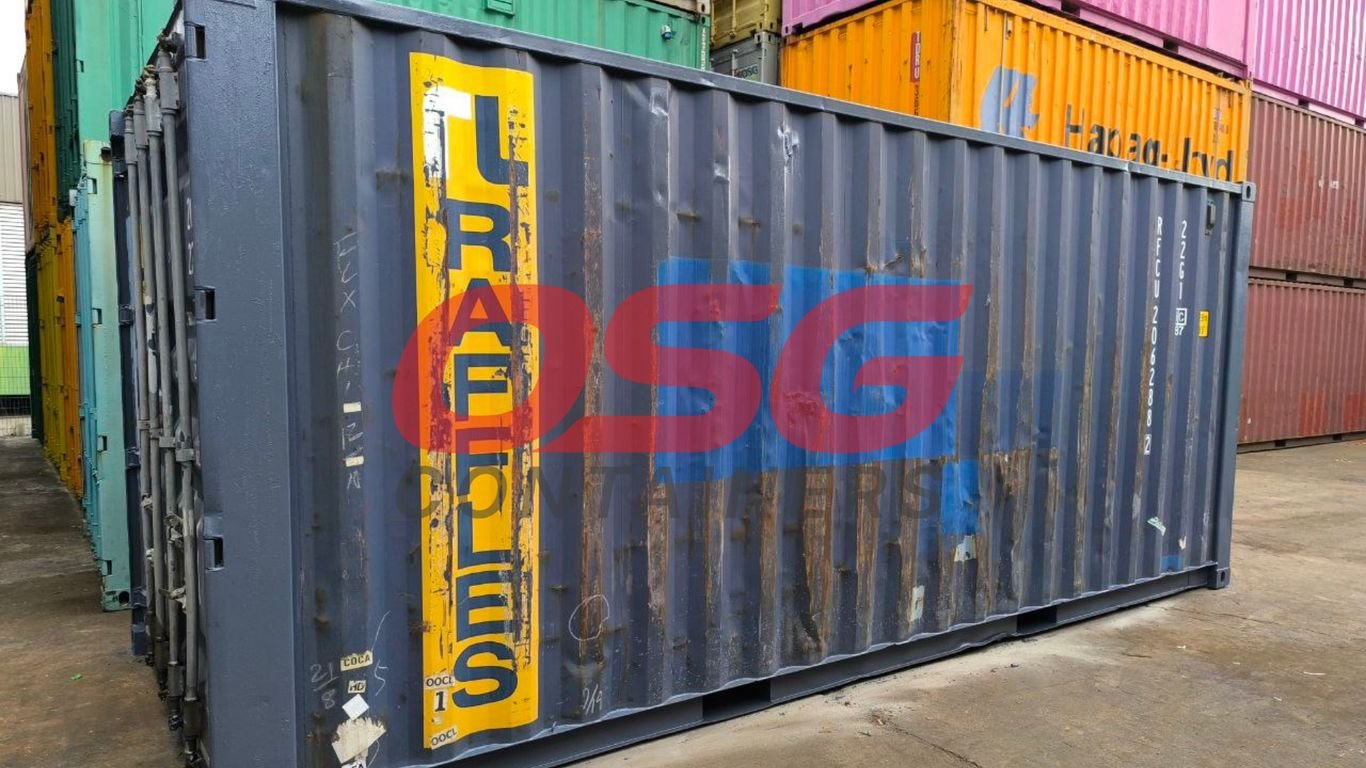
So, you’re trying to figure out the shipping container price in Singapore, huh? It’s not as straightforward as you might think. Lots of things go into it, from what’s happening halfway across the world to the specific type of box you need. We’ll break down the main reasons why that price tag looks the way it does, covering everything from global supply and demand to the nitty-gritty details of your cargo.
Key Takeaways
- The shipping container price in Singapore is a mix of global forces, like manufacturing costs and worldwide demand, and local factors, such as port activity and trade imbalances.
- Port congestion, the specific type of container needed (like a reefer or open-top), and whether your cargo is hazardous all play a big role in the final cost.
- Singapore’s role as a major transshipment hub means container availability and efficient turnaround are key, impacting pricing more than domestic production.
- When shipping from China to Singapore, expect prices to change based on peak seasons, equipment shortages, and extra fees beyond the basic freight rate.
- Understanding the various cost components, from base rates to terminal charges and fuel adjustments, is vital for optimizing your overall shipping expenses.
Understanding Singapore’s Shipping Container Price Dynamics
Global Influences on Container Leasing Rates
The price of shipping containers, especially when you’re looking at leasing rates, isn’t just about what’s happening down at the docks. A lot of it is tied to what’s going on worldwide. Think about the cost of steel and other materials that go into making new containers – that’s a big one. Then there’s how many containers are actually being used globally. If most containers are out on ships, the ones available for lease become more expensive. Major leasing companies also play a role; their decisions on buying new containers or getting rid of old ones can shift the balance.
- Steel prices and manufacturing costs
- Global fleet utilization rates
- Leasing company fleet management strategies
The international market for shipping containers is a complex web where supply and demand, influenced by global manufacturing output and shipping line strategies, dictate availability and cost. Singapore, as a major hub, feels these global shifts acutely.
Local Factors Affecting Shipping Container Price
When we talk about the price of shipping containers specifically in Singapore, local conditions really come into play. Port activity is a huge driver. If there’s a lot of export activity from Southeast Asia, you’ll likely see container prices go up because they become scarcer. On the flip side, if a lot of empty containers end up in Singapore, prices can drop. The cost of services like storage and trucking at container depots also matters. These costs are affected by competition among depots and the price of labor and energy right here in Singapore.
| Service Type | Typical Cost Factor |
|---|---|
| Container Leasing | Demand/Supply, Route, Duration |
| Storage (Depot) | Yard space availability, Duration |
| Repair & Maintenance | Parts cost, Labor rates, Container condition |
| Inland Trucking | Fuel prices, Driver availability, Distance |
Cyclical Trends and Future Cost Considerations
It’s no secret that the shipping container market has its ups and downs. We’ve seen periods where prices were sky-high and containers were hard to find, followed by times when there was an oversupply and rates were low. The period after 2020 was a prime example of this wild swing. Looking ahead, there are new costs that could change things. We might see things like carbon taxes on shipping or investments in greener technology for depots. Plus, the demand for ‘smart’ containers with tracking technology could introduce new price tiers. These changes will likely reshape how container prices are set in the future.
Key Determinants of Shipping Container Price in Singapore
When you’re trying to figure out the price shipping containers, especially in a busy place like Singapore, it’s not just one thing. Lots of different factors play a role, and some of them are pretty far-reaching.
Impact of Port Congestion and Terminal Efficiency
Think about it: if ships are stuck waiting to get into the port, or if unloading and loading takes ages, that causes delays. These delays cost money. Carriers often pass these extra costs on, sometimes through specific surcharges or just by jacking up the general rates. Singapore’s efficiency is usually top-notch, but even small hiccups can ripple through the system and affect prices.
Container Type and Equipment Availability
Not all containers are created equal, and this really shows in the price. A standard dry box is one thing, but if you need a refrigerated container (a reefer) to keep your goods cold, or a special flat rack for oversized items, you’re going to pay more. It’s like choosing between a basic car and a specialized truck – different tools for different jobs, and different price tags. Plus, if there’s a shortage of a particular type of container, say 40-footers, prices for those will naturally go up because everyone’s scrambling for them.
Nature of Cargo and Special Handling Requirements
What you’re shipping matters a lot. If your cargo is considered hazardous, like certain chemicals or flammable materials (often called IMO cargo), it needs extra paperwork, special handling, and sometimes even specific approvals from the shipping line. All these extra steps add to the operational complexity and, you guessed it, the final price shipping containers.
Additional Logistics Services and Their Costs
Beyond just the container and the sea journey, there are often other services you might need. Maybe your goods need to be put on pallets, fumigated, inspected before shipping, or trucked inland once they arrive. Each of these services adds to the total cost. It’s like ordering a meal – the main dish is one price, but adding appetizers, drinks, and dessert makes the bill go up.
The cost of shipping containers isn’t static. It’s a dynamic figure influenced by global supply chains, local port operations, and the specific needs of your cargo. Understanding these elements helps in budgeting and planning your shipments more effectively.
Here’s a quick look at how container type can affect costs:
| Container Type | Typical Use Case | Relative Cost (vs. Standard Dry) |
|---|---|---|
| 20ft Standard Dry | Heavy, dense cargo (machinery, metal) | Base |
| 40ft Standard Dry | High volume, lighter cargo (furniture, goods) | Slightly higher than 20ft |
| Refrigerated (Reefer) | Perishables, temperature-sensitive goods | Significantly higher |
| Open Top / Flat Rack | Oversized or awkwardly shaped cargo | Significantly higher |
Market Structure and Container Availability
Singapore’s shipping container market isn’t really about making boxes; it’s more about making sure those boxes keep moving. Think of it as a super-efficient service hub. Since Singapore isn’t a big manufacturing place for containers, the focus here is on the services that keep the global fleet running smoothly. This means leasing, trading used containers, and all the depot operations that store, fix, and get containers ready for their next trip.
Singapore’s Role as a Service-Oriented Market
Unlike places where containers are built, Singapore thrives on its position as a major logistics and transshipment point. The sheer volume of ships passing through means a constant need for containers to be available, in good condition, and ready to go. It’s all about the flow and making sure the right container is in the right place at the right time. This service-based structure is what keeps Singapore competitive in the global shipping game.
Impact of Transshipment Activity on Demand
Because so many containers passing through Singapore are just changing ships – not even touching land – it creates a unique demand. It’s not just about containers going to or coming from Singapore itself. A huge chunk of the demand is for containers that need to be quickly transferred from one vessel to another. This puts a big emphasis on having a readily available pool of containers and making sure they can be swapped out fast. If there’s a delay or a shortage, it can really gum up the works.
Segmentation by Container Type and Activity
The market breaks down in a few ways. First, there’s the type of container: the standard 20-foot and 40-foot dry boxes are the most common, but the refrigerated (reefer) containers are also a big deal, especially for moving food and other perishables around the region. Then, there’s the activity: you have the big leasing companies providing the bulk of the fleet, the traders who deal in used containers, and the depots that handle storage, repairs, and maintenance. This whole system works together to keep the container supply chain moving.
The efficiency of Singapore’s container market hinges on its service infrastructure. It’s less about the physical container itself and more about the network that supports its journey – from leasing and repair to storage and rapid deployment. This focus on services is what makes the port a global leader.
Here’s a look at how the market is structured:
- Leasing Companies: These are the big players who own most of the containers and rent them out. Think of them as the primary suppliers.
- Container Depots & Yards: These are the workhorses. They store empty containers, fix damaged ones, and get them ready for new cargo. Their location and efficiency are key.
- Traders: They buy and sell used containers, giving them a second life and helping to balance supply and demand.
- Shipping Lines & Freight Forwarders: They are the main customers, needing containers for their cargo and often managing their own fleets or leasing arrangements.
Factors Influencing China-Singapore Shipping Container Price
Shipping a container between China and Singapore is a pretty common route, and thankfully, it’s usually one of the more budget-friendly options out there. Still, the price isn’t set in stone. It can wiggle around based on a bunch of things, so knowing what’s going on can help you plan better.
Average Shipping Container Price for 20ft and 40ft
When you’re looking at costs, you’ll usually see prices quoted for 20-foot (TEU) and 40-foot (FEU) containers. For 2025, shipping a 20ft container from major Chinese ports to Singapore typically falls somewhere between $180 and $320. A 40ft container usually runs a bit more, say $280 to $520. These are just averages, though, and the exact amount can change depending on the shipping line you use, the time of year, and any extra fees that pop up.
Here’s a quick look at typical price ranges:
| Container Size | Average Price Range (USD) |
|---|---|
| 20ft (TEU) | $180 – $320 |
| 40ft (FEU) | $280 – $520 |
Impact of Peak Seasons and Equipment Shortages
Just like with airline tickets, shipping prices can jump when demand is high. Think about the periods right before Chinese New Year or Golden Week – everyone’s trying to get their goods out, and that can really push up prices. If there aren’t enough containers available at the right time, that scarcity also drives costs up. It’s basic supply and demand, really.
- Pre-Chinese New Year: Expect higher rates as factories rush to ship before the holiday break.
- Golden Week: Similar to CNY, this major holiday period sees increased shipping activity.
- Equipment Shortages: When there aren’t enough empty containers in the right places, prices go up.
- Major Shopping Festivals: Events like Singles’ Day can also cause temporary spikes in demand.
Sometimes, even with a short route like China to Singapore, you can see surprising price hikes. It’s not just about the distance; it’s about how many people are trying to ship at the same time and whether there are enough boxes to go around.
Additional Fees Beyond Base Freight Rates
Don’t forget that the price you see for the container itself is often just the starting point. There are usually other charges that get added on. These can include things like:
- Port Charges: Fees for using the port facilities.
- Terminal Handling Charges: Costs associated with loading and unloading the container at the terminal.
- Documentation Fees: Charges for processing shipping documents like the Bill of Lading.
- Fuel Surcharges (BAF): When fuel prices go up, carriers often pass that cost along.
- Customs Clearance Fees: Costs for processing your goods through customs in both countries.
It’s always a good idea to ask your freight forwarder for a full breakdown of all potential costs so there are no surprises when the bill comes.
Supply Chain Dynamics for Shipping Containers
When we talk about shipping containers in Singapore, it’s important to remember that the island nation isn’t a big place for making new steel boxes. Most of that happens over in China. So, Singapore’s supply chain is really about how existing containers are managed and moved around. Think of it like a busy hub where containers arrive, get used, and then get sent out again, or sometimes stored.
Singapore’s Reliance on Global Fleet Management
The containers you see here mostly belong to big leasing companies or the shipping lines themselves. These companies manage huge fleets globally, and Singapore is a key spot for them. They decide where containers are needed most, which affects how many are available locally. This global management means Singapore’s container supply can be influenced by what’s happening in ports all over the world.
Role of Container Depots and Yards
To keep things running smoothly, Singapore has a network of container depots and yards. These places are super important. They’re where empty containers are stored, ready for the next job. They also handle repairs, making sure containers meet safety standards. It’s a bit like a car service center, but for giant metal boxes.
- Storage: Keeping empty containers organized and ready for pickup.
- Maintenance: Fixing dents, rust, or other issues to keep containers seaworthy.
- Readiness: Ensuring containers are clean and suitable for different types of cargo, including specialized ones.
Impact of Global Production and Deployment Strategies
What happens in container factories in Asia and how leasing companies decide to send their fleets out directly impacts how many containers are available in Singapore. If there’s a shortage globally, prices go up, and depots get busier. If there are too many, depots might end up storing idle equipment for longer periods. It’s a constant balancing act.
The flow of containers is a complex dance between where they are made, where they are needed, and how efficiently they can be moved. Singapore, as a major trading point, plays a significant role in this global choreography, influencing both the availability and cost of sea container services for general cargo ships and other vessels.
Demand Drivers for Transport Containers in Singapore
When we talk about what makes the demand for shipping containers tick in Singapore, it’s not really about what Singapore itself makes. Instead, it’s all about how much stuff moves through its massive port. Think of Singapore as a super-busy crossroads for global trade. The more goods being shipped around the world, especially to and from places like China, Europe, and the US, the more containers are going to pass through Singapore. It’s a direct reflection of global consumer buying habits and manufacturing output.
Trade Facilitation and Port Activity
The Port of Singapore is a huge deal, and its activity is the main engine for container demand. When global trade is booming, more ships come in, more containers get loaded and unloaded, and that means a higher need for containers to be available. Even though a lot of this is ‘transshipment’ – meaning cargo just stops over on its way to somewhere else – it still requires containers to be on hand and ready to go.
Logistics and Freight Forwarding Sector Demand
Companies that handle the actual moving of goods, like freight forwarders and logistics providers, are big users of containers. They need a steady supply to meet their clients’ needs, whether it’s shipping electronics, medicines, or everyday consumer items. Singapore’s role as a regional hub means these companies are constantly arranging shipments, and that directly translates into demand for containers.
Emerging Trends Shaping Future Demand
Things are always changing, right? One big shift is how companies are trying to make their supply chains more reliable. This means some manufacturing might move closer to home or spread out across Southeast Asia, potentially increasing the movement of goods within the region, with Singapore often being a central point. Plus, online shopping isn’t going anywhere, and all those packages need containers to get here. On top of that, there’s a growing push for greener shipping. This could mean more demand for specialized containers that help reduce emissions or better ways to manage empty containers to cut down on unnecessary trips.
The demand for containers in Singapore is less about local production and more about its critical role as a global and regional trade hub. The sheer volume of goods passing through its port, driven by international commerce and the needs of the logistics sector, dictates the need for container availability. Emerging trends like supply chain diversification and sustainability efforts are also starting to shape future demand patterns.
Here’s a quick look at what influences this demand:
- Global Trade Volumes: When the world economy is doing well and people are buying more, more containers are needed.
- Regional Economic Health: Growth in nearby ASEAN countries means more trade flowing through Singapore.
- E-commerce Growth: The online shopping boom directly increases the need for shipping consumer goods.
- Supply Chain Diversification: Companies spreading out their manufacturing can lead to more regional shipping.
- Sustainability Initiatives: A push for greener logistics might change the types of containers needed and how they are used.
Cost Components and Optimization Strategies
When you’re shipping stuff, especially through a busy hub like Singapore, figuring out the total cost can feel like a puzzle. It’s not just about the sticker price you see first. There are a bunch of different bits and pieces that add up, and knowing them can help you avoid surprises and maybe even save some cash.
Breakdown of Sea Freight Pricing Components
So, what actually goes into that sea freight bill? It’s more than just the journey itself. Think about these main parts:
- Base Freight Rate: This is the core cost for moving your container from point A to point B. It’s usually calculated per container (like a 20ft or 40ft) and depends heavily on the route and current market demand.
- Surcharges and Fees: These are the extra bits. You might see things like:
- Fuel Surcharges (BAF): Because fuel prices go up and down, carriers adjust this.
- Peak Season Surcharges (PSS): During busy times like holidays or major sales events, expect to pay more.
- Congestion Surcharges: If ports are backed up, this covers the extra time and hassle.
- Currency Adjustment Factors (CAF): For international shipments, currency fluctuations play a role.
- Terminal Handling Charges (THC): This covers the costs at the port for loading and unloading your container.
- Customs Duties and Taxes: Depending on the goods and the countries involved, these can be significant.
- Documentation Fees: For all the paperwork involved.
Factors Causing Shipping Container Price Fluctuations
Why does the price jump around so much? It’s a mix of things, really. Global events play a big part. If there’s a shortage of ships or containers because of something happening far away, prices here can go up. Think about steel prices – that’s what containers are made of, so if steel gets expensive, new containers cost more, and that can ripple through.
Local stuff matters too. Singapore is a massive transshipment hub. When lots of ships are coming and going, and containers are moving constantly, demand for space and services can spike. Port efficiency is another big one. If the terminals are running smoothly, things move faster and cheaper. If they’re jammed up, delays cost money, and carriers often pass that cost on.
The cost of shipping isn’t static. It’s a dynamic figure influenced by everything from the price of raw materials used to build containers to the number of ships waiting to dock at a port. Understanding these variables is key to managing your logistics budget effectively.
Strategies for Optimizing Shipping Expenses
Okay, so how do you keep costs from getting out of hand? Planning is your best friend here.
- Book in Advance: Especially if you know you have a shipment coming up during a busy period. Getting your booking done early often secures better rates.
- Compare Quotes: Don’t just go with the first quote you get. Shop around and compare prices from different carriers or freight forwarders. Make sure you’re comparing apples to apples, though – check what’s included in each quote.
- Consider Container Type Wisely: Using the right size and type of container for your cargo can save money. Don’t pay for extra space you don’t need, but also don’t try to cram too much into a smaller container if it risks damage or extra fees.
- Optimize Cargo Loading: Efficiently packing your container means you might need fewer containers overall, or you can fit more in each one, reducing per-unit costs.
- Build Relationships: Strong relationships with freight forwarders or carriers can sometimes lead to better deals or more flexibility, especially if you’re a regular customer.
Wrapping It Up
So, when you’re looking at shipping containers in Singapore, it’s not just one simple price tag. Lots of things play a part, from what’s happening globally with steel prices and how many containers are actually out there, to what’s going on right here in Singapore with port activity and how busy things are. Plus, the type of container you need and any extra services can change the cost quite a bit. Keep an eye on fuel prices and when everyone else is trying to ship stuff too, because that definitely makes a difference. It’s a bit of a puzzle, but understanding these pieces helps you get a better handle on your shipping costs.
Frequently Asked Questions
What makes shipping container prices go up and down in Singapore?
Container prices in Singapore are like a seesaw, going up and down based on how many containers are available and how many people need them. Global things like how much steel costs to make new containers and how busy ports are everywhere affect prices. Locally, if lots of ships are coming and going, or if there’s a big festival coming up that means more stuff needs to be shipped, prices can jump. Also, if there aren’t enough empty containers to go around, shipping companies will charge more.
Does the type of container I choose affect the price?
Yes, absolutely! Think of it like choosing between a regular car and a special truck. Standard containers, like the 20ft and 40ft ones, are usually the most common and affordable. But if you need a special container, like one that keeps things cold (a reefer) or one without a roof (an open-top) for big items, it will cost more because they are less common and harder to handle.
What are some extra fees I might have to pay besides the main shipping cost?
Besides the basic cost to move your container, there can be other charges. These might include fees for loading and unloading at the port, paperwork fees, and sometimes extra charges if there’s a lot of traffic at the port (port congestion). If your goods are dangerous or need special care, that will add to the cost too. It’s always good to ask your shipping company about all possible fees upfront.
Why is Singapore important for shipping containers even though they don’t make many new ones there?
Singapore is like a major crossroads for ships. While they don’t build many containers, they are experts at managing them. They have lots of places (depots) to store, fix, and get containers ready for their next trip. Because so many ships pass through Singapore, it’s a key spot for moving containers between different ships and routes, making sure everything keeps flowing smoothly.
How does the busy season affect shipping prices?
Just like how prices for flights go up during holidays, shipping prices can get higher during busy times. For example, before big holidays like Chinese New Year or during major shopping events, more people want to ship goods. This means there’s more demand for containers and ship space, so companies often raise their prices because they know people will still need to ship their items.
What’s the difference between shipping a 20ft and a 40ft container?
A 20ft container is smaller and is usually better for heavy but compact items, like machinery or tiles. A 40ft container is twice as long and offers more space, making it a better choice for lighter but bulkier items, or simply when you have a lot more stuff. While a 40ft container costs more than a 20ft, it can sometimes be more cost-effective per unit of space if you’re shipping a lot.