Singapore
 Australia
 Indonesia
 Japan
Japan Malaysia
 New Zealand
 Philippines
 South Korea
 Taiwan
 Thailand
 VIETNAM
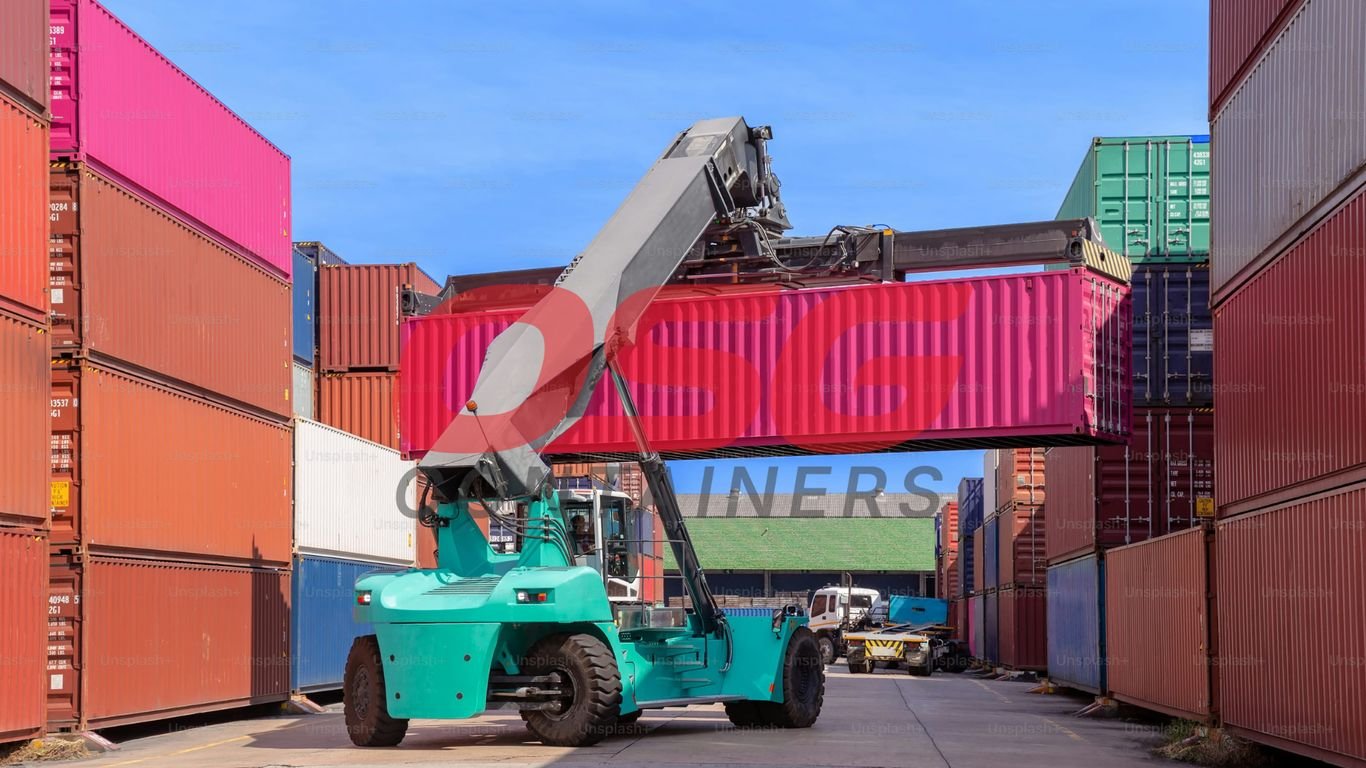
So, you’re curious about tank containers? They’re basically big metal tanks on frames, used for shipping all sorts of stuff in bulk, like liquids, gases, and even powders. Think of them as giant, reusable bottles for the shipping world. They’ve been around for a while, changing how we move goods around the globe, and they’re pretty important for keeping supply chains running smoothly. We’ll break down what they are, the different kinds, how they work, and why they’re such a big deal.
Key Takeaways
- Tank containers are intermodal containers designed for bulk transport of liquids, gases, and powders, built to ISO standards for easy handling across different transport methods.
- These containers come in various types, including specialized ones for gases, food-grade products, and powders, each with specific designs and regulations.
- Operations involve specific loading and unloading procedures, often using pumps, and are governed by international regulations for hazardous and non-hazardous cargo.
- The global fleet of tank containers is substantial, with numerous operators offering a range of services from leasing to full logistics and maintenance.
- Tank containers offer cost savings, improved efficiency in bulk transport, and a high level of safety and quality assurance for the cargo they carry.
Understanding Tank Containers
What Is A Tank Container?
A tank container, often called an ISO tank or tanktainer, is basically a big metal tank built inside a steel frame. Think of it like a shipping container, but instead of carrying boxes, it’s designed to hold liquids, gases, or even powders in bulk. These aren’t just any old tanks; they’re built to strict international standards, which is why they’re known as ISO tanks. This standardization means they can be moved around the world using pretty much any type of transport – ships, trains, and trucks – without needing to transfer the cargo. It’s a pretty neat system for moving large amounts of stuff efficiently.
Key Features Of Tank Containers
These container tanks have a few standout features that make them so useful. First off, they’re built from stainless steel, which is tough and doesn’t react with most substances. This inner tank is then wrapped in insulation, often polyurethane, and covered with a protective outer shell, usually aluminum. This setup helps keep the contents at a stable temperature. They have a frame that fits standard container handling equipment, typically 20 feet long, 8 feet wide, and about 8.5 feet high. Inside, you’ll find a manhole for access and valves for loading and unloading, which can happen from the top or bottom depending on the product and setup.
- Durable Construction: Stainless steel tank with a protective outer frame.
- Temperature Control: Insulation helps maintain cargo temperature.
- Versatile Access: Top and bottom valves for loading and unloading.
- Standardized Frame: Fits standard intermodal transport systems.
The capacity of a standard tank container usually falls between 17,500 and 26,000 liters, though variations exist for specific needs.
Evolution Of Tank Container Design
The tank container as we know it today didn’t just appear overnight. Early versions started popping up in the mid-20th century, with engineers in the UK developing framed tanks. By the late 1960s and early 1970s, designs started to align with what we now recognize as ISO standards. This standardization was a game-changer, making international transport much smoother. Initially, production was mainly in Europe, but over the years, manufacturing has shifted, with a significant portion now coming from places like China and South Africa. This evolution has made the tank container a truly global solution for bulk transport.
Types Of Tank Containers
Tank containers aren’t just one-size-fits-all, you know? They’ve really branched out to handle all sorts of stuff, from super cold gases to sticky oils and even dry powders. It’s pretty neat how they’ve adapted.
Specialized Tank Containers For Gases
Transporting gases is a whole different ballgame, and these tanks are built for it. They’re designed to handle the pressure and temperature changes that come with gases like propane, butane, or even more specialized ones like ammonia. Some of these might look like they have multiple smaller tanks welded together, but that’s just how they’re engineered to safely contain the gas.
Food-Grade And Reefer Tank Containers
When you’re moving food products, hygiene is everything. Food-grade tanks are made from materials that won’t react with the food, keeping it pure and safe. Then there are the reefer tanks. Think of them as giant, mobile refrigerators. They have built-in cooling systems to keep things like milk, juice, or even sensitive chemicals at a precise temperature during their long journey. This temperature control is absolutely vital for maintaining product quality and preventing spoilage.
Tank Containers For Powders And Grains
It’s not all liquids! Some tank containers, often called silo tanks, are designed for dry bulk goods like grains, cement, or plastic pellets. They usually have a different valve system and might even have a way to use air pressure to help discharge the product, kind of like a giant vacuum cleaner in reverse.
ISO Tank Container Classifications
ISO tanks have a classification system, often denoted by a ‘T’ followed by a number. This code tells you what kind of product the tank is approved to carry. For example:
- T1: Generally for wine and other light liquids.
- T4: Often used for edible and non-edible oils.
- T11: A common one for a wide range of non-hazardous chemicals.
- T14: For more hazardous chemicals and acids.
- T50: Designed for gases like LPG.
- T75: Used for cryogenic liquids, meaning super-cold stuff.
It’s a bit like a cheat sheet for knowing what’s safe to put inside. You wouldn’t want to put acid in a wine tank, right?
The variety of tank containers available today is a testament to the evolution of bulk transport. What started as a way to move liquids more efficiently has grown into a sophisticated system capable of handling a vast array of materials, each with its own specific requirements for safety and preservation.
Tank Container Operations And Logistics
Loading And Unloading Procedures
Getting stuff in and out of a tank container is pretty straightforward, but there are a few ways to do it. Most tanks have a big hatch on top, called a manhole, and valves up there too. They also have a valve at the bottom. You connect hoses from the loading or unloading facility to these valves. Usually, a pump is used to move the liquid or gas. How exactly it’s done often depends on what you’re shipping and what rules are in place for that specific product. Some things might need to be loaded from the top, others from the bottom, and sometimes you need special equipment.
Global Tank Container Fleet Size
It’s a big world out there, and there are a lot of these tanks moving around. As of early 2024, estimates put the total number of tank containers globally at around 848,400 units. Most of these tanks are owned by companies that operate them or lease them out. It’s a pretty substantial fleet, constantly on the move across oceans and continents.
Services Offered By Tank Container Operators
Tank container operators are the folks who make all this happen. They’re not all the same, though. You’ve got the big players who can handle pretty much anything, offering a whole range of services from shipping to cleaning and maintenance. Then there are smaller operators who might focus on a specific region or a particular type of tank, like those for food-grade products or hazardous chemicals. They’re the ones who manage the logistics, making sure your cargo gets where it needs to go safely and on time. Some might even offer specialized services like heating or cooling for sensitive cargo.
The whole process, from getting the tank ready to shipping it out and then getting it back, involves a lot of coordination. It’s not just about the tank itself, but the whole network that supports its journey.
Regulatory Compliance For Tank Containers
Shipping things in tank containers, especially when they’re carrying hazardous stuff, isn’t just a free-for-all. There are rules, and you gotta follow them. It’s all about making sure that whatever you’re moving gets from point A to point B without causing a mess or hurting anyone. This means different rules apply depending on what you’re hauling and where it’s going.
Regulations For Hazardous Cargo Transport
When you’re dealing with dangerous goods, the regulations get pretty strict. Think about chemicals, flammable liquids, or even certain gases. These aren’t your everyday items, and they need special handling. The main goal is to prevent leaks, spills, or reactions that could be harmful. Different countries and international bodies have their own sets of rules, but they generally cover:
- Classification: Figuring out exactly what kind of hazard your cargo presents. Is it flammable? Corrosive? Toxic?
- Packaging and Container Standards: Making sure the tank container itself is built to handle the specific hazard. This includes the materials used, the thickness of the walls, and any special features like pressure relief valves.
- Labeling and Documentation: Clearly marking the container with hazard symbols and having all the paperwork in order so everyone involved knows what they’re dealing with.
- Transport Restrictions: Sometimes, certain hazardous materials can’t be shipped on specific routes or at certain times.
International Standards For Tank Containers
To make things a bit more uniform across borders, there are international standards. These are like the blueprints for how tank containers should be made and used. The International Organization for Standardization (ISO) is a big player here, setting the dimensions and general requirements for tank containers so they can be handled by standard equipment worldwide. But for specific types of cargo, other standards come into play:
- IMDG Code: This is for maritime transport of dangerous goods. If your tank container is going on a ship, this code is important.
- ADR/RID: These are European agreements for the international carriage of dangerous goods by road (ADR) and rail (RID). If your shipment is moving through Europe by truck or train, you’ll be looking at these.
- US DOT Regulations: In the United States, the Department of Transportation has its own rules for transporting hazardous materials.
Following these regulations isn’t just about avoiding fines. It’s about responsible shipping. It means taking the time to understand the risks and making sure every step of the process is safe and sound. The industry has come a long way, and these rules are a big part of why tank containers are a reliable way to move bulk goods today.
Here’s a quick look at some common ISO tank classifications and what they’re generally used for:
| ISO Classification | Typical Cargo |
|---|---|
| T1 | Wine, light liquids |
| T4 | Non-hazardous edible and non-edible oils |
| T11 | Non-hazardous chemicals |
| T14 | Hazardous chemicals, acids (e.g., HCl) |
| T50 | Liquefied Petroleum Gas (LPG), ammonia |
| T75 | Cryogenic liquids (like liquid hydrogen) |
It’s a lot to keep track of, but getting it right means smoother operations and safer journeys for everyone involved.
Benefits Of Using Tank Containers
Cost-Effectiveness Of Tank Container Leasing
Leasing tank containers can be a smart move for businesses, especially when you look at the upfront costs of buying them. Instead of tying up a lot of cash, leasing lets you use the equipment you need without the big initial investment. This frees up capital that can be used for other parts of your business, like marketing or research. Plus, leasing often includes maintenance and repair services, so you don’t have to worry about unexpected bills for fixing the tanks. It’s a way to manage your budget more predictably.
Efficiency In Bulk Liquid Transportation
Tank containers really shine when it comes to moving liquids and gases in bulk. Because they’re built to ISO standards, they fit right into the global shipping system. This means they can go from a truck to a train to a ship without needing to transfer the product itself. Think about it: no messy repacking, less chance of spills, and faster transit times. This streamlined process saves a lot of time and labor.
Here’s a quick look at how they improve efficiency:
- Intermodal Capability: Easily switch between different transport modes (road, rail, sea) without unloading.
- Bulk Handling: Designed for large volumes, reducing the number of individual shipments needed.
- Reduced Handling: Minimizes product transfer points, cutting down on labor and potential contamination.
- Standardization: Their uniform size and fittings simplify logistics and handling at ports and depots.
Safety And Quality Assurance
When you’re moving sensitive liquids or hazardous materials, safety and keeping the product pure are top priorities. Tank containers are built tough, usually with a stainless steel inner vessel surrounded by protective layers. This design helps keep the contents safe from external damage and contamination. For specific products, you can get tanks with special linings or heating/cooling systems to maintain the exact conditions needed. This means your product arrives just as it should, whether it’s food-grade oil or a sensitive chemical.
The robust construction and specialized designs of tank containers are key to maintaining product integrity and preventing environmental hazards during transit. This focus on containment and controlled conditions is a major advantage over other bulk transport methods.
| Feature | Benefit |
|---|---|
| Stainless Steel Shell | Durability and resistance to corrosion |
| Insulation | Temperature control, product stability |
| Secure Valve Systems | Prevention of leaks and unauthorized access |
| ISO Standards | Compatibility with global logistics infrastructure |
Innovations In Tank Container Technology
Digital Tools For Shipment Management
Keeping track of tank containers, especially when they’re crisscrossing the globe, used to be a real headache. Now, though, things are getting smarter. We’re seeing more and more digital tools pop up that help manage shipments. Think GPS tracking, sensors that monitor temperature and pressure inside the tank, and even systems that can predict when a container might need maintenance. This kind of tech means fewer surprises and a smoother ride for your cargo. It’s all about making the whole process more transparent and efficient, so you know exactly where your stuff is and how it’s doing.
Advanced Insulation And Heating Systems
For certain products, like sensitive chemicals or food items, maintaining a specific temperature is super important. Old-school methods were okay, but modern tank containers are way better. They come with really advanced insulation that keeps the contents at the right temperature for longer, whether it’s hot or cold outside. Plus, many now have built-in heating systems, sometimes electric, sometimes steam-powered, to make sure things don’t freeze or get too thick to pump out. This is a big deal for quality control and making sure the product arrives in perfect condition.
Customized And Special Container Solutions
While standard tank containers do a lot, sometimes you need something a bit more specific. The industry is getting better at creating custom solutions. This could mean tanks designed for really unusual liquids, or containers built to handle extreme temperatures or pressures. We’re also seeing more specialized tanks for things like gases, powders, or even specific food products that need extra care. It’s like getting a tailor-made suit for your cargo instead of just an off-the-rack option. This flexibility means more types of goods can be shipped safely and efficiently in tank containers.
The evolution of tank containers isn’t just about making them bigger or stronger. It’s about making them smarter, more adaptable, and more reliable for a wider range of uses. This continuous improvement is what keeps them a top choice for bulk transport.
Wrapping It Up
So, that’s the lowdown on tank containers. They’re pretty neat, right? These big metal boxes have really changed how we move liquids and gases around the world. From food to chemicals, they handle it all, making shipping way more efficient. They’ve been around for a while, getting better and more standardized over the years. Today, they’re a common sight, and for good reason. They’re tough, reusable, and help keep things moving smoothly. If you ever wondered about those big tanks on ships or trains, now you know a bit more about what makes them tick.
Frequently Asked Questions
What exactly is a tank container?
Think of a tank container as a big metal box, but instead of being hollow for general stuff, it’s a strong tank designed to safely hold liquids, gases, or powders. It’s built tough and can be moved easily between ships, trains, and trucks, making it super handy for shipping things in bulk.
Are all tank containers the same?
Not at all! While many look alike and follow standard sizes (called ISO tanks), they’re actually made for different jobs. Some are built for super cold gases, others are specially cleaned for food and drinks, and some are designed to handle dangerous chemicals safely. So, the type of tank depends on what’s being shipped.
How do they load and unload these tanks?
It’s pretty straightforward. These tanks have special openings, like a manhole on top and valves at the bottom. Workers connect hoses to these valves to pump the liquid or powder in or out. The exact way it’s done can change a bit depending on the product and safety rules.
Why are tank containers so popular for shipping?
They’re a big deal because they’re really efficient and often cheaper than using lots of smaller containers or barrels. Because they’re standardized, they fit easily onto ships and trains, which speeds things up and cuts down on costs. Plus, they’re designed to keep the cargo safe and in good condition.
Do I need to worry about rules when shipping with tank containers?
Absolutely. Shipping anything, especially liquids or gases, has a lot of rules to keep people and the environment safe. Tank containers used for dangerous goods have to follow strict international rules and standards. Companies that operate these tanks make sure all these regulations are met.
What’s new with tank container technology?
Companies are always finding ways to make things better! Now, there are digital tools that help you track your shipments online, making it easier to manage everything. They’re also developing special tanks with advanced heating or cooling systems to keep products at the perfect temperature, and even creating custom tanks for very specific needs.