Singapore
 Australia
 Indonesia
 Japan
Japan Malaysia
 New Zealand
 Philippines
 South Korea
 Taiwan
 Thailand
 VIETNAM
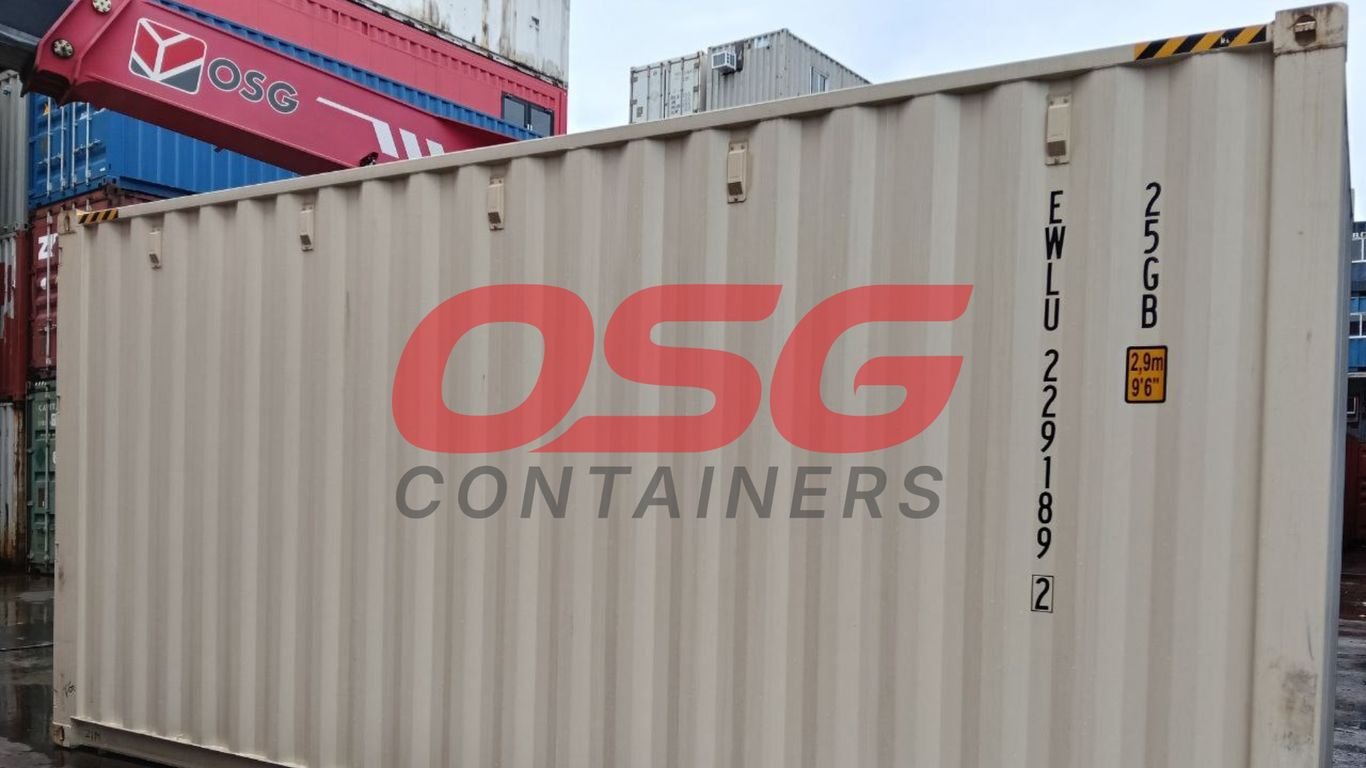
So, you’re looking into high cube containers, huh? They’re basically the taller versions of the regular shipping containers you see everywhere. Think of them as the same footprint, but with an extra foot of height. This extra space can make a big difference, especially if you’re dealing with stuff that’s a bit too tall for standard boxes or if you just need to pack more in. We’ll go over what makes them different, the sizes you can get, and why you might want one for your next project or shipment.
Key Takeaways
- High cube containers offer the same floor space as standard containers but with an additional foot of height, providing more storage and shipping capacity.
- The extra height makes them ideal for oversized or over-height cargo that wouldn’t fit in a regular container.
- Common sizes include 20ft, 40ft, 45ft, and 53ft, each with specific internal and external dimensions, tare weights, and payload capacities.
- Beyond shipping, high cube containers are popular for storage solutions, architectural projects, and creating event or promotional spaces.
- When buying, consider delivery needs, container condition through inspection, potential additional costs, and local building permits if repurposing.
Understanding High Cube Containers
What Defines a High Cube Container?
So, what exactly makes a high cube container different from the standard ones you see everywhere? It’s pretty simple, really. Think of it as a regular shipping container, but with an extra foot of height. That’s it. This extra vertical space might not sound like much, but it makes a big difference, especially when you’re dealing with bulky items or trying to maximize every inch of space. They have the same footprint, meaning they take up the same amount of ground space, which is handy for storage yards or warehouses where space is at a premium. The main idea is to give you more room without making the container take up more floor area.
Key Differences From Standard Containers
The most obvious difference, as we’ve touched on, is that extra foot of height. A standard 40ft container is typically 8.5 feet tall, while a 40 high q container, or high cube, stands at 9.5 feet. This extra height means you can fit more in vertically. Imagine stacking boxes; that extra foot allows for another layer of smaller boxes or accommodates taller items that just wouldn’t fit otherwise. This makes them particularly useful for shipping or storing things that are a bit too tall for a regular container. It’s not a huge change, but it’s enough to be a game-changer for certain types of cargo.
Here’s a quick look at the typical height difference:
| Container Type | Standard Height | High Cube Height |
|---|---|---|
| 20ft | 8’6" | 9’6" |
| 40ft | 8’6" | 9’6" |
The Advantage of Extra Height
That extra foot of height isn’t just a number; it translates into real benefits. For starters, it means you can ship more volume without needing an extra container. This can lead to significant cost savings on shipping fees. It’s also perfect for cargo that’s just a little too tall for a standard unit. Instead of having to find a special, more expensive transport solution, the high cube often does the trick. Plus, for storage purposes, you can stack more goods inside, making better use of the container’s volume. It’s a smart way to get more bang for your buck, whether you’re shipping goods across the ocean or just need some extra storage space on your property.
The simplicity of adding just one foot of height to a container design opens up a lot of possibilities for fitting more goods or taller items. It’s a practical modification that addresses common shipping and storage challenges without complicating the container’s basic structure or handling requirements.
High Cube Container Dimensions and Sizes
Exploring 20ft High Cube Dimensions
When you need a bit more vertical space than a standard container offers, the 20ft high cube container steps in. It keeps the same footprint as a regular 20-footer but adds an extra foot of height. This makes a big difference for certain types of cargo. The internal dimensions are roughly 19.36 feet long, 7.72 feet wide, and 8.85 feet high. This gives you a total internal volume of about 1,316 cubic feet. It’s a solid choice when you’re shipping or storing items that are just a little too tall for a standard unit, but you don’t need the full length of a 40-footer.
Specifications of 40ft High Cube Containers
The 40ft high cube container is probably the most common one you’ll see. It’s the workhorse of the shipping world for a reason. Like its smaller sibling, it has the same length and width as a standard 40ft container, but it’s a foot taller. This extra height really opens up possibilities. Inside, you’re looking at dimensions around 39.47 feet long, 7.71 feet wide, and 8.86 feet high. That works out to a generous 2,696 cubic feet of space. This extra volume is what makes the 40ft high cube so popular for both shipping and storage needs.
Larger Options: 45ft and 53ft High Cubes
If even a 40ft high cube isn’t quite enough, there are bigger options available. The 45ft high cube container offers more length, typically around 44.46 feet internally, while keeping that useful extra height. Then there are the 53ft high cubes, which are quite common in North America. These giants can have internal lengths of over 50 feet and an internal height of nearly 9.5 feet. These larger sizes are great for really bulky shipments or when you want to maximize storage capacity without needing multiple smaller units.
| Container Size | Approx. Internal Length | Approx. Internal Width | Approx. Internal Height | Approx. Cubic Capacity |
|---|---|---|---|---|
| 20ft High Cube | 19.36 ft | 7.72 ft | 8.85 ft | 1,316 cu ft |
| 40ft High Cube | 39.47 ft | 7.71 ft | 8.86 ft | 2,696 cu ft |
| 45ft High Cube | 44.46 ft | 7.71 ft | 8.86 ft | 3,037 cu ft |
| 53ft High Cube | 52.99 ft | 8.00 ft | 9.48 ft | 3,550 cu ft (approx) |
Remember that these are internal measurements. Always double-check the exact dimensions with the supplier before making a purchase, as slight variations can occur between manufacturers and specific container models.
Benefits and Applications of High Cube Containers
So, why are these taller containers such a big deal? It really comes down to making the most of the space you have. High cube containers offer that extra foot of height, which can make a surprising difference. This isn’t just about cramming more stuff in; it’s about smarter logistics and more creative possibilities.
Maximizing Storage and Shipping Capacity
Think about it – you get the same footprint as a standard container, but with more vertical room. This means you can fit more goods inside without needing a larger container footprint, which can save you money on shipping fees. It’s especially handy for bulky items that just don’t quite fit in a regular container. You can stack items higher, pack more efficiently, and generally get more bang for your buck.
Here’s a quick look at how that extra height adds up:
- Standard Container (40ft): Approx. 68.8 m³ (2,430 cu ft) capacity.
- High Cube Container (40ft): Approx. 76.4 m³ (2,697 cu ft) capacity.
That’s a significant jump in volume, giving you more flexibility for your cargo.
Ideal for Oversized and Over-Height Cargo
Sometimes, your cargo just won’t fit into a standard shipping container. Maybe it’s a piece of machinery with an awkward shape, construction equipment, or even specialized industrial materials. The extra foot of height in a high cube container is often the exact solution needed to transport these items safely and legally. It avoids the need for specialized, more expensive transport options when a high cube will do the job.
The ability to accommodate items that exceed standard height limits is a major selling point. It opens up shipping possibilities that would otherwise be impossible or prohibitively costly with regular containers.
Versatile Uses Beyond Traditional Shipping
These containers aren’t just for moving goods across the ocean. Their robust construction and the added space make them fantastic for all sorts of other projects. People are using them for:
- On-site storage: Think construction sites, farms, or businesses needing secure, weather-proof storage for tools, equipment, or inventory.
- Temporary structures: They can be converted into pop-up shops, mobile offices, workshops, or even small living spaces.
- Architectural projects: Their industrial aesthetic and modular nature lend themselves well to unique building designs.
- Event spaces: Need a quick booth or a unique venue for a festival? A high cube container can be adapted.
The adaptability of high cube containers means they have a life far beyond their initial shipping purpose, offering practical solutions for a wide array of needs.
Purchasing High Cube Containers
So, you’ve decided a high cube container is the way to go. Awesome! Now comes the part where you actually get one. It’s not super complicated, but there are a few things to keep in mind so you don’t end up with something that doesn’t quite fit your needs. Think of it like buying a used car – you want to know what you’re getting into.
Factors to Consider Before Buying
Before you even start looking at prices, take a moment to really think about what you need this container for. Is it just for storing stuff in your backyard, or is it going on a long journey across the ocean? The intended use really matters. Also, consider the size. We’ve talked about the 40ft high cube a lot, but maybe a 20ft or even a 45ft would be a better fit. Don’t forget about the condition – are you okay with a few dents and scratches from its previous life, or do you need something that looks almost new? The condition can significantly impact the price and suitability for certain projects.
Here are some things to jot down:
- Purpose: Storage, shipping, building material, etc.
- Size: 20ft, 40ft, 45ft, 53ft (and whether you need high cube or standard).
- Condition: New, one-trip, or used (and how used).
- Location: Where do you need it delivered? This affects shipping costs.
- Budget: How much are you looking to spend?
Navigating the Buying Process
Buying a container usually involves a few steps. First, you’ll want to figure out exactly what you’re looking for based on the factors above. Then, you start looking for suppliers. There are online marketplaces where you can see offers from different companies, which can be pretty handy. Once you find a container that looks good, you’ll usually reach out to the seller to talk details and maybe haggle a bit on the price. After you agree on everything, you’ll handle the payment, and then arrange for delivery.
It’s a good idea to work with reputable sellers. Look for companies that have good reviews or are part of established platforms. This helps avoid any headaches down the road.
Buying a container might seem like just picking a big metal box, but there’s more to it. Thinking through your needs and understanding the process can save you time, money, and a whole lot of hassle. It’s about finding the right fit for your specific situation.
Understanding Pricing and Costs
Container prices can bounce around quite a bit. They depend on the size, condition, and even where you’re buying it from. A brand new 40ft high cube will obviously cost more than a used one that’s seen a few trips. Delivery fees are also a big part of the total cost, so make sure you get a clear quote that includes everything. Sometimes, you might see a price listed, but then there are extra charges for things like special delivery or handling. Always ask for a full breakdown so there are no surprises.
Here’s a rough idea of what influences the price:
- Container Type & Size: High cubes generally cost a bit more than standard containers of the same length.
- Condition: New or one-trip containers are the most expensive, followed by used ones.
- Market Demand: Like anything else, if lots of people want containers, prices can go up.
- Location: Shipping costs to get the container to you play a big role.
- Supplier: Different companies will have different pricing structures.
Key Specifications of a 40ft High Cube
When you’re looking at shipping containers, the 40ft High Cube (often called a 40 HQ) is a really popular choice. It’s basically a standard 40-foot container, but with that extra foot of height we’ve been talking about. This makes a big difference, especially if you’re trying to fit in bulkier items or just want to maximize every bit of space.
External and Internal Measurements
The outside of a 40ft High Cube container measures 40 feet long, 8 feet wide, and 9.6 feet tall. That extra height is the main selling point. Inside, you get a bit more wiggle room. The internal length is usually around 39.5 feet, the width is about 7.7 feet, and the height comes in at roughly 8.9 feet. It’s good to know these numbers so you can picture if your stuff will fit.
Tare Weight and Payload Capacity
Every container has a tare weight, which is how much it weighs when it’s empty. For a 40ft High Cube, this is typically around 8,500 to 9,300 pounds. The payload capacity is the maximum weight of cargo you can put inside. This usually tops out around 67,000 to 71,000 pounds. Always check the specific weight limits for the container you’re considering, as these can vary a bit.
Cubic Capacity for Storage
This is where the "high cube" really shines. Because of that extra height, a 40ft High Cube container offers a lot more storage space than a standard 40ft container. You’re looking at a cubic capacity of about 2,690 to 2,700 cubic feet. That’s a significant amount of room for goods, making it a great option for shipping or even for on-site storage.
The extra height in a 40ft High Cube container isn’t just a small detail; it translates directly into more usable space. This means you can potentially fit more items, taller items, or even arrange your cargo more efficiently, which can save you money on shipping costs or storage fees.
Here’s a quick look at the typical specs:
- External Dimensions: 40′ L x 8′ W x 9.6′ H
- Internal Dimensions: Approx. 39.5′ L x 7.7′ W x 8.9′ H
- Tare Weight: ~8,500 – 9,300 lbs
- Payload Capacity: ~67,000 – 71,000 lbs
- Cubic Capacity: ~2,690 – 2,700 cu ft
Common Uses for 40ft High Cube Containers
So, you’ve got a 40ft High Cube container. Awesome! These things are way more than just big metal boxes. They’re like a blank canvas for all sorts of projects, especially when you need that extra bit of height. Let’s talk about what people are actually doing with them.
Residential and Commercial Storage Solutions
Think about needing extra space for your stuff. Maybe you’re decluttering your house, or perhaps your business is bursting at the seams. A 40ft HC is a solid choice. It’s way cheaper than building an extension, and honestly, it looks pretty cool too. You can store anything from the contents of a large house (think 5-6 bedrooms!) to seasonal inventory, equipment, or even vehicles. It’s a super practical way to get more room without a huge hassle.
- Homeowners: Perfect for storing furniture during a renovation, seasonal gear like boats or RVs, or just general overflow.
- Businesses: Great for inventory, tools, machinery, or even as a temporary on-site storage unit for construction projects.
- Farmers: Ideal for storing hay, feed, or equipment, especially with that extra height.
Repurposing for Architectural Projects
This is where things get really interesting. People are taking these containers and turning them into all sorts of structures. Because they’re built tough and have that extra height, they make a great starting point for unique buildings.
- Tiny Homes & ADUs: With some modifications, you can create a fully functional living space. The extra height makes them feel less cramped.
- Workshops & Studios: Need a place to tinker or create? A container can be converted into a sturdy workshop or art studio.
- Pop-Up Shops & Cafes: Businesses are using them for temporary retail spaces or food stalls, especially at events.
The beauty of these containers is their modularity and durability. They’re designed to withstand extreme weather, making them a reliable base for almost any construction idea you can dream up.
Event and Promotional Space Applications
Imagine a festival, a trade show, or a big sporting event. A 40ft HC container can be transformed into something really eye-catching and functional.
- Exhibition Booths: Stand out from the crowd with a custom-designed booth that offers plenty of space.
- VIP Lounges: Create an exclusive area for guests with a comfortable and stylish setup.
- Information Kiosks: A great way to provide information or sell merchandise in a high-traffic area.
- Stage Platforms: For smaller events, a container can even serve as a raised stage.
These containers offer a unique way to add value and functionality to events, providing a secure and adaptable space that can be branded and customized to fit any theme.
Wrapping It Up
So, that’s the lowdown on high cube containers. They’re basically the same as regular shipping containers, just a bit taller, which really makes a difference when you’ve got bulky stuff or just need that extra bit of room. Whether you’re storing equipment, moving large items, or even thinking about a cool building project, these containers offer a solid, spacious solution. Just remember to check the dimensions to make sure your cargo fits perfectly. They’re a popular choice for a reason, offering more space without taking up more ground. Pretty neat, right?
Frequently Asked Questions
What exactly makes a container a ‘High Cube’?
A High Cube container is basically a standard shipping container but with an extra foot of height. Think of it like a regular box versus a slightly taller box. This extra height gives you more room to stack things or fit taller items without taking up more floor space.
How is a High Cube different from a regular container?
The main difference is that extra foot of height. While they have the same length and width as standard containers, High Cubes offer more vertical space. This makes them super handy for shipping bulky items or when you just need a bit more room to make packing easier and more efficient.
What are the benefits of using a High Cube container?
The biggest benefit is that you can fit more stuff inside without the container taking up any extra space on the ground or on a ship. This means you can potentially save money on shipping and storage because you’re using the space more wisely. It’s also great for items that are just a little too tall for a standard container.
What kind of stuff can I fit in a 40ft High Cube container?
A 40ft High Cube is pretty spacious! You could fit the contents of a large house, several cars, big farm equipment, or a lot of stacked goods like tires or hay bales. It’s designed for bulky or tall items that wouldn’t fit in a regular container.
Can I use a High Cube container for things other than shipping?
Absolutely! Many people use High Cube containers for storage, like extra space for a business or even as part of a home. They’re also used for cool projects like building workshops, studios, or even unique living spaces because they offer a lot of room and are very sturdy.
Are High Cube containers more expensive than standard ones?
Generally, yes, High Cube containers cost a bit more than standard containers because they use more material and offer that extra height. However, the extra space can often save you money in the long run by allowing you to ship more in fewer containers or by providing more usable space for storage or building projects.