Singapore
 Australia
 Indonesia
 Japan
Japan Malaysia
 New Zealand
 Philippines
 South Korea
 Taiwan
 Thailand
 VIETNAM
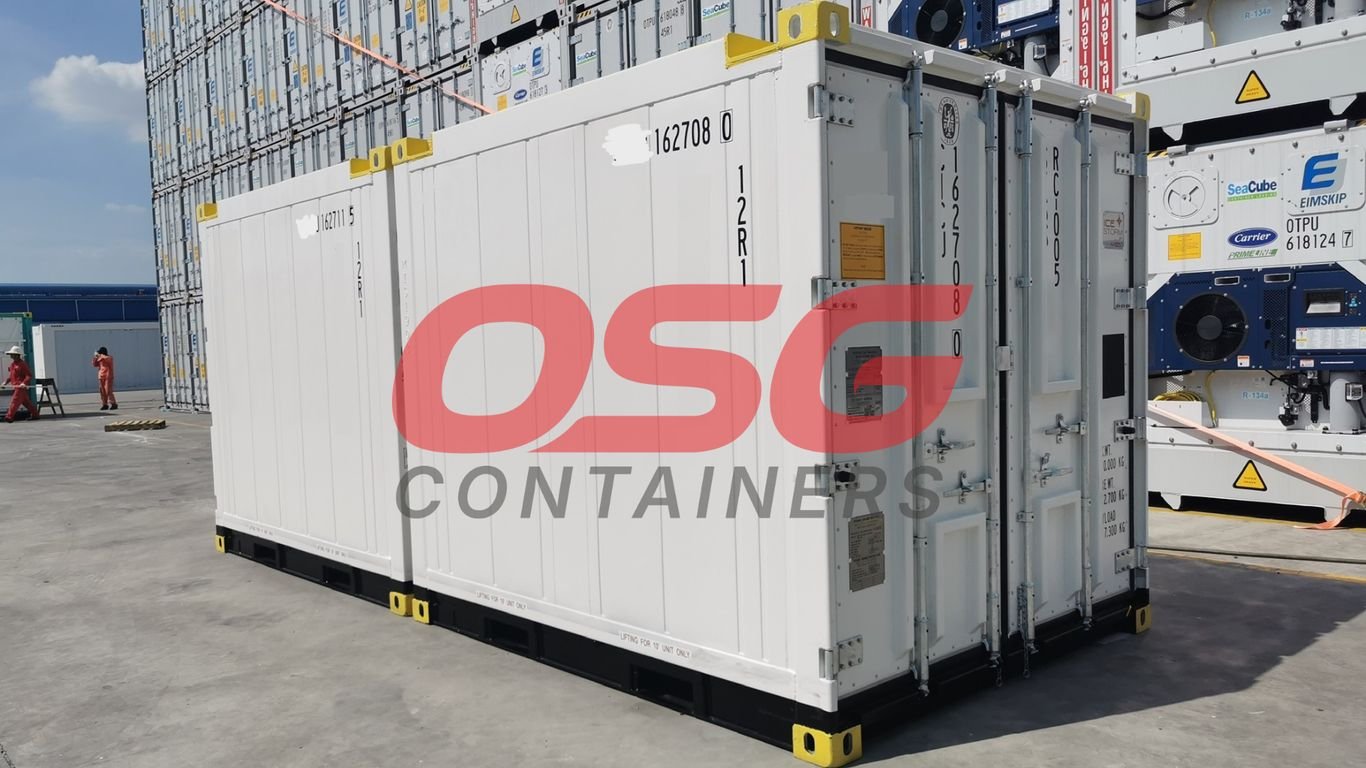
Shipping goods to Singapore? It’s easy to get confused about the best way to pack your items. You’ve got your standard ‘dry’ containers, and then there are the special ‘reefer’ ones. They look similar, but they do very different jobs, especially when it comes to keeping things cool. We’re going to break down when you absolutely need a reefer cargo setup and when a regular container will do just fine for your Singapore shipments.
Key Takeaways
- Reefer sea freight uses refrigerated containers with built-in cooling to keep cargo at a specific temperature. Dry containers don’t have this active cooling.
- You need reefer cargo for anything that spoils easily, like fresh food, medicines, or flowers, to keep it from going bad during the trip.
- Reefers actively control temperature, airflow, and sometimes humidity. This keeps the ‘cold chain’ unbroken, preventing damage and rejection by buyers.
- Singapore’s port is super efficient, but picking the right shipping partner is still important for managing reefer cargo smoothly, whether it’s door-to-door or port-to-port.
- Shipping reefer cargo costs more due to the energy needed and careful handling, but it’s often cheaper than losing the whole shipment to spoilage.
Understanding Reefer Cargo vs. Dry Cargo
Defining Reefer Sea Freight
When we talk about shipping goods, especially internationally, you’ve got two main types of containers to think about: reefer and dry. A reefer container, short for refrigerated container, is basically a big, insulated box with its own built-in cooling system. This active temperature control is what sets it apart from a standard dry container. It’s designed to keep your cargo at a very specific, consistent temperature, whether that’s chilled or frozen. Think of it like a giant, mobile refrigerator. This is super important for anything that can go bad or get damaged if the temperature isn’t just right.
The Role of Dry Containers
Now, a dry container is your everyday shipping box. It’s sturdy, weather-resistant, and good for a huge range of products that don’t need special temperature treatment. Most of the stuff you see being shipped around the world – electronics, clothing, furniture, dry goods like rice or flour – travels in dry containers. They offer protection from the elements and are pretty straightforward to use. While they offer some insulation, they don’t have any active cooling. If you need to keep something cool in a dry container, you’d have to add your own insulation or use special liners, but it won’t actively lower the temperature.
Key Differences in Temperature Control
The big difference really boils down to how temperature is managed. Dry containers offer passive protection, meaning they shield your goods from external conditions but don’t change the internal temperature. Reefers, on the other hand, provide active temperature management. They have refrigeration units that can precisely control and maintain the internal temperature, often within a fraction of a degree. This active system is what makes them suitable for sensitive items.
Here’s a quick rundown:
- Dry Container: Protects from weather, offers basic insulation. No active cooling.
- Reefer Container: Actively cools or heats to maintain a set temperature. Includes monitoring and airflow control.
Choosing the right container type is the first step in making sure your shipment arrives in Singapore in the condition you expect. Getting this wrong can lead to spoiled goods, unhappy customers, and unexpected costs.
| Feature | Dry Container | Reefer Container |
|---|---|---|
| Temperature Control | Passive (Insulation only) | Active (Refrigeration unit) |
| Primary Use | General cargo, non-perishables | Perishables, pharmaceuticals, temperature-sensitive |
| Complexity | Simple | More complex, requires power and maintenance |
| Cost | Lower | Higher |
When Reefer Cargo is Essential for Singapore Shipments
Sometimes, you just can’t risk it with a regular container. For certain types of goods, keeping a steady, cool temperature isn’t just a nice-to-have; it’s the whole ballgame. If you’re shipping anything that can go bad, melt, or lose its potency when it gets too warm, then a reefer container is your only real option, especially when sending cargo to a place like Singapore.
Protecting Temperature-Sensitive Goods
Think about fresh produce, pharmaceuticals, or even certain chemicals. These items have very specific temperature ranges they need to stay within to remain usable and safe. A standard dry container is basically just a metal box; it offers no protection against the heat outside or the temperature fluctuations that happen during a long sea voyage. Reefers, on the other hand, actively control the temperature, creating a stable environment.
- Fresh Foods: Fruits, vegetables, dairy, and meats need to stay chilled to prevent spoilage and maintain quality.
- Pharmaceuticals: Many medicines and vaccines are highly sensitive to heat and require precise temperature control to remain effective.
- Specialty Chemicals: Certain industrial or laboratory chemicals can degrade or become unstable if exposed to temperature variations.
- Flowers and Plants: Cut flowers and live plants often have specific temperature needs to survive transport.
Maintaining Cold Chain Integrity
Singapore is a major hub, meaning your cargo might pass through several hands and storage points before reaching its final destination. Keeping the cold chain intact means that at no point does the temperature of your goods go outside the acceptable range. This is where reefer containers shine. They are designed to maintain this continuous temperature control from the moment the cargo is loaded until it’s unloaded at the destination.
The biggest mistake people make is thinking that a "broken reefer" is the main cause of cargo loss. More often than not, it’s the little things that trip you up: poor planning, late paperwork, or a breakdown in communication between the truck, the port, and the ship. Every step in the journey matters.
Avoiding Product Spoilage and Rejection
Nobody wants to receive a shipment that’s gone bad. For businesses, this means lost money, damaged reputation, and potentially dealing with customs or health authorities. Using a reefer container significantly reduces the risk of spoilage. It also helps avoid situations where your cargo might be rejected upon arrival because it didn’t meet the required temperature standards. For high-value, perishable goods, the cost of a reefer container is a small price to pay to protect your investment.
Here’s a quick look at what can happen if the cold chain breaks:
| Product Type | Potential Issue |
|---|---|
| Fresh Berries | Mold growth, mushiness, off-smell |
| Vaccines | Loss of potency, reduced effectiveness |
| Chocolate | Melting, bloom (white streaks), texture change |
| Frozen Seafood | Thawing, bacterial growth, freezer burn |
The Mechanics of Reefer Cargo Shipping
So, how does a reefer container actually keep your goods at the perfect temperature, especially when it’s baking hot outside or freezing cold? It’s not just magic; it’s a combination of technology and careful handling. The real work happens inside the refrigeration unit, managing airflow, and how the cargo is packed.
Active Temperature Management Systems
Refrigerated containers, often referred to as "reefers," have built-in refrigeration units. These units are designed to either cool or heat the interior to maintain a precise temperature setpoint. This is super important for things like fresh produce that needs to stay chilled, or certain pharmaceuticals that can’t freeze. The system constantly monitors the internal temperature and kicks in the cooling or heating as needed. It’s a dynamic process, not just a passive box.
Airflow and Humidity Control
Just setting the right temperature isn’t enough. Air needs to circulate properly through the cargo to prevent hot spots or freezing. This is why how you load the container matters a lot. You can’t just stuff it full; there need to be channels for air to move. Many reefer units also manage humidity levels. Too much moisture can cause condensation and mold, while too little can dry out products like flowers or certain foods. Some units also allow for fresh air exchange, which is useful for produce that releases gases as it ripens.
Monitoring and Data Logging Capabilities
Modern reefer containers come with sophisticated monitoring systems. These systems track the temperature, humidity, and other conditions inside the container throughout the journey. This data is logged and can be accessed, providing a record of the cargo’s environment. This is incredibly useful for troubleshooting if something goes wrong and for proving that the cold chain was maintained. Some advanced systems even offer remote monitoring, so you can check on your cargo’s status in real-time. A standard 40 reefer container will have these capabilities built-in.
The technology inside a reefer container is designed to be robust, but it relies heavily on proper operation and cargo handling. Issues often arise not from a broken cooling unit, but from poor packing that blocks airflow or delays in transit that give the system too much to overcome.
Navigating Singapore’s Logistics Hub for Reefer Cargo
Singapore is a major player when it comes to moving goods around the world, especially for temperature-controlled shipments. Its port is super efficient, making it a great spot for both importing and exporting reefer cargo. Think of it as a well-oiled machine that keeps things moving.
Singapore’s Port Efficiency for Global Trade
Singapore’s port is one of the busiest and most advanced globally. This means your reefer cargo gets handled quickly and with care. They’ve got the infrastructure to manage the specific needs of refrigerated containers, from quick turnaround times to specialized equipment. This efficiency is key to maintaining the cold chain integrity for your sensitive goods. When you’re shipping perishables or pharmaceuticals, every hour counts, and Singapore’s port operations are designed to minimize delays.
Choosing the Right Logistics Partner
Finding the right company to handle your reefer shipments in Singapore is a big deal. You need someone who knows the ins and outs of the local logistics scene and understands the unique requirements of reefer transport. They should be able to:
- Compare different shipping lines and their reefer services.
- Handle all the necessary paperwork and customs procedures smoothly.
- Provide real-time tracking so you know where your cargo is at all times.
- Coordinate with trucking companies for the final delivery.
Working with a partner experienced in reefer cargo means they’ll be aware of potential pitfalls, like ensuring the reefer unit is properly set and that there’s good airflow within the shipping container. This attention to detail prevents common issues that can lead to spoilage.
Door-to-Door and Port-to-Port Options
When shipping reefer cargo to or from Singapore, you’ll have choices for how your goods are transported. You can opt for:
- Port-to-Port: This covers the journey from one port to another. You’d be responsible for getting the cargo to the origin port and picking it up from the destination port.
- Door-to-Door: This is a more complete service. It includes pickup from your supplier’s location, transport to the origin port, the ocean voyage, and delivery from the destination port right to your final destination.
Your choice depends on your needs, budget, and how much control you want over the entire shipping process. For reefer cargo, a door-to-door service often provides better control over the cold chain, as it minimizes the number of times the cargo changes hands.
Cost Considerations for Reefer Cargo
Shipping with a reefer container, especially a 40-foot reefer, isn’t quite the same as just tossing stuff into a regular dry container. There are definitely some extra costs to think about. It’s not just about the base freight rate; a bunch of other things can add up.
Understanding Reefer Freight Rates
Reefer rates are generally higher than dry cargo rates. This makes sense, right? You’re paying for the refrigeration unit, the electricity to run it, and the specialized handling required. The specific rate can change a lot depending on the route, the season, and how much demand there is for reefer space. A 40-foot reefer will also typically cost more than a 20-foot one, simply because it’s larger and uses more power.
Energy-Related Surcharges
This is where things can get a bit tricky. Carriers often add surcharges for things like electricity usage, especially for longer transit times or if the container needs to be plugged in at the port for extended periods. The temperature you set also plays a big role. Keeping cargo at a super-low temperature, say -25°C, uses way more energy than keeping it at a milder 5°C. So, if your product can handle a slightly warmer, but still safe, temperature, you might save some money.
Impact of Temperature Settings and Routing
Your choices really do impact the final bill. Here’s a quick look at how:
- Temperature Setpoint: Lower temperatures mean higher energy consumption and potentially higher surcharges. Always aim for the highest safe temperature your product can tolerate.
- Routing: Some routes might have more direct options, while others might involve more stops or require the reefer to be powered longer. A slightly longer route with fewer stops might sometimes be more cost-effective than a shorter, more complex one.
- Container Size: As mentioned, a 40-foot reefer generally has a higher base rate and higher energy costs than a 20-foot reefer.
The total cost of shipping reefer cargo is a sum of many parts. It’s not just the sticker price of the container. Think about the power needed, the specialized handling, and how your specific choices about temperature and route directly influence the final amount you pay. Being smart about these factors can make a real difference to your bottom line.
Choosing the right container size and being realistic about temperature needs are key steps in managing these costs effectively. It’s about finding that balance between product safety and budget.
Mitigating Risks in Reefer Cargo Transport
Shipping temperature-sensitive goods to Singapore, or anywhere really, isn’t just about booking a container and hoping for the best. A lot can go wrong, and honestly, most of the time it’s not even the reefer unit itself that fails. It’s the little things, the human errors, the coordination hiccups. Paying attention to the details is what keeps your cargo safe and sound.
The Importance of Pre-Trip Inspections (PTI)
Think of a PTI as a quick check-up before a big trip. Before your container is loaded, it gets a thorough inspection. This isn’t just a quick glance; it checks if the reefer unit is working correctly, if the temperature controls are accurate, and if there are any leaks or damage. Getting a clean PTI report means the equipment is ready to go. It’s a vital step to catch potential problems before they become costly issues at sea or, worse, upon arrival.
Documentation and Chain of Custody
Keeping good records is super important. You need to track where your cargo has been and who was responsible for it at each stage. This includes:
- Pre-Trip Inspection (PTI) reports: Proof the unit was checked.
- Temperature logs: Data showing the temperature inside the container throughout the journey.
- Loading photos: Visual evidence of how the cargo was packed and airflow.
- Written instructions: Clear setpoints and handling notes for the carrier.
- Bills of Lading and other transport documents: Showing the movement and handover points.
This detailed documentation helps if something does go wrong. It shows you did your part and helps pinpoint where the issue might have occurred. It’s all about maintaining a clear chain of custody.
Cargo Insurance for Temperature Deviations
Even with all the checks and documentation, things can still happen. That’s where cargo insurance comes in. But not all insurance is created equal, especially for reefer cargo. You need to make sure your policy specifically covers:
- Temperature deviations (when the temperature goes outside the set range).
- Delays that could impact the cargo.
- Reefer unit breakdowns.
Don’t just assume "all-risk" coverage is enough. Read the fine print and confirm that temperature-related issues are explicitly included. It might cost a bit more upfront, but it can save you a massive headache and financial loss if the unexpected happens.
When planning your reefer shipments, remember that operational errors often cause more problems than equipment failures. Things like incorrect temperature settings, poor airflow during loading, or a lack of pre-cooling can all lead to spoilage. Always confirm settings in writing and ensure proper loading practices are followed to allow air circulation. Make sure any inland transport includes a working generator set (genset) if needed, and prepare all necessary documents well in advance to avoid delays at the port.
Wrapping It Up: Reefer vs. Dry for Singapore
So, when it comes down to shipping to Singapore, picking the right container type really matters. If your goods are sensitive to temperature, like fresh food or certain medicines, a reefer container is pretty much your only safe bet. It actively keeps things cool, which is way different from a standard dry container that just sits there. But, if you’re shipping something more sturdy, like electronics or clothes, a dry container will likely do the job just fine and save you some cash. Think about what you’re sending, how much it’s worth, and what could go wrong. Getting that right will help you avoid spoiled products or unnecessary costs. It’s all about matching the container to the cargo for a smooth trip to Singapore.
Frequently Asked Questions
What’s the main difference between a reefer container and a regular (dry) container?
Think of a reefer container like a big, mobile refrigerator for your goods. It has a built-in cooling system that keeps the temperature exactly how you set it. A dry container is just a regular box; it doesn’t have any active cooling. If your product needs to stay cold or frozen, you need a reefer.
How do I know if my product needs a reefer container for shipping to Singapore?
If your product is something that can go bad or lose its quality if it gets too warm, like fresh food, medicine, or flowers, then you definitely need a reefer. If it’s something like clothes or electronics that doesn’t care about the temperature, a dry container is usually fine.
What does ‘cold chain integrity’ mean when shipping with reefers?
It means keeping your temperature-sensitive product at the right temperature all the way from the start to the end of its journey. Imagine a chain; if one link breaks (like the temperature goes up too high), the whole chain is broken, and your product can be ruined. Reefers help keep that chain strong.
Are reefer containers more expensive to use than dry containers?
Yes, they generally cost more. You pay for the container itself, plus the electricity to run the cooling unit, and often extra fees for the special handling and monitoring. But, if your product would be ruined in a dry container, the reefer cost is worth it to avoid losing your entire shipment.
What is a ‘Pre-Trip Inspection’ (PTI) for reefer containers?
A PTI is like a check-up for the reefer container before you use it. It makes sure the cooling unit is working correctly and can keep the temperature steady. It’s a really important step to make sure the container is ready for your valuable cargo.
Can Singapore’s port handle reefer cargo efficiently?
Absolutely! Singapore has one of the world’s busiest and most advanced ports. They are very good at handling all kinds of cargo, including reefer containers. They have the equipment and expertise to keep your cold goods moving smoothly through the port.