Singapore
 Australia
 Indonesia
 Japan
Japan Malaysia
 New Zealand
 Philippines
 South Korea
 Taiwan
 Thailand
 VIETNAM
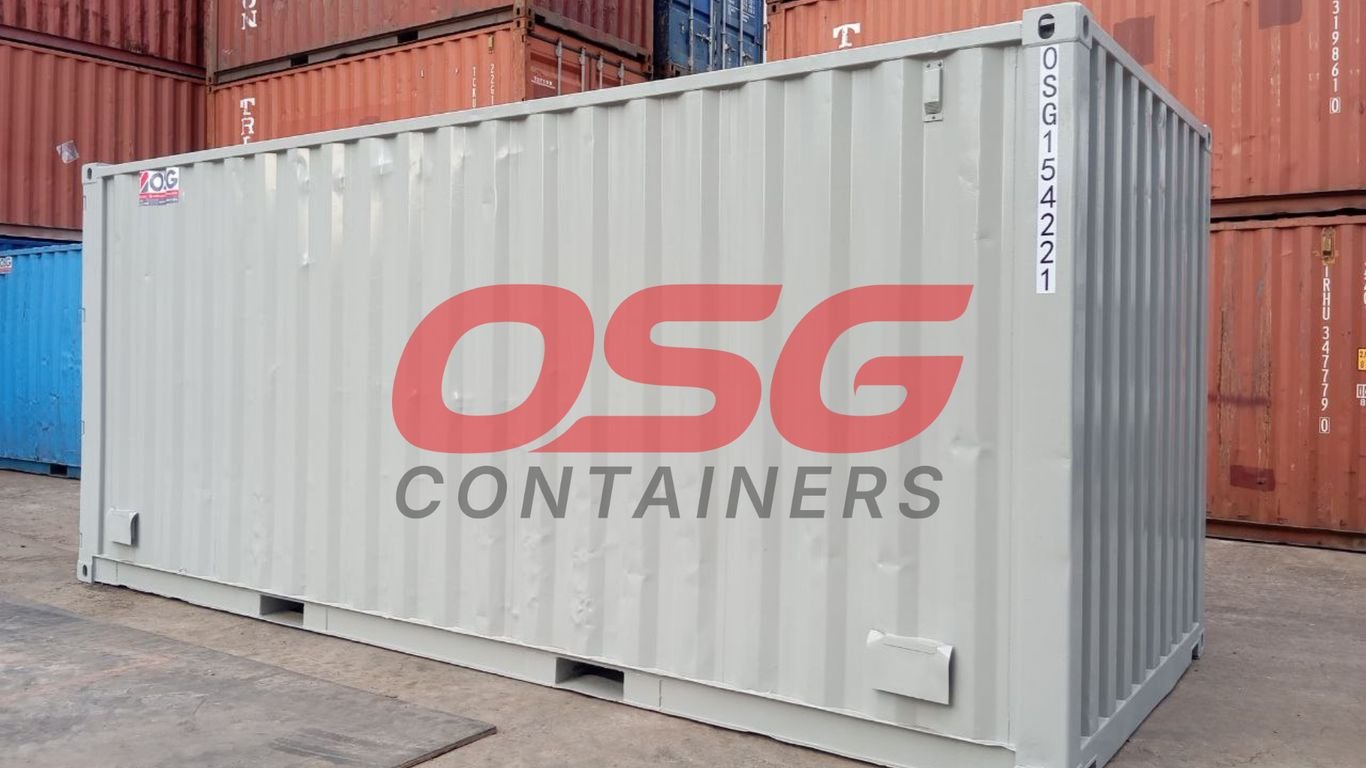
Thinking about shipping something from Singapore, or maybe just need to know how much stuff fits into a standard shipping container? You’ve probably seen those big metal boxes everywhere, and the 20-foot one is super common. It’s a popular choice for a reason, offering a decent amount of space without being totally overwhelming. But what exactly can you fit inside? We’re going to break down the 20 ft container size and what it can actually hold, whether you’re moving house, shipping goods, or even thinking about a creative project.
Key Takeaways
- A standard 20 ft container has internal dimensions of roughly 19.4 ft (length) x 7.8 ft (width) x 7.9 ft (height), giving you about 33.1 cubic meters of usable space.
- This size is ideal for smaller moves, like a 1-2 bedroom apartment, or for shipping specific items and quantities of goods.
- While a 20 ft container is versatile, a 40 ft container offers double the space and can be more cost-effective for larger shipments.
- Beyond shipping, 20 ft containers are adaptable for various projects, including tiny homes, offices, or workshops, due to their durable structure.
- Shipping costs from Singapore can range widely (S$3,000-S$10,000), depending on the destination, services, and weight, with a typical payload capacity of around 21,700 kg.
Understanding 20ft Container Size Specifications
Internal and External Measurements
So, you’re looking at a 20ft container. It’s a pretty standard choice for a lot of shipping needs, but knowing the exact measurements is key. These aren’t just random boxes; they’re built to pretty strict specs. You’ve got your external dimensions, which are important for things like getting it onto a truck or fitting it into a port. Then there are the internal dimensions, which is the actual space you get to work with for your stuff.
Here’s a quick look at the typical measurements. Keep in mind these can vary just a tiny bit between manufacturers, but they’re usually very close.
| Measurement | 20ft Standard (Approx.) | 20ft High Cube (Approx.) |
|---|---|---|
| Internal Length | 19.4 ft / 5.9 m | 19.4 ft / 5.9 m |
| Internal Width | 7.8 ft / 2.35 m | 7.8 ft / 2.35 m |
| Internal Height | 7.9 ft / 2.39 m | 8.9 ft / 2.69 m |
| External Length | 20 ft / 6.1 m | 20 ft / 6.1 m |
| External Width | 8 ft / 2.44 m | 8 ft / 2.44 m |
| External Height | 8.5 ft / 2.59 m | 9.5 ft / 2.89 m |
Standard vs. High Cube Dimensions
The main difference you’ll notice between a standard 20ft container and a ‘High Cube’ version is the height. The High Cube is about a foot taller. This extra vertical space can make a big difference if you’re shipping items that are tall or if you want to stack things higher.
- Standard 20ft: Offers a good balance for most general cargo.
- 20ft High Cube: Provides that extra bit of headroom, useful for taller goods.
- Doorway: The door opening is usually around 7.8 feet high for a standard and 8.8 feet for a high cube, so check that your items can actually get through!
The 20ft container size is a workhorse in shipping. It’s a common sight for a reason, offering a practical amount of space without being overly cumbersome to move around.
Usable Volume and Capacity
When we talk about how much a 20ft container can hold, we’re usually talking about its internal volume, measured in cubic meters (CBM) or cubic feet (cu ft). A standard 20ft container typically has an internal volume of about 33 CBM. The High Cube version bumps that up to around 37 CBM. This is the space you have to fill with your goods. It’s important to remember that you won’t be able to fill every single inch due to the shape of the container and how you need to load it safely. Knowing this usable volume helps you figure out if all your items will actually fit.
What Can Fit Inside A 20ft Container?
So, you’re looking at a 20ft shipping container and wondering what exactly you can cram inside. It’s a common question, especially if you’re moving house or shipping goods. Think of it as a sturdy, metal box that can hold a surprising amount.
Household Contents for Smaller Moves
For many people, a 20ft container is just the ticket for moving a smaller home. We’re talking about the contents of a one or two-bedroom apartment. With careful packing, using boxes and bubble wrap, you can fit furniture, appliances, and all those personal items. It’s all about Tetris-ing your belongings efficiently.
- Furniture from a 1-2 bedroom apartment
- Appliances like refrigerators and washing machines
- Plenty of packed boxes with personal effects
- Mattresses and smaller items
Remember, proper packing is key. Dismantle furniture where possible, wrap fragile items well, and place heavier things at the bottom. This maximizes space and protects your stuff.
Shipping Specific Items and Quantities
Beyond household goods, these ship containers are used for all sorts of things. The amount you can fit really depends on the item. For example, you could fit a large number of smaller electronics, or a more limited quantity of bulky items.
Here’s a rough idea for some common items:
| Item Type | Approximate Quantity/Capacity |
|---|---|
| Standard Pallets | Up to 10 |
| Refrigerators | 50-60 |
| Flat Screen TVs | 400 |
| Motorcycles/ATVs | Several |
Vehicles and Larger Goods
Can you fit a car? Yes, often you can. A 20ft container can typically hold one to two smaller cars, depending on their size. If you’re shipping a vehicle, it’s usually done in a dedicated container (Full Container Load or FCL) to prevent damage. Larger items like building materials or equipment can also be shipped, but the quantity will vary greatly based on their dimensions and how they can be stacked. The usable internal volume is around 33 cubic meters, which gives you a good sense of scale.
Comparing 20ft Container Capacity
20ft Container vs. 40ft Container
So, you’re trying to figure out how much stuff you can actually cram into a 20ft container, and maybe you’re wondering how it stacks up against its bigger sibling, the 40ft container. It’s a pretty common question, and the answer really boils down to space and volume. A 40ft container, as you might guess, can hold roughly double what a 20ft can. Think of it this way: if a 20ft is like a decent-sized studio apartment, a 40ft is more like a small house. They both offer the same strength and durability, but the sheer amount of cargo you can fit inside is where they really differ.
Here’s a quick look at the numbers:
| Container Type | Internal Volume (approx.) | Standard Pallet Capacity (1-tier) |
|---|---|---|
| 20ft Standard | 33.2 m³ (1,170 ft³) | 10 |
| 40ft Standard | 67.7 m³ (2,391 ft³) | 21 |
Understanding Half Container Usage (LCL)
Sometimes, a full 20ft container is just too much space, or maybe too much cost, for what you need to ship. That’s where Less than Container Load (LCL) shipping comes in. Instead of booking an entire container for yourself, you share the space with other people’s goods. It’s a great way to save money if your shipment isn’t big enough to fill a whole container. You’re essentially paying for the portion of the container your items take up. This is super common for smaller businesses or individuals sending smaller batches of goods. It makes international shipping way more accessible when you don’t have a massive amount of cargo.
Pallet Capacity and Loading
When we talk about how much fits, pallets are often the go-to measurement, especially for businesses. A standard 20ft container can typically hold around 10 standard pallets, stacked one high. If you’re using Euro-pallets, which are a bit smaller, you might be able to squeeze in up to 11. It’s not just about how many you can fit, though; it’s also about how you load them. Proper loading is key to maximizing space and making sure your goods don’t shift around during transit. You want to pack them in snugly, using any available space efficiently. Remember, the weight limit is also a big factor – you can’t just keep piling things on if you hit the maximum payload capacity before you run out of room.
Loading a container isn’t just about stuffing things in. It’s a puzzle. You have to think about weight distribution, securing items so they don’t move, and making sure you can actually get everything out at the other end without a major headache. It takes some planning, but getting it right means your stuff arrives safely and you’ve made the most of the space you paid for.
Beyond Storage: Creative Uses For A 20ft Container
So, you’ve got a 20ft container, or maybe you’re thinking about getting one. Beyond just stuffing it with goods for shipping or long-term storage, these tough steel boxes are surprisingly versatile. People are getting really creative with them, turning them into all sorts of useful spaces. It’s like having a sturdy, blank canvas that’s already built.
Transforming Containers for Living and Working
Forget just using it as a glorified shed. A 20ft container can be the foundation for a cozy tiny home, a quiet backyard office, or even a dedicated workshop. With some insulation, windows, and a bit of interior finishing, you can create a comfortable, weatherproof space. Imagine a dedicated art studio where you can make a mess without worrying about your main house, or a quiet spot to focus on your work, separate from household distractions.
- Tiny Homes: Perfect for a minimalist lifestyle or extra guest accommodation.
- Home Offices: Escape the house and create a professional workspace.
- Workshops/Studios: Ideal for hobbies, crafts, or small-scale production.
- Pop-Up Shops/Cafes: Businesses can use them for temporary retail or food service locations.
The real beauty of a 20ft container is its robust structure. It’s designed to withstand harsh conditions, meaning it provides a solid base for modifications that might not be feasible with traditional building materials. This inherent strength translates into durability for whatever you decide to build.
Customization and Project Potential
This is where things get really interesting. You’re not just buying a box; you’re buying potential. The steel exterior is a great surface for custom paint jobs, making your container stand out. Inside, you can add shelving, lighting, plumbing, and electrical systems to suit your specific needs. Think about:
- Adding a green roof: For insulation and a unique aesthetic.
- Installing custom doors and windows: To improve light and access.
- Building multi-level interiors: To maximize usable space.
- Integrating solar panels: For off-grid power solutions.
Adaptability for Various Needs
Whether you’re an individual looking for a unique living or working space, or a business needing a flexible solution, a 20ft container can fit the bill. They’re easier to place and transport than larger units, making them suitable for a wider range of locations, including tighter urban spots. This adaptability means you can:
- Create temporary event spaces: Like small stages or vendor booths.
- Set up remote site offices: For construction or agricultural projects.
- Provide secure storage for specialized equipment: That needs to be kept safe and accessible.
Ultimately, a 20ft container is more than just a shipping box; it’s a modular building block for your next big idea.
Logistics and Costs Associated With 20ft Containers
So, you’ve decided a 20ft container is the way to go. That’s awesome! But before you start picturing it sitting pretty on your property, there are a few big things to sort out. It’s not just about buying the box; it’s about getting it to you and making sure everything is above board.
Estimating Shipping Costs from Singapore
Figuring out the cost to ship your container from Singapore involves a few moving parts. You’ll need to consider the type of container, its condition (new vs. used), and the final destination. Shipping lines have different rates, and these can change based on demand and fuel prices. It’s always a good idea to get quotes from a few different providers to compare. Don’t forget to ask what’s included – sometimes port fees or customs duties aren’t immediately obvious.
Delivery and Transportation Considerations
Getting your container from the port or seller to your location is a pretty significant step. You’ll need to arrange for specialized transport, usually a flatbed truck or a container chassis. The cost will depend on the distance, accessibility of your site, and whether you need a crane or forklift to place it. Always confirm the delivery route is clear and that your site can handle the weight of the truck and container.
Here are some common delivery options:
- Direct Port Pickup: If you’re close to the port and have the right equipment, you might be able to pick it up yourself.
- Third-Party Logistics (3PL) Provider: These companies specialize in moving cargo and can handle all the arrangements for you.
- Seller-Arranged Delivery: Many container sellers offer delivery as part of their service, which can simplify the process.
Weight Limitations and Payload Capacity
Every container has a maximum weight it can safely carry, known as its Gross Mass. For a standard 20ft container, this is typically around 30,480 kg (67,200 lbs). You also need to consider the Tare Weight, which is the weight of the empty container itself (around 2,300 kg or 5,070 lbs). The difference between these two is your Payload Capacity – the maximum weight of goods you can load.
| Specification | Approximate Weight (kg) | Approximate Weight (lbs) |
|---|---|---|
| Tare Weight (Empty) | 2,300 kg | 5,070 lbs |
| Max Payload | 28,180 kg | 62,130 lbs |
| Gross Mass (Max) | 30,480 kg | 67,200 lbs |
Exceeding these limits can cause damage to the container and the transport vehicle, and it’s also illegal. Always check the specific weight ratings for the container you purchase.
When planning your container’s journey, remember that the journey doesn’t end with delivery. If you plan to move the container later, you’ll need to factor in the cost and logistics of that relocation as well. It’s a one-time purchase, but its placement might not be permanent.
Wrapping It Up: Your 20ft Container Decision
So, we’ve gone over the ins and outs of what a 20ft container can actually hold. Whether you’re moving a small apartment, shipping some goods, or even thinking about a unique project, this size container is a pretty solid choice for many people here in Singapore. It’s not the biggest option out there, but it offers a good balance of space and cost, especially when you compare it to a larger 40ft container. Just remember to really think about what you need to pack and how you’ll arrange it. Getting the measurements right and planning your packing can make a huge difference in making sure everything fits. Hopefully, this guide has cleared things up and helped you figure out if a 20ft container is the right fit for your needs.
Frequently Asked Questions
What are the exact inside measurements of a 20ft container?
A standard 20ft container has inside measurements of about 19.4 feet long, 7.8 feet wide, and 7.9 feet high. Think of it as roughly 5.9 meters long, 2.35 meters wide, and 2.39 meters high. This space is what you can actually use for your stuff!
How much stuff can really fit inside a 20ft container?
For a typical move, a 20ft container is usually enough for a 1- to 2-bedroom home. This means furniture, appliances, and around 1,200 boxes. It’s a good size for smaller moves or if you don’t have a lot of big items.
What’s the difference between a standard 20ft and a ‘high cube’ 20ft container?
A ‘high cube’ 20ft container is simply taller than the standard one. It gives you about an extra foot of height, which is super helpful if you have taller things like shelves, standing wardrobes, or other bulky items that wouldn’t fit in a regular container.
Can I fit a car in a 20ft container?
Yes, you can fit cars inside a 20ft container, but it’s usually a tight squeeze. You can typically fit two smaller cars, or maybe one car and a motorcycle. It’s best for shipping vehicles as part of a larger move or if you’re sending them individually.
How much does it cost to ship a 20ft container from Singapore?
Shipping costs can change a lot, but generally, sending a 20ft container from Singapore might cost anywhere from S$3,000 to S$10,000. This depends on where it’s going, how far, and what services are included, like delivery to your door.
What is LCL shipping and how does it relate to a 20ft container?
LCL stands for Less than Container Load. It means you’re not filling a whole 20ft container yourself. Instead, you share the space with other people’s goods. This is a cheaper option if you only have a small amount of stuff, like the contents of a studio apartment, and don’t need a full container.