Singapore
 Australia
 Indonesia
 Japan
Japan Malaysia
 New Zealand
 Philippines
 South Korea
 Taiwan
 Thailand
 VIETNAM
You know, the way people shop is changing so fast. It feels like just yesterday we were all about going to the mall, and now? It’s a whole different ballgame. Stores need to be able to keep up, and that’s where something like Shopbox comes in. It’s not just about having a physical store anymore; it’s about making it work with everything else, online and off, and being able to change things on the fly. Let’s look at how Shopbox helps businesses be more flexible than the old-school shops.
Key Takeaways
- Shopbox helps stores get to know their customers better, leading to smarter choices about what to sell and how to present it. This means better sales and happier shoppers.
- Retail spaces can be designed to change easily. Think about swapping out displays for holidays or quickly redoing a layout with modular parts, making the store feel fresh.
- Businesses can get ready for whatever comes next in retail. Shopbox helps add new tech without a huge hassle and keeps stores relevant as trends shift.
- Shopbox makes running a store easier behind the scenes. It helps manage stock better, cuts down on costs, and gives staff the info they need right away.
- Setting up new shops, especially temporary ones like container shops, is much faster and cheaper with Shopbox. This lets businesses try out new places or grow their reach without big risks.
Enhancing Customer Engagement With Shopbox
Understanding Shopper Behavior For Smarter Decisions
Customers today expect more than just a place to buy things. They want shopping to be easy, maybe even a little bit fun, and definitely tailored to them. Shopbox brings technology into the picture to make this happen, focusing on making the whole process better for shoppers. It helps stores figure out what you might like by looking at what you’ve browsed or bought before, suggesting similar items. This means less time wandering around looking for something and more time finding what you actually want. It’s about making your visit smooth and efficient.
Shopbox helps stores understand their customers better by looking at shopping habits. This allows for more targeted suggestions and a smoother shopping trip overall.
Creating Personalized Offers And Seamless Checkouts
Forget static signs. Shopbox enables stores to use digital screens and interactive displays. These can show you more product details, let you customize items right there, or even offer virtual try-ons. It’s a way to make shopping more hands-on and interesting, giving you more information and control over your choices. Based on what you’ve looked at or bought before, the system can help staff offer personalized recommendations or quicker service. Less waiting, more doing. This focus on the customer’s journey builds a stronger connection between them and the brand.
Here’s how Shopbox makes things better:
- Personalized Recommendations: Based on what you’ve looked at or bought before.
- Quicker Service: Less time in line, happier shoppers.
- Interactive Displays: Digital screens that give you more info or let you customize products.
Integrating Digital Insights With Physical Experiences
Shopbox helps bridge the gap between online and in-person shopping, making things smoother for everyone. When a customer sees a product online, they expect it to be the same price and available when they visit the store. Shopbox systems sync up this data. So, if a sale is happening online, that information is reflected in the store’s digital displays or point-of-sale systems. This avoids those awkward moments where a customer is told the price is different in person. Stores are starting to feel less like just places to grab stuff and more like places to actually experience a brand. Some shops are becoming like showrooms where you can see and touch products, but then you order them digitally for delivery. Shopbox can help manage this. Imagine walking into a store and using a tablet to see all the different colors of a shirt, or even trying on clothes virtually using a screen. It makes shopping more engaging, and less about just finding a product on a shelf.
| Feature | Benefit |
|---|---|
| Synced Product Information | Consistent pricing and availability online/in-store |
| Digital Displays | Interactive product exploration and customization |
| Virtual Try-ons | Engaging and informative shopping experience |
Agile Store Design And Layout Flexibility
Traditional shops often feel stuck in place, right? Like they’re built for one thing and that’s it. But with Shopbox, we’re talking about a whole different ballgame. Think about being able to change your store’s look and feel as often as you need to. This isn’t just about aesthetics; it’s about making your space work harder for you.
Adapting Retail Spaces For Seasonal Promotions
Imagine wanting to run a special holiday sale or a summer clearance event. Instead of just putting up some signs, you can actually reconfigure your store’s layout to match the vibe. Maybe you need more open space for a fashion display, or perhaps you want to create cozy nooks for product demos. Shopbox makes these kinds of quick changes possible, so your store always feels fresh and relevant to whatever’s happening.
Modular Concepts For Quick Reconfiguration
This is where things get really interesting. We’re seeing a rise in modular retail concepts, and Shopbox is a big part of that. It means you can set up a retail space that’s designed to be changed easily. Think of it like building blocks. You can swap out sections, add new displays, or even rearrange the entire flow of the store without a massive renovation. This flexibility is a huge win for keeping up with trends and customer interests.
Enabling Dynamic Storefronts With Container Shops
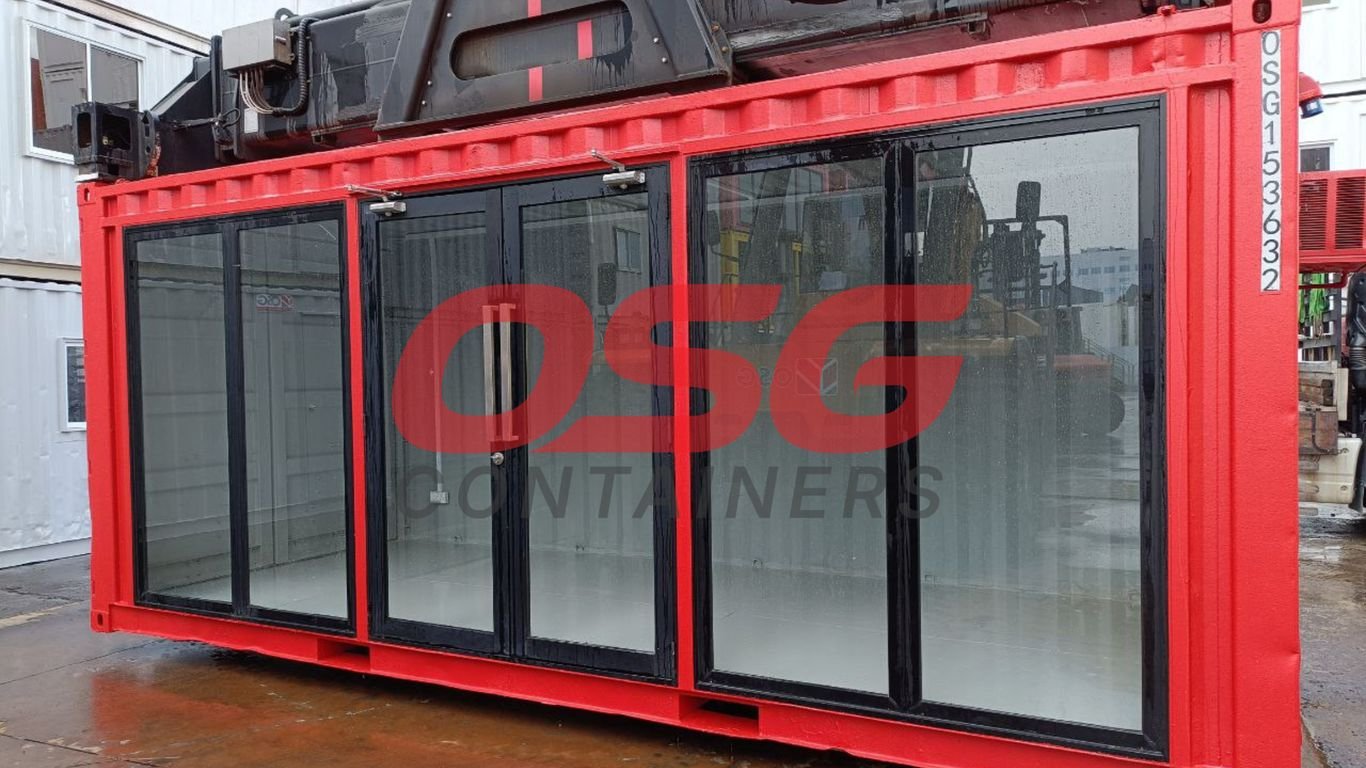
And then there are the creative container shops. These aren’t your grandpa’s shipping containers anymore. They can be transformed into really cool, eye-catching retail spaces. The best part? They’re often built with modularity in mind. This means you can deploy a pop-up shop quickly, test out a new location, or even move your entire store if needed. It cuts down on setup time and costs dramatically, letting you be way more nimble in the market.
The ability to quickly adapt physical retail spaces, like container shops, is transforming how brands approach market entry and customer engagement. It allows for experimentation and responsiveness that traditional retail models struggle to match.
Here’s a quick look at what this flexibility means:
- Rapid Deployment: Get a new retail presence up and running in days, not months.
- Layout Versatility: Easily adjust the internal setup to suit different product lines or promotions.
- Relocatability: Move your entire store to a new, more promising location with minimal fuss.
- Cost-Effectiveness: Reduce the need for expensive, permanent build-outs.
Future-Proofing Retail Environments
The retail world moves fast, and what works today might not cut it tomorrow. That’s where thinking ahead comes in. Shopbox helps stores get ready for whatever changes are around the corner. It’s not just about selling stuff; it’s about making a shopping spot that people want to visit again and again, no matter what new trends pop up.
Building Adaptable Spaces For Evolving Trends
Consumer habits are always shifting. One minute everyone wants to buy online, the next they’re back in stores. New tech also appears constantly. Stores need to be able to keep up without a complete rebuild every time. Shopbox helps create spaces that can change. Think about a store layout that can be quickly rearranged for a holiday sale or a new product launch. This flexibility means you’re not stuck with an old setup. You can try new ways of selling and interacting with customers, keeping your shop feeling fresh and relevant.
Integrating New Technologies Without Overhaul
Adding new tech to a store can sometimes feel like a huge project. You worry about ripping everything out and starting over. Shopbox makes this much simpler. It’s designed to work with different systems, so you can often add new gadgets or software without a massive disruption. This means you can adopt things like better payment systems or new customer tracking tools without the headache and cost of a full renovation. It’s about making sure your store can keep up with technological advances without breaking the bank.
Ensuring Relevance Through Continuous Innovation
Staying relevant means always looking for ways to improve. Shopbox gives businesses the tools to keep innovating. By understanding customer behavior better and making operations smoother, you free up time and resources. This allows for more experimentation and creativity. It’s about building a foundation that can grow and change with your business and your customers, making sure your shop is always a step ahead.
The key is to build a retail environment that isn’t rigid. It needs to be able to bend and adapt, much like the shoppers it serves. This means thinking about flexibility in design, technology, and operations from the very beginning.
Streamlining Operations With Shopbox Technology
Running a shop can feel like a constant juggling act, right? You’ve got stock to keep track of, deliveries to manage, and customers expecting things to be just right. It’s a lot to handle. Shopbox steps in to help smooth out a lot of those day-to-day bumps, making things run a bit more like a well-oiled machine. This tech can really make a difference, especially when you’re thinking about things like pop up container shops or even more permanent container shop setups.
Improving Inventory Management Efficiency
Keeping tabs on what you have and what you need can be a real headache. Shopbox connects the dots, giving you a clearer picture of your stock. This isn’t just about knowing where your items are; it’s about making smarter choices based on what’s actually happening on the ground. Knowing when your goods are arriving is pretty important for planning. Shopbox helps you keep an eye on incoming shipments. This means you can plan your store’s staffing, shelf stocking, and even marketing efforts more effectively, avoiding those last-minute scrambles when a delivery is unexpectedly early or late. You get a heads-up, so you can adjust your plans accordingly.
- Real-time stock data prevents overselling.
- Automated alerts for low inventory.
- Better planning for restocking and promotions.
Shopbox helps connect these different parts. You can get a better look at incoming shipments, so you know when to expect them and can plan your store operations accordingly. By linking sales data with inventory and supplier information, you get a much clearer picture of the whole supply chain.
Reducing Operational Costs Through Integration
Think about all the little jobs that take up staff time. Shopbox can take on a bunch of those. For instance, self-checkout options mean customers can scan and pay for their own items. This not only speeds things up during busy periods but also means you might not need as many people on the register. Beyond that, routine tasks like checking inventory levels or flagging when something is running low can be handled automatically by the system. This cuts down on manual checks and frees up your team. Integrating systems also means less chance of errors, which can save money down the line. Even with container modifications, having a central system simplifies things.
| Task | Traditional Method | Shopbox Integration | Cost Savings Potential |
|---|---|---|---|
| Inventory Checks | Manual Counting | Automated Scans | Reduced Labor Hours |
| Checkout Process | Cashier-Assisted | Self-Service | Lower Staffing Needs |
| Order Fulfillment (BOPIS) | Manual Retrieval | System Directed | Faster Turnaround Time |
Empowering Staff With Real-Time Information
Customers ordering online and picking up in-store is a big deal now. Shopbox makes this process much easier. Systems can be set up for quick pick-ups, maybe through smart lockers or a dedicated counter. This means less time spent by your staff hunting down orders and more time for them to help other customers. It’s about making that hand-off quick and painless for everyone. When staff have access to up-to-the-minute sales data, inventory levels, and customer preferences, they can provide much better service. They can answer questions confidently and make helpful suggestions, which customers really appreciate. This makes the whole store run more smoothly.
Accelerating Market Entry With Modular Retail
Getting a new shop off the ground used to mean a huge commitment – think long leases, big building costs, and months of waiting. But with modular retail, especially when you’ve got Shopbox handling the tech side, that whole process gets flipped on its head. It’s like having a retail toolkit that lets you build and rebuild on the fly.
Rapid Deployment Of Pop-Up Container Shops
Need to test out a new neighborhood or set up for a special event? Container shops are a game-changer. You can get one of these units up and running surprisingly fast, often in a matter of days, not months. This means you can pop up somewhere new, see how it goes, and then, if it’s not quite right, just pack it up and move it. It cuts down on all that downtime and the stress of traditional setups.
- Quick Setup: Get a new retail space ready in days, not months.
- Adaptable Layouts: Easily change the internal setup to suit different needs.
- Relocatable: Move your entire store to a new location with minimal fuss.
Testing New Markets With Minimal Investment
This whole modular approach is brilliant for dipping your toes into new markets. Instead of signing a five-year lease on a big space you’re not sure will work, you can start with a single container shop. It’s a much smaller financial risk. You can see if customers in that area respond well to your products and brand. If it’s a hit, great! You can then think about expanding. If not, you haven’t lost a fortune.
The ability to quickly deploy and adapt physical retail spaces, like container shops, is transforming how brands approach market entry and customer engagement. It allows for experimentation and responsiveness that traditional retail models struggle to match.
Scalable Footprints For Business Growth
Modular retail isn’t just for starting small; it’s built for growth. Once you’ve found your footing in a new location or seen success with your initial pop-up, scaling up is straightforward. You can add more container units to increase your space or open up shop in entirely new areas. This means your physical retail presence can grow right alongside your business success, without the headaches of major construction or long-term commitments. It’s a flexible way to build your brand’s reach, letting your stores evolve as your customer base does.
The Rise Of Phygital Retail Driven By Shopbox
Remember when shopping meant just going to a store or just browsing online? Those days are fading fast. We’re now living in a ‘phygital’ world, where the physical store and the digital world aren’t separate things anymore. They’re mashed together, and honestly, it’s making shopping way more interesting. Shopbox is really the glue holding a lot of this together, making it so the online and physical worlds can talk to each other.
Bridging Online And Physical Shopping Journeys
This blending means you can start your shopping journey online, maybe adding items to a wish list or checking stock at a local store. Then, you can head to the physical shop to see the product in person. The goal is to make shopping easy and enjoyable, no matter how a customer chooses to interact with a brand. It’s about removing any hurdles that might make someone think twice about making a purchase. Think about walking into a store that feels more like a high-tech showroom. You can see and touch products, sure, but the actual buying happens digitally, often with the item delivered right to your door. It’s like having the best of both worlds.
Facilitating Omnichannel Integration Seamlessly
Shopbox helps connect all the dots – what you do online, what you do in the store, your past purchases, your wish lists. All this information gets pulled together so the retailer has a clear picture of who you are and what you like, no matter how you’re interacting with them. This means they can actually offer you things you might be interested in, instead of just showing you random stuff. It’s about making the whole process smoother, from the moment you walk in to when you leave.
Creating Connected Customer Experiences
This integration leads to a more connected experience for shoppers. For example:
- Personalized Recommendations: Based on your online browsing and past purchases, the store can suggest items you’ll actually like.
- In-Store Digital Tools: Apps can guide you through the store, give you more product details, or let you virtually try on clothes.
- Flexible Fulfillment: You might order online and pick up in-store, or have items delivered quickly after trying them on.
The ability to quickly deploy and adapt physical retail spaces, like a container shop, is transforming how brands approach market entry and customer engagement. It allows for experimentation and responsiveness that traditional retail models struggle to match.
This adaptability is what keeps retailers competitive when things are always shifting. It’s not just about having a website and a shop anymore; it’s about making those two worlds talk to each other so customers don’t even notice the switch.
The Takeaway: Ready for Anything
So, when you look at it all, Shopbox really seems to give businesses a leg up. It’s not just about selling things; it’s about making shopping easier and more personal for customers, which, let’s be honest, is what everyone wants these days. Plus, the way it lets stores change and move around, like with those cool container shops, means businesses aren’t stuck in one place or one way of doing things. They can try new ideas, pop up where the customers are, and just generally be more flexible. Traditional shops have their place, sure, but for staying nimble and keeping up with how fast everything changes, Shopbox seems like the way to go. It’s about building a store that can roll with the punches and keep customers happy, no matter what’s next.
Frequently Asked Questions
What is Shopbox and how does it help stores?
Shopbox is like a smart assistant for shops. It uses technology to make running a store easier and shopping more fun. Think of it as a digital brain that helps manage products, payments, and even how a store looks and feels. This makes shopping smoother for customers and simpler for the people working there.
How does Shopbox make shopping better for customers?
Shopbox helps make shopping more enjoyable. It can help stores offer deals you’ll actually like, make paying super fast, and ensure that what you see online is what you find in the store. It’s all about making your shopping trip easier and more pleasant, whether you’re browsing online or walking through the doors.
Can Shopbox help stores change their look or layout easily?
Yes, definitely! Shopbox is great for stores that like to switch things up. It helps them set up different store styles or change layouts really quickly. This is perfect for shops wanting to try new ideas or match what customers want during different times of the year, like for holidays or special events.
How does Shopbox help the people who work in stores?
Shopbox gives store workers useful information right at their fingertips. They can quickly check inventory, see customer preferences, and process sales faster. This means less time spent searching for things and more time helping customers, making their jobs easier and more efficient.
What is ‘modular retail’ and how does Shopbox fit in?
Modular retail is like building with blocks for stores. Instead of a big, permanent shop, you can use smaller, adaptable units like container shops. Shopbox helps connect these spaces to the digital world, making them work smoothly and allowing businesses to set up quickly, test new areas, or grow their presence easily.
How does Shopbox help stores prepare for the future?
Shopbox helps stores stay ready for whatever comes next. It makes it easy to add new technology without a huge hassle and allows store layouts to be changed for new trends or promotions. This flexibility means stores can keep feeling fresh and relevant, adapting as customer habits and technology change over time.