Singapore
 Australia
 Indonesia
 Japan
Japan Malaysia
 New Zealand
 Philippines
 South Korea
 Taiwan
 Thailand
 VIETNAM
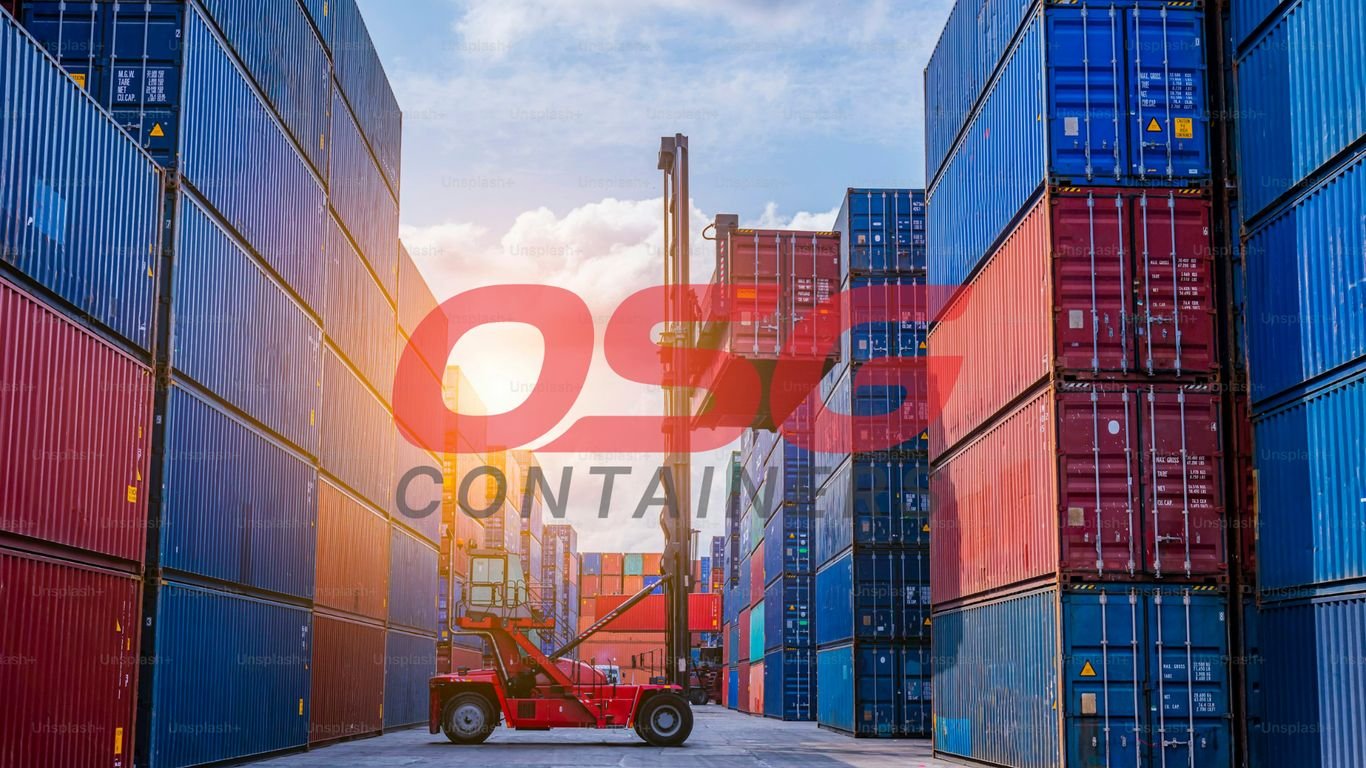
So, you’re thinking about using a shipping container for your next project, huh? They seem like a neat idea, right? Super strong, easy to move, and kind of trendy. But hold on a sec, before you get too excited, there are definitely some things you need to know. It’s not always as simple as just dropping a container down and calling it a day. There are a bunch of potential headaches and limitations that come with these metal boxes. Let’s break down what those might be so you can make a smart decision.
Key Takeaways
- Getting the green light from your local government can be tricky, with zoning rules and permits often causing delays for shipping container projects.
- These steel boxes get really hot and really cold, so you’ll likely need to spend extra on insulation and climate control to make them comfortable.
- Changing a shipping container, like cutting holes for windows or doors, can get expensive and requires special skills to do it right.
- The industrial look of a shipping container might not fit every business’s vibe, and making it look good can add to the overall cost.
- You can’t just put a shipping container anywhere; it needs a solid foundation to stay stable, which adds to the project’s expense.
Navigating Regulatory Hurdles With Shipping Containers
So, you’ve got this cool idea to use a shipping container for your business, maybe a pop-up shop or a small cafe. That sounds pretty neat, right? But before you get too excited and start picturing your awesome new space, there’s a whole bunch of red tape you’ll probably have to deal with. It’s not always as simple as just dropping a container somewhere and opening for business.
Understanding Zoning Restrictions
First off, you need to figure out where you can actually put your container. Cities and towns have rules about what kind of buildings can go where, and these are called zoning laws. Some places are totally fine with container structures, while others might say "nope, not allowed" especially for commercial use. It really depends on the specific area. You might find that a spot perfect for foot traffic is a no-go zone for containers. It’s a good idea to check these rules before you buy anything.
The Permit Acquisition Process
Once you know where you might be able to put it, you’ll likely need permits. This is where things can get a bit slow and, honestly, kind of annoying. You’ll probably have to fill out a stack of paperwork, maybe get architectural plans drawn up (even for a simple container!), and submit them to the local government. They’ll review everything to make sure it meets building codes and safety standards. This process can take weeks, or even months, so you need to factor that into your timeline. It’s not just a quick sign-off.
Compliance With Local Authorities
Beyond just zoning and permits, you’ve got to make sure your container project plays nice with all the local rules. This could include things like:
- Building Codes: Does your modified container meet safety standards for things like fire exits, structural integrity, and accessibility?
- Health Department Regulations: If you’re serving food or drinks, the health department will have specific requirements for sanitation and setup.
- Utility Hookups: Connecting to water, sewer, and electricity often requires inspections and approvals from different city departments.
- Signage Ordinances: Even the signs you put up might need approval.
Dealing with local government can feel like a maze sometimes. It’s always best to talk to the planning or building department early on. They can tell you exactly what you need to do to get approved, saving you a lot of headaches down the road. Don’t assume anything; just ask.
Basically, while containers offer a unique and often cost-effective building solution, you can’t skip the official steps. Ignoring these regulations can lead to fines, having to move your entire setup, or even being shut down. So, do your homework on the local rules first.
Addressing Environmental Control Challenges in Shipping Containers
Shipping containers are tough, no doubt about it. They’re built to handle rough seas and long journeys. But when you want to turn one into a usable space, like an office or a shop, you run into some issues with how they handle the weather. Steel is a fantastic conductor, meaning it’s going to get really hot when it’s sunny and super cold when it’s chilly outside. This can make your space pretty uncomfortable if you don’t plan ahead.
Steel’s Impact on Temperature Regulation
Think about a metal shed on a hot summer day. That’s kind of what a shipping container can feel like inside without any help. The sun beats down, and that steel box just soaks up the heat, radiating it inwards. Come winter, the same thing happens in reverse – the cold seeps in easily. This constant battle with the outside temperature means you’re going to need to put some serious thought into how you manage the climate inside.
The Necessity of Insulation and Ventilation
To make a container livable or workable, you absolutely need to insulate it. This isn’t just about comfort; it’s about making the space functional year-round. Good insulation acts like a barrier, keeping the heat out in the summer and in during the winter. But insulation alone isn’t enough. You also need proper ventilation. This helps to keep the air fresh, prevent moisture buildup (which can lead to mold and rust), and generally make the environment healthier.
Here’s a quick rundown of why these are so important:
- Temperature Stability: Insulation helps maintain a more consistent indoor temperature, reducing the strain on heating and cooling systems.
- Moisture Control: Ventilation removes humid air, preventing condensation that can damage the container and its contents.
- Air Quality: Fresh air circulation is vital for the health and well-being of anyone spending time inside.
- Energy Efficiency: A well-insulated and ventilated space requires less energy to heat or cool, saving you money.
Cost Implications of Climate Control
All this insulation and ventilation doesn’t come for free, unfortunately. You’ll need to budget for materials like spray foam, rigid panels, or fiberglass batts. Then there’s the cost of installing ventilation systems, fans, or even full HVAC units if you need serious climate control. The more extreme your local weather, the more robust your climate control system will need to be, and that naturally adds to the overall project expense. It’s a trade-off: invest more upfront in climate control to save on energy bills and ensure comfort down the line.
Dealing with temperature swings in a shipping container requires a proactive approach. Simply placing a heater or air conditioner inside won’t be very effective or efficient without a well-sealed and insulated shell. You’re essentially building a box within a box to create a comfortable environment.
The Financial Aspects of Modifying Shipping Containers
So, you’re thinking about using a shipping container for your business. That’s cool, right? They look neat and can be cheaper than building from scratch. But, let’s talk about the money side of things, because it’s not always as straightforward as it seems. Modifying these metal boxes can add up, and you need to be ready for that.
Expense of Structural Alterations
Making big changes to a container, like cutting out big holes for windows or doors, isn’t free. These aren’t just simple cuts; they need to be done right to keep the container strong. This often means hiring people with special skills, and that costs more. You might think a container is just a big metal box, but changing its shape can get pricey fast.
Cost of Integrating Utilities
Putting in electricity, plumbing, or even just heating and cooling isn’t like plugging something in. You’ll need to run wires, pipes, and ducts through the container walls and floor. This requires planning and materials, and again, often specialized work. Don’t forget about the foundation, either. While you might be able to get away with a simpler base for temporary on site storage containers, a permanent structure needs a proper foundation, which adds to the overall project cost. When looking at storage container rental rates, remember that these modifications aren’t usually included.
Specialized Labor Requirements
Working with shipping containers isn’t like regular construction. You might need welders, metal fabricators, and electricians who know how to work with these specific structures. Finding these folks can be tough, and their rates reflect their unique skills. It’s not just about the materials; it’s about the people who know how to put it all together safely and correctly.
Here’s a rough idea of what some costs might look like:
| Service | Estimated Cost Range | Notes |
|---|---|---|
| Basic Container Purchase | $2,000 – $5,000 | Depends on size and condition |
| Structural Cuts (Windows) | $500 – $2,000 per | Includes reinforcement |
| Electrical Installation | $1,500 – $5,000 | Depends on complexity |
| Plumbing Installation | $1,000 – $4,000 | Depends on complexity |
| Insulation & Interior Finish | $2,000 – $7,000 | Varies with materials and labor |
| Foundation | $1,000 – $10,000+ | Simple pad to concrete slab |
Remember, these are just estimates. The actual storage container rental cost or purchase price, plus all the modifications, can really add up. It’s always best to get detailed quotes for your specific project.
It’s easy to get excited about the unique look and potential cost savings of a shipping container. However, the reality of modifications, utility hookups, and specialized labor can significantly increase the initial investment. Always budget for these extra expenses to avoid surprises down the line.
Aesthetic Considerations for Shipping Container Projects
Industrial Appearance vs. Business Needs
Shipping containers have a very distinct, industrial look. While this might be perfect for some businesses, like a trendy urban cafe or a pop-up shop, it might not fit the bill for others. Think about a high-end boutique or a professional office space – the raw steel and corrugated walls might not exactly scream ‘sophistication.’ You really need to consider if that raw, utilitarian vibe matches the image you want your business to project. It’s not just about looking cool; it’s about attracting the right customers and clients.
Customization for Visual Appeal
Luckily, you’re not stuck with the standard container look. There are tons of ways to dress them up. You can go for a full exterior cladding – think wood, brick, or modern composite panels. Painting is an obvious choice, and you can get really creative with colors and murals. Adding custom windows and doors can also completely change the feel. It’s all about making it look less like a cargo box and more like a building that belongs.
Aligning Aesthetics With Target Audiences
Who are you trying to reach with your business? If you’re targeting a younger, eco-conscious crowd, the raw container look might actually be a plus. But if you’re aiming for a more traditional or luxury market, you’ll definitely need to invest in making it look more polished. It’s a balancing act between the container’s inherent character and the expectations of your customers.
Here’s a quick look at some common aesthetic upgrades:
| Upgrade Type | Potential Cost Range (USD) | Notes |
|---|---|---|
| Exterior Paint | $500 – $3,000+ | Basic vs. custom murals |
| Cladding (Wood/Metal) | $3,000 – $15,000+ | Depends on material and coverage |
| Custom Windows/Doors | $1,000 – $5,000+ each | Size, material, and complexity matter |
| Roofing Additions | $2,000 – $10,000+ | Flat, pitched, green roof options |
Making a shipping container look like a ‘real’ building often involves covering up its original form. This means adding layers, materials, and design elements that can significantly increase the project’s budget and complexity. It’s a trade-off between the container’s affordability and the desired final appearance.
Foundation Requirements for Shipping Container Structures
Even though shipping containers are tough and built to be moved, they still need a solid base to sit on. You can’t just plop one down anywhere, especially if you plan to use it for more than just a temporary spot, like for construction site storage container needs. Without the right foundation, things can go wrong over time.
Ensuring Long-Term Stability
A proper foundation is key to keeping your container level and secure. Think of it like building a house; you wouldn’t skip the foundation, right? For containers, this means preparing the ground and putting in something stable. This could be:
- Concrete slab: A poured concrete base offers the most stable and permanent solution.
- Concrete piers or footings: These are individual concrete supports placed at key points, often used when a full slab isn’t needed or practical.
- Gravel pad: A compacted layer of gravel can work for lighter loads or temporary setups, but it needs to be well-drained and level.
Ignoring this step can lead to the container settling unevenly, which can cause doors to stick, internal structures to warp, and even compromise the container’s overall strength.
Preventing Structural Issues
Water is the enemy of metal, and a container sitting directly on the ground is a prime target for moisture. A good foundation elevates the container, allowing air to circulate underneath and water to drain away. This helps prevent rust and corrosion, which can weaken the steel over time. It also stops pests from easily getting underneath and nesting.
Impact on Overall Project Costs
While adding a foundation might seem like an extra expense, it’s really an investment in the longevity and safety of your container structure. The cost can vary a lot depending on the type of foundation you choose and the site conditions. A simple gravel pad will be cheaper than a full concrete slab. It’s important to factor this into your budget early on, as it’s a necessary part of the process for most uses.
Building a solid base prevents future headaches and costly repairs. It’s better to spend a bit more upfront than to deal with problems down the line.
Space Constraints of Shipping Container Designs
When you’re thinking about using shipping containers for a project, whether it’s a home, an office, or even onsite storage containers, you’ve got to get real about the space. These things are built to move goods, not to be spacious living or working areas right out of the box. They come in pretty standard sizes, and that’s a big part of what you’re working with.
Understanding Usable Square Footage
So, a standard 20-foot container gives you about 160 square feet of floor space. Think of that like a decent-sized bedroom or a small studio apartment. The 40-foot ones are double that, around 320 square feet. That sounds like a lot, but remember, you’ve got walls, doors, and any built-in features taking up room. You’re not getting the full advertised square footage as usable space. It’s more like a puzzle to fit everything you need into a long, narrow box.
Challenges for Businesses Requiring Ample Room
If your business needs a lot of room – maybe you’re running a retail shop with tons of inventory, or you need a big workshop – a single container just won’t cut it. You’ll be constantly bumping into things or feeling cramped. Even with multiple containers joined together, you end up with a layout that’s more like a series of connected rooms rather than one big open area, which might not work for every business model. It can make customer flow tricky or limit how you display products.
Expansion Strategies and Their Costs
Okay, so you need more space. The obvious answer is to add more containers. This is where things can get complicated and expensive. You’re not just buying another container; you’re looking at:
- Structural modifications: Cutting openings between containers, reinforcing walls.
- Roofing and sealing: Making sure the new joins are watertight and look decent.
- Foundation adjustments: Your original foundation might not support the added weight or footprint.
- Permits and inspections: Adding more structures often means going through the approval process again.
It’s definitely doable, but it’s not as simple as just parking another box next to the first one. You’ve got to plan it out carefully to avoid ending up with a Frankenstein structure that’s costly to build and maintain.
The fixed dimensions mean you have to be really smart about how you use every inch. Think multi-functional furniture, clever storage solutions, and layouts that keep pathways clear. It forces a minimalist approach, which can be a good thing, but it’s not for everyone.
Potential Health and Safety Concerns With Shipping Containers
Addressing Previous Cargo Contents
So, you’ve got this shipping container, right? It looks tough and ready for anything. But here’s the thing: before it got to you, it probably hauled all sorts of stuff. We’re talking anything from raw materials to finished goods, and sometimes, that means residues are left behind. Think about it – what if it carried chemicals, or even food products that could leave behind microscopic traces? It’s super important to know what was in there before you start planning your new space.
Chemical Treatments and Contamination Risks
These containers are built to survive rough seas and long journeys. To keep rust and pests away, they often get treated with chemicals. Some of these treatments, like those involving pesticides or sealants, can be pretty nasty. If not handled or cleaned properly, these chemicals could stick around. This is a big deal if you’re planning to use the container for something where people will be spending a lot of time, like an office, a shop, or even a home. You don’t want lingering fumes or residues causing problems down the line.
Safe Modification Practices
Modifying a shipping container isn’t like putting up drywall. You’re cutting into steel, which can create sharp edges and metal dust. Plus, you’ve got to be careful not to mess up the container’s original strength. If you cut too much or weld things incorrectly, the whole structure could be weaker than you think. It’s best to have people who know what they’re doing handle these big changes. Safety gear is a must, too – think gloves, eye protection, and masks, especially when cutting or grinding metal.
Here’s a quick rundown of what to look out for:
- Previous Contents: Always try to get a history of what the container transported.
- Chemical Residues: Be aware of potential treatments like pesticides or anti-corrosion coatings.
- Structural Integrity: Major cuts or alterations need professional attention.
- Ventilation: Good airflow is key, especially after cleaning and during modifications.
When you’re looking at used shipping containers, it’s easy to get caught up in the cool factor and the potential savings. But taking a moment to think about what might be lurking inside or how it was treated is a really smart move. It’s about making sure your project is not just unique, but also safe and healthy for everyone involved.
So, Are Shipping Containers the Answer?
Look, shipping containers are pretty neat for certain projects. They can be cheaper and faster to get going than building from scratch, and hey, it’s good for the planet too. But, it’s not all smooth sailing. You’ve got to deal with permits, figure out how to keep them from becoming ovens in the summer or freezers in the winter, and sometimes cutting into them to make them livable or usable costs a pretty penny. Plus, not everyone loves the look. So, before you jump in, really think about what you need, where you’re putting it, and if you’re ready for the extra work. It can work out great, but you gotta go in with your eyes open.
Frequently Asked Questions
What kind of legal rules do I need to follow when using shipping containers?
You’ll need to check local rules about where you can put and use shipping containers, as some places have specific laws. Getting permits can also take time, so it’s smart to talk to local officials early on to make sure your project is allowed and follows all the rules.
Why is temperature control a problem with shipping containers?
Shipping containers are made of metal, which gets very hot in the sun and very cold when it’s chilly. To make them comfortable inside, you’ll need to add insulation and make sure there’s good airflow, which can add to the cost and effort.
Is it expensive to change a shipping container?
Making big changes, like cutting out spaces for windows or doors, can cost a good amount of money. You might also need special workers for these jobs. Adding things like electricity, water pipes, and heating or cooling systems will also increase the price.
Can shipping containers look nice for a business?
Shipping containers have a very industrial look. While some businesses can pull this off, others might need to spend extra money to make them look more appealing with paint, siding, or other decorations to match their brand and attract customers.
Do shipping containers need a special base to sit on?
Yes, even though they are strong, shipping containers need a solid foundation, especially if they will be used for a long time. A good base prevents problems like sinking or damage over time and is an important part of the total cost.
Are shipping containers too small for some businesses?
Standard shipping containers offer a limited amount of space. For businesses that need a lot of room for products, equipment, or staff, a single container might not be enough. You can add more containers to make it bigger, but this adds complexity and cost.