Singapore
 Australia
 Indonesia
 Japan
Japan Malaysia
 New Zealand
 Philippines
 South Korea
 Taiwan
 Thailand
 VIETNAM
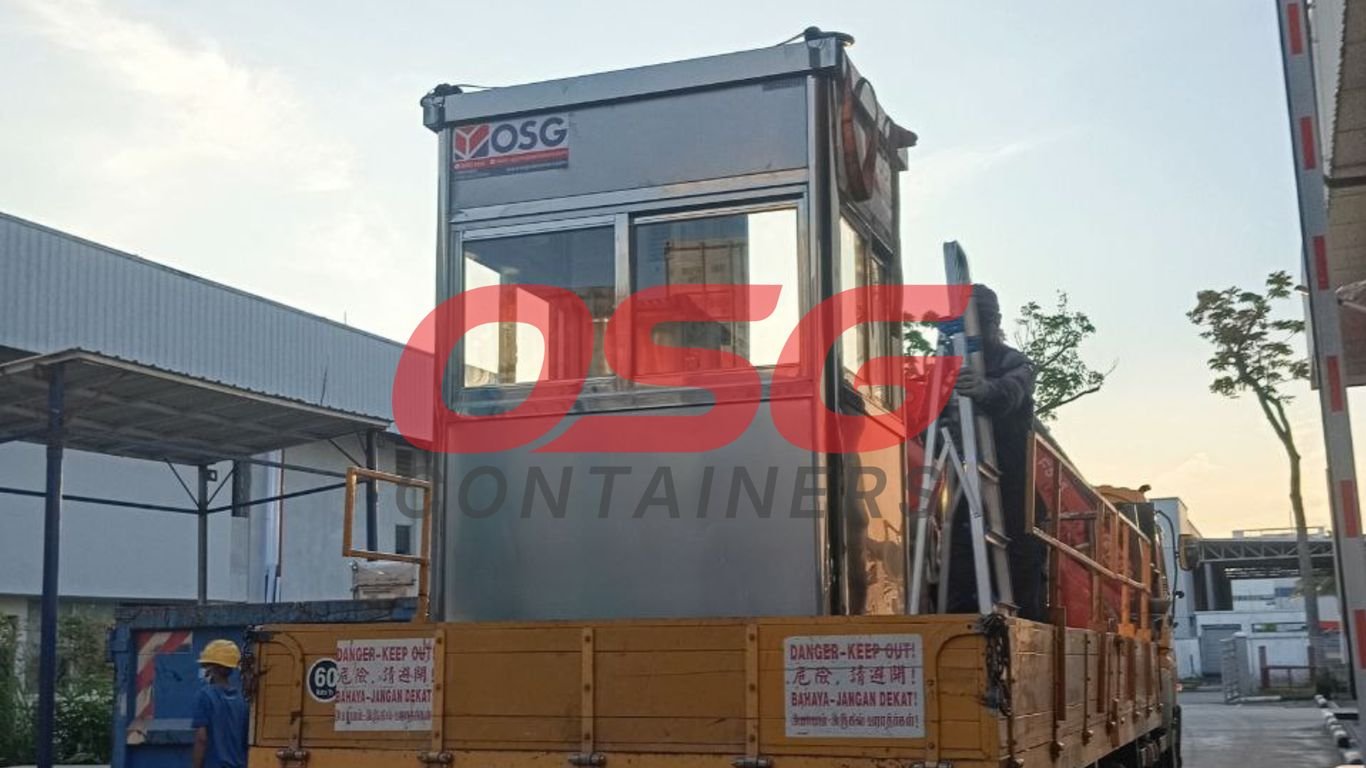
Thinking about getting a security guardhouse? It seems pretty straightforward, but there’s actually a lot more to it than just picking out a structure. You want to make sure it actually helps your security team and doesn’t become a headache. This article is going to walk you through the main things people often forget when planning for a security guardhouse, from where you put it to what it’s made of. Getting these details right from the start saves a lot of trouble later on.
Key Takeaways
- Figure out exactly what your security guardhouse needs to do. This will help you decide on its size, where it should go, and what features are important.
- Location is critical. Pick a spot that gives guards a good view of who’s coming and going, and make sure the security guardhouse is big enough for the people and equipment.
- Think about what the guardhouse will be made of. It needs to last a long time and handle the weather, so choose materials that are tough and don’t need constant fixing.
- Don’t forget the practical stuff like heating, cooling, lights, and ways for guards to talk to others. These make the security guardhouse actually useful.
- When picking a company to build your security guardhouse, check if they do good work, offer a decent warranty, and are easy to deal with.
Strategic Guardhouse Placement And Sizing
When you’re planning a security guardhouse, where you put it and how big it needs to be are super important. It’s not just about picking a spot that looks good or fits the budget; it’s about making sure your security team can actually do their job well and that the structure works with your site, not against it.
Optimizing Visibility and Access Control
Think about the main ways people and vehicles get onto your property. You want the guardhouse to have a clear view of these entry points. This helps guards see potential problems before they get too close and makes it easier to manage who is coming and going. A guardhouse tucked away behind a building or a cluster of trees won’t be much help. It needs to be visible enough to act as a deterrent and allow guards to spot approaching individuals or vehicles from a distance. Also, consider how traffic flows. You don’t want the guardhouse to create a traffic jam or be in a spot that’s hard to reach.
- Ensure a direct line of sight to all primary entry and exit points.
- Position the guardhouse to avoid blind spots created by landscaping or structures.
- Consider traffic patterns to prevent bottlenecks and ensure easy access for authorized personnel and vehicles.
Accommodating Personnel and Equipment Needs
How many people will be working in the guardhouse at any one time? Will they need space for desks, computers, radios, or other gear? You don’t want your guards crammed into a tiny space where they can’t move or work comfortably. This can lead to fatigue and mistakes. It’s also about having the right tools readily available.
| Guardhouse Size | Typical Occupancy | Primary Use Cases |
|---|---|---|
| Small | 1 Guard | Basic entry monitoring, limited equipment |
| Medium | 1-2 Guards | Moderate equipment, central point for a small team |
| Large | 2+ Guards | Multiple personnel, extensive equipment, command center |
Considering Physical Land Space Availability
This one’s pretty straightforward. How much room do you actually have to work with on your property? You might have a grand idea for a large, multi-person guardhouse, but if you only have a small patch of land available, it’s just not going to happen. Measure the area carefully and consider not just the footprint of the guardhouse itself, but also any surrounding space needed for access, parking (if applicable), or future expansion. Sometimes, a smaller, well-designed unit is a better fit than trying to force a large one into a tight spot.
The physical footprint of the guardhouse, along with necessary buffer zones for access and visibility, must be carefully mapped against available land. Overlooking this can lead to costly site modifications or a compromised security setup.
Defining The Core Functions Of Your Security Guardhouse
When you’re planning out a security guardhouse, it’s easy to get caught up in the physical structure – the walls, the windows, the doors. But before you even think about materials or climate control, you really need to nail down what this thing is actually for. What jobs will the people inside be doing? What problems are you trying to solve with this structure? Getting this part right is pretty important, because it shapes everything else, from how big it needs to be to what kind of tech it should have.
Evaluating Current and Future Threat Levels
First off, take a good look at what’s going on around your property right now. Are there a lot of break-ins in the neighborhood? Have you noticed any specific weak spots on your own grounds? It’s not just about today, though. Think about where your business or organization is headed. Will you be expanding? Bringing in new types of equipment or materials? These changes can create new security headaches. A guardhouse that feels like overkill today might be barely adequate in a few years if things change. You want something that can handle what’s happening now and also adapt as your needs evolve.
- Assess local crime statistics.
- Identify vulnerabilities on your property.
- Project future operational changes.
The physical presence of a guard house acts as a constant reminder that the property is monitored, significantly reducing the likelihood of unauthorized entry attempts. It’s a visual deterrent that can make a big difference before any actual incident even occurs.
Determining Primary Guardhouse Duties
So, what exactly will the guard be doing from this spot? It’s usually more than just sitting and watching. They might be the gatekeepers, controlling who comes and goes. This could involve checking IDs, managing vehicle entry, or even operating gates and barriers. They could also be the eyes and ears, monitoring security cameras and logging activity. And let’s not forget communication – they’ll likely be the point person for radios, phones, or intercoms, coordinating with other staff or emergency services. Sometimes, they might even need a secure spot to hold packages or equipment temporarily.
| Duty Type | Specific Tasks |
|---|---|
| Access Control | Vehicle/pedestrian screening, gate operation |
| Surveillance | CCTV monitoring, activity logging |
| Communication Hub | Radio, phone, intercom coordination |
| Logistical Support | Package handling, visitor pass issuance |
Coordinating Security Responses and Incident Management
When something unexpected happens – an alarm goes off, a suspicious vehicle is spotted – the guardhouse often becomes the command center. It’s where the first alerts come in, and where security personnel can quickly gather to figure out what’s going on. Guards can use the tools inside, like cameras and communication systems, to direct the response and keep tabs on the situation. This is also typically where incident reports get filed, which helps with follow-up later. The guardhouse acts as the central point for managing incidents and ensuring a swift, coordinated reaction. It helps streamline everything from initial detection to final reporting, making the whole security operation much more effective when it counts.
Essential Features For An Effective Security Guardhouse
Integrating Climate Control Systems
Let’s face it, security guards often work long shifts, and being stuck in a freezing booth or a sweltering box isn’t exactly conducive to staying alert. A guardhouse isn’t just a simple shelter; it needs to be a functional workspace. This means climate control is a big deal. We’re talking about proper insulation, heating, and air conditioning. Without it, guards can become uncomfortable, which can lead to fatigue and reduced effectiveness. Think about the weather in your area – if it gets extreme, you absolutely need a system that can handle it. It’s not about luxury; it’s about maintaining a level of comfort that allows your personnel to focus on their job.
Incorporating Lighting and Power Solutions
Good lighting is key, both inside and out. You need enough light for guards to see clearly, read documents, and operate equipment without straining their eyes. Outside, adequate lighting around the guardhouse can deter potential intruders and improve visibility for surveillance cameras. Power is the backbone of all this. You’ll need reliable electrical service to run lights, HVAC systems, communication devices, and any other equipment. Consider backup power options, like generators, especially if power outages are common in your region. This ensures your security operations don’t stop when the lights go out.
Selecting Appropriate Communication Systems
Communication is where a guardhouse really earns its keep. Guards need to be able to talk to people on-site, other security personnel, and potentially emergency services. This means having reliable communication tools. Think about:
- Radios: For direct, on-the-ground communication with mobile teams.
- Intercoms: For clear communication with visitors or drivers at entry points.
- Telephones/VoIP: For direct lines to management or external services.
- Network Connectivity: To access security software, cameras, or databases.
The right communication setup turns your guardhouse into a central command point, not just a waiting room. It’s also worth thinking about how these systems integrate with your broader security network. Some advanced security containers might even have built-in systems for managing access logs and visitor information electronically.
The physical structure of the guardhouse is important, but its true value comes from the technology and systems it houses. Without proper climate control, lighting, power, and communication, even the most robust security container can become a liability rather than an asset. Planning for these features upfront saves headaches and ensures your security personnel can perform their duties effectively, regardless of the conditions.
Budgeting For Your Security Guardhouse Investment
So, you’re ready to get a guardhouse. That’s great! But before you get too excited about the shiny new structure, let’s talk about the money side of things. It’s super easy to get caught up in all the cool features, but you really need to have a solid handle on your budget. Think of it like planning a big party – you need to know how much you can spend before you start ordering the fancy decorations.
Calculating Initial Purchase and Installation Costs
The price tag on the guardhouse itself is just the starting point. You’ll want to get a few quotes from different suppliers to see what’s out there. Remember, the cheapest option isn’t always the best deal in the long run if it means you’re getting lower quality materials or fewer of the features you actually need. Then there’s the installation. Some companies include this in their price, while others charge extra. Make sure you know exactly what’s covered. This often involves getting the site ready, like making sure the ground is level or putting down a small concrete pad, and that can add up pretty quickly.
Factoring in Transportation and Permit Expenses
Don’t forget about the cost of actually getting the guardhouse to your location. If it’s a pre-built unit, shipping fees can be surprisingly high, especially if it’s a long distance or a really big structure. You’ll also need to check if you need any local permits to put the guardhouse on your property. These can change a lot depending on the town or city, and if you skip this step, you could end up with fines or even have to move the whole thing later. It’s always better to ask first.
Allocating Funds for Ongoing Maintenance and Lifespan
This is a big one that people often forget about. A guardhouse isn’t something you just put in place and then never think about again. You’ll need to set aside money for regular upkeep. Think about:
- Keeping the windows and interior clean.
- Checking and maintaining any heating or cooling systems so your guards are comfortable.
- Inspecting electrical parts, lights, and any security equipment.
- Fixing small issues before they turn into bigger, more expensive problems.
Here’s a rough idea of what some of these costs might look like:
| Cost Category | Estimated Range (Example) |
|---|---|
| Guardhouse Unit Price | $5,000 – $50,000+ |
| Site Preparation (Concrete) | $500 – $3,000 |
| Delivery/Transportation | $500 – $5,000+ |
| Installation Labor | $500 – $2,500 |
| Permits and Fees | $100 – $1,000 |
| Annual Maintenance (Estimate) | $200 – $1,000+ |
The total cost of owning your guardhouse goes way beyond just the initial purchase price. Planning for these recurring expenses will help you avoid unexpected bills down the road and keep your guardhouse working well for years to come. It’s about making sure your investment continues to do its job effectively.
Material Selection And Durability For Guardhouses
When you’re planning a security guardhouse, picking the right materials is a big deal. It’s not just about how it looks; it’s about making sure it can handle the weather and last a long time. You don’t want your guardhouse falling apart after a few years, right? Think about it like building a house – you need strong foundations and materials that can stand up to the elements.
Choosing Materials That Withstand Environmental Factors
Your guardhouse will be out there in the sun, rain, wind, and maybe even snow. So, you need stuff that won’t rust, warp, or break down easily. Steel is common, but make sure it’s treated, like galvanized steel, to fight off rust. Aluminum is a good option because it doesn’t rust at all. Some people even use composite panels, which are tough and don’t corrode. Even if you’re thinking about something like a repurposed shipping container, you’ll need to make sure it’s properly prepped and treated to handle outdoor conditions long-term.
Assessing Long-Term Durability and Maintenance Requirements
How long do you expect this thing to last, and what kind of work will it need? Some guardhouses are built to last 15 to 25 years, or even longer, with the right care. Others might need more attention. You should ask about the expected lifespan and what kind of regular upkeep is needed. Is it just a quick wipe-down, or will you need to do more involved checks on things like seals or coatings? Sometimes, a slightly more expensive option upfront can save you a lot of hassle and money down the road because it requires less maintenance.
- Standard Lifespan: Typically 15-25 years with proper care.
- Maintenance: Regular checks on seals, paint, and structural integrity.
- Upfront Cost vs. Long-Term Savings: Higher quality materials may cost more initially but reduce maintenance expenses.
A well-built guardhouse isn’t just a box; it’s an investment in security and operational continuity. Choosing materials that resist the elements and require minimal upkeep means your security team stays protected and comfortable without constant repair worries. It’s about getting a reliable structure that does its job day in and day out.
Understanding Ballistic Protection Options
This is where you figure out how tough your guardhouse needs to be. Are you worried about someone just trying to sneak in, or are you dealing with more serious threats? The level of protection needed directly impacts the materials and construction.
- Standard Protection: Good for deterring casual trespassers and providing basic shelter.
- Enhanced Protection: Offers resistance against low-level projectiles, suitable for many commercial sites.
- High-Level Ballistic Protection: Designed to stop bullets and even resist forced entry, often required for government facilities or high-value targets.
Vendor Selection And Warranty Considerations
Evaluating Vendor Reputation and Quality Standards
When you’re looking to buy a guardhouse, picking the right company to build it is a pretty big deal. It’s not just about getting a structure; it’s about partnering with folks who know what they’re doing. You want a vendor with a good history, someone who has put together these kinds of buildings before. Ask them about their past work, especially if they’ve done projects similar to yours. A company that’s been around for a while usually has a better idea of what can go wrong and how to fix it before it becomes a problem. They’ll also likely be up-to-date on the best materials and building methods.
Understanding Warranty Coverage and Support
Even the best-made guardhouse can have an issue down the line. That’s why a solid warranty is really important. Think of it like an insurance policy for your purchase. You need to find out exactly what the warranty covers, how long it lasts, and what you have to do if you need to make a claim. Beyond the warranty itself, consider the vendor’s customer service. Are they easy to get in touch with? Do they seem like they’ll be there to help if you have questions or need repairs after you buy it? A company that stands behind its products and offers good support makes a big difference over time. It gives you peace of mind knowing you’re not alone if something comes up.
Partnering for Long-Term Security Solutions
Choosing a vendor isn’t just about the initial purchase; it’s about building a relationship for the future. You want a partner who understands your security needs and can provide a reliable, long-lasting solution. Don’t rush the process. Do your homework, ask lots of questions, and take your time. It’s worth the effort to get it right from the start.
Here’s a quick checklist to help you evaluate potential vendors:
- Track Record: How long have they been in business? Can they show you examples of similar projects?
- Material Quality: What materials do they use? Are they built to last in your climate?
- Customization Options: Can they adapt the design to your specific needs?
- Customer Reviews: What do other clients say about their experience?
- After-Sales Support: What kind of warranty do they offer? How responsive is their service team?
A guardhouse is more than just a small building; it’s a critical part of your site’s security infrastructure. Selecting the right vendor means investing in a structure that will perform reliably for years to come, providing safety and security for your personnel and assets.
Navigating Regulatory Compliance For Guardhouses
So, you’re getting a guard booth, which is a smart move for site security. But before you get too far into picking out the perfect model, you’ve got to think about the rules and regulations. It’s not just about buying a box and sticking it somewhere; there are local laws and building codes that apply to these structures, just like any other building on your property. Ignoring these can lead to headaches, fines, or even having to move your brand-new guard house. Making sure your guard house meets all the necessary legal requirements from the start saves a lot of trouble down the road.
Adhering to Local Zoning Regulations
Every town or city has its own set of rules about what you can build and where. This is called zoning. Your guard house needs to fit into the zoning plan for the area where you want to put it. Some zones might have rules about the size of accessory buildings, how close they can be to property lines, or even what they can be used for. It’s a good idea to check with your local planning or zoning department early on. They can tell you what’s allowed and what’s not, saving you from potential problems later.
Understanding Building Codes and Permit Requirements
Beyond zoning, there are building codes. These are basically safety standards that all structures must meet. Think about things like electrical wiring, plumbing (if your guard booth has a restroom), and structural integrity. Your guard booth, even if it’s a pre-fab unit, might need a building permit. This usually involves submitting plans and having an inspector check the work. Failure to get the right permits can result in fines and orders to stop work or even remove the structure.
Here’s a quick look at what might be involved:
- Permit Application: Filling out the necessary forms with your local building department.
- Plan Submission: Providing drawings or specifications for the guard booth.
- Inspections: Having officials check the installation at various stages.
- Certificate of Occupancy: Final approval that the structure meets all codes.
Ensuring Compliance with Safety Standards
Safety isn’t just about building codes; it’s also about how the guard booth will be used. This includes things like:
- Fire Safety: Making sure any electrical components are safe and that there are no fire hazards.
- Accessibility: Depending on the location and use, there might be requirements for accessibility, though this is less common for basic guard booths.
- Occupational Safety: The structure should provide a safe working environment for the guards inside, free from hazards.
Thinking about these regulations upfront is key. It prevents costly mistakes and ensures your guard booth is a compliant and safe addition to your property.
Wrapping It Up
So, putting up a guardhouse isn’t just about sticking up a little building. It’s a pretty big decision that needs some real thought. You’ve got to figure out what you actually need it for, where it’s going to go, and what kind of features will make it work best for your situation. Thinking through all these points beforehand means you’ll end up with a guardhouse that actually helps keep things safe and runs smoothly, instead of just being another thing to deal with. It’s an investment, sure, but getting it right means a more secure and professional setup for the long haul.
Frequently Asked Questions
Why are guardhouses so important for a site?
Guardhouses act like a first line of defense for your property. They help keep unauthorized people out, reduce theft, and make sure only approved visitors enter. Plus, they give your security guards a safe and comfortable place to do their job effectively.
What are the most important things to consider when choosing a guardhouse?
You need to think about how much protection you need – like if it needs to stop bullets. Also, where you put it is key so guards can see everything. Make sure it’s big enough for the guards and their gear, and pick materials that will last a long time in your weather.
Can guardhouses be moved if needed?
Yes, many guardhouses are built so they can be moved. Some have special openings for forklifts, and others are put on trailer-like bases. This is really handy if you think you might need to change its location later on.
How long do guardhouses typically last?
If you buy a good quality guardhouse and take good care of it, it can last for many years, often 15 to 25 years or even longer. Simple things like keeping it clean and checking the lights and locks regularly help it last.
Do I need permits for a guardhouse?
You might! Many places treat guardhouses like any other building and require permits and inspections. It’s best to check with your local town or city officials early in the planning process to know exactly what you need.
What features make a guardhouse more effective?
Good features include heating and air conditioning to keep guards comfortable, good lighting inside and out, enough power outlets for equipment, and reliable communication systems like phones or radios. Large, clear windows are also a must for good visibility.