Singapore
 Australia
 Indonesia
 Japan
Japan Malaysia
 New Zealand
 Philippines
 South Korea
 Taiwan
 Thailand
 VIETNAM
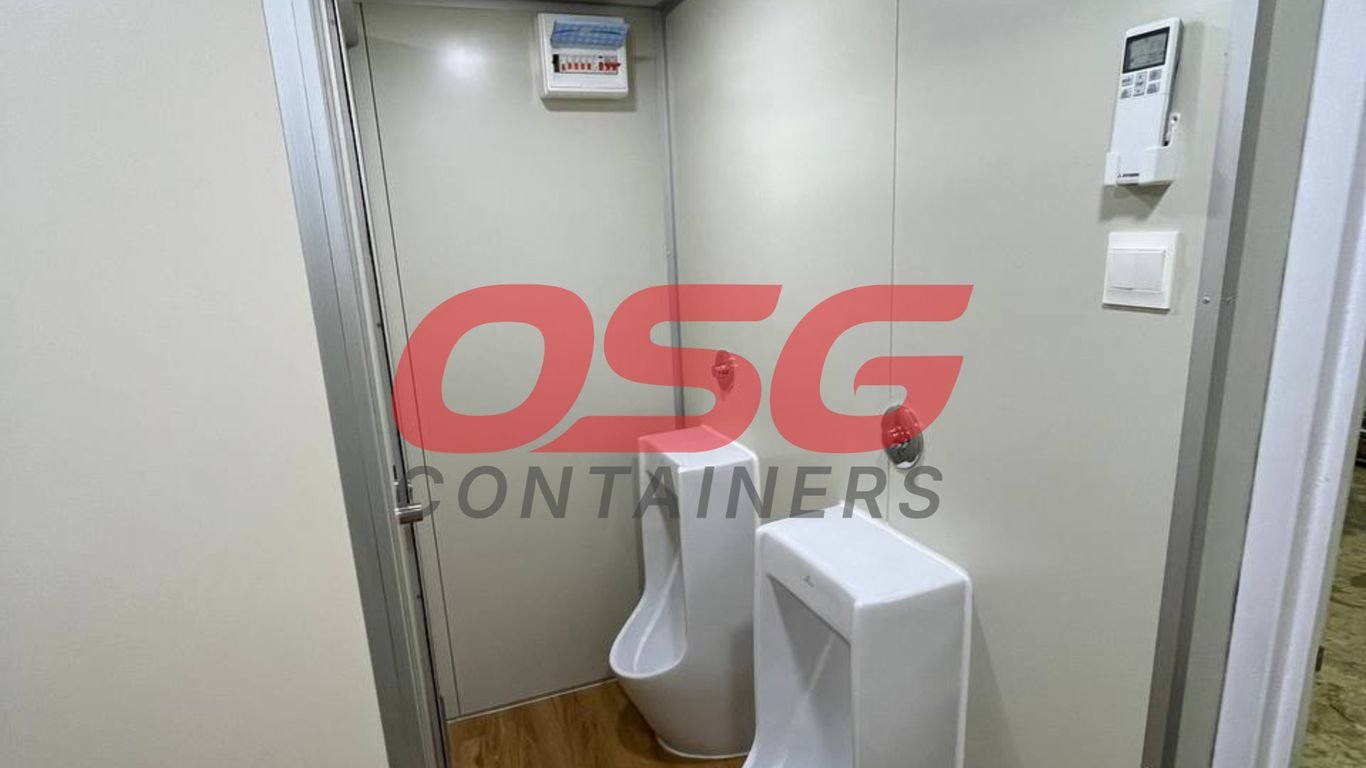
Planning an event means thinking about a lot of details, and sometimes the basic stuff gets overlooked. When it comes to renting portable toilets, it’s more than just ordering a few units. Organisers often miss key points that can really affect how smoothly things run and how happy your guests are. Let’s talk about what most people forget when they need to sort out a portable toilet rent.
Key Takeaways
- Think about different types of portable toilets, from basic units to fancy ones with sinks and lights, and don’t forget about accessibility for everyone.
- Put your portable toilets in places that are easy for people to find and get to, especially for those using wheelchairs.
- Regular cleaning and maintenance are super important to keep things hygienic and pleasant for your guests.
- Figure out your budget carefully, watch out for extra fees, and see if there are ways to make money from your portable toilet rent.
- Make sure the portable toilets arrive on time, understand your rental contract, and have a backup plan for any unexpected issues.
Understanding Your Portable Toilet Rent Options
When you’re planning an event, the last thing you want is for guests to be uncomfortable or for things to get messy. That’s where picking the right portable toilets comes in. It’s not just about having a toilet, but having the right toilet for your specific needs. Think of it like choosing the right tool for a job – you wouldn’t use a hammer to screw in a bolt, right? The same applies here.
Assessing Different Unit Types
There’s a whole range of portable toilets out there, and they aren’t all the same. The most basic ones, often called standard or porta-potties, are pretty straightforward. They’ve got a door, a toilet bowl, and usually a small tank underneath. These are great for large crowds where budget is a big concern, like at a music festival or a busy construction site. They’re built tough to handle a lot of use and different weather conditions. However, they don’t offer much in terms of comfort.
- Standard Units: Simple, durable, and cost-effective. Best for high-traffic, budget-conscious events.
- Flushing Units: These offer a more comfortable experience, mimicking a traditional toilet with a foot-pump or hand-pump flush and a larger holding tank. They’re a step up in terms of user experience.
- Units with Sinks: Some portable toilets come with a built-in sink for handwashing. This is a big plus for hygiene, especially if you can’t easily provide separate handwashing stations.
Considering Deluxe and VIP Amenities
If your event is a bit more upscale – maybe a wedding, a corporate event, or a private party – you’ll want to look beyond the basic. Deluxe and VIP units are designed to make guests feel more at home. These often include features you’d expect in a regular bathroom:
- Flushing Toilets: Yes, actual flushing! This makes a huge difference in smell and overall cleanliness.
- Running Water Sinks: For proper handwashing.
- Mirrors and Lighting: Small touches that make a big difference.
- Better Ventilation: Helps keep the air fresh.
- More Space: You won’t feel quite so cramped.
These units can really change the perception of your event. They show you’ve thought about guest comfort, which is always a good look.
Exploring ADA-Compliant Solutions
This is a big one that a lot of people forget. You absolutely need to consider guests with disabilities. ADA-compliant units, also known as accessible units, are a must. They’re designed with extra space, wider doors, and grab bars to make them usable for people in wheelchairs or those with mobility issues.
- Wider Doors: Allows easy entry and exit for wheelchairs.
- Support Bars: Strategically placed for stability.
- Spacious Interiors: Plenty of room to maneuver.
Making sure everyone can comfortably access facilities is not just good practice, it’s often a legal requirement. Don’t assume standard units will cut it; always ask about and book ADA-compliant options if needed. It’s about inclusivity and respecting all your guests’ needs.
Strategic Placement and Accessibility for Guests
Okay, so you’ve got your portable toilets ordered, but where do you put them? This is where a lot of organizers trip up. It’s not just about dumping them in a corner; it’s about making them easy for people to find and use, no matter who they are.
Ensuring Easy Access Across The Venue
Think about the flow of your event. Where are people going to be congregating? You want toilets nearby, but not so close that they’re in the middle of a main walkway or right next to the food trucks. Nobody wants to eat their burger with a side of porta-potty smell. Try to place them in clusters near high-traffic zones like stages or bars, but with a little buffer. A good rule of thumb is to keep them within a five-minute walk from most areas. Also, consider the wind direction – nobody likes a direct hit of unpleasantness.
- Map out high-traffic areas: Stages, food courts, bars, and entrances/exits are key spots.
- Create buffer zones: Keep toilets a short distance from dining areas and main thoroughfares.
- Use clear signage: Make sure people can easily find the facilities, especially at night.
Placing toilets thoughtfully shows you’ve considered your guests’ comfort from the moment they arrive until they leave. It’s a small detail that makes a big impression.
Prioritizing Wheelchair Accessibility
This is a big one, and frankly, often overlooked. You absolutely need units that are accessible for people using wheelchairs or other mobility aids. This means not just having the right kind of unit, but also making sure the path to it is clear and level. Rough terrain or steps are a no-go.
- Allocate a percentage: Aim for at least 5-10% of your total units to be ADA-compliant.
- Ensure clear paths: No stairs, curbs, or excessive slopes leading to these units.
- Consider ramps: If there’s a slight elevation, a sturdy ramp is a must.
Incorporating Stability Features
Even for units that aren’t specifically for wheelchair users, stability is important. Think about people with strollers, elderly guests, or just anyone who might need a little extra support. Features like handrails inside the units and non-slip flooring can make a huge difference. It’s about making sure everyone feels safe and secure when using the facilities. You don’t want anyone taking a tumble, especially after a few hours at your event.
Hygiene And Maintenance During Your Event
Nobody likes a dirty restroom, and for an event, it can really sour the mood for everyone. Keeping portable toilets clean and stocked isn’t just about appearances; it’s a big part of making sure your guests have a good time and feel cared for. It’s easy to overlook this, especially when you’re juggling a million other things, but a little attention here goes a long way.
The Importance Of Regular Servicing
Think of servicing as the lifeblood of your portable toilet setup. Without it, things go downhill fast. For a single-day event, you might get away with one mid-event pump-out, especially if you know there’s a big rush expected. But for anything longer, daily servicing is pretty much non-negotiable. Most companies will schedule this for late night or early morning when fewer people are around, but if your event is packed, you might need an extra check-in during the day. It’s about preventing overflow and keeping things from getting unpleasant.
Features That Enhance Cleanliness
Beyond just pumping out the waste, there are other things that help keep the units feeling fresh. Having enough toilet paper is a big one – people use more than you’d think, and running out is a common complaint. Also, make sure there are sanitary bins with lids in each unit for personal items, and that these get emptied regularly. Some units come with built-in deodorizers or better ventilation, which can make a noticeable difference. Even simple things like having hooks for bags or ensuring doors latch properly contribute to a tidier space.
Waste Management Systems
This ties into servicing, but it’s worth thinking about the whole picture. How often will the tanks be emptied? What’s the plan if they fill up faster than expected? Some events even have a dedicated crew whose job is just to monitor the toilets, restock supplies, and do quick clean-ups. Transparency can also help; posting a cleaning log where people can see when the units were last serviced can build trust. It shows you’re actively managing the situation, not just hoping for the best.
A clean portable toilet isn’t an accident; it’s the result of a plan. This means scheduling regular maintenance, keeping supplies stocked, and having a system for dealing with waste. It’s a detail that attendees notice, and it directly impacts their overall experience at your event. Don’t let this essential service fall by the wayside.
Here’s a quick look at what to consider for servicing:
- Frequency: How often will units need pumping and cleaning? (Daily for multi-day events is standard).
- Supplies: Are toilet paper, soap, and hand sanitizer consistently restocked?
- Waste Disposal: Are sanitary bins provided and emptied regularly?
- Staffing: Is there a dedicated person or team responsible for monitoring and upkeep?
Budgeting For Your Portable Toilet Rent
When you’re planning an event, figuring out the costs can feel like a puzzle. Portable toilet rental is one piece of that puzzle, and it’s easy to get it wrong if you’re not careful. It’s not just about the sticker price; there are other things to think about to keep your budget on track. Understanding these costs upfront saves a lot of headaches later.
Cost-Effective Solutions For Events
Portable toilets are generally a budget-friendly option, especially when you compare them to building temporary facilities. The key is to get the right number of units for your guest count and the event’s length. Most rental companies offer different tiers of service, from basic units to more upscale mobile restrooms. For a standard event, a good number of basic units might be all you need. If you’re in Singapore, looking for "portable toilet rental Singapore" or "mobile toilet Singapore" will show you a range of options. Companies often have packages that can make things more affordable, especially for longer rentals.
Avoiding Hidden Expenses
Watch out for extra fees that aren’t always obvious. Delivery and pickup charges can add up, especially if your venue is hard to reach. Some companies charge extra for cleaning services beyond the standard pickup, or for things like hand sanitizer dispensers. Always ask for a full breakdown of costs before you sign anything. It’s also smart to ask about what happens if you need extra units during the event – is there a rush fee? For example, if you’re renting a "mobile toilet" in Singapore, confirm all associated costs.
Potential Revenue Opportunities
Believe it or not, portable toilets can sometimes generate income. For larger events, you might consider offering "VIP" portable toilet units that come with extra amenities like air conditioning or flushing toilets. You could charge a small premium for these upgraded units. This not only brings in a bit of extra cash but also gives guests who are willing to pay a more comfortable experience. It’s a way to offset some of the rental costs while improving the guest experience.
Here’s a quick look at what might influence your costs:
| Factor | Impact on Cost |
|---|---|
| Number of Units | More units = higher overall cost |
| Rental Duration | Longer rental = higher overall cost |
| Unit Type | Standard vs. Deluxe/VIP |
| Delivery/Pickup Fees | Varies by distance and accessibility |
| Servicing Frequency | More frequent cleaning = higher cost |
| Special Amenities | Hand wash stations, lighting, etc. |
Planning your budget for portable toilets means looking beyond the initial rental fee. Consider delivery, setup, regular servicing, and even potential upgrades. Getting a clear, itemized quote is the best way to avoid surprises and make sure you’re getting good value for your money. It’s about balancing cost with the comfort and needs of your guests.
Logistical Considerations For Portable Toilet Rental
Okay, so you’ve picked out the perfect portable toilets for your event. Great! But before you get too comfortable, let’s talk about the nitty-gritty – the stuff that actually makes the toilets show up, get used, and then disappear without a hitch. This is where things can get a little tricky if you’re not paying attention.
Timely Delivery And Deployment
This is a big one. You need those toilets there before your guests arrive, not while they’re already milling around wondering where to go. Work with your rental company to nail down a delivery window that gives you plenty of buffer time. Think about setup too – where are they going to put them? Make sure the delivery team knows the exact spot, and that the spot is accessible for their truck. Nobody wants a porta-potty dropped in the middle of the lawn by accident.
Understanding Rental Agreements
Don’t just skim the contract. Seriously. These agreements lay out everything: the rental period, what happens if a unit gets damaged, cleaning schedules, and pickup times. It’s super important to know exactly what’s included and what’s extra. Some companies include a basic cleaning, while others charge for every little thing. Make sure you understand the terms for cancellation or changes, too. You don’t want any surprises when the bill comes or when you need to adjust your order.
Contingency Planning For Unexpected Needs
What if you underestimated how many people would show up? Or what if one of the units has a problem? It’s smart to have a backup plan. This could mean having the rental company’s emergency number on speed dial or knowing if they can quickly deliver an extra unit if needed. For longer events, think about having extra servicing scheduled just in case. It’s better to be overprepared than to have a line of unhappy guests stretching across your venue.
Here’s a quick rundown of what to confirm with your rental company:
- Delivery Window: When will they arrive and set up?
- Pickup Time: When will they collect the units?
- Servicing Schedule: How often will they be cleaned during the event?
- Emergency Contact: Who do you call if something goes wrong?
- Damage Policy: What are the rules if a unit is damaged?
Planning for the unexpected is just as important as planning for the expected. A little foresight can save a lot of headaches down the line, especially when it comes to something as basic as restroom facilities.
Enhancing Guest Experience With Amenities
Adding Hooks For Personal Belongings
Think about it: nobody wants to put their jacket or purse on the floor of a portable toilet, especially if it looks a bit damp. A simple, yet often overlooked, addition is to put a few hooks inside each unit. These small additions make a surprisingly big difference in how comfortable people feel. Even just one or two sturdy hooks can give guests a clean spot to hang their belongings, keeping them off the ground and out of the way. It’s a small touch that shows you’ve considered the practical needs of your attendees.
Ensuring Privacy With Secure Latches
This one might seem obvious, but you’d be surprised how often latches are broken or missing. A toilet that doesn’t lock properly is a major privacy issue and can lead to awkward encounters. Make sure every unit has a functioning, secure latch. If possible, look for units that have an external indicator showing if the toilet is occupied. This simple visual cue can prevent those embarrassing moments of accidentally trying to open a door when someone is inside. It’s all about creating a sense of security and respect for personal space.
Considering Climate Control Options
Portable toilets can get pretty uncomfortable depending on the weather. On a hot summer day, they can become ovens, and in colder months, they can be downright chilly. If your event is happening during extreme temperatures, think about units that offer some form of climate control. Some deluxe models come with built-in heating or ventilation systems. While this might be an extra cost, for longer events or those in sensitive climates, it can significantly improve the guest experience. Nobody enjoys a sweaty or freezing bathroom break, and addressing this shows you care about comfort year-round.
Legal And Compliance Requirements
So, you’ve got your portable toilets ordered, placed, and you’re thinking about the guest experience. That’s great! But before you get too far, let’s talk about the stuff that’s not so fun but absolutely necessary: the legal and compliance side of things. Ignoring these can lead to some serious headaches, fines, and a really bad look for your event.
Meeting Accessibility Mandates
This is a big one. Depending on where your event is and what kind of event it is, there are specific rules about making your facilities accessible to everyone. We’re talking about folks with disabilities who use wheelchairs or have other mobility challenges.
- ADA Requirements: In the US, the Americans with Disabilities Act (ADA) sets standards. For portable toilets, this generally means a certain percentage of your units need to be larger, have ramps or level access, and be equipped with grab bars inside. The exact number can depend on the total number of units you rent.
- Maneuverability Space: These accessible units aren’t just slightly bigger; they need enough interior space for a wheelchair to turn around. Think about the door swing and the space needed to get in and out comfortably.
- Pathways: It’s not enough to just have the right unit; the path leading to it also needs to be accessible. No steep slopes, no stairs, and definitely no soft ground that a wheelchair could get stuck in.
Understanding Sanitation Standards
Beyond just having toilets, you need to make sure they’re being kept in a way that meets health and safety standards. This isn’t just about making things look nice; it’s about public health.
- Servicing Frequency: Most local health departments have guidelines on how often portable toilets need to be serviced (pumped out and cleaned). This usually depends on the number of units and the expected attendance. For longer events, you might need multiple servicing appointments.
- Waste Disposal: Proper disposal of the waste is critical. Your rental company should handle this, but it’s good to understand their process and ensure they’re following all environmental regulations.
- Handwashing Facilities: Simply having toilets isn’t always enough. Regulations often require adequate handwashing stations with soap and water or hand sanitizer to be available, especially at larger events.
Consequences Of Non-Compliance
Look, nobody wants to deal with this, but it’s important to know what could happen if you drop the ball on these requirements. It’s not just a slap on the wrist.
Failing to meet accessibility and sanitation standards can result in hefty fines from local authorities, potential lawsuits from attendees who are negatively impacted, and significant damage to your event’s reputation. It can even lead to your event being shut down mid-operation.
- Fines: Local health departments and building code enforcement can issue fines for non-compliance. These can add up quickly.
- Event Shutdown: In severe cases, authorities have the power to stop your event until the issues are corrected.
- Reputational Damage: Word gets around. If attendees have a bad experience due to inadequate facilities, they’re likely to share it, impacting future events.
- Liability: If someone gets sick or injured due to poor sanitation or an inaccessible facility, you could face legal action.
Don’t Let the Little Things Get You Down
So, when you’re planning your next event, remember that the humble portable toilet is more than just a necessity. It’s a chance to show your guests you care. Thinking about things like hooks for bags, making sure there are enough units, and even just keeping them clean can make a huge difference. It might seem like a small detail in the grand scheme of things, but trust me, your attendees will notice and appreciate it. A little extra effort here can really make your event stand out and leave everyone with a positive memory. Don’t overlook these details – they’re the ones that truly matter.
Frequently Asked Questions
How do I figure out how many portable toilets I need for my event?
A good rule of thumb is to have one portable toilet for every 75 to 100 guests. If your event will have food and drinks, or if it’s going to last for a long time, you’ll probably need more. It’s always better to have a few extra just in case!
What are the different types of portable toilets available?
You can find basic portable toilets, which are simple and get the job done. There are also deluxe versions that might include a sink or flushing toilet. For special events, you can even rent VIP or luxury units with features like air conditioning and better lighting. Don’t forget about ADA-compliant units for guests with disabilities.
How often should portable toilets be cleaned during an event?
This really depends on how many people are using them and for how long. For busy events, it’s a good idea to have them serviced at least once a day, or even more often if needed. Regular cleaning keeps them fresh and prevents unpleasant smells.
What should I do if I need extra toilets or have an emergency?
It’s smart to have a backup plan. Talk to your rental company about their emergency services. They can often deliver extra units quickly or provide support if something goes wrong, like a unit getting damaged.
Are portable toilets expensive to rent?
Renting portable toilets is usually much cheaper than building temporary restrooms. The cost can vary based on the type of unit and how long you need it. Many rental companies include delivery, pickup, and servicing in their price, which helps you budget better.
Can I add extra features to make the portable toilets more comfortable for guests?
Absolutely! Small things can make a big difference. You can ask for units with hooks inside for hanging bags or coats. Making sure the latches work well for privacy is also important. Some units can even have heating or better lighting for added comfort.