Singapore
 Australia
 Indonesia
 Japan
Japan Malaysia
 New Zealand
 Philippines
 South Korea
 Taiwan
 Thailand
 VIETNAM
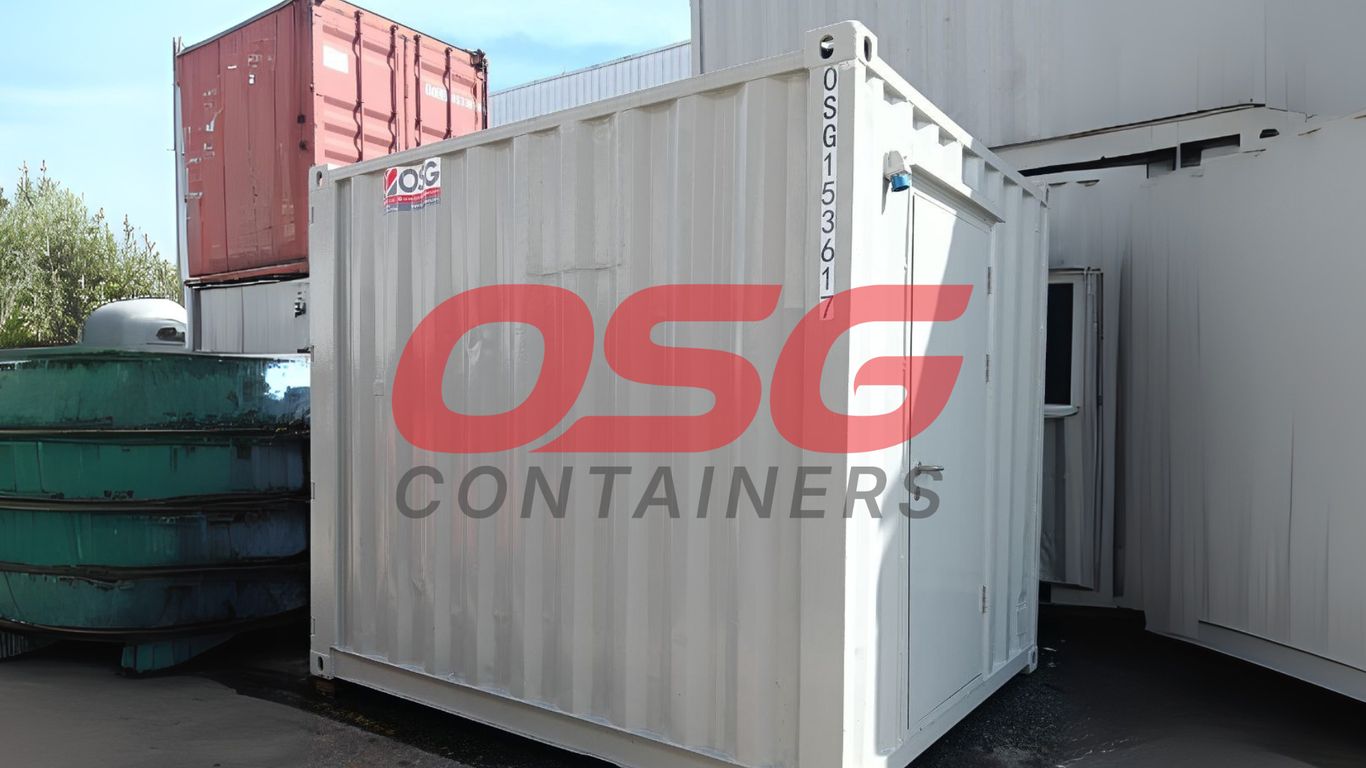
So, you’ve got a 20ft container on the way, or maybe you’re thinking about getting one. That’s cool. But now comes the big question: what exactly fits inside? It’s easy to just guess, but that can lead to a lot of wasted space or, worse, needing a second container you didn’t plan for. We’re going to break down what a 20 footer container can really hold, how to pack it like a pro, and when it’s the right choice for you. Let’s get this sorted.
Key Takeaways
- A standard 20ft container provides about 33 cubic meters of space, which is enough for a small car, some furniture, or a lot of boxes.
- Don’t just guess how much will fit; use floor plans or visual aids to plan your packing, especially for larger items like furniture or vehicles.
- Packing smart means taking things apart when possible, using all available space, and considering weight limits to avoid problems.
- While a 20ft container is versatile, think about high cube options for extra height or larger containers (like 40ft) if you have bulky but light goods.
- Common mistakes include guessing the space wrong, not paying attention to the weight capacity, and picking the wrong container type for what you need.
Understanding the Container 20 Ft: Structure, Strength, and Dimensions
Key Dimensions and Internal Capacity of a 20ft Container
When you’re planning to store equipment or materials in a 20-foot container, knowing its exact size is pretty important. It’s not just about the outside footprint; the inside space is what you’ll actually be using. A standard 20ft container is designed to be a practical size – big enough for a lot of stuff, but not so huge that it’s a pain to place or move. Think of it as a solid, metal box that can hold a surprising amount.
Here’s a quick rundown of the typical measurements:
| Feature | Approximate Measurement |
|---|---|
| External Length | 20 feet (6.1 m) |
| External Width | 8 feet (2.44 m) |
| External Height | 8.6 feet (2.59 m) |
| Internal Length | 19.4 feet (5.9 m) |
| Internal Width | 7.8 feet (2.35 m) |
| Internal Height | 7.9 feet (2.39 m) |
| Internal Volume | 1,170 cubic feet (33 m³) |
That internal volume, around 33 cubic meters, is a good amount of space. It’s often enough to fit the contents of a small house, a decent amount of business inventory, or even a small car. It’s easy to underestimate how much can fit, so planning your layout beforehand is a smart move.
Material Strength and Durability Against the Elements
These containers are built tough, and that’s a big reason why they’re so popular for storage. They’re usually made from a type of steel called Corten steel. This stuff is pretty neat because it forms a protective layer of rust on the outside when exposed to the air. This layer actually helps prevent further corrosion, making the container really resistant to weather damage. So, whether it’s sitting out in the rain, sun, or snow, it’s designed to hold up.
The robust construction means these containers can withstand significant stress, including being stacked high on cargo ships or enduring rough handling during transport. Their primary purpose is to protect cargo from the elements and theft, and their material composition is key to achieving this.
This durability means you can rely on a 20ft container to keep your equipment and materials safe and dry, even if it’s parked outdoors for extended periods. They’re not just temporary boxes; they’re built for the long haul.
Typical Uses Across Various Industries
The 20ft container’s size and strength make it super versatile. You see them everywhere, and for good reason. On construction sites, they’re often used as secure storage for tools and building materials, keeping everything safe from theft and weather.
- Construction: Storing tools, equipment, and supplies right on the job site.
- Retail: Managing inventory overflow or creating temporary stock rooms.
- Agriculture: Holding feed, tools, and equipment on farms.
- Manufacturing: Storing raw materials or finished goods before shipment.
- Residential: Providing extra storage space for homeowners during renovations or for long-term needs.
Basically, if you have stuff that needs to be kept secure and protected from the weather, a 20ft container is often a good solution, no matter your industry.
Maximizing Storage Efficiency in a Container 20 Ft
So, you’ve got your 20-foot container, and now it’s time to figure out how to get the most out of it. It’s a bit like playing Tetris, but with real stuff. The trick is to think vertically and pack smart. Don’t just guess how much will fit; use floor plans or visual aids to plan your packing, especially for larger items like furniture or vehicles. A standard 20ft container offers about 33 cubic meters of usable space. That’s a decent amount, enough for a small car, a few pieces of furniture, or a lot of boxes. It’s easy to underestimate, though, so planning is key. Aiming to fill about 85% of the space is often a good target. This leaves a little room for maneuvering and helps prevent damage during transit.
Smart Packing Strategies for Equipment and Materials
Before you even think about loading, take a moment to plan. It sounds obvious, but so many people just start shoving things in. A little forethought goes a long way. Think about what you’re putting in and how it fits together.
- Disassemble when possible: Furniture like beds, tables, and chairs can often be taken apart to take up less space. This makes them easier to pack and less likely to get damaged.
- Box it up: Use sturdy boxes for smaller items. This creates uniform shapes that stack better than random objects.
- Fill the gaps: Use smaller boxes, blankets, or packing materials to fill any empty spaces within larger items or between boxes. This stops things from shifting around during transit, which can cause damage.
- Create a loading plan: Before you start, map out what goes where. Heavy items should go at the bottom and towards the back to keep the container stable. Imagine a cross-section: heavy items at the bottom, middle-weight items above, and lighter, fragile things on top.
Don’t just guess how much will fit; use floor plans or visual aids to plan your packing, especially for larger items like furniture or vehicles. Thinking vertically and packing smart can make a big difference in how much you can safely store.
Utilizing Vertical Space and Custom Shelving
That empty space above your stacked items isn’t just wasted air. You can use it! Consider using container shelving, especially if you’re storing tools, inventory, or lots of smaller items. It turns that empty vertical space into organized storage. You can get all sorts of shelving units, from simple boltless racks that are easy to put up, to more heavy-duty industrial systems. This is a game-changer for keeping things tidy and accessible.
| Item Type | Storage Method |
|---|---|
| Small Parts/Tools | Shelving Units |
| Boxes | Stacked on Pallets |
| Bulky Equipment | Secured to Floor/Walls |
| Long Items | Vertical Racks |
Preventing Common Loading Mistakes
Loading a container isn’t just about getting everything inside; it’s about doing it right. A few common errors can lead to wasted space, damaged goods, or even safety issues.
- Uneven Weight Distribution: Placing all the heavy items on one side can make the container unstable, especially during transport. Aim for balanced weight distribution from front to back and side to side.
- Not Securing Items: Leaving items loose means they can shift and tumble during transit. This can damage both the items themselves and the container.
- Ignoring Vertical Space: Simply piling things up to the ceiling without any organization means you might not be using the full height effectively. Shelving or careful stacking can prevent this.
- Overloading: While you want to maximize space, don’t exceed the container’s weight limit. This is a safety hazard and can lead to fines or damage.
Remember, a well-packed container is a secure and efficient one. Take your time, plan your load, and you’ll be much happier with the results.
Container 20 Ft Options: Standard Versus High Cube Configurations
So, you’re looking at a 20-foot container for your storage needs. That’s a solid choice for a lot of projects, but did you know they don’t all come in the same size? When you’re planning what goes inside, it’s important to know about the two main types: the standard 20ft and the High Cube 20ft. The biggest difference, and it’s a pretty significant one, is the height.
Differences in Height and Volume
The standard 20ft container is your classic shipping container. It’s built to a certain size, and that’s what most people picture. The High Cube, on the other hand, is essentially the same length and width, but it’s taller. We’re talking about an extra foot of vertical space inside. This might not sound like much, but if you’re storing anything that’s a bit tall, this extra space can be a real lifesaver.
Here’s a quick breakdown:
| Feature | Standard 20ft Container | High Cube 20ft Container |
|---|---|---|
| External Height | Approx. 8.5 feet | Approx. 9.5 feet |
| Internal Height | Approx. 7.9 feet | Approx. 8.9 feet |
| Extra Height | N/A | Approx. 1 foot |
| Internal Volume | Approx. 33 m³ | Approx. 37 m³ |
That extra cubic meterage in the High Cube can make a big difference, especially when you’re trying to fit more in or dealing with items that just won’t fit in a standard container.
Choosing the Best Fit for Tall or Bulky Items
When you’re deciding between the two, really think about what you’re storing. If you’ve got standard-sized equipment, furniture, or just a lot of boxes that aren’t excessively tall, a standard 20ft container might be perfectly fine. However, if your inventory includes things like taller machinery, stacked pallets that reach higher, certain types of vehicles, or even large pieces of furniture like wardrobes or tall shelving units, the High Cube is probably the way to go.
Trying to cram tall items into a standard container can lead to damage, wasted space, or the need for a second container. Planning for height upfront saves a lot of hassle.
Don’t underestimate the value of that extra foot. It can mean the difference between fitting everything you need and having to leave some items behind or find alternative storage.
Impact on Loading Plans and Accessibility
The height difference also affects how you plan your loading. With a High Cube, you have more flexibility. You can stack items higher, which is great for maximizing storage density. This means you might be able to fit more into a single container than you initially thought. It also makes it easier to load and unload certain items, as you have more headroom to work with. For example, if you’re using forklifts or other lifting equipment, that extra height can be very helpful.
When considering accessibility, think about how you’ll be getting things in and out. While both types have standard double doors, the increased internal height of the High Cube can make maneuvering larger or taller items through those doors a bit easier. It’s always a good idea to measure your largest items and compare them against the internal dimensions of both container types before making your final decision.
Ensuring Container 20 Ft Quality and Security
When you’re planning to use a container 20 feet for storing your equipment and materials, making sure it’s in good shape and secure is a big deal. You don’t want your stuff getting damaged by the weather or, worse, stolen. It’s not just about picking any old steel box; a little inspection goes a long way.
Checking Structural Integrity and Weather Resistance
First things first, give the container a good look-over. These things are built tough, usually from a special kind of steel that fights off rust, but they aren’t invincible. Look for any major dents, holes, or spots where the metal looks weak. A solid frame and walls are key to keeping your items protected from wind and rain.
Here’s what to check:
- Walls and Roof: Make sure there are no large holes or significant rust-through. A quick way to check for leaks is to have someone inside with a flashlight while you look from the outside during the day, or vice-versa. If you can see light, water can get in.
- Floor: The flooring, often made of thick plywood, should be solid. Check for rot, water damage, or missing sections. A damaged floor can’t support heavy equipment.
- Corner Posts: These are critical structural points. Ensure they are straight and free from major damage.
Remember, even a container that looks okay from a distance might have hidden issues. If you’re buying or renting, ask for detailed photos or, if possible, inspect it yourself. It’s better to be safe than sorry when it comes to protecting your valuable gear.
Evaluating Door Seals and Access Points
The doors are your main entry and exit, and they’re also a primary security point. When you open and close the doors on your container 20 feet, they should move smoothly without sticking or grinding. Pay close attention to the rubber seals around the door frames. These seals are what keep water and dust out. If they’re cracked, torn, or missing, you’re inviting trouble.
- Door Operation: Do they open and close fully? Do they latch securely?
- Seal Condition: Are the rubber gaskets intact and making good contact when the doors are closed?
- Locking Mechanism: Check the bars and the area where you’d attach a padlock. Ensure they are not bent or damaged.
Key Security Measures to Prevent Theft
Beyond the standard lockable doors, there are other steps you can take to make your container 20 feet a harder target for thieves. The goal is to make it look like too much trouble to break into.
- High-Security Locks: Invest in a good quality, heavy-duty padlock. Avoid cheap ones that can be easily cut.
- Lock Covers: Consider a lock cover or shroud. This is a metal box that fits over the padlock, making it much harder to access with bolt cutters.
- Container Placement: If possible, position the container in a well-lit area, perhaps with security cameras nearby. Avoid placing it in secluded spots where it’s out of sight.
- Regular Checks: Periodically check on your container, especially if it’s stored long-term. This shows that it’s actively being used and monitored.
Strategic Uses of a Container 20 Ft for Equipment and Material Storage
So, you’ve got a 20-foot container sitting there, and you’re wondering what else it can do besides just holding stuff. Turns out, these steel boxes are pretty handy for a bunch of practical applications, especially when it comes to keeping your gear and supplies safe and sound. They’re not just for shipping across the ocean, you know.
Tool and Equipment Protection on Construction Sites
Construction sites can be rough places, and keeping your tools and equipment secure is a big deal. Theft is a real problem, costing companies a lot of money every year. A 20ft container offers a solid, lockable space to store everything from power tools and generators to safety gear. It keeps them protected from the weather too, so you don’t have to worry about rain or sun damaging your expensive equipment. For smaller crews, say up to 8 people, one 20ft container is usually enough to hold all their essential tools and smaller pieces of equipment. It’s way better than leaving things out in the open or in a flimsy shed.
Staging and Storing Materials for Projects
Ever had a project delayed because materials didn’t show up on time? Storing your own materials in a container can prevent that headache. You can order supplies in bulk when prices are good and keep them right on-site. This not only saves you money but also means your crew can get to work without waiting around. For example, a contractor might order lumber, drywall, or pipes ahead of time and store them safely. This way, when the crew needs them, they’re right there, ready to go. It really helps keep the project moving smoothly.
Climate Control Modifications for Sensitive Items
Some materials, like certain paints, adhesives, or even electronics, can get messed up if the temperature swings too much. Standard containers can get really hot or cold. But you can actually modify a 20ft container to have climate control, like adding an HVAC unit. This might sound like a big deal, but it’s a great way to protect valuable or sensitive items that can’t handle extreme temperatures. It turns your container into a mini-warehouse that keeps things just right, no matter what the weather’s doing outside. This is super useful for preserving the quality of materials and equipment over time.
A 20ft container is more than just a box; it’s a flexible solution for site management. It can act as a secure storage unit, a staging area for materials, or even a temporary workspace, all while being relatively easy to move where you need it.
Business and Personal Storage Solutions with a Container 20 Ft
So, you’ve got a 20-foot container, and now you’re thinking about how it can help you out, whether it’s for your business or just your own stuff at home. These steel boxes are pretty handy, offering a secure and weather-proof spot for all sorts of things. They really hit a sweet spot – big enough to hold a good amount, but not so huge they’re a pain to place or move.
Managing Inventory Overflow for Small Businesses
For small to medium businesses, a 20ft container can be a real game-changer, especially when warehouse space is tight or just costs too much. It’s a flexible and pretty affordable way to handle extra stock. Think about it: if you’re a shop owner and suddenly get a huge influx of seasonal items, or if your online business is booming and you’ve got inventory piling up, this container gives you that much-needed breathing room. You can even find containers with special doors, like double doors or full side access, which makes getting your stock in and out way easier during busy times. It’s like adding a temporary, secure annex to your existing space.
- Inventory Management: Extra room for retail stock, seasonal goods, or e-commerce fulfillment.
- Equipment Storage: Keep tools, machinery, or construction gear safe and sound on-site.
- Archival Storage: A dry, secure place for important documents and records.
When using a 20ft container for your business, always think about how easily you can get to your items. You want to be able to load and unload quickly, so plan your interior layout for fast access, especially during peak hours. It’s not just about having space; it’s about having usable space.
Seasonal and Long-Term Home Storage Benefits
On the personal side, a 20ft container is like a super-secure, weather-proof extension of your home. It’s perfect for when you’re renovating and need to stash furniture and belongings safely away from dust and damage. Or maybe your garage is just completely overflowing with stuff you don’t use every day. This is where a 20ft container really shines for personal use. It can easily hold the contents of a two-bedroom house, making it a great option for temporary storage during a move or a big decluttering project.
- Moving House: Store furniture, boxes, and appliances while you pack or unpack.
- Home Renovations: Keep your valuables safe and dry from construction mess.
- Seasonal Storage: Tuck away garden furniture, holiday decorations, or sports equipment.
Temporary Office and Workspace Conversion Ideas
Beyond just storage, these containers are surprisingly adaptable. Many businesses use them as temporary on-site offices or command centers for projects. Imagine a construction site needing a place for the foreman to work, store plans, and keep essential tools secure. A 20ft container can be quickly outfitted with basic insulation, lighting, and even a desk. For personal use, it could become a detached workshop, a hobby room, or even a quiet study space away from the main house. The possibilities for conversion are vast, limited mostly by your imagination and needs.
Logistics and Transportation Considerations for Container 20 Ft
So, you’ve got your 20 ft container, and now it’s time to get it where it needs to go. These steel boxes are built for movement, designed to hop between ships, trains, and trucks without a fuss. It’s all about making sure your equipment and materials get from point A to point B efficiently.
Efficient Delivery and Placement on Job Sites
Getting a 20 foot sea container to your location is usually pretty straightforward. Most delivery services use specialized trucks with cranes or tilt-beds to place the container exactly where you need it. For job sites, think about clear access for the truck and enough space for the crane to maneuver. It’s a good idea to have the ground level and firm to support the weight. Planning this placement ahead of time can save a lot of hassle on delivery day.
- Clear the path: Make sure the delivery truck has an unobstructed route to the drop-off spot.
- Prepare the ground: A level, compacted surface prevents the container from settling unevenly.
- Consider access: Think about how you’ll need to access the container once it’s in place for loading and unloading.
Compatibility with Ocean, Rail, and Road Transport
One of the biggest advantages of a 20-foot container is its standardization. These containers are built to fit seamlessly into global shipping networks. They have specific corner castings that allow cranes to grab them easily, and they stack neatly on ships, trains, and trucks. This means your 20 foot container can travel across continents and oceans using different modes of transport without needing special handling at each transfer point.
| Transport Mode | How it Works |
|---|---|
| Ocean Freight | Stacked high on massive cargo ships, forming the backbone of international trade. |
| Rail Transport | Loaded onto specialized rail cars for long-distance overland journeys. |
| Road Transport | Hauled by trucks, often using specialized trailers for delivery to the final destination. |
Guidelines for Moving Vehicles and Heavy Equipment
Moving vehicles or heavy equipment inside a 20 ft container requires careful planning. The key is securing everything properly to prevent shifting during transit. For cars or machinery, you’ll need to use wheel chocks, tie-down straps, and possibly custom bracing. Always distribute the weight evenly, placing heavier items towards the center and front of the container to maintain stability. If you’re unsure, consult with the shipping company or a professional rigger. It’s better to be safe than sorry when you’ve got valuable equipment on the move.
Planning your container’s journey involves more than just booking a truck. You need to consider the entire route, potential customs checks, and any local laws that might affect delivery. Getting this right upfront saves a lot of headaches later on.
Wrapping It Up
So, we’ve talked a lot about 20-foot containers and how they can be super useful for storing equipment and materials. Whether you’re a small crew on a tight job site or a business needing extra space, these containers offer a solid, secure option. Remember to think about what you’re storing, how much space you really need, and if a standard or high cube model makes more sense. Planning ahead, like figuring out how to pack things efficiently and checking door sizes for big equipment, can save you a lot of hassle down the road. Ultimately, a 20-foot container is a pretty flexible tool that can make managing your stuff a whole lot easier.
Frequently Asked Questions
What exactly can fit inside a 20-foot container?
A standard 20-foot container gives you about 33 cubic meters of space. Think of it like this: it’s enough room for a small car, a good amount of furniture, or a whole lot of boxes. It’s always best to plan out what you’re putting in, maybe even drawing a quick map, especially for bigger items. This helps you use all the space wisely and avoid surprises later.
What’s the difference between a standard 20ft container and a High Cube container?
The main difference is height! A High Cube container is about a foot taller inside than a standard one. This extra space can be a real lifesaver if you’re storing tall equipment, stacked goods, or bulky furniture that just wouldn’t fit otherwise. If height is a concern, the High Cube is usually the better choice.
How do I make sure my stuff stays safe and doesn’t get damaged inside the container?
Packing smart is key! Try to take apart furniture like beds or tables if you can, as this saves space. Use sturdy boxes for smaller items and stack them neatly. Fill any empty spots with blankets or other packing materials to stop things from moving around during transport. Always put the heaviest items at the bottom and towards the back for better balance.
Are 20ft containers strong enough to protect my equipment from bad weather?
Yes, they are! These containers are built tough from strong steel, usually a type called corten steel, which is made to resist rust. They’re designed to handle harsh weather like rain, wind, and sun. Plus, the doors usually have good seals to keep water out, making them a very secure place to store your things.
Can I actually ship a vehicle inside a 20ft container?
Absolutely! It’s a common way to move cars, motorcycles, or even small boats. The most important thing is to secure the vehicle properly inside so it doesn’t move around during the trip. You’ll need to block and brace it well. This method offers great protection compared to leaving it out in the open.
What should I look for when checking the quality of a 20ft container?
When you’re looking at a container, give it a good once-over. Check for any big dents, rust spots, or holes in the walls or roof, as these could be signs of weakness. Make sure the doors open and close smoothly and that the seals around them look good. The floor should also be solid. If you can, inspect it in person or ask for detailed pictures from the seller.