Singapore
 Australia
 Indonesia
 Japan
Japan Malaysia
 New Zealand
 Philippines
 South Korea
 Taiwan
 Thailand
 VIETNAM
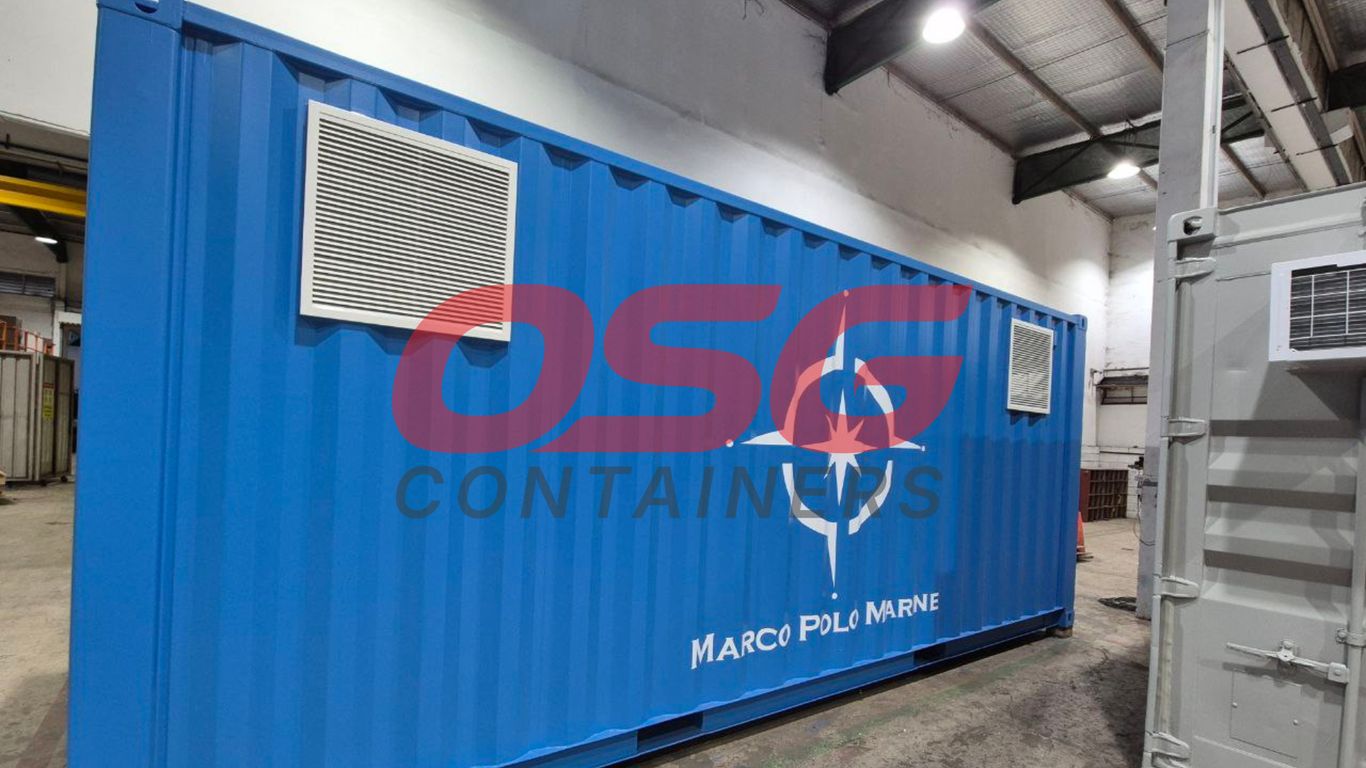
Keeping your reefer refrigerated container running smoothly is a big deal, especially when you’re moving stuff that needs to stay cold. It’s not just about plugging it in and forgetting about it. These units have a lot of moving parts, and if one thing goes wrong, your whole shipment could be toast. Think of it like owning a car – you wouldn’t just drive it until it breaks down, right? You get regular check-ups. Your reefer refrigerated container needs that same kind of attention to avoid costly surprises and keep your cargo in good shape.
Key Takeaways
- Regular check-ups on your reefer refrigerated container are super important. They help catch problems before they get big and expensive.
- Knowing the main parts, like the compressor and condenser, helps you understand what might be going wrong when something acts up.
- Keeping the inside and outside of your reefer refrigerated container clean and making sure the door seals are tight stops temperature issues and saves energy.
- Watch out for common problems such as refrigerant leaks or electrical glitches. Fixing these early keeps your reefer refrigerated container working right.
- Simple things like making sure air can flow around your cargo and not blocking vents can make a huge difference in how well your reefer refrigerated container cools.
Key Refrigeration Components in Reefer Refrigerated Containers
When you’re dealing with a refrigerated container, or a container reefer as some folks call them, understanding the bits and pieces that keep it cold is pretty important. It’s not just one big cold box; there are several parts working together to maintain that precise temperature your cargo needs. Let’s break down the main players in any cntr reefer.
The Role of Compressors in Temperature Control
The compressor is basically the heart of the whole cooling system. Think of it like the engine in a car. Its main job is to take the low-pressure refrigerant gas and squeeze it, turning it into a high-pressure, hot gas. This compression is the first step in the refrigeration cycle, getting the refrigerant ready to move on and do its cooling work. Without a working compressor, the refrigerant can’t circulate properly, and your container won’t get cold.
Condenser and Evaporator Functions
These two components are where the actual heat exchange happens. The condenser, usually located on the outside of the unit, takes that hot, high-pressure gas from the compressor and cools it down. Fans blow air over the condenser coils, helping to release the heat into the surrounding air. As it cools, the refrigerant changes from a gas to a high-pressure liquid.
Then, this liquid refrigerant moves to the evaporator, which is inside the container. Here, the liquid passes through an expansion valve, dropping its pressure and temperature dramatically. As it flows through the evaporator coils, it absorbs heat from the air inside the container. Evaporator fans then circulate this now-cooled air back into the cargo space. Some systems also have heaters in the evaporator to warm the air if needed, keeping the temperature steady.
Sensors, Alarms, and Remote Monitoring Systems
Modern refrigerated containers are pretty smart. They’re equipped with various sensors that constantly measure things like temperature and humidity inside the container. These sensors feed information back to a controller, which is like the brain of the operation. The controller uses this data to make adjustments to the cooling system, keeping everything within the set parameters. Alarms are tied into this system, too. If the temperature starts to drift too far from the set point, or if another issue pops up, an alarm will sound or send a notification. Many units also have remote monitoring capabilities, allowing you to check on your container’s status from afar, which is a real lifesaver for long hauls or when you can’t be on-site.
Identifying and Addressing Common Reefer Container Issues
Regular use puts a lot of strain on reefers containers, so it’s no wonder issues come up from time to time. Being able to spot and fix common problems early can save you from bigger headaches, lost cargo, and expensive repairs down the road. Let’s dig into the most common trouble areas and see how you can handle them.
Detecting and Repairing Refrigerant Leaks
When refrigerant starts leaking out of your reefer container, things can go bad quickly. A low refrigerant level means the container can’t cool properly, and that puts your entire load at risk. Watch out for warning signs like unusual hissing sounds, frost where it shouldn’t be, or a container that just won’t reach its set temperature. Here’s how to handle it:
- Regularly check for visible signs of leaks around piping and joints.
- Use a leak detector tool if you suspect a problem but can’t find it by eye.
- If a leak is detected, patch small cracks promptly, but know when a major repair or component replacement is needed.
- Always recharge the refrigerant to the correct level after fixing a leak.
| Symptom | Possible Leak Location |
|---|---|
| Hissing sound | Pipe joints, compressor area |
| Poor cooling | Anywhere in cooling circuit |
| Frost in odd spots | Evaporator, piping |
Quick action on leaks can prevent complete system failure and protect your cargo from spoilage.
Managing Door Seal Deterioration
You’d be surprised how much trouble a worn-out door seal can cause. When the seal breaks down, outside air sneaks in, temperatures get uneven, and energy bills shoot up. Plus, moisture and pests can get inside. Here’s how to keep door seals in shape on reefers containers:
- Inspect seals for cracks, flattening, or gaps every time you open the container.
- Clean door gaskets regularly with mild soap and water to prevent buildup.
- Replace seals as soon as you spot damage—don’t wait for a complete failure.
- Ensure doors close smoothly; misalignment can wreck even a new gasket fast.
Resolving Electrical System Failures
Electrical problems are a real pain and can bring your reefer container to a halt. They can range from faulty wiring to busted control panels or tripped breakers. Here are a few steps to tackle the most common electrical issues:
- Check for loose connections or visible damage on wires.
- Inspect fuses and breakers—replace or reset as needed.
- Look out for moisture buildup inside electrical panels.
- Always use a qualified technician if you’re not sure how to repair electrical faults—safety first.
The most common electrical faults in reefers containers include:
- Blown fuses or tripped breakers
- Faulty temperature sensors
- Malfunctioning control panels
Staying on top of small problems before they get out of hand keeps your reefer running and cargo safe. Don’t ignore the little signs—fix them before they turn into costly disasters.
Best Practices for Maintaining Reefer Refrigerated Container Efficiency
Keeping your reefer container running smoothly is all about being smart with how you use and care for it. It’s not just about fixing things when they break; it’s about preventing those breakdowns in the first place. Think of it like taking care of a car – regular check-ups and good habits make it last way longer and perform better.
Proper Loading and Airflow Techniques
Getting the loading right is a big deal for keeping things cool efficiently. You want air to move freely around the cargo. If you stack things too tightly or block the vents, the cold air can’t get where it needs to go. This makes the refrigeration unit work overtime, using more power and potentially causing hot spots.
- Ensure adequate space between pallets and container walls. This is usually marked by airflow indicators inside the container.
- Avoid blocking the air ducts at the front or rear of the container. These are critical for circulation.
- Distribute the weight evenly. This helps maintain consistent temperatures throughout the container and prevents strain on the unit.
Proper airflow isn’t just about keeping things cold; it’s about making sure the entire load stays at the set temperature, preventing spoilage and ensuring product quality from start to finish.
Exterior and Interior Cleaning Tips
A clean reefer is a happy reefer. Dirt and debris on the outside can block airflow to the condenser coils, making the unit less efficient. Inside, spills and residue can lead to odors and even contamination, which is a big no-no, especially for food or pharmaceuticals.
- Regularly wash the exterior. Pay attention to the condenser area to remove dust and grime.
- Clean the interior walls and floor. Use appropriate cleaning agents, especially after carrying different types of cargo.
- Defrost the evaporator coils when necessary. Ice buildup significantly reduces cooling capacity and efficiency.
Corrosion and Rust Prevention Measures
Reefers are often exposed to harsh environments, so rust and corrosion are real concerns. These aren’t just cosmetic issues; they can compromise the container’s structure and the integrity of the insulation. Catching them early is key.
- Inspect the exterior regularly for chipped paint or rust spots. Focus on seams, corners, and the roof.
- Address any rust immediately. Remove it with a wire brush and apply a protective primer and marine-grade paint.
- Check for pooling water on the roof or around seams. Ensure drainage is clear.
| Component | Inspection Frequency | Action if Issue Found |
|---|---|---|
| Exterior Paint | Monthly | Clean, prime, and repaint chipped or rusted areas |
| Roof Seams | Quarterly | Clear debris, check for water pooling, seal if needed |
| Condenser Coils | Bi-monthly | Wash with appropriate cleaner to remove dirt |
Troubleshooting and Emergency Repairs for Reefer Refrigerated Containers
When your reefer container decides to act up, especially when you’ve got a load of temperature-sensitive goods on board, it can feel like a real emergency. Things can go wrong fast, and knowing how to react is key. Don’t panic; a calm approach usually solves problems quicker.
Responding to Compressor Failures
The compressor is the heart of the refrigeration system. If it stops working, your container won’t cool. You might hear strange noises, or the unit might just go silent. Sometimes, it’s an electrical issue, like a blown fuse or a tripped breaker. Other times, the compressor itself might have failed. If you suspect a compressor issue, check the power supply first. If that’s fine, and you’re not comfortable with complex electrical or mechanical work, it’s usually best to call in a professional. Trying to fix a compressor without the right knowledge can lead to more damage and costly repairs.
Dealing with Rapid Temperature Fluctuations
Sudden swings in temperature are a big red flag. This could be caused by a few things. Maybe the door seals aren’t tight anymore, letting warm air in. Or perhaps there’s a refrigerant leak, meaning the system can’t maintain the set temperature. Blocked airflow, either from improper loading or a dirty evaporator coil, can also cause this.
Here’s a quick checklist:
- Check the door seals: Look for any gaps or tears. A simple test is to close the door on a piece of paper; if you can pull it out easily, the seal might need attention.
- Inspect airflow: Make sure vents aren’t blocked by cargo. Proper air circulation is vital.
- Listen to the unit: Are there any unusual sounds that might indicate a mechanical problem?
- Review recent logs: If you have a data logger, check the temperature history for clues.
Handling Electrical Malfunctions Safely
Electrical problems can be tricky and, frankly, a bit dangerous if you’re not careful. Loose connections, damaged wiring, or faulty control boards can all cause headaches. Always start by checking the obvious: fuses, circuit breakers, and visible damage to wires. If you see any frayed wires or signs of burning, stop immediately and get a qualified technician involved.
When dealing with any electrical issue, safety is the absolute top priority. Always disconnect the power source before attempting any inspection or repair. If you’re unsure about any part of the electrical system, it’s far better to wait for an expert than to risk injury or further damage to the unit.
If the problem isn’t immediately obvious, like a simple tripped breaker, it’s time to bring in someone who knows their way around reefer electrical systems. They have the tools and knowledge to diagnose and fix issues without putting themselves or the equipment at risk.
Extending Equipment Lifespan with Advanced Maintenance Techniques
Implementing Data Logging and Remote Monitoring
Keeping a close eye on your reefer container’s performance is key to making it last longer. Think of data logging and remote monitoring as your container’s personal health trackers. Data loggers record temperature and humidity inside the container over time. This gives you a clear picture of how well the cooling system is working and if the cargo is staying within its ideal conditions. Remote monitoring takes it a step further. It lets you check on your container’s location, temperature, and other important details from pretty much anywhere, in real-time. This constant oversight helps catch small issues before they turn into big, expensive problems.
Preventive Component Replacement Plans
Some parts just wear out over time, no matter how well you maintain them. Instead of waiting for a compressor to fail mid-trip or a fan to give up the ghost, a smart maintenance plan includes replacing these parts proactively. This means looking at the typical lifespan of key components like compressors, fans, and control boards, and scheduling their replacement based on usage hours or age, not just when they break. It’s a bit like changing the oil in your car before the engine seizes up. It costs a little upfront, but it saves you a lot of headaches and lost product down the road.
Training Personnel on Maintenance Procedures
Even the best equipment can suffer if the people operating and maintaining it aren’t up to speed. Proper training for your team is a big part of extending your reefer’s life. This includes teaching them how to do thorough inspections, understand the basic functions of the refrigeration unit, and know what to do when something seems off. A well-trained operator can spot a potential problem early, like an unusual noise from the compressor or a slight temperature drift, and report it immediately. This knowledge helps prevent minor issues from escalating into major breakdowns, saving both time and money.
Proper placement is also a big deal. Always make sure your reefer sits on level, stable ground. If it’s tilted, it can put stress on the frame and mess with the door seals, which then makes it harder to keep the temperature steady. Plus, it can lead to water pooling around the unit, which isn’t great for preventing rust.
Importance of Door Systems and Seals in Reefer Refrigerated Containers
Inspecting and Maintaining Door Hardware
The doors on a reefer container are more than just an entry point; they’re a critical part of the insulation system. Think about it – every time those doors open, you’re letting the outside air in and the cold air out. That’s why the hardware, like hinges and latches, needs to be in good shape. We’re talking about making sure they operate smoothly and, most importantly, that they pull the door shut tight against the frame. If a hinge is bent or a latch isn’t engaging properly, the seal won’t be effective. It’s a good idea to give these parts a regular clean and a bit of lubrication, maybe with a food-grade grease if you’re dealing with food transport. This helps prevent rust and keeps everything moving freely, which is key for a good seal.
Replacing and Upgrading Door Gaskets
Door gaskets, those rubbery seals around the edge of the door, are probably the most important part of the whole door system when it comes to keeping the temperature stable. Over time, these gaskets can get worn out, cracked, or just lose their flexibility. When that happens, they can’t create that airtight seal anymore. Warm air gets in, cold air escapes, and your refrigeration unit has to work overtime. It’s usually pretty obvious when they’re failing – you might see condensation building up or feel drafts. Replacing them is often a straightforward job, but it’s one you shouldn’t put off. Using high-quality, durable gaskets can make a big difference in how long they last and how well they perform.
Impact of Seal Integrity on Cargo Quality
The integrity of your reefer container’s door seals directly affects the quality and safety of the cargo inside. A compromised seal means inconsistent temperatures, which can lead to spoilage, reduced shelf life, and potential health risks for perishable goods. It’s not just about energy efficiency; it’s about protecting your investment and meeting customer expectations.
Here’s a quick rundown of why good seals matter:
- Temperature Stability: Prevents wild temperature swings that can damage sensitive products like fruits, vegetables, and pharmaceuticals.
- Moisture Control: Stops outside humidity from getting in, which can cause condensation and mold growth.
- Pest Prevention: A tight seal keeps insects and rodents out, protecting the cargo from contamination and damage.
- Energy Savings: Reduces the workload on the refrigeration unit, saving electricity and lowering operational costs.
Basically, if your seals aren’t doing their job, you’re risking your cargo and your bottom line. Regular checks and prompt replacement of worn-out seals are a small price to pay for peace of mind and product integrity.
Wrapping It Up
So, keeping these reefer containers running smoothly really comes down to paying attention. It’s not just about the big stuff like the compressor or the condenser; it’s the little things too, like making sure the door seals are good or that there’s no rust creeping in. Regular check-ups and cleaning can save you a ton of headaches and money down the road. Think of it like taking care of your car – a little bit of upkeep means it won’t break down when you need it most. And if you’re ever unsure about something, don’t be afraid to call in someone who really knows their stuff. Getting it right means your cargo stays safe and your business keeps moving.
Frequently Asked Questions
What are the most important parts of a reefer container?
Think of a reefer container like a special fridge on wheels! The main parts are the compressor, which is like the heart pumping the cooling stuff around; the condenser and evaporator, which help move heat in and out; and sensors and alarms, which keep an eye on the temperature and let you know if something’s wrong. The doors and their seals are also super important to keep the cold air inside.
Why is regular maintenance so important for reefer containers?
Just like your car needs oil changes, reefer containers need regular check-ups. This helps prevent big problems that could ruin your cargo, like food spoiling or medicine getting too warm. It also saves you money in the long run because fixing small issues is cheaper than replacing big parts. Plus, it helps you deliver your goods on time and keeps your customers happy!
What are common problems with reefer containers?
Sometimes, the cooling system can develop leaks, kind of like a leaky faucet. The door seals can wear out, letting warm air in. Electrical parts can sometimes have issues, and the compressor, the ‘heart’ of the system, might need attention. Keeping an eye on these things and fixing them early is key.
How can I make sure my reefer container stays cold enough?
Make sure the container is loaded correctly so air can move around freely – don’t pack it too tight! Always check that the door seals are in good shape and closing tightly. Regularly cleaning the inside and outside also helps the cooling system work better. And, of course, regular maintenance is the best way to keep it running cold.
What should I do if my reefer container’s temperature suddenly changes?
A sudden temperature change is a warning sign! First, check the temperature settings and see if any alarms are going off. Look at the door seals to make sure they are closed properly. If you can’t easily spot the problem, it’s best to call a reefer technician right away. They have special tools to figure out what’s wrong and fix it fast.
How do I prevent rust and corrosion on my reefer container?
Rust can be a problem, especially on the outside. Keep an eye out for chipped paint or places where water might sit. It’s a good idea to clean off any rust you find and repaint those spots to protect the metal. Making sure the container is clean overall also helps prevent rust from forming.