Singapore
 Australia
 Indonesia
 Japan
Japan Malaysia
 New Zealand
 Philippines
 South Korea
 Taiwan
 Thailand
 VIETNAM
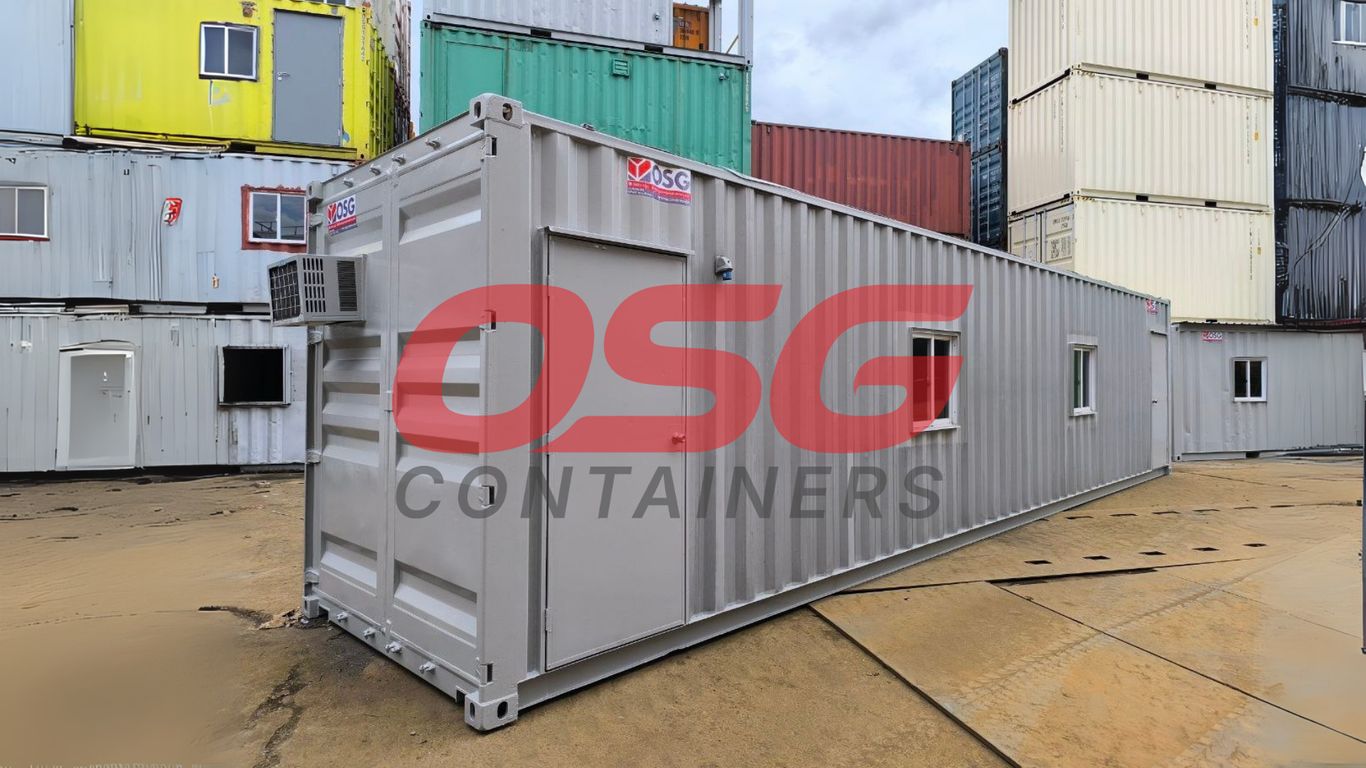
Thinking about adding some extra space to your home or business? Using a 20 ft container for an expansion might be a good idea. These things are tough, relatively cheap, and you can do a lot with them. We’re going to break down why a 20 ft container could be just what you need, from figuring out if it’s right for you to actually getting it set up. It’s a simpler way to get more room without the usual construction headaches.
Key Takeaways
- A 20 ft container is a great size for smaller projects like a home office, guest room, or art studio, fitting easily into most properties.
- These containers are built tough with high-strength steel, making them durable and able to withstand harsh weather.
- Using a 20 ft container for an addition can be more affordable than traditional building methods, saving you money.
- You can customize the interior and exterior of a 20 ft container to match your style and needs, from finishes to added features.
- Multiple 20 ft containers can be joined together, or combined with other materials, to create larger, more complex spaces if one isn’t enough.
Understanding the Versatility of 20 Ft Container Expansions
Shipping containers aren’t just used for hauling goods—they’re a real solution for adding space quickly and efficiently. The 20 ft container is favored for its balance between compact size and surprising internal volume, which makes it practical for lots of everyday uses. They even show up in unique settings like hybrid buildings, where steel containers get paired with other materials for custom looks.
Ideal Applications for a 20 Ft Container
The 20 ft container fits into a ton of scenarios without feeling cramped or oversized. Here are some real-world applications:
- Home offices: When working from home got serious, people started converting these into backyard studios.
- Guest suites or rental units: Think Airbnb-ready spaces that don’t take over your property.
- Retail pop-ups or cafes: Quick to move, quick to set up, and easy to secure at night.
- Art or music studios: Solid enough to withstand frequent use and easy to soundproof.
- Isotank adaptations: Sometimes, 20 ft containers are reworked to hold bulk liquids—the same sizing is just as handy for flexible modular rooms after.
If you’ve ever felt stuck for space but not ready for a huge remodel, this is one of those solutions that sneaks right into your life.
Compact Living Solutions with 20 Ft Containers
Sure, a 20-footer is smaller than some people’s living rooms, but there’s a lot you can do with it:
- Stackable for multi-unit living
- Set up as micro-homes on tough-to-build properties
- Quick shelters for emergencies or seasonal housing
Many modular developments now use stacks of 20 ft containers, especially where zoning rules or narrow plots limit footprints. You get a space that’s easier to heat/cool and cheaper to maintain—not to mention, it’s way faster to finish than any traditional addition.
Maximizing Space in a 20 Ft Container
You’d be surprised how organized a 20 ft container can feel. Here’s a side-by-side of typical space uses:
| Function | Sq Ft Needed | Ideas for Optimization |
|---|---|---|
| Sleeping Quarters | 35–40 | Murphy beds, loft sleeping bays |
| Work Space | 25–30 | Foldaway desks, built-in shelving |
| Storage | 10–20 | Overhead bins, under-bed drawers |
- Use sliding or pocket doors instead of swinging ones
- Add windows to both ends for natural light and airflow
- Consider multi-function furniture to free up the floor
So, whether you need a simple office or a cozy guest space, a 20 ft isotank container gives you more options than you might expect—and often, a lot less fuss than building from scratch.
Designing Your Modular Space with a 20 Ft Container
So, you’ve got a 20-foot container and you’re ready to make it your own. This is where the fun really begins, turning a metal box into something that feels like home. It’s not just about slapping some walls in; it’s about thinking smart with the space you have. The key is to plan your layout meticulously before you even think about cutting holes for windows or doors.
Layout Considerations for 20 Ft Modules
When you’re working with a 20-foot container, every inch counts. These units are roughly 150 square feet, which is cozy, to say the least. You’ll need to be pretty deliberate about how you divide up the space. Think about what you absolutely need. A place to sleep? A small kitchen area? A bathroom? Maybe a spot to sit and relax?
Here’s a way to break it down:
- Zone Planning: Decide which areas are most important. For a tiny home, you might combine the living and kitchen areas to save space. A separate bathroom is usually a must, though.
- Furniture Fit: Measure your furniture before you buy or commit to a layout. Will that couch actually fit? Can you open the fridge door all the way?
- Flow and Movement: Even in a small space, you need to be able to move around without bumping into things constantly. Think about pathways.
Integrating 20 Ft Containers with Existing Structures
Adding a 20-foot container to an existing house or building can be a great way to get extra room without a massive renovation. It’s like adding a new room, but with a bit of a unique twist.
- Connection Points: How will you connect the container to your existing structure? Will it be a simple doorway, or something more involved?
- Level Changes: Be mindful of floor height differences between the container and your current building. You don’t want people tripping.
- Aesthetics: How will the container look next to your existing home? You’ll want it to blend in, or at least not look completely out of place.
Aesthetic Customization of 20 Ft Containers
This is where you get to put your personal stamp on the project. Containers come in a standard look, but you can change that.
- Exterior Finishes: You can add siding like wood or metal panels to give it a more traditional or modern look. Painting is always an option, too.
- Window and Door Placement: Think about where you want natural light to come in and how you want to connect the inside to the outside. Large sliding doors can make a small space feel bigger.
- Interior Touches: From flooring to wall finishes, you have a lot of choices. Polished concrete floors can look sleek, or you might opt for wood-look vinyl. For walls, you could go with drywall, or embrace the industrial vibe with exposed metal.
Remember, the goal is to make the space functional and comfortable for you. Don’t be afraid to get creative with how you use the limited square footage. Thinking vertically, with lofts or high shelves, can also make a big difference in how spacious the container feels.
Practicalities of Using a 20 Ft Container for Expansion
So, you’re thinking about adding a 20 ft container to your property. That’s a smart move for extra space, but let’s get real about what’s involved before you sign on the dotted line. It’s not just about dropping a box in your backyard and calling it a day. There’s some groundwork, literally, that needs to happen.
Site Preparation for 20 Ft Container Placement
First things first, you need a spot for your container. This isn’t just any patch of dirt. The ground needs to be level and stable. Think about how a big truck will get there – can it actually reach the spot where you want the container? You’ll need to clear the area of any obstructions, like trees, bushes, or old sheds. Also, consider drainage. You don’t want your new space becoming a mini-swimming pool every time it rains.
Foundation Requirements for 20 Ft Modules
This is super important. A 20 ft container, especially when it’s loaded with furniture or equipment, is heavy. It needs a solid foundation to sit on. You can’t just put it on grass. Common options include:
- Concrete Slab: This is the most robust option, providing a solid, level base. It’s great if you plan on using the container as a permanent living space or workshop.
- Pier Footings: These are concrete pillars dug into the ground at specific points. They’re often used when a full slab isn’t necessary or cost-effective, and they allow for airflow underneath.
- Screw Piles: These are metal piles screwed into the ground. They’re a good option for uneven terrain and can be installed relatively quickly with minimal site disturbance.
Your choice will depend on your soil type, local building codes, and how you plan to use the container.
Delivery and Installation Logistics
Getting the container to your site is a whole operation. You’ll need a specialized truck and likely a crane to lift it off and place it precisely where you want it. Coordinate closely with your supplier and the delivery company to confirm access routes, overhead clearances (like power lines or tree branches), and the exact placement plan. It’s a good idea to have someone on-site to guide the process. Think about the timing too; you don’t want the truck waiting around for hours while you figure things out.
Remember that the container itself is just the shell. You’ll need to factor in the costs and logistics for insulation, interior finishing, windows, doors, and any utility hookups (electricity, water, sewage) if you’re planning on making it habitable or functional for specific tasks. These additions can significantly impact the overall project timeline and budget.
Cost-Effectiveness of 20 Ft Container Additions
When you’re thinking about adding space to your home, the price tag is usually one of the first things that pops into your head. And honestly, that’s smart. Container additions, especially using those handy 20-footers, can be a really attractive option if you’re watching your wallet.
Budgeting for a 20 Ft Container Project
So, how much are we actually talking about here? It really depends on what you want. A basic, bare-bones 20-foot container shell, maybe just for storage or a simple workshop, could be on the lower end. But if you’re looking to turn it into a livable space, like an extra bedroom or a home office, you’ve got to factor in a lot more. We’re talking insulation, interior finishes, windows, doors, electrical, plumbing – the whole shebang. It’s not just the container itself; it’s what you do with it.
Here’s a rough idea of what different levels might cost:
- Basic Shell (Unfinished): Think of this as just the steel box. You’re looking at a few thousand dollars for the container and maybe some basic site prep. This is for DIYers who want a blank canvas.
- Finished Room (Basic): Add insulation, simple drywall, a basic electrical setup, and a window. This could push the cost up to $10,000-$20,000, depending on labor and materials.
- Comfortable Living Space: This includes better insulation, finished walls and flooring, a small bathroom or kitchenette, and more robust electrical and plumbing. Costs can easily climb to $25,000-$40,000 or more for a 20-foot module.
Comparing 20 Ft Container Costs to Traditional Builds
Okay, so how does this stack up against, say, building a small extension the old-fashioned way? Generally, container additions tend to be less expensive, especially for smaller footprints. You’re skipping a lot of the framing and foundation work that comes with traditional construction. Plus, the containers themselves are mass-produced, which helps keep their base cost down. However, it’s not always a slam dunk. If you’re doing a really high-end finish on a container, you might find the costs getting closer to a conventional build, especially when you add in specialized labor for container modifications.
The speed at which you can get a container addition up and ready is a big part of its cost-effectiveness. Less time on-site means less labor cost and less disruption to your daily life. It’s like getting a pre-fab house, but on a smaller, more manageable scale for an addition.
Long-Term Value of Container Expansions
Beyond the initial price, think about the long game. A well-designed and properly installed container addition can add real value to your property. It’s a functional space that can be used for a home office, guest suite, or even a rental unit, potentially generating income. Plus, the durability of steel means it’s a structure that’s built to last, often requiring less maintenance than traditional wood-frame additions over time. It’s an investment that pays off not just in square footage, but in usability and potential return.
Sustainability and Durability of 20 Ft Containers
When you think about using a 20 ft container for an expansion, one of the first things that comes to mind is how long it’ll last and if it’s good for the planet. It turns out, these steel boxes are pretty solid on both fronts.
The Eco-Friendly Aspect of Repurposed Containers
Using a shipping container for your project is a smart way to go green. Instead of making new building materials, you’re giving a used container a second life. Think about it: these containers have already traveled the world, and many would just end up as scrap metal. By repurposing them, we cut down on waste and the energy needed to produce new materials. It’s a win-win for your project and the environment. Even specialized types like open top containers can be repurposed.
Structural Integrity of a 20 Ft Container
These things are built tough. They’re made from strong steel, designed to handle rough seas and heavy loads. This means they’re naturally resistant to things like pests, rot, and even fire. A standard 20 ft container is incredibly robust, providing a secure and stable structure for your expansion. They can handle a lot, which is why they’re a good choice for building.
Weather Resistance and Longevity
Don’t let the industrial look fool you; these containers are made to last. The steel they use, often Corten steel, is designed to resist corrosion. With proper treatment and maintenance, a container can stand up to harsh weather for decades. They’re not just strong; they’re built for the long haul, meaning your expansion should hold up well against rain, wind, and sun.
Here’s a quick look at why they’re so durable:
- Material Strength: High-grade steel construction is inherently resilient.
- Corrosion Resistance: Special steel alloys and coatings help prevent rust.
- Design: Engineered to withstand extreme forces during shipping.
Building with repurposed containers means you’re choosing a material that’s already proven its ability to withstand tough conditions. This inherent durability translates directly into a long-lasting addition to your home or business.
Expanding Beyond a Single 20 Ft Container
You might be surprised at how much you can do when you go beyond just one 20 foot sea container. Linking or stacking several 20 ft containers unlocks a bunch of new layout options and bigger floor plans that a single unit just can’t provide.
Combining Multiple 20 Ft Containers
Using more than one shipping container means you can create real rooms, extra wings, or even full-blown multi-story structures. People have connected units for all sorts of reasons—think art studios, home offices, guest suites, or retail spaces. Here are common ways people link containers:
- Placing containers side-by-side for a wider open space
- Stacking containers for vertical expansions (like a two-story office)
- Arranging containers in "L", "U", or "T" shapes for new floor plan ideas
- Connecting via hallways or breezeways if you want separation between spaces
| Configuration | Approx. Area (sq ft) | Typical Use |
|---|---|---|
| 1 x 20’ container | 150 | Office, studio, tiny home |
| 2 x 20’ (side-by-side) | 300 | Apartment, retail, café |
| 3+ x 20’ (in a row) | 450+ | Classroom, gym, hostel |
Expanding with multiple 20 ft containers gives you true flexibility. You can start smaller and add modules as needed—a practical way to future-proof your space needs.
Hybrid Designs Merging Containers with Other Materials
Some of the coolest modular expansions mix shipping containers with classic building stuff—like wood, glass, or steel. It isn’t just about looks (though the contrast can be awesome). Hybrid designs offer:
- Strong structure from the container, warm finishes from wood or tile
- Large windows or sliding doors for more light and air
- Easy attachment to existing buildings, like a sunroom or garage
- Smart ways to blend industrial style with cozy home vibes
Hybrid builds let you break out of the container’s box shape while keeping the solid base and fast build times you want from a 20 foot sea container. You get a unique space but without the cost of building everything from scratch.
Scalability of Container-Based Structures
When planning with shipping containers, scalability makes all the difference—start with what you need now and expand later with little hassle. Here’s how container-based expansion helps:
- Simple modular upgrades: Add more 20 ft modules as your needs grow—no major demo work required.
- Stacking for more floors: Strong enough for stacking, so multi-story builds are possible without major engineering.
- Re-configuration: You can shift, remove, or repurpose containers if your space needs change.
If you move or sell, you can sometimes even relocate your modular expansion! The ability to adapt container layouts lets you maximize the use (and value) of every 20 foot sea container you own.
Wrapping It Up
So, there you have it. Using 20-foot shipping containers for expansions really does open up a lot of doors. Whether you’re just looking for a small backyard office or need to add a bit more room for guests, these containers offer a solid, often quicker, and sometimes more budget-friendly way to get it done. They’re tough, they’re adaptable, and honestly, they can look pretty cool too, especially when you mix them with other building stuff. It’s definitely a smart way to add space without the usual construction headaches. Think about it for your next project – you might be surprised at what you can build.
Frequently Asked Questions
What exactly is a 20 ft container expansion?
A 20 ft container expansion is basically using a standard 20-foot shipping container as a building block to add extra space to your home or business. Think of it like a pre-made room that can be set up pretty quickly to give you more living or working area.
Are these container expansions expensive?
Generally, using shipping containers for extensions is more affordable than building with traditional methods. Because they’re already made and designed to be tough, you save a lot on materials and labor costs. It’s a smart way to get more space without spending a fortune.
Can I connect multiple containers together?
Absolutely! You can join several containers side-by-side or even stack them to create much larger spaces. This means you can build anything from a small guest house to a multi-room addition for your home, depending on how many containers you use and how you arrange them.
Are container homes good for the environment?
Yes, they are! Using old shipping containers that have already traveled the world means you’re recycling materials and reducing waste. It’s a greener way to build compared to using all new resources.
How long does it take to set up a container extension?
Setting up a container extension is usually much faster than traditional construction. Many parts can be prepared off-site, and then the container is delivered and installed relatively quickly, often in just a few days or weeks.
Can I make a container extension look like a normal house?
Definitely! You can customize the outside with different types of siding, paint, or other materials to match your existing home or create a unique look. Inside, you can finish it with drywall, nice flooring, and paint, just like any other room.