Singapore
 Australia
 Indonesia
 Japan
Japan Malaysia
 New Zealand
 Philippines
 South Korea
 Taiwan
 Thailand
 VIETNAM

So, you’re curious about the 20 ft container? It’s a pretty common sight, and for good reason. These metal boxes are the workhorses of shipping and storage, moving everything from your new couch to supplies for a construction site. But what exactly goes into one, and why choose this size? Let’s break down what makes the container 20 ft so popular, from its dimensions and what it can hold to its practical uses and limitations. It’s not just a box; it’s a versatile tool for moving and storing stuff.
Key Takeaways
- The container 20 ft offers about 33 cubic meters of space, making it ideal for dense, heavy cargo where you might hit weight limits before filling the space.
- These containers are globally available and easy to move by truck, train, or ship, simplifying logistics.
- Beyond shipping, they’re popular for secure, weather-resistant on-site storage and can be converted into offices, shops, or workshops.
- Loading a 20 ft container efficiently involves considering pallet configurations and stacking heavier items at the bottom.
- While versatile, practical limitations include weight restrictions and potential loading inefficiencies if not planned well.
Understanding the 20 ft Container: Dimensions and Capacity
When you’re looking at shipping options, the 20 ft container is often the go-to choice. It’s like the Swiss Army knife of cargo transport – versatile and widely available. But to really make the most of it, you need to know its ins and outs, especially its size and how much it can actually hold. This isn’t just about stuffing as much as possible inside; it’s about smart planning.
External and Internal Dimensions of a 20 ft Container
So, what are the actual measurements of a 20 ft container? On the outside, it’s pretty standard: 20 feet long, 8 feet wide, and 8 feet 6 inches high. That’s about 6.1 meters long, 2.44 meters wide, and 2.59 meters high if you’re working in metric. But what really matters for your cargo is the inside space. The internal dimensions are a bit smaller due to the container walls, usually around 19 feet 4 inches long, 7 feet 8 inches wide, and 7 feet 10 inches high. That translates to roughly 5.9 meters by 2.35 meters by 2.39 meters.
Calculating Usable Space: Cubic Meters and Cubic Feet
Knowing the internal dimensions lets us figure out the volume. A standard 20 ft container offers about 1,172 cubic feet of space, or roughly 33 cubic meters (CBM). This is the theoretical maximum. In reality, you might only get about 25 to 28 CBM of usable space. Why the difference? Well, things like how you pack your items, the shape of your cargo, and the need to secure everything properly all take up some room. It’s like trying to fit furniture into a small car – you can’t always use every single inch.
Maximum Payload and Weight Considerations
Beyond just space, there’s the weight limit, or payload. A 20 ft container itself (the tare weight) is pretty heavy, usually around 5,000 pounds (about 2,300 kg). The maximum weight your container can carry, including the cargo and packaging, is typically around 48,000 pounds (about 21,772 kg). However, this is a legal limit, and practical loading often means you’ll want to stay below this. Shipping lines have their own rules, and the type of cargo you’re moving also plays a big role. Trying to max out the weight can lead to issues, so it’s usually recommended to aim for around 22 tons, and even better, around 18 tons for smoother sailing.
It’s easy to get caught up in the maximum numbers for space and weight, but real-world shipping is often about compromise. You might have space left over, or you might be limited by weight before you fill it up. Planning your load carefully, considering how items will fit together, and knowing the weight of each piece is key to avoiding problems.
Here’s a quick look at the typical capacities:
- Internal Volume: ~33 CBM / ~1,172 cu ft
- Maximum Payload: ~48,000 lbs / ~21,772 kg
- Recommended Payload: ~40,000 lbs / ~18,000 kg
Versatile Uses for the 20 ft Shipping Container
So, you’ve got a 20 ft container. What can you actually do with it? Turns out, quite a lot. These things aren’t just for hauling stuff across the ocean anymore. They’ve become super handy for all sorts of jobs, big and small.
Transporting Household Goods and Personal Belongings
Moving house? Or maybe just need to stash some stuff for a while? A 20 ft container is a solid choice. It’s big enough for most people’s belongings without being a total pain to move. Think furniture, boxes, that weird collection of garden gnomes – it all fits. Plus, they’re built tough, so your stuff stays protected from the elements during the move.
Shipping Vehicles: Cars, Motorcycles, and More
Got a car you need to ship overseas? Or maybe a couple of motorcycles? A 20 ft container can handle it. You can often fit one standard car inside, sometimes even two smaller ones if you’re clever with the loading. For bikes, you can usually get a few in there. It’s a much more secure way to transport vehicles than just strapping them onto an open deck, especially if you’re looking at something like an open top container for easier loading of taller vehicles.
Supporting Small Businesses and Retail Stock
Small businesses are really getting creative with these containers. Need extra storage for inventory? A 20 ft container parked at your warehouse or shop is way cheaper than renting more space. Some businesses even turn them into pop-up shops or temporary retail spaces. Imagine a cool little boutique or a coffee stand operating out of a converted container – it’s a real thing!
Storing and Transporting Construction Materials
Construction sites can be chaotic. A 20 ft container is a lifesaver for keeping tools, materials, and equipment safe and organized. You can load it up with lumber, bricks, bags of cement, or whatever else you need on site. It keeps things out of the weather and deters theft. Plus, when the job moves, you just move the container. It’s like a mobile tool shed that can hold a surprising amount.
These containers are basically blank canvases. You can adapt them for so many different needs, from simple storage to becoming a functional workspace or even a small retail spot. Their strength and size make them a practical choice for a lot of different situations.
Here’s a quick look at what you might fit:
- Furniture: Sofas, beds, tables, chairs.
- Appliances: Refrigerators, washing machines, dryers.
- Boxes: Packed household items, books, clothes.
- Vehicles: One car, multiple motorcycles.
- Materials: Pallets of goods, construction supplies, equipment.
Key Advantages of Opting for a 20 ft Container
So, why do so many people and businesses lean towards the 20-foot container? It really boils down to a few solid points that make a lot of sense, especially when you’re trying to be smart with your resources.
Cost-Effectiveness for Dense and Heavy Cargo
Let’s face it, budget is usually a big deal. The 20-foot container hits a sweet spot. It’s not the smallest option out there, but it’s significantly cheaper to buy or rent than its larger cousins, like the 40-footer. This makes it a really attractive choice when you’ve got goods that are heavy or dense. You get a good amount of space without paying for a whole lot of empty air, which is smart.
Global Availability and Ease of Transportation
These containers are everywhere. Seriously, they’re the workhorses of international trade. Because they’re so common, getting one moved from one place to another, whether by truck, train, or ship, is usually pretty straightforward. This global network means you’re not going to have a hard time finding one when you need it, and moving it around the world is a well-oiled machine.
Affordable and Secure On-Site Storage Solutions
Need extra space right where you are? A 20-foot container can be delivered to your property and serve as a secure storage unit. Think about renovations, seasonal inventory overflow, or just needing a safe spot for equipment. It’s often way more affordable than renting warehouse space, and you don’t have to worry about the hassle of moving things back and forth. Plus, they’re built tough, keeping your stuff safe from the elements and potential thieves.
Durability and Weather Resistance for Cargo Protection
These things are built to survive rough seas and harsh weather. Made from strong steel, they can handle a beating. This means whatever you put inside – whether it’s delicate electronics, important documents, or just general goods – is going to be protected from rain, wind, and sun. It gives you peace of mind knowing your cargo is secure during transit or while stored.
The standardized design of 20-foot containers means they fit into existing logistics systems worldwide. This widespread adoption simplifies handling, reduces transit times, and lowers overall shipping costs, making them a predictable and reliable choice for moving goods across borders or even just across town.
Here’s a quick look at what makes them so popular:
- Cost Savings: Lower purchase and rental fees compared to larger units.
- Versatility: Suitable for shipping, storage, and even conversion projects.
- Accessibility: Easier to transport and maneuver due to their manageable size.
- Security: Robust construction offers excellent protection for contents.
- Availability: Widely available across global shipping networks.
Maximizing Space: Loading and Pallet Capacity
So, you’ve got your 20 ft container, and now it’s time to figure out how to pack it like a pro. It’s not just about shoving stuff in there; there’s a bit of an art and science to it, especially if you want to get the most bang for your buck. Getting the loading right means you can fit more in, potentially saving you money and a whole lot of hassle.
Standard Pallet Configurations in a 20 ft Container
Pallets are super common for shipping because they make loading and unloading way easier. But, they do take up a bit of space. The number you can fit really depends on the size of the pallet and how you arrange them. Here’s a general idea:
- Standard Pallets (approx. 1.2m x 1.0m): You can usually fit about 9 to 10 of these on the floor of a 20 ft container. You’ll likely arrange them in two rows of four or five, depending on the exact dimensions and how you stagger them.
- Euro Pallets (approx. 1.2m x 0.8m): These are a bit smaller, so you can typically squeeze in around 11 on the floor. They often go in two rows of five, with one extra.
It’s important to remember these are floor counts. If you can stack items on the pallets safely, you can increase your overall capacity, but always be mindful of weight limits.
Practical Loading Strategies for Efficient Space Utilization
Beyond just pallets, how you load the container makes a big difference. Think about it like packing a suitcase for a long trip – you want to use every bit of space without crushing your stuff.
- Heavy on the bottom, light on top: This is a basic rule for stability and to avoid damaging lighter goods.
- Use standardized boxes: If your items are in boxes, using consistent sizes makes them stack much better. Irregular shapes are a nightmare for space.
- Fill the gaps: Got small spaces between boxes or pallets? Stuff them with smaller items, packing materials, or even specialized dunnage to stop things from shifting during transit. This also helps protect your cargo.
- Utilize vertical space: Don’t just load to the height of the boxes. If possible and safe, use the full height of the container. This might involve stacking boxes or using straps.
Loading a container efficiently isn’t just about cramming things in. It’s about smart arrangement, considering the weight distribution, and using all available dimensions. A well-loaded container protects your goods and can save you money on shipping costs.
Understanding the TEU: The Standard Unit of Measurement
When you’re talking about shipping containers, you’ll hear the term TEU a lot. It stands for Twenty-foot Equivalent Unit. Basically, it’s the standard way the industry measures container capacity. A standard 20 ft container is exactly 1 TEU. A 40 ft container is 2 TEU. So, when you see shipping rates or talk about how many containers can fit on a ship, TEUs are the numbers you’ll be working with. It’s a simple way to keep things consistent across different container sizes.
Repurposing and Customizing Your 20 ft Container
So, you’ve got a 20 ft container. Maybe it’s done its job shipping goods, or maybe you bought it specifically for a project. The cool thing about these steel boxes is that they’re way more than just shipping vessels. They’re like blank canvases, ready for you to turn them into something totally new. The possibilities for repurposing and customizing a 20 ft container are pretty much endless.
Transforming Containers into Offices and Workspaces
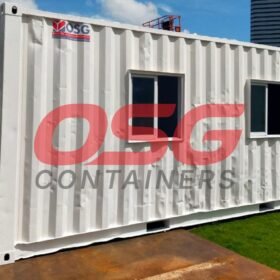
Need a place to work that’s not your kitchen table? A 20 ft container can be a surprisingly comfortable and functional office. You can add windows for natural light and ventilation to keep things fresh. Think about adding some basic insulation, especially if you’re in a place with wild temperature swings. It makes a huge difference in comfort. Plus, you can get electricity hooked up for lights, computers, and all your gadgets. It’s a solid, affordable alternative to building a new structure, and you can set it up pretty much anywhere.
Creating Retail Pop-Up Shops and Cafes
These containers are perfect for businesses wanting to test the waters with a temporary shop or a cool little cafe. They’re eye-catching and can be set up relatively quickly. Imagine a trendy coffee spot or a boutique selling unique items, all housed in a stylishly converted container. You can customize the exterior to match your brand and the interior to suit your specific needs, whether it’s display shelves, a counter, or seating areas. It’s a great way to create a unique customer experience without a massive upfront investment.
Adding Insulation and Climate Control for Comfort
If you plan on spending a lot of time inside your converted container, or if you’re storing sensitive items, insulation is key. You can add various types of insulation to the walls, ceiling, and floor. This helps regulate the temperature, keeping it cooler in the summer and warmer in the winter. It also helps reduce noise. For even more control, you can install heating, ventilation, and air conditioning (HVAC) units. This turns your container into a space that’s comfortable year-round, no matter the weather outside.
Incorporating Electrical Systems for Functionality
Getting power into your container opens up a whole new world of possibilities. You can have lighting installed, so you’re not working in the dark. Outlets are a must for charging devices, running equipment, or powering appliances. For more complex setups, like a workshop or a small kitchen, you might need dedicated circuits for specific machinery or appliances. It’s usually best to have a qualified electrician handle the electrical work to make sure everything is safe and up to code.
Converting a 20 ft container isn’t just about making it look good; it’s about making it work for you. Think about how you’ll use the space day-to-day. What kind of lighting do you need? Will you be running power tools? Do you need plumbing? Planning these details upfront will save you a lot of headaches down the road and ensure your converted container is truly functional.
Here’s a quick look at some common additions:
- Windows: For light and airflow.
- Doors: Standard or custom, for easy access.
- Insulation: Foam, fiberglass, or other materials for temperature control.
- Electrical wiring: For lights, outlets, and appliances.
- HVAC units: For heating and cooling.
- Interior finishing: Plywood, drywall, or other materials for walls and floors.
- Plumbing: If needed for sinks or restrooms.
Practical Limitations and Considerations
While the 20 ft container is super handy for a lot of things, it’s not always the perfect fit. You’ve got to keep a few things in mind before you just go and book one. It’s not just about stuffing as much as you can inside; there are real limits.
Weight Restrictions and Payload Limits
This is a big one. Even though a container might look empty, you can hit its weight limit pretty fast, especially with dense stuff like machinery or metals. The maximum payload is usually around 48,000 lbs (about 21,700 kg), but this can change. Always check the container’s CSC plate for the exact numbers. Trying to sneak in extra weight can cause problems down the line, from fines to damaged goods.
- Tare Weight: This is the weight of the empty container itself. For a standard 20 ft, it’s typically around 2,300 kg.
- Maximum Payload: The most cargo you can legally and safely put inside. This is where you need to be careful.
- Gross Weight: The total weight of the container and its contents. This also has limits.
You can’t just assume you can fill every inch of space. With heavy items, you’ll often ‘weigh out’ before you ‘fill out’. This means the container is as heavy as it can legally be, but there’s still room left inside. That’s why for dense cargo, a 20 ft is often better than a half-empty 40 ft.
Loading Inefficiencies and Space Utilization
Getting the most out of the space inside isn’t always straightforward. How you pack things makes a huge difference. If you’re shipping items that don’t stack neatly, or if you’re using pallets, you’re going to lose some usable space. Most people manage to use about 80-85% of the space in a well-planned load, but that means 15-20% is just… there.
- Pallet Size: Different pallet sizes take up different amounts of floor space. Standard pallets (1.2m x 1.0m) fit differently than Euro pallets (1.2m x 0.8m).
- Cargo Shape: Irregularly shaped items are a nightmare to pack efficiently. Uniform boxes stack best.
- Loading Skill: Experienced loaders can make a big difference, but even they can’t defy physics.
Site Accessibility for Placement and Removal
So, you’ve got your container, but where are you going to put it? Getting a 20 ft container into tight spots can be tricky. You need enough space for the truck and the crane or forklift to maneuver. If you’re planning to use it for on-site storage, make sure the location is accessible for deliveries and pickups, and that the ground is firm enough to support the weight.
- Clearance: Ensure there’s enough overhead and side clearance for lifting and placement.
- Ground Stability: The ground needs to be level and strong enough to prevent the container from sinking.
- Access Routes: Trucks need a clear path to get to and from the site.
Wrapping It Up
So, there you have it. The 20-foot shipping container, while not the biggest box out there, is a real workhorse. It’s tough, it’s versatile, and honestly, it’s pretty affordable for what you get. Whether you’re moving a house full of stuff, shipping a car overseas, or even setting up a small business space, this container can handle it. We’ve seen how it fits a surprising amount of cargo and can be adapted for all sorts of uses. It’s a solid choice for many shipping and storage needs, and understanding its ins and outs really helps make the whole process smoother and easier on the wallet. It’s a simple piece of equipment, but it plays a big part in how things get around the world.
Frequently Asked Questions
What are the exact outside and inside measurements of a 20 ft container?
A standard 20 ft container is about 20 feet long, 8 feet wide, and 8.5 feet tall on the outside. Inside, it’s a little smaller, around 19.3 feet long, 7.8 feet wide, and 7.9 feet tall. Think of it like the walls taking up a tiny bit of space.
How much stuff can actually fit inside a 20 ft container?
You can fit about 1,172 cubic feet of stuff in a 20 ft container. That’s like having a medium-sized room to fill up. It can hold roughly 33 cubic meters of goods, which is a good amount for many types of cargo.
What’s the heaviest weight a 20 ft container can hold?
A 20 ft container can usually carry up to about 48,000 pounds (or around 21,700 kilograms). This is called its maximum payload. It’s super important not to pack more than this, as it can be unsafe and cause problems.
Can I fit a car inside a 20 ft container?
Yes, you often can! A typical car fits inside a 20 ft container, and sometimes you might even be able to fit two smaller cars. You just have to be smart about how you park and secure them inside.
Are 20 ft containers good for moving my home stuff?
Absolutely! A 20 ft container is a popular choice for moving household items. It’s big enough to hold most of the furniture and belongings from a smaller home, like a 2-bedroom apartment. It’s a sturdy and secure way to move your things, especially over long distances.
Why are 20 ft containers so popular for businesses?
Businesses love 20 ft containers because they’re a great size for moving a lot of goods without being too big or too expensive. They’re easy to move around the world on ships, trains, and trucks. Plus, they’re strong and keep things safe from the weather, making them perfect for storing stock or shipping products.