Singapore
 Australia
 Indonesia
 Japan
Japan Malaysia
 New Zealand
 Philippines
 South Korea
 Taiwan
 Thailand
 VIETNAM
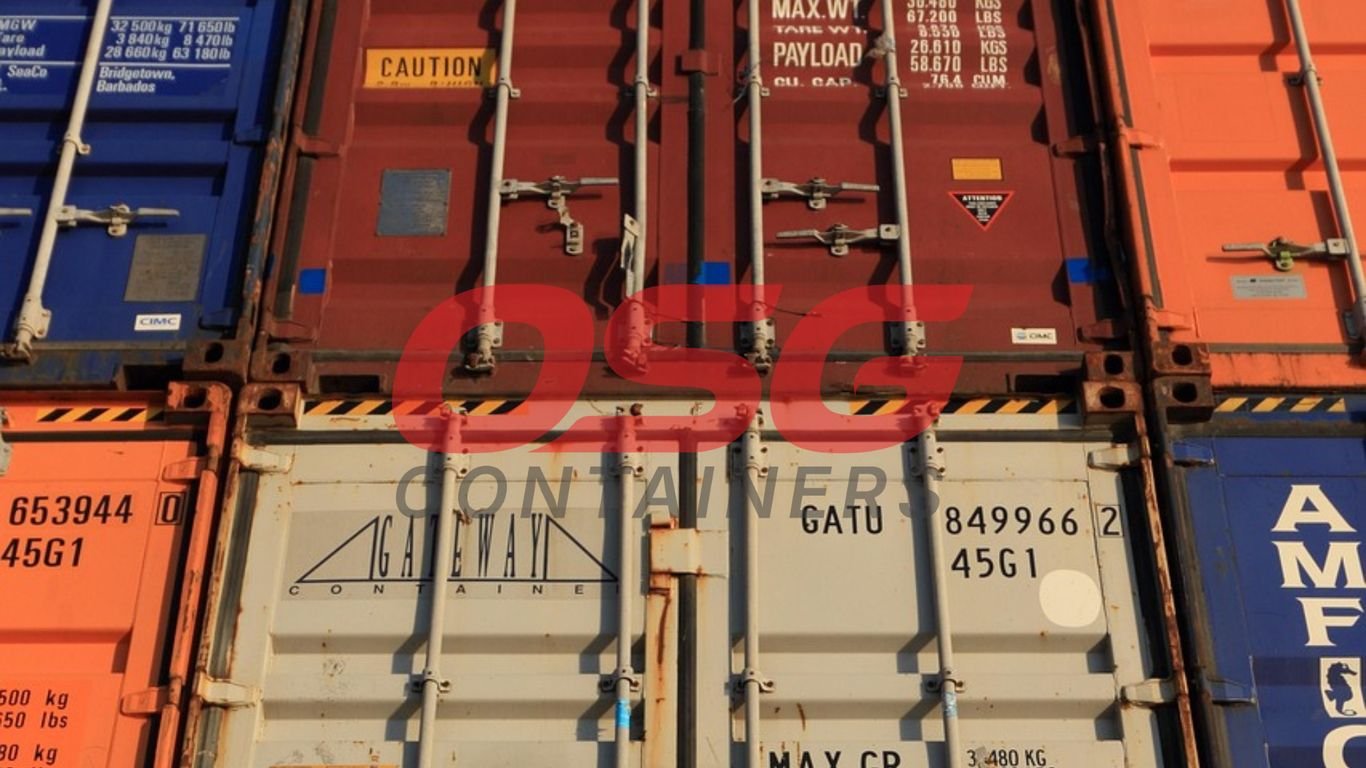
You know, it’s pretty wild how much shipping containers have changed things. They used to just be those big metal boxes you saw on ships or trains, right? Now, they’re popping up everywhere, being used for all sorts of stuff that’s totally reshaping how we build and live. It’s like we discovered a whole new way to put things together, and honestly, it’s pretty cool to see.
Key Takeaways
- Shipping containers offer a modular and prefabricated approach to building, making construction faster and more efficient.
- Repurposing shipping containers is a sustainable practice that reduces waste and lowers carbon footprints.
- From affordable homes to trendy retail spaces, shipping containers provide versatile and cost-effective solutions for various applications.
- Modern technology is being integrated into shipping containers for better tracking, security, and automation in logistics.
- The adaptability and innovative use of shipping containers are redefining modern infrastructure across residential, commercial, and transport sectors.
Shipping Containers Revolutionizing Construction
It’s pretty wild how these big metal boxes, originally just for hauling stuff across oceans, are now changing how we build things. We’re talking about a total shift in construction, moving towards smarter, faster, and more eco-friendly methods. Shipping containers are becoming the go-to building blocks for a new era of infrastructure.
Modular Design and Prefabricated Solutions
Think about it: instead of building everything from scratch on-site, which can be slow and messy, we can now use pre-made modules. Shipping containers are perfect for this. They come in standard sizes, like the common 20 ft container, which makes planning and assembly way simpler. Builders can modify these containers off-site in controlled environments, then just bring them to the location and put them together. It’s like adult LEGOs, but for buildings!
- Speed: Construction time is cut down significantly because much of the work happens elsewhere.
- Consistency: Factory conditions mean better quality control and fewer mistakes.
- Flexibility: Containers can be combined, stacked, or arranged in countless ways to fit different needs.
This modular approach means less disruption at the actual building site, which is a big deal in busy areas.
Sustainable Building Practices
Using old shipping containers is a fantastic way to be more environmentally friendly. Instead of making new materials, we’re reusing something that already exists. This cuts down on waste and the energy needed to produce new building supplies. A 20 foot sea container, once retired from its shipping duties, can get a whole new life as part of a home, office, or even a school.
- Waste Reduction: Diverts containers from landfills.
- Resource Conservation: Less demand for virgin timber, steel, and concrete.
- Lower Embodied Energy: Reusing materials generally requires less energy than creating new ones.
Cost-Effectiveness and Efficiency
Let’s be real, building can get expensive. Shipping containers offer a more budget-friendly option. Because they’re mass-produced and readily available, their base cost is relatively low. Add to that the savings in labor and time due to the prefabricated nature, and you’ve got a winning combination for efficiency. Projects that might take months with traditional methods can often be completed in weeks using container modules. This speed and lower material cost translate directly into savings for developers and clients alike.
Innovative Applications in Residential Living
Affordable Housing Developments
Shipping containers are really shaking things up when it comes to making housing more accessible. Think about it: instead of building from scratch with new materials, we’re taking these sturdy, pre-made boxes and turning them into homes. This approach can seriously cut down on construction time and, more importantly, the cost. Projects are popping up all over, like in Dallas, where they’re planning nineteen one-bedroom units made from reclaimed containers. It’s a smart way to address housing shortages without breaking the bank.
Customizable Home Designs
Don’t let the industrial look fool you; these containers are incredibly flexible. Architects and homeowners are getting really creative, stacking and arranging them in all sorts of ways to create unique living spaces. Whether you want a cozy single-family home or something a bit more elaborate, containers can be adapted. You can even get them pre-fabricated, all wired and plumbed, making the setup super fast. It’s like having a custom Lego set for your house, but way cooler.
Modern Architectural Aesthetics
There’s a certain charm to the clean lines and industrial vibe of container homes that just clicks with modern design. They add a striking look to both city streets and more rural settings. People are using them for everything from small, stylish weekend getaways to larger, multi-story residences. The look is undeniably contemporary, and it’s a great way to stand out while still being practical.
The adaptability of shipping containers means they can be configured into a wide range of residential layouts, from compact studios to multi-unit dwellings. This modularity allows for rapid construction and a distinctive aesthetic that appeals to those seeking unconventional and cost-effective housing solutions.
Here’s a quick look at how they’re being used:
- Compact Living: Single containers can be transformed into efficient, stylish studios or small homes.
- Multi-Unit Dwellings: Stacking and connecting containers allows for the creation of apartment buildings and housing complexes.
- Hybrid Designs: Containers can be combined with traditional building methods to create unique architectural blends.
- Off-Grid Solutions: Their robust nature makes them suitable for remote locations and self-sufficient living setups.
Transforming Commercial and Public Spaces
Shipping containers are really shaking things up when it comes to how we build commercial and public spots. Forget those old, slow construction methods; these metal boxes offer a faster, more flexible way to get things done. Businesses are catching on, and so are communities.
Versatile Retail and Restaurant Concepts
Think about your favorite trendy cafe or a pop-up shop you stumbled upon. Chances are, it might have been a shipping container. Their industrial look is super popular right now, and businesses love how quickly they can set up shop. Plus, moving a container business to a new location is way easier than rebuilding a brick-and-mortar store. It’s perfect for testing out new markets or just keeping things fresh.
- Quick Setup: Get your business up and running in weeks, not months.
- Mobility: Easily relocate your store or restaurant if needed.
- Unique Aesthetics: Stand out with a modern, industrial vibe that customers notice.
- Cost Savings: Lower initial investment compared to traditional buildings.
The adaptability of containers means businesses can experiment with different locations and formats without huge financial risk, making entrepreneurship more accessible.
Functional Office Environments
Offices are getting a makeover too. Container offices are popping up everywhere, offering a cool, modern workspace. They’re not just about looks, though. Businesses can customize them to fit their team’s needs, whether it’s an open-plan setup or private work pods. And since they’re made from recycled containers, they’re a greener choice, which many companies are proud to show off.
| Feature | Traditional Office | Container Office |
|---|---|---|
| Initial Cost | High | Moderate |
| Construction Time | Long | Short |
| Relocation Ease | Difficult | Easy |
| Sustainability | Lower | Higher |
| Customization | High | High |
Rapid Deployment for Public Services
When disaster strikes or a community needs services fast, shipping containers are a lifesaver. They can be turned into temporary classrooms, medical clinics, or even emergency shelters incredibly quickly. This speed is a huge advantage when traditional construction would take too long. It means help and essential services can reach people when they need them most, offering a practical solution for urgent needs.
- Emergency Shelters: Provide immediate housing after natural disasters.
- Mobile Clinics: Offer healthcare services in remote or underserved areas.
- Temporary Schools: Quickly set up educational facilities when existing ones are damaged.
- Community Centers: Create gathering spaces on short notice for local events or needs.
Technological Advancements in Container Design
It’s pretty wild how much these big metal boxes have changed, right? They aren’t just simple rectangles for stuff anymore. We’re seeing some serious tech getting packed into them, making them smarter and more useful than ever before. Think about it – we’ve gone from basic steel boxes to high-tech units that can tell you exactly where they are and what’s happening inside.
Smart Containers with IoT Integration
This is where things get really interesting. Many modern containers are now equipped with Internet of Things (IoT) devices. This means they can send out real-time data about their location, temperature, humidity, and even if someone’s tried to open them when they shouldn’t have. It’s like giving each container a little brain and a voice. This kind of tracking is a game-changer for supply chains, letting everyone involved know exactly what’s going on.
Enhanced Security and Monitoring
Security is a big deal, especially when you’re moving valuable goods across the country or the world. New container designs are beefing up security in a few ways. We’re seeing better locking mechanisms that are harder to tamper with. Plus, those IoT sensors we just talked about? They’re also used for security. If a container is moved unexpectedly or the temperature goes out of whack for something sensitive, an alert can be sent out immediately. This helps prevent theft and makes sure cargo arrives in good condition. Even specialized containers like isotank units, used for liquids, have advanced monitoring to ensure containment integrity.
Integration with Automated Logistics
Containers are also being designed to work better with all the new automated systems popping up in warehouses and ports. Think about robots loading and unloading trucks or automated sorting systems. Containers that can communicate their contents or dimensions make these automated processes much smoother. This means less waiting around and fewer mistakes. Even things like open top containers are being adapted so they can be more easily handled by automated cranes and equipment, speeding up the whole process.
The evolution of shipping containers is a clear sign that even the most basic industrial tools can be reinvented with technology. They’re becoming active participants in the logistics network, not just passive carriers. This shift is making the movement of goods faster, safer, and more transparent than we could have imagined just a few decades ago.
The Future of Logistics and Transport
Shipping containers are way more than just big metal boxes for stuff. They’re actually changing how we move things around, making everything faster and smarter. Think about it, the whole global trade system kind of relies on these things being standardized and easy to move from a truck to a train to a ship. That’s already a huge deal, but it’s getting even better.
Streamlining Road and Multimodal Transport
Road transport is a big part of getting goods from here to there, connecting ports, factories, and all the places stuff ends up. The containers themselves are getting designed to make this whole process smoother. We’re seeing features that help load and unload things quicker, which saves a ton of time and money. Plus, they’re built to easily switch between different types of transport – truck, train, ship – without a lot of hassle. This makes moving goods across different methods way less complicated.
- Faster Loading/Unloading: New designs focus on getting cargo in and out quickly to cut down on waiting times.
- Easier Transitions: Containers are made to switch between trucks, trains, and ships without needing major changes.
- Weight and Space Optimization: They’re getting lighter but stronger, meaning more can be shipped and we stay within road weight limits.
Adaptability for Evolving Commerce
Commerce isn’t static, right? Things change, and so do what people need to ship. Containers are becoming more adaptable to all sorts of different cargo. Whether it’s something delicate like artwork or something that needs to stay cold, like medicine, containers can be customized. This flexibility means they can handle pretty much anything the modern market throws at them.
The ability of containers to adapt to diverse cargo needs, from sensitive pharmaceuticals to bulky machinery, is a key factor in their ongoing relevance in global trade.
Efficiency Through Container Innovation
It’s not just about moving things; it’s about moving them efficiently. That’s where technology comes in. We’re seeing "smart" containers with sensors that tell you exactly where they are and what the conditions are inside. This real-time information helps prevent problems, like spoilage or theft, and makes sure everything arrives on time. It’s all about using technology to make the whole process more reliable and less prone to errors.
| Feature | Benefit |
|---|---|
| IoT Sensors | Real-time tracking and condition monitoring |
| Advanced Locking | Enhanced security against theft and tampering |
| Structural Integrity Checks | Prevents accidents and cargo breaches |
Environmental Benefits of Repurposed Containers
Reducing Construction Waste
Think about all those old shipping containers just sitting around after their working life. Instead of letting them become scrap metal or taking up space in a yard, we can give them a whole new purpose. This is a big deal for cutting down on waste. Building with them means we’re not churning out as much new material, which saves energy and resources. It’s like giving something a second life instead of just throwing it away. This reuse approach directly tackles the massive problem of construction waste that piles up globally.
Lowering Carbon Footprints
Making new building materials, like steel and concrete, takes a ton of energy and releases a lot of greenhouse gases. When we use a container that’s already been made, we skip a huge chunk of that energy-intensive process. Plus, containers are built tough, so they last a long time. This means fewer replacements and repairs down the line, further reducing the environmental impact over the structure’s lifespan. It’s a smart way to build lighter on the planet.
Promoting Eco-Conscious Business Practices
Using repurposed containers sends a clear message. For businesses, it shows they care about the environment. It’s a visible commitment to sustainability that customers and employees notice. This can improve a company’s image and attract people who also value eco-friendly choices. It’s not just about building; it’s about building a better reputation and a more responsible future.
Here’s a quick look at why this matters:
- Less Raw Material Extraction: We don’t need to mine as much iron ore or produce as much new steel.
- Reduced Manufacturing Energy: Skipping the initial production of building materials saves significant energy.
- Waste Diversion: Containers are kept out of landfills or the scrap metal cycle for longer.
- Lower Transportation Emissions: While containers need to be moved, the overall lifecycle emissions can be lower than new construction.
Repurposing shipping containers is a practical step towards a circular economy. It’s about seeing potential in existing materials and using them creatively to meet modern needs without the heavy environmental cost of traditional building.
| Material Saved (per container) | Estimated Impact |
|---|---|
| New Steel Production | Significant |
| Concrete Production | Moderate |
| Energy Consumption | High |
| Landfill Waste | Direct Reduction |
The Future is Stacked
So, what’s the takeaway from all this? Shipping containers have really gone from just being big metal boxes for stuff on ships to something way more. They’re popping up everywhere, from homes and offices to shops and community spots. It’s pretty cool how they can be changed and used in so many different ways. They’re strong, they’re adaptable, and honestly, they look pretty neat too. It feels like we’re just scratching the surface of what these things can do for building and creating spaces. It’s a smart way to build, and it’s definitely changing how we think about infrastructure for the better.
Frequently Asked Questions
What exactly are shipping containers used for in building?
Think of shipping containers as strong, pre-made building blocks. Instead of building from scratch, people use these big metal boxes, which used to carry goods across the sea, to create houses, offices, shops, and even schools. They’re strong, stackable, and can be put together in many different ways.
Are buildings made from shipping containers good for the environment?
Yes, they are! Using old shipping containers means we don’t have to make as many new building materials, which saves energy and cuts down on waste. It’s like recycling on a giant scale, helping to reduce pollution and protect our planet.
Is building with shipping containers cheaper than regular building?
Often, yes! Since the containers are already made, a lot of the hard work and cost of building walls and a basic structure is already done. This can make them a more affordable option, especially for things like homes or temporary buildings.
Can you design a shipping container home to look modern and nice?
Absolutely! People can design them in all sorts of cool ways. You can paint them, add big windows, combine several containers, and create unique shapes. They can look very stylish and modern, not just like plain metal boxes.
How fast can you build something with shipping containers?
Much faster than traditional building! Since the main structure is already there, builders can put up a container building much more quickly. This is great for projects that need to be finished in a hurry, like emergency shelters or temporary shops.
Can you move a building made from shipping containers?
Yes, that’s one of the cool things about them! Because they are basically strong boxes, you can move them. This makes them perfect for businesses that might need to relocate or for temporary structures that can be taken down and set up somewhere else.