Singapore
 Australia
 Indonesia
 Japan
Japan Malaysia
 New Zealand
 Philippines
 South Korea
 Taiwan
 Thailand
 VIETNAM
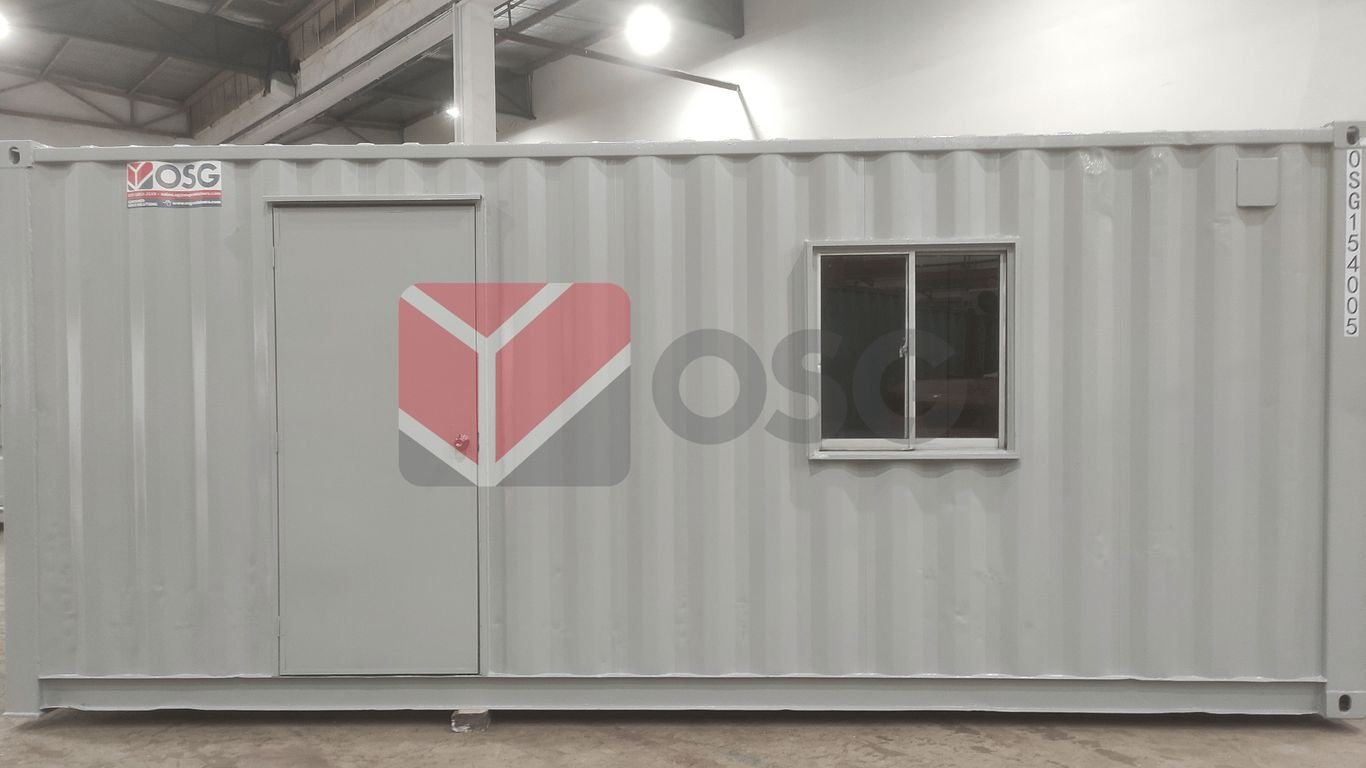
If you’ve ever seen those big metal boxes stacked at ports or rolling down the highway on a flatbed, you’re looking at shipping containers. The container 20 ft size is probably the most common out there. It’s small enough to fit in tight spaces but big enough to haul a surprising amount of stuff. People use them for all sorts of things—shipping goods, building pop-up shops, or even turning them into tiny homes. This guide breaks down what you need to know about the container 20 ft, including its sizes, uses, and what you should expect to pay.
Key Takeaways
- A container 20 ft is the go-to size for shipping, storage, and creative building projects.
- There are several types, like standard, high cube, and refrigerated, each with unique features.
- Typical dimensions are about 20 feet long, 8 feet wide, and 8.5 feet high, with room for a lot of cargo or household goods.
- Prices can vary a lot—new containers cost more, but used ones are budget-friendly; renting is also an option for short-term needs.
- Always inspect the container’s condition before buying, and think about modifications if you plan to use it for something special.
Understanding Container 20 Ft Types and Variations
Shipping containers aren’t as boring as they look. The humble container 20 feet long is pretty much everywhere: behind stores, on ships, at construction sites, or even as part of someone’s new backyard studio. Each type of 20 feet container brings a little something different to the table, depending on what you need to store, move, or even build. Here’s a closer look at the main variations you’ll see in the market.
Standard Dry Van Containers
Standard 20 feet containers (sometimes called "dry van" containers) are what you’ll picture when you think of shipping containers. They’re built for general cargo and are the go-to for moving most goods—boxes, pallets, or machinery. They’re designed to fit trucks, trains, and ships with no hassle. Here’s how they stand out:
- Internationally standard size: 20 ft long, 8 ft wide, 8.5 ft high.
- Durable steel construction for long-term use outdoors or indoors.
- Sealed doors at one end; good for weather protection and security.
| Container Type | External Size (L x W x H) | Typical Use |
|---|---|---|
| 20ft Dry Van | 20′ x 8′ x 8.5′ | General cargo, storage, moving |
| 20ft High Cube | 20′ x 8′ x 9.5′ | Bulky goods, conversions |
The classic standard 20 ft container is what most businesses and individuals start with, especially for quick and efficient shipping and storage solutions.
High Cube Container Differences
High Cube containers are almost identical to the regular 20 ft container, but they’re a foot taller. That extra height comes in handy for loads that just need a bit more headroom—like tall furniture, stacked boxes, or if you plan to turn the box into an office or mini-home.
Main features:
- 9.5 feet high instead of 8.5, so more vertical storage or room for interior setups.
- Still fits into intermodal systems just like the standard version.
- Usually costs a bit more, but you get noticeably more space.
These are harder to find used—most on the market are sold new—so keep that in mind when budgeting or planning your project.
Reefer and Specialized Containers
Not all 20 feet containers are for dry goods. There’s a whole range of specialized types adapted for unique cargo:
- Reefer Containers: Refrigerated units made for food, medicine, and other goods that can’t get too warm. They have built-in cooling, but need a power source.
- Open-Top Containers: If what you’re moving (like machinery) is too tall to fit through a standard door, you want an open-top. The roof comes off for easy loading.
- Flat Rack Containers: All about moving very heavy or odd-shaped machinery. These have no solid sides, just a strong base and end pieces.
If you’re not sure which container 20 feet variant matches your situation, think about the nature of your cargo and how you’ll load, unload, or modify it later. Getting the right type can save you money and effort down the road.
So whether you’re stacking boxes, chilling produce, or building a tiny office, there is likely a 20 feet container type that checks every box. And once you know the key differences, it’s easier to narrow your search and get the best fit for your needs. For detailed tips on supplier selection and customization, it’s smart to compare features like condition or add-ons before making your final choice.
Detailed Dimensions and Specifications of Container 20 Ft
Looking at a 20ft shipping container, it might seem pretty basic, but there’s a lot more to it than just the size slapped on the side. Breaking down the specs can help you use these boxes way more efficiently, no matter if you’re planning to ship, store, or modify one. Here’s what you need to know about the standard and high cube models, their capacities, and how much you can actually stash inside.
External and Internal Measurements
Most 20ft shipping containers stick to international size standards, which helps a lot with planning and logistics. Below is a quick breakdown of the typical dimensions:
| Measurement | Standard 20ft | High Cube 20ft |
|---|---|---|
| External Length | 20 ft (6.06m) | 20 ft (6.06m) |
| External Width | 8 ft (2.44m) | 8 ft (2.44m) |
| External Height | 8.5 ft (2.59m) | 9.5 ft (2.90m) |
| Internal Length | 19.4 ft (5.90m) | 19.4 ft (5.90m) |
| Internal Width | 7.7 ft (2.35m) | 7.7 ft (2.35m) |
| Internal Height | 7.9 ft (2.39m) | 8.9 ft (2.70m) |
| Door Width | 7.8 ft (2.34m) | 7.8 ft (2.34m) |
| Door Height | 7.5 ft (2.28m) | 8.5 ft (2.59m) |
The high cube container only stands out because of that extra foot in height, which makes a pretty big difference if you need vertical storage or just want to move tall items easily. Not only do these dimensions keep the container versatile, they also let you stack, customize, and move it just about anywhere for extra workspace or storage.
Weight and Load Capacities
Weight limits are a make-or-break factor. Going over what a 20ft container can hold can put your stuff and your wallet at risk. Here’s how the numbers generally stack up:
- Tare weight (the empty container): Around 4,850–5,070 lbs (2,200–2,300 kg)
- Max Gross Weight (container plus cargo): About 52,900 lbs (24,000 kg)
- Net Payload (cargo weight only): Up to 48,000 lbs (21,750–22,000 kg) depending on container condition and build
This robust steel box can carry a surprising amount—sometimes an entire small workshop’s worth of equipment or enough building materials to keep a site running for weeks.
If you’re not careful tracking your container’s weight when loading, you risk expensive fines or even rejected shipments at ports or by trucking companies.
Volume and Storage Comparisons
When it comes to space, the volume is what matters for bulky or oddly-shaped loads. Most 20ft containers clock in at about 1,170 cubic feet (33.2 m³), enough room for:
- The entire contents of a 2–3 bedroom house (if you pack smart)
- 10–12 standard pallets, stacked to the ceiling
- 1 small car, or up to 2 ultra-compact vehicles
- Construction supplies for mid-size site projects
The high cube version, because of the extra foot in height, gains almost 12% more cargo volume than the standard model. In practical terms, that means extra bins, shelving, or larger items can easily fit.
If you compare this storage to other container sizes, like the bigger 40ft options, the 20ft is about half the space, but it’s easier to move and set up for small businesses or home projects that require flexibility.
- Standard 20ft: 1,170 cubic feet (~33.2 m³)
- High Cube 20ft: 1,316 cubic feet (~37.3 m³)
Even though the figures aren’t huge, it’s more than enough for most residential moves, pop-up businesses, or quick site storage. It’s this smart sizing that really makes a 20-foot container stand out.
Popular Applications for 20 Ft Containers
20 ft containers have gone from standard shipping workhorses to surprisingly flexible spaces. Their size, portability, and rugged construction mean you’ll find these units in all sorts of unexpected places—well beyond the docks. Let’s get into the specific ways people are putting them to use.
Shipping and Freight Logistics
- The original use: transporting cargo worldwide by sea, rail, or road
- Their compact size allows for easier loading at ports and on trucks
- Perfect for mixed or smaller shipments where a 40ft container isn’t needed
- Options like open top containers handle awkward or oversized items (like machinery or timber)
| Application | Common Container Type | Benefits |
|---|---|---|
| Standard Freight | Standard/High Cube | Fits most loads, secure |
| Bulk Materials | Open Top Container | Loads via crane, flexible |
| Perishables | Reefer | Temperature control |
Even if you’re not in logistics, you’ve probably spotted 20 ft containers stacked on trucks or waiting trackside—they’re the backbone of global trade.
Construction and Site Storage
- Used as on-site tool and equipment storage by builders and contractors
- Secure, weatherproof, and portable—easy to relocate as a project evolves
- Common for temporary shelters, lock-up storage, and even as makeshift offices right on the jobsite
Many companies now favor a container office setup for fast and flexible workspace. This trend is big with construction crews needing secure, connected working areas that can move as jobs shift or expand.
Design and Conversion Uses
- Downsizing homeowners and off-grid fans convert containers into tiny houses or cabins
- Open top containers become creative studios, garden rooms, or shaded kiosks at events
- Entrepreneurs use them for cafés, mobile shops, or pop-up galleries at festivals
Here’s where imagination takes over:
- Off-grid cabins or eco-retreats
- Backyard offices or hobby workshops
- Mobile retail or food container stands
You don’t need to stick with the original form—cut in windows, add insulation, pop in plumbing, and a 20 ft container goes from blank box to functional living or working space. That’s the real magic: practical possibilities without huge costs or complex builds.
Key Factors When Choosing the Right Container 20 Ft
Selecting a 20-foot shipping container isn’t just about buying the first decent one you find online. There are a handful of important decisions, each with long-term results. From picking between new or used to understanding what features matter, a little homework pays off.
New vs. Used: Pros and Cons
You’ll want to decide early on if a shiny new container is best, or if you’d rather save money with a used option. Both have strong points:
| Type | Pros | Cons |
|---|---|---|
| New | Pristine, reliable, best warranty | Higher purchase price |
| Used | Lower cost, eco-friendly reuse | Cosmetic wear (dents, rust), may need minor repairs |
- New (aka "one-trip") containers arrive with minimal damage and a longer service life.
- Used containers are budget-friendly — just expect some dings and signs of age.
- If you plan to modify (turning it into a pop-up shop or home office), a used one might be fine, as long as the structure is sound.
Most people find used containers are still perfectly solid, and dents or a little rust rarely hurt everyday use. It’s still smart to check everything over in person before buying.
Inspection and Condition Assessments
Don’t buy site-unseen if you can help it. Here’s what to check:
- Walk around the outside — look for visible rust, holes, or bent corners.
- Check the door seals — should open and close smoothly. Poor seals lead to leaks.
- Step inside and close the doors — if you see daylight, there are gaps (which could mean future water entry).
- Inspect the floorboards — strong, free of rot or patches.
If possible, see the container in person before you pay. If you can’t, request detailed, up-to-date photos from the seller. For more insights on evaluating container quality, check out these points about inspecting a container’s condition.
Modification and Customization Options
Containers aren’t just for freight—they’re increasingly used for pop-up cafes, offices, backyard workshops, and more. Thinking of modifying yours? Here are features to consider:
- Pre-installed doors, windows, or ventilation panels
- Built-in insulation or electrical wiring
- Fresh paint or anti-corrosion treatment
Before buying, ask what modifications are available from the dealer. Sometimes, buying custom or partially modified saves time and money over DIY.
If long-term resale value is a concern, keep any original certificates or documentation—it’ll help later if you decide to sell your container.
Picking a 20 ft container is about matching your budget, practical needs, and future plans—knowing a bit about conditions and options goes a long way toward a good deal.
Cost Breakdown for Container 20 Ft Purchase and Rental
The price of a 20ft shipping container depends on its type and condition. New containers cost more, but you get a longer life and almost no wear. Used and specialty models come with a wide range of price tags. Here’s a quick look at common purchase and rental rates for different 20ft containers:
| Container Type | Purchase Price | Rental Rate (4 weeks) |
|---|---|---|
| Standard ISO Shipping Container | $3,700 – $5,000 | $119 |
| Open Side Shipping Container | $9,800 | $209 |
| Used Cargo-Worthy Hard Top ISO | $6,000 (used) | $250 – $275 |
| High Cube Shipping Container | $7,000 | $139 |
| Flat Rack Shipping Container | $3,650 | $149 – $159 |
| Refrigerated Container | $25,000 – $45,000 | $799 – $1,350 |
| Mobile Office Container | $15,000 | $279 |
These prices are current as of October 2025 and can change. For the best value, it’s recommended to check directly with suppliers or consider advice about prioritizing reputable sellers to avoid unexpected issues down the line.
Factors Affecting Cost
Several reasons cause container prices to swing up or down:
- Container Condition: New containers are much more expensive than used or refurbished ones.
- Special Features: Options like extra doors, refrigeration, or ventilation increase the price quickly.
- Market Demand and Location: Some cities or regions have higher transport costs or more competition, which can shift prices.
- Lease Terms: The length of your rental (short or long-term) may qualify you for better rates.
Before committing, get several quotes and really dig into what’s included – some rates leave out delivery or insurance, which can catch you off guard.
Buying Versus Renting Considerations
Should you buy, rent, or try a rent-to-own plan? Here’s what to weigh:
- Upfront Cost: Renting costs much less to start, while buying means a bigger lump sum.
- Length of Use: If you need a container for months or years, buying usually works out cheaper in the long run.
- Flexibility: Renting (or rent-to-own) is smarter if your needs are short-term or uncertain. Many suppliers offer flexible contracts so you’re not locked in.
- Ownership Perks: When you buy, you can modify or customize the container as needed, and there’s no returning it or worrying about damage fees.
If you’re on the fence, rent-to-own strikes a balance. You make small monthly payments and eventually own the container outright—no credit check and flexible payment periods.
For most businesses with repeated or long-term needs, ownership saves money over time. Quick jobs or one-off projects are better off with rentals, sparing you the hassle of resale or storage after you’re done.
Packing and Space Optimization in a 20 Ft Shipping Container
Packing a 20 ft shipping container can feel like a real-life game of Tetris—except instead of falling blocks, you’re dealing with boxes, tools, sometimes a couch, and maybe even a motorcycle. Getting the most out of this compact steel box often comes down to smart strategies, knowing weight limits, and understanding what truly fits inside.
Efficient Packing Strategies
A little bit of planning before you start filling the container makes a huge difference in space saved and stuff protected. Here are a few classic tips that work almost every time:
- Break it down: Dismantle furniture and large items to take up less volume.
- Stack tall, not sloppy: Use sturdy boxes that can handle being stacked to make sure you go upwards, not just outwards.
- Map your container: Group heavier items at the bottom and lighter things on top to keep everything balanced and safe.
- Create access: Leave a small aisle or access point if you think you’ll need anything before you unload the whole thing.
- Think vertical: Install racking or shelves to take advantage of the height, especially for tools or small parts.
Sometimes container packing feels overwhelming, but breaking it down step by step really calms the chaos. I always end up re-packing at least once, but that’s just part of the process.
Weight Limits and Safety Tips
Containers are tougher than they look, but they do have their limits—ignore them and you risk damage or trouble during transport.
| Container Type | Tare Weight (lbs) | Max Payload (lbs) | Cubic Capacity (cu ft) |
|---|---|---|---|
| 20ft Standard | 5,071 | 55,126 | 1,170 |
| 20ft High Cube | 5,103 | 62,082 | 1,317 |
Basic safety tips:
- Never go above the container’s max load, including the weight of the container itself.
- Spread weight evenly across the floor to avoid wobbling during transit.
- Use straps or bracing to keep heavy items from shifting if the box gets bumped.
Examples of Items That Fit
What can you actually fit in one of these? Way more than you’d think, if you pack it right. Here’s a quick rundown:
- Contents of a typical 2-3 bedroom apartment (think: couches, tables, beds, boxes)
- Up to 10 pallets of commercial goods stacked smartly
- 1 large family vehicle or two small cars (with careful maneuvering)
- Mix of construction materials—lumber, pipes, flooring, even small machinery
- Outdoor and recreational gear: bikes, kayaks, and camping stuff
Packing a 20 ft container is about balancing shape, weight, and the annoying reality that not everything is a perfect box. But with some effort and a bit of reorganizing, you’ll be surprised at just how much you can cram in without making a mess.
Comparing Container 20 Ft to 40 Ft Alternatives
One thing that stumps a lot of people is picking between a 20-foot and a 40-foot shipping container. Even though they both look pretty simple on the outside, there are a lot of subtle differences in cost, space, and what they’re good for. Let’s break down how these two options match up:
Cost and Value Analysis
40ft containers cost more upfront, but not twice as much as a 20ft—you actually get more space per dollar with the bigger container. However, your shipping expenses, handling, and storage costs all factor in. So deciding which is right for you isn’t just about the sticker price.
| Container Size | Approximate Cost | Volume Capacity | Cost per Cubic Foot |
|---|---|---|---|
| 20 ft | $2,000–$4,000 | ~1,170 cu ft | ~$1.70–$3.40 |
| 40 ft | $3,500–$6,500 | ~2,390 cu ft | ~$1.45–$2.70 |
- 20-foot containers are budget-friendly for small loads, especially if you don’t need a ton of space.
- 40-foot containers offer almost twice the space for only about 30% more cost. For larger projects, the 40-footer delivers better bang for your buck.
- That said, bigger containers come with higher delivery fees and will cost more to store.
Before you buy, always include delivery and storage costs in your budget to avoid any nasty surprises.
Suitability for Different Loads
Depending on what you need to move or store, the best choice depends on your load type:
- A 20ft container works well for dense or heavy items, like machinery, because it can handle about as much weight as a 40ft but won’t hit weight restrictions as quickly.
- The 40ft container is the go-to for lighter, bulky goods (think furniture, commercial products), since you get more room without worrying about maxing out the weight limit.
- Both sizes are popular for international shipping and creative projects, with the 40ft often chosen for transformations into larger structures or multi-zoned storage units.container modifications extend their value.
Space and Storage Requirements
How much room do you actually have available for the container, including access? Don’t forget about this part:
- A 20ft fits in most driveways or standard lots without any trouble.
- A 40ft needs double the length, which means it might not be right for smaller sites or places with tight turns.
- Larger containers will have higher storage fees—sometimes by a wide margin—so check with your storage facility or property manager first.
In the end, picking between 20ft and 40ft containers boils down to the size of your load, your budget, and where you plan to keep it. Spend a couple minutes doing the math and checking your space now—it’ll save you a lot of hassle later on.
Conclusion
So, that’s the lowdown on 20ft shipping containers. They’re not just big metal boxes—they’re practical, sturdy, and surprisingly flexible for all sorts of needs. Whether you want to ship goods, stash extra stuff, or even build a tiny home or office, these containers are up for the job. The size is easy to work with, and the price usually fits most budgets. Just remember to check the condition before you buy or rent, and think about what you really need it for. With a bit of planning, a 20ft container can solve a lot of problems, and maybe even spark a few creative ideas along the way. If you’re on the fence, it’s worth looking into—these containers have a lot more to offer than meets the eye.
Frequently Asked Questions
How much can I fit in a 20ft shipping container?
A 20ft container can usually hold the contents of a 2-3 bedroom house. It fits furniture, appliances, boxes, and even small vehicles like motorcycles. If you pack things carefully, you can fit up to 10 pallets or about 1,170 cubic feet of items.
What are the exact size and weight limits for a 20ft container?
A standard 20ft container is about 20 feet long, 8 feet wide, and 8.5 feet high on the outside. Inside, you get about 19.4 feet of length, 7.8 feet of width, and 7.9 feet of height. It can carry up to 28,000 kg (about 62,000 lbs) of cargo.
What’s the difference between a standard 20ft container and a high cube?
A high cube 20ft container is one foot taller than a standard one. While both are the same length and width, the high cube gives you extra space inside, making it better for bulky items or turning into a small home or office.
Can I use a 20ft container for something other than shipping?
Yes! People use 20ft containers for lots of things besides shipping. They make great storage units, mobile offices, workshops, or even tiny homes. With some changes, you can turn them into pop-up shops or art studios too.
How much does it cost to buy or rent a 20ft container?
Buying a new 20ft container usually costs between $3,000 and $7,000. Used ones are cheaper, sometimes around $2,000. Renting costs about $120 to $300 per month, depending on the container type and your location.
Should I buy a new or used 20ft container?
If you want a container that looks perfect and lasts longer, buy a new one. If you want to save money and don’t mind a few dents or scratches, a used container is a good choice. Just make sure you check it for rust, holes, and strong doors before buying.