Singapore
 Australia
 Indonesia
 Japan
Japan Malaysia
 New Zealand
 Philippines
 South Korea
 Taiwan
 Thailand
 VIETNAM
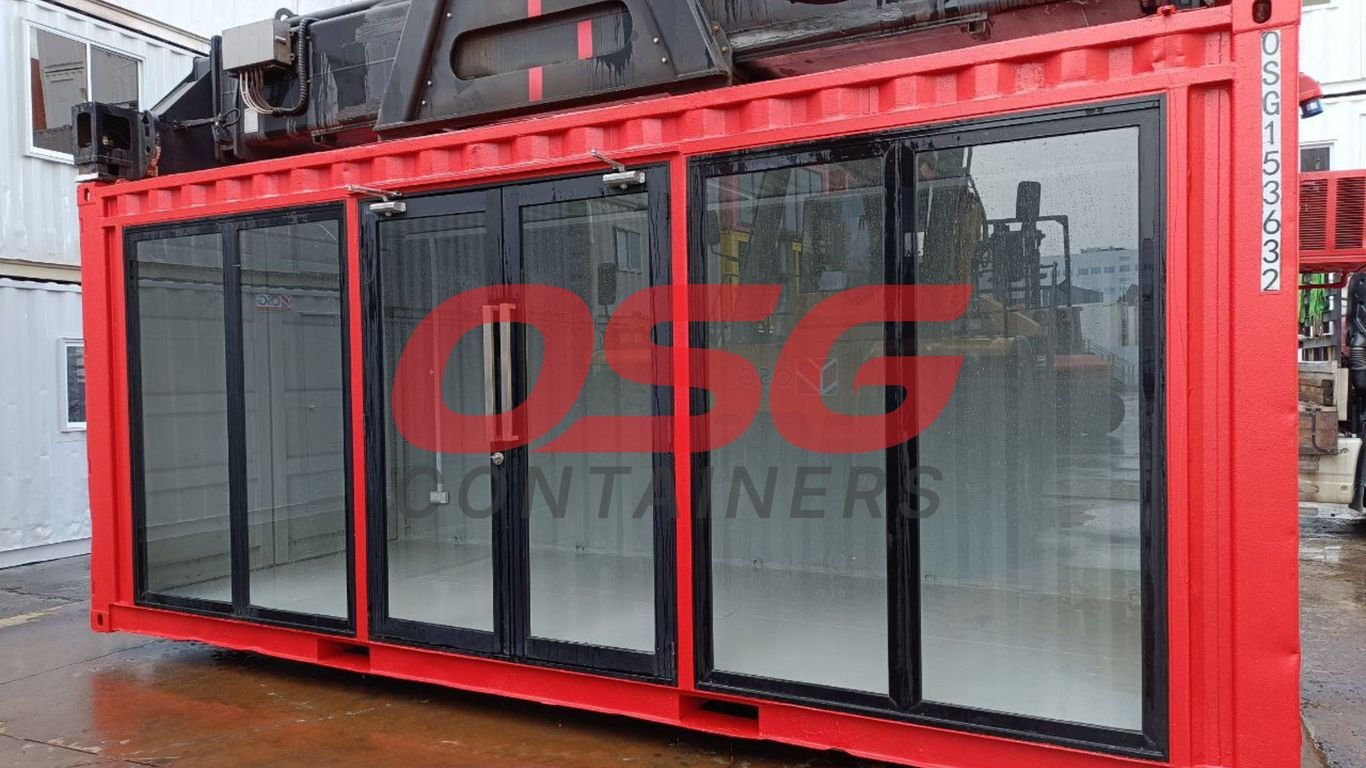
You know, when you think about shipping containers, the 20 ft size just pops up everywhere. It’s not the biggest, but it’s not tiny either, and that’s kind of its superpower. People use them for everything from storing tools on a job site to setting up a small shop. They’re built tough, easy to move around, and honestly, they just make sense for a lot of different situations. Let’s talk about why this particular container 20 ft size is such a go-to.
Key Takeaways
- The 20 ft container strikes a great balance between having enough space and being easy to handle, which is why it’s so popular.
- These containers are super adaptable, working well for simple storage, as workshops, or even for small retail setups.
- Built from strong Corten steel with secure doors, a container 20 ft is made to last and keep things safe.
- You can find both new and used 20 ft containers, plus options like High Cubes if you need a bit more height.
- They’re a smart choice because they’re affordable to buy and move, and they hold their value well if you decide to sell later.
The Enduring Popularity of the 20 Ft Container
Balancing Capacity and Convenience
When you think about shipping containers, the 20-foot size probably comes to mind first. It’s like the Swiss Army knife of the container world. It’s not too big that it’s a pain to move around, but it’s big enough to actually hold a decent amount of stuff. This sweet spot is a huge reason why so many people and businesses go for it. You get solid storage space without the headaches of dealing with a giant metal box. It’s just practical, you know?
A Global Standard in Logistics
These containers aren’t just popular; they’re practically everywhere. They’re built to strict international standards, which means they can hop on a ship, a train, or a truck without any fuss. This standardization is a big deal in shipping. It makes moving goods around the world way simpler and cheaper. Think of it like having a universal plug adapter for your cargo – it just works, no matter where it’s going. Even specialized types, like an open top container, follow similar size guidelines to fit into the global system.
Why the 20 Ft Container Is So Popular
So, what’s the big deal? Well, a few things really stand out. For starters, getting a 20 ft container delivered is usually a lot easier than a bigger one, especially if you don’t have a ton of space to work with. They fit into more places, like tight job sites or even a backyard. Plus, they’re pretty affordable. You get a good amount of space for your money, and they hold their value pretty well if you decide to sell it later. They’re made of tough steel, so they can handle pretty much any weather. It’s a solid, reliable choice that just makes sense for a lot of different needs.
The 20 ft container hits that perfect middle ground. It’s big enough to be useful for serious storage or transport, but small enough to be manageable in terms of delivery, placement, and cost. This balance is key to its widespread adoption.
Here’s a quick look at why they’re such a go-to:
- Easy to Move: Smaller size means simpler delivery and placement, even in tricky spots.
- Good Value: Offers a great amount of storage space for the cost.
- Built Tough: Made from strong steel to withstand the elements.
- Versatile: Works for storage, workshops, small businesses, and more.
- Global Fit: Standard dimensions mean easy transport anywhere.
Unpacking the Versatility of the 20 Ft Container
Adaptable for Diverse Storage Needs
When you think about a 20 ft container, you might just picture it filled with boxes on a ship. But honestly, these things are way more flexible than that. They’re not just for moving stuff; they’re fantastic for just keeping stuff safe and sound, too. Think about it – a construction site needs a place for tools and materials that won’t get rained on or stolen. A 20 ft container is perfect for that. Or maybe a small business has too much inventory and needs extra space for a few months. Yep, a container works. It’s like a portable, super-strong storage unit you can put almost anywhere.
Transforming into Functional Spaces
This is where things get really interesting. People are taking these metal boxes and turning them into all sorts of useful places. We’re talking about pop-up shops for events, little offices on remote job sites, or even extra storage sheds for your home. Some folks even get fancy and add insulation, windows, and electricity to make them into workshops or studios. It’s pretty wild how a basic container can become something totally different with a bit of work.
- Office Space: Add desks, lighting, and climate control for a temporary or permanent worksite office.
- Retail Kiosks: Create unique, eye-catching shops for markets or festivals.
- Workshops: Outfit with tools and benches for a dedicated crafting or repair space.
- Secure Storage: Ideal for valuable equipment, seasonal items, or sensitive documents.
Ideal for Job Sites and Retail
Job sites are often messy and temporary, right? A 20 ft container is a solid choice for keeping expensive tools and materials secure overnight or between workdays. It’s way better than leaving things out in the open. For retail, especially smaller businesses, these containers can be a lifesaver. Need extra room for holiday stock? Or maybe you want to set up a small, temporary storefront at a busy location? A 20 ft container can be set up pretty quickly and offers a secure, weather-proof spot for your goods.
The real beauty of the 20 ft container is its ability to be placed and used in locations where larger structures just wouldn’t fit or make sense. Its manageable size means less hassle with permits and site preparation, making it a practical solution for many different scenarios.
Key Features That Define the 20 Ft Container
Durable Corten Steel Construction
These containers are built tough, and a big reason for that is the material they’re made from: Corten steel. You might also hear it called weathering steel. Basically, it’s designed to form a protective rust-like layer on the outside when exposed to the elements. This layer actually helps shield the rest of the container from further corrosion. So, while it might look a bit rusty after a while, it’s actually a good thing! It means the container can handle pretty much anything the weather throws at it, from salty sea air to heavy rain and snow, without falling apart. They’re made to last, which is why you see them used all over the place, not just on ships.
Secure Double Cargo Doors
On one end of every standard 20 ft container, you’ll find a set of double doors. These aren’t just any doors; they’re heavy-duty and designed for security. They swing open wide, giving you full access to the container’s interior, which is super handy when you’re loading or unloading stuff. Plus, they come with robust locking mechanisms – usually strong bars that slide into place and can be secured with a padlock. This makes them a really safe place to store your belongings or valuable equipment. You don’t have to worry too much about break-ins with these doors.
ISO Compliance for Intermodal Transport
This is a big one. ISO compliance means these containers meet specific international standards set by the International Organization for Standardization. Why does that matter? Because it means a 20 ft container is designed to work with pretty much any mode of transport globally. It can hop off a ship, get loaded onto a train, and then onto a truck without any special modifications. This ‘intermodal’ capability is what makes the global shipping system work so smoothly. It’s like having a universal adapter for your cargo. You know it’ll fit, no matter where it’s going or how it’s getting there.
| Feature | Specification |
|---|---|
| Material | Corten Steel (Weathering Steel) |
| Doors | Double, outward-swinging cargo doors |
| Locking System | Heavy-duty bars, padlockable |
| Intermodal Compatibility | Ships, trains, and trucks |
| Standard Compliance | ISO (International Organization for Standardization) |
The standardized design and robust construction of 20 ft containers are not just about moving goods; they’re about creating a reliable, secure, and universally compatible unit that can withstand the rigors of global transit and serve as a dependable static storage solution.
Navigating Your 20 Ft Container Options
New vs. Used: Making the Right Choice
When you’re looking at a container 20 feet long, the first big decision is whether to go for a new one or a used one. It really comes down to what you need and what your budget looks like. New containers, often called ‘one-trip’ containers, have only made one journey from the factory. They look great, have a longer lifespan ahead of them, and are perfect if you plan on doing a lot of modifications or if the container will be in a visible spot.
On the flip side, used containers are usually a bit older, maybe 10-15 years. They might have some dents, a bit of surface rust, or general wear and tear, but a good supplier will guarantee they’re wind and watertight. These are a fantastic option if you’re trying to save money and just need a solid, reliable space for storage or a workshop. For most basic storage needs, a used 20 feet container offers incredible value.
Understanding High Cube Variations
Beyond the standard height, there’s also the ‘High Cube’ version of the 20 ft container. Think of it as the standard container’s taller sibling. It adds about a foot of extra height, bringing the total to 9 feet 6 inches. This extra vertical space can be a game-changer if you need to store tall equipment, set up multi-level shelving, or just want more room to move around inside.
It’s important to know that 20 ft High Cube containers are typically only available as new or one-trip units. They aren’t as common as the standard ones, so availability can be limited, and they usually cost a bit more. If you don’t specifically need that extra height, the standard 20 ft container is generally easier to find and more budget-friendly.
Considering Modifications and Customization
One of the coolest things about a 20 feet container is how adaptable it is. You can take a basic container and turn it into almost anything. Need extra shelving for your tools? Easy. Want to add electrical wiring for lights and power? Totally doable. Insulation for temperature control? Yep. You can even add roll-up doors, paint it to match your business colors, or add custom branding.
These modifications can really transform a simple shipping container into a functional workshop, a small office space, a secure storage unit for sensitive equipment, or even a unique retail kiosk. It’s all about figuring out what you need the space to do and then tailoring the container to fit that purpose.
The beauty of the 20 ft container lies in its blank-slate nature. While they are built tough for global shipping, their real strength for everyday users comes from their potential to be reshaped and repurposed. This adaptability means you’re not just buying a box; you’re investing in a foundation for a custom solution, whether that’s for business, storage, or a personal project.
Practical Advantages of the 20 Ft Container
Cost-Effectiveness and Value
When you’re looking at shipping containers, the 20-footer really hits a sweet spot for a lot of people. It’s not the biggest, but it’s also not the smallest, and that middle ground often means better pricing. You get a good amount of space for your stuff without paying for a whole lot of extra metal you might not need. Think about it like buying a car – sometimes the mid-size sedan is just the most sensible option for your daily commute and weekend errands. This size is no different for storage or shipping needs. It offers a solid bang for your buck, especially when you compare the cost per square foot to its larger cousins.
Ease of Delivery and Placement
Getting a container where you need it can be a whole thing, right? Well, the 20 ft container is generally much easier to handle than a 40 ft one. Its smaller footprint means it can often fit into tighter spots, like smaller driveways, more crowded job sites, or areas with tricky access roads. This makes the whole delivery process smoother and less stressful. You’re less likely to run into issues with overhead wires, narrow gates, or needing a super specialized truck. It just makes life a bit simpler when it comes to getting that container set up.
Strong Resale Value and Longevity
These containers are built tough, made from Corten steel that’s designed to stand up to the elements. That means they last a long time, whether they’re out at sea or sitting on your property. And here’s a cool part: because they’re so popular and useful, they tend to hold their value pretty well. When you’re done with it, you can often sell it to someone else who needs it, recouping some of your initial investment. It’s not just a one-time purchase; it’s something that can have a second life and still be useful.
The durability of these steel boxes means they can serve multiple purposes over their lifespan. From initial shipping to long-term storage, or even a creative conversion project, they’re designed to endure. This longevity is a big part of why they make financial sense.
Here’s a quick look at what makes them last:
- Corrosion-Resistant Steel: The Corten steel used is specifically made to resist rust and weathering.
- Robust Construction: They are built to withstand stacking, heavy loads, and rough handling.
- Weather Protection: Designed to keep cargo dry and secure from rain, wind, and pests.
- Simple Design: Fewer moving parts or complex systems mean less can go wrong.
Common Applications for the 20 Ft Container
Secure Storage Solutions
When you need to keep things safe and out of the way, a 20 ft container is a solid choice. Think about tools and equipment on a construction site, extra inventory for a shop, or even seasonal items from your home. These containers are built tough, made from Corten steel, which means they can handle pretty much any weather thrown at them. They’re basically a ready-made, super secure shed that you can put almost anywhere. Plus, their standard size makes them easy to move around if you need to relocate your storage.
Workshops and Garages
Ever thought about having a dedicated space for your projects or car? A 20 ft container can easily become a workshop or a compact garage. You can outfit them with workbenches, tool chests, and even basic electrical hookups. It’s a great way to get a functional workspace without the hassle of building something from scratch. Many people find they offer just the right amount of space for hobbies or small business needs.
Retail Kiosks and Modular Builds
These containers are also super popular for businesses looking for flexible retail spaces. You can turn a 20 ft container into a cool pop-up shop, a coffee stand, or even a small office. They’re relatively quick to set up and can be branded to match your business. It’s a cost-effective way to test out a new location or create a unique customer experience. Think about those trendy little shops you see popping up – a lot of them start life as shipping containers.
Emergency Relief and Warehousing
In times of need, 20 ft containers can be deployed quickly to store essential supplies, temporary shelters, or medical equipment. Their durability and ease of transport make them ideal for disaster relief efforts. For businesses, they can serve as overflow warehousing, providing extra space for goods without needing to build a permanent structure. They’re a practical solution for managing inventory during busy periods or for companies that need flexible storage capacity.
The Little Container That Could
So, after looking at all this, it’s pretty clear why the 20-foot container is such a big deal. It just hits that sweet spot for a lot of people. It’s not too big to handle, but it’s big enough to get the job done, whether that’s storing stuff, setting up a small workshop, or even just keeping your tools safe on a job site. Plus, they’re not a nightmare to get delivered or move around. For most everyday needs, this size just makes sense. It’s a solid, reliable choice that doesn’t break the bank and works for a ton of different things. Honestly, it’s hard to go wrong with a 20-footer.
Frequently Asked Questions
What are the basic sizes of a 20 ft container?
A standard 20 ft container is about 20 feet long, 8 feet wide, and 8.5 feet tall. There’s also a ‘High Cube’ version that’s a foot taller, making it 9.5 feet high. This extra height is great if you need to stack things or store taller items.
Why is the 20 ft container so popular?
It’s popular because it’s a great all-around size. It’s not too big to be hard to move, but it’s large enough to hold a lot of stuff. Think of it like a really strong, portable storage unit that can go almost anywhere.
Can I use a 20 ft container for more than just storage?
Absolutely! People turn them into workshops, small offices, garages, retail shops, and even extra rooms. They’re built tough, so they can be changed into many different useful spaces.
Is it hard to get a 20 ft container delivered?
Nope, they’re much easier to deliver than bigger containers, like the 40 ft ones. Their smaller size means they can fit into tighter spots, like driveways or smaller job sites, without much trouble.
Should I buy a new or used 20 ft container?
If you want it to look great and last as long as possible, a new one (called ‘one-trip’) is best. If you’re on a tighter budget and just need a solid place to store things, a used one that’s still strong and waterproof is a good choice.
What kind of stuff can fit inside a 20 ft container?
You can fit a standard car, several motorcycles, lots of boxes on pallets, gardening tools, or even set up a small workshop inside. It holds about 1,170 cubic feet of space, which is quite a bit!