Singapore
 Australia
 Indonesia
 Japan
Japan Malaysia
 New Zealand
 Philippines
 South Korea
 Taiwan
 Thailand
 VIETNAM
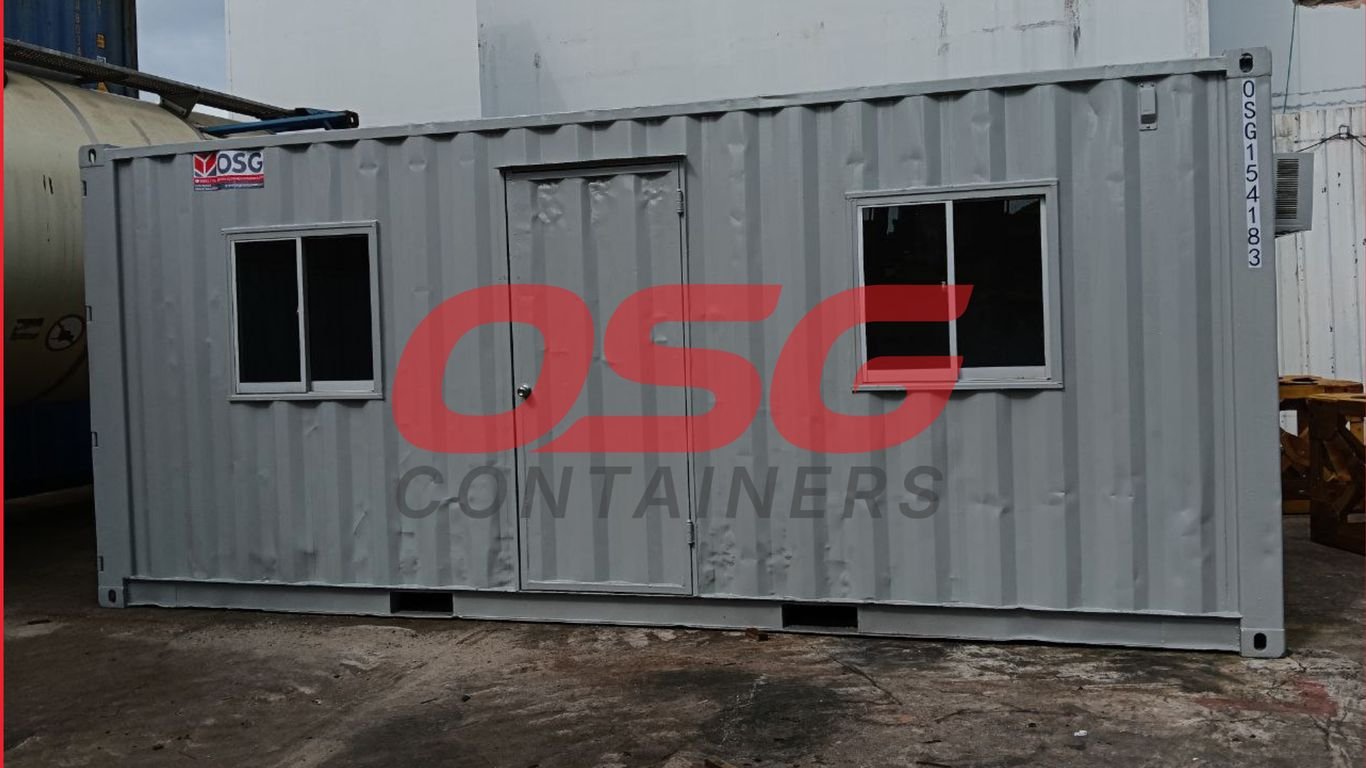
So, you’re looking into shipping containers and wondering which size is the best fit for your project. It’s easy to get lost in all the options, but honestly, the 20 ft container is a real standout for a lot of reasons. It’s not the biggest, sure, but it hits that sweet spot for being practical, affordable, and super useful. We’re going to chat about why this particular size, the container 20 ft, is such a go-to for so many different jobs, from moving house to running a business.
Key Takeaways
- The 20 ft container is a cost-effective choice, especially for heavy or dense cargo, offering good value without the expense of larger units.
- These containers are globally available and easy to transport by ship, train, or truck, simplifying logistics.
- Beyond shipping, a 20 ft container provides secure and affordable on-site storage, protecting goods from the elements.
- Its manageable size makes the 20 ft container ideal for small to medium projects, conversions, and navigating tight spaces.
- You can fit a significant amount of goods, like a car or household items, into a 20 ft container, with careful loading maximizing space.
The Enduring Appeal Of The 20 Ft Container
So, why is the 20-foot container still such a big deal in the world of shipping and storage? It really comes down to a few solid reasons that make a lot of sense for a ton of different projects. They’re not the flashiest, but they get the job done reliably.
Cost-Effectiveness For Dense And Heavy Cargo
Let’s be real, nobody likes spending more money than they have to. The 20-foot container hits a sweet spot when it comes to cost. It’s significantly cheaper to buy or rent than its bigger siblings, like the 40-footer. This makes it a really smart choice when you’ve got stuff that’s heavy or dense. You get a good amount of usable space without paying for a bunch of empty air, which is just good sense.
Global Availability And Ease of Transportation
These containers are practically everywhere. They’re the backbone of international trade, so finding one when you need it is usually pretty easy. Because they’re so common, moving them around – whether by truck, train, or ship – is a well-practiced process. This global network means you’re not going to be stuck waiting around for a container to show up.
Affordable And Secure On-Site Storage Solutions
Need extra space right where you are? A 20-foot container can be delivered to your property and act as a secure storage unit. Think about renovations, storing seasonal inventory, or just needing a safe place for tools and equipment. It’s often way cheaper than renting warehouse space, and you don’t have the hassle of moving things back and forth. Plus, they’re built tough, keeping your stuff safe from the weather and anyone who shouldn’t be getting into it. Even specialized types like an open top container can be a practical storage solution if access is tricky.
These containers are built to withstand tough conditions, from salty sea air to bumpy roads. Their strong steel construction means whatever you put inside is protected from rain, wind, and sun. This gives you peace of mind, whether your goods are in transit or just sitting on your site.
Here’s a quick look at why they’re so popular:
- Built tough: Made from strong steel, they can handle a lot.
- Easy to move: Their standard size means they fit into existing transport systems.
- Widely available: You can find them all over the world.
- Versatile: Usable for shipping, storage, and even conversions.
Versatile Applications For The 20 Ft Shipping Container
So, you’ve got a 20 ft container. What can you actually do with it? Turns out, quite a lot. These things aren’t just for hauling stuff across the ocean anymore. They’ve become super handy for all sorts of jobs, big and small.
Transporting Household Goods and Personal Belongings
Moving house? Or maybe just need to stash some stuff for a while? A 20 ft container is a solid choice. It’s big enough for most people’s belongings without being a total pain to move. Think furniture, boxes, that weird collection of garden gnomes – it all fits. Plus, they’re built tough, so your stuff stays protected from the elements during the move.
Shipping Vehicles: Cars, Motorcycles, and More
Got a car you need to ship overseas? Or maybe a couple of motorcycles? A 20 ft container can handle it. You can often fit one standard car inside, sometimes even two smaller ones if you’re clever with the loading. For bikes, you can usually get a few in there. It’s a much more secure way to transport vehicles than just strapping them onto an open deck.
Supporting Small Businesses and Retail Stock
Small businesses are really getting creative with these containers. Need extra storage for inventory? A 20 ft container parked at your warehouse or shop is way cheaper than renting more space. Some businesses even turn them into pop-up shops or temporary retail spaces. Imagine a cool little boutique or a coffee stand operating out of a converted container – it’s a real thing!
Storing and Transporting Construction Materials
Construction sites can be chaotic. A 20 ft container is a lifesaver for keeping tools, materials, and equipment safe and organized. You can load it up with lumber, bricks, bags of cement, or whatever else you need on site. It keeps things out of the weather and deters theft. Plus, when the job moves, you just move the container. It’s like a mobile tool shed that can hold a surprising amount.
These containers are basically blank canvases. You can adapt them for so many different needs, from simple storage to becoming a functional workspace or even a small retail spot. Their strength and size make them a practical choice for a lot of different situations.
Need a place to work that’s not your kitchen table? A 20 ft container can be a surprisingly comfortable and functional container office. You can add windows for natural light and ventilation to keep things fresh. Think about adding some basic insulation, especially if you’re in a place with wild temperature swings. It makes a huge difference in comfort. Plus, you can get electricity hooked up for lights, computers, and all your gadgets. It’s a solid, affordable alternative to building a new structure, and you can set it up pretty much anywhere.
Understanding The 20 Ft Container’s Capacity And Dimensions
Key Capacity Metrics For The Container 20 Ft
When you’re figuring out if a 20 ft container is the right fit for your project, knowing its exact size and how much it can actually hold is pretty important. It’s not just about the outside measurements; it’s the usable space inside that really counts. This container is a workhorse, offering a solid amount of room without being overly massive.
Here are the typical specs you’ll find:
- External Dimensions: Around 20 feet long, 8 feet wide, and 8.5 feet high. This is the standard size you’ll see on trucks and ships.
- Internal Dimensions: Slightly less, usually about 19 feet 4 inches long, 7 feet 8 inches wide, and 7 feet 10 inches high. This is where the magic happens for your stuff.
- Volume (Cubic Meters): Most 20 ft containers offer about 33 cubic meters (CBM) of total space. Think of this as the theoretical maximum.
- Usable Volume: In practice, you might get closer to 25-28 CBM of usable space. This accounts for how items are packed, securing them, and any odd shapes.
- Maximum Payload: These containers can typically handle around 28,000 kg of cargo. It’s good to know this, especially if you’re moving heavy items where weight might be a bigger limit than space.
Practical Loading Strategies For Efficient Space Utilization
Just knowing the numbers isn’t enough; you’ve got to pack it smart. How you load a 20 ft container can make a big difference in how much actually fits and how safely it travels.
- Heavy items go on the bottom: This keeps the center of gravity low and prevents lighter things from getting crushed.
- Fill the gaps: Use smaller items or packing materials to fill any empty spaces. This stops things from shifting around during transit.
- Stacking is key: If possible, stack items securely. Make sure taller stacks are stable and don’t overload the top layers.
- Consider the door opening: Plan your loading so that the most important or heaviest items are accessible when you need to unload.
Loading a container isn’t just about shoving things in. It’s a puzzle where you want to fit as much as possible while making sure it all stays put and doesn’t get damaged. Thinking ahead about how things will be arranged can save you a lot of headaches later.
Standard Pallet Configurations In A 20 Ft Container
If you’re shipping goods that come on pallets, knowing how they fit is a game-changer for maximizing space in your 20 ft container. This is super common in logistics and business.
- Standard US Pallets (40" x 48"): You can typically fit 10 of these on the floor of a 20 ft container, arranged in two rows of five. You might be able to fit more if you can stack them, but that depends on your cargo.
- Standard Euro Pallets (800mm x 1200mm): These are a bit smaller. You can usually fit 11 Euro pallets in a single layer inside a 20 ft container.
- Mixed Configurations: Sometimes, you might mix pallet sizes or use different packing methods to get the most out of the space. It really depends on what you’re shipping.
Getting the pallet layout right means you can move more goods in one go, which usually saves money and time.
Why The 20 Ft Container Is Ideal For Many Projects
So, you’re looking at a project and wondering about the best way to handle your stuff, whether it’s moving, storing, or building. The 20-foot container often pops up as a top choice, and honestly, it makes a lot of sense for a bunch of different situations. It’s not too big, not too small, and just seems to hit that sweet spot for a lot of people.
Perfect For Small To Medium-Sized Projects
When you’ve got a project that isn’t massive, a 20-foot container is usually just right. Think about moving a smaller apartment, setting up a temporary workshop, or even starting a tiny home build. It’s got enough room for your essentials without being a giant metal beast that’s hard to place or move. You can fit a good amount of furniture, tools, or materials inside, keeping everything organized and protected.
- Moving house: Enough space for a one or two-bedroom home’s contents.
- Small business inventory: Secure storage for retail stock or supplies.
- Workshop or studio: A compact, dedicated space for creative or repair work.
- Event storage: Holding equipment or supplies for festivals or markets.
Excellent For Conversions And Custom Builds
These containers are practically blank slates, and the 20-foot size is super popular for turning into something else. Because they’re a manageable size, people are using them for all sorts of cool projects. You see them as backyard offices, art studios, pop-up shops, or even small living spaces. They’re sturdy, weather-resistant, and with a bit of work, can be transformed into something really functional and unique. It’s a great way to get a custom space without the huge cost of traditional construction.
The beauty of a 20-foot container for conversions lies in its standardized dimensions and robust steel structure. This makes planning and modification more straightforward, allowing for easier integration of windows, doors, insulation, and utilities.
A Manageable Footprint For Various Applications
One of the biggest wins for the 20-foot container is its size. It doesn’t take up a massive amount of space on your property or at a job site. This is a big deal if you have limited yard space, are working in a tight urban area, or just don’t want a giant container dominating your view. It’s easy to get delivered, positioned, and picked up, which simplifies the logistics quite a bit. You can often fit one on a standard driveway or a small lot without causing too much disruption.
Key Advantages Of Opting For A 20 Ft Container
Cost Savings Compared To Larger Units
When you’re looking at shipping or storage options, the price tag is usually a big factor. The 20-foot container really shines here. It’s significantly cheaper to buy or rent than its bigger siblings, like the 40-foot model. This makes it a smart pick, especially if you’ve got goods that are heavy or dense. You get a good amount of space without paying for a lot of empty air, which is just good sense.
Accessibility And Ease Of Maneuvering
These containers are pretty easy to get around. Because they’re not as massive as larger units, they can be moved and placed in more spots. Think about tight city streets or smaller job sites; a 20-footer can often fit where a 40-footer just wouldn’t. Special trucks can deliver and position them without too much fuss, making the whole process smoother.
Robust Construction For Enhanced Security
Don’t let the simple look fool you. These containers are built tough. They’re made from strong steel, designed to handle rough seas and tough weather. This means your stuff inside is protected from rain, wind, and sun. Plus, they’re pretty secure against theft, especially when you add a good lock. It’s a reliable way to keep your belongings safe.
Widespread Availability Across Global Networks
Finding a 20-foot container is usually not a problem. They are the most common size you’ll see in ports and shipping yards all over the world. This means you can generally get one when you need it, and moving it from one country to another is a well-established process. It’s like they’re everywhere, which makes planning logistics much simpler.
The 20-foot container strikes a great balance. It’s big enough for a lot of different jobs, but small enough to be manageable and affordable. This sweet spot is why it’s so popular for so many projects, from moving house to storing business inventory.
Practical Loading Strategies For Efficient Space Utilization
Getting the most out of your 20-foot container means packing it smart. It’s not just about throwing things in; there’s a bit of a knack to it. Here are some pointers:
- Pallet Placement: Standard pallets (around 1.2m x 1.0m) usually fit about 9-10 on the floor, often in two rows. Euro pallets are smaller and you can fit more, maybe 11.
- Weight Distribution: Always put heavier items at the bottom and towards the center of the container. This keeps it stable during transport and prevents damage.
- Filling Gaps: Use smaller items, packing materials, or even blankets to fill any empty spaces. This stops things from shifting around and getting damaged.
- Vertical Space: If your items are sturdy, consider stacking them. Just make sure the lower items can handle the weight and that nothing is too tall to be secured.
When To Choose A 20 Ft Container Over Alternatives
So, you’re looking at shipping or storage options and wondering if the 20 ft container is the right fit. It really comes down to what you’re moving and where you’re moving it. While bigger containers might seem like they offer more bang for your buck, the 20-footer often wins out for specific situations. It’s not always about having the most space; sometimes, it’s about having the right amount of space and the ability to get it where it needs to go without a fuss.
Ideal For Shipments Where Weight Is Crucial
When you’re dealing with dense, heavy items, the 20 ft container shines. Think machinery, metal parts, or even certain types of building materials. These goods can quickly reach the weight limit of a container before they even fill up the space. Opting for a 20 ft container means you can maximize your payload without paying for the extra volume you don’t need. It’s a smart way to manage costs when every pound counts.
Suitable For Limited Space Or Restricted Locations
Let’s be real, not everyone has a massive yard or a loading dock the size of a football field. A 20 ft container is much more manageable than its larger counterparts. It can fit into tighter spots, making it perfect for urban deliveries, smaller construction sites, or even residential driveways. Getting it delivered and positioned is generally easier, and it requires less maneuvering room, which can be a lifesaver in congested areas.
A Cost-Effective Solution For Heavy Cargo
When comparing costs, the 20 ft container often presents a more budget-friendly option, especially if you’re not filling a larger container to capacity. While a 40 ft container might offer roughly double the space for only about 30% more cost, this calculation changes when you’re shipping heavy items. The shipping costs themselves for a 20 ft container are typically lower due to its smaller size and lighter weight. This makes it a more economical choice for transporting significant weight without needing vast amounts of volume.
Here’s a quick look at why the 20 ft container is often the go-to:
- Weight vs. Volume: Best when your cargo is heavy but doesn’t take up a lot of space.
- Accessibility: Easier to place and move in tight or restricted areas.
- Budget: Often cheaper to rent, buy, and transport than larger units.
- Global Network: Widely available, simplifying logistics.
Choosing the right container size is a practical decision that impacts your budget and logistics. For many projects, especially those involving dense cargo or operating in space-constrained environments, the container 20 feet offers a balance of capacity, cost, and maneuverability that larger options just can’t match. It’s about efficiency, plain and simple.
The Little Box That Could
So, after looking at all the ways these 20-foot containers can be used, it’s pretty clear why they’re so popular. They just make sense for a lot of different jobs. Whether you’re moving your stuff, need a place to keep things safe, or even want to build something cool, this container size hits a good balance. It’s not too big to handle, but it’s big enough to get the job done. Plus, they’re easy to find and don’t cost an arm and a leg. For many projects, big or small, the 20-footer really is the go-to choice.
Frequently Asked Questions
What are the outside and inside sizes of a 20 ft container?
A standard 20 ft container is about 20 feet long, 8 feet wide, and 8.5 feet tall on the outside. Inside, it’s a bit smaller, around 19.3 feet long, 7.8 feet wide, and 7.9 feet tall. The walls take up a small amount of space.
How much can I fit inside a 20 ft container?
You can fit about 1,172 cubic feet of stuff inside a 20 ft container. That’s like having a medium-sized room to fill. It can hold roughly 33 cubic meters of goods, which is a good amount for many different kinds of cargo.
What is the heaviest weight a 20 ft container can carry?
A 20 ft container can usually carry up to about 48,000 pounds (or around 21,700 kilograms). This is called its maximum payload. It’s really important not to pack more than this, as it can be unsafe and cause problems.
Can I put a car inside a 20 ft container?
Yes, you often can! A typical car fits inside a 20 ft container, and sometimes you might even be able to fit two smaller cars. You just have to be smart about how you park and secure them inside.
Are 20 ft containers a good choice for moving my household items?
Absolutely! A 20 ft container is a popular choice for moving household items. It’s big enough to hold most of the furniture and belongings from a smaller home, like a 2-bedroom apartment. It’s a sturdy and secure way to move your things, especially over long distances.
Why do businesses like using 20 ft containers?
Businesses love 20 ft containers because they’re a great size for moving a lot of goods without being too big or too expensive. They’re easy to move around the world on ships, trains, and trucks. Plus, they’re strong and keep things safe from the weather, making them perfect for storing stock or shipping products.