Singapore
 Australia
 Indonesia
 Japan
Japan Malaysia
 New Zealand
 Philippines
 South Korea
 Taiwan
 Thailand
 VIETNAM
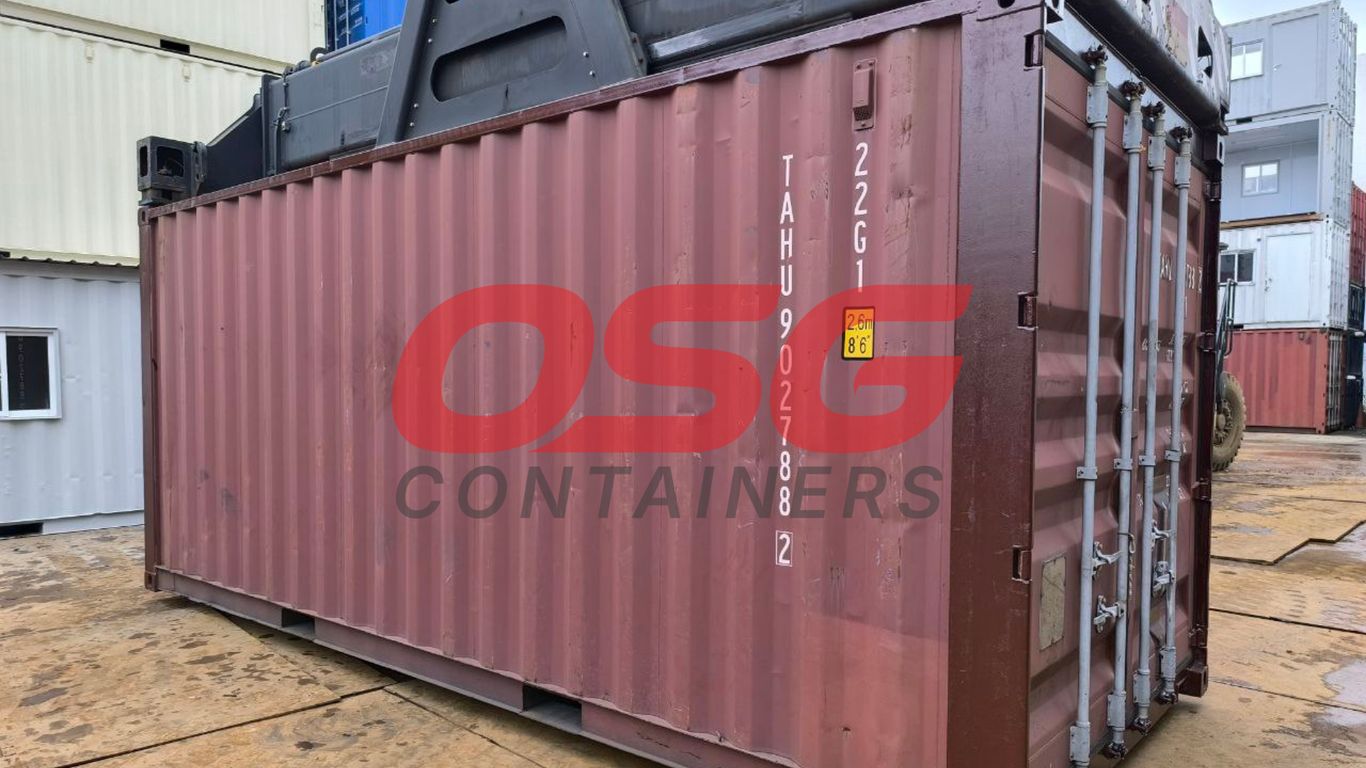
Thinking about how to get more out of your space? Maybe you’ve got a business that needs more room, or you’re just trying to store things better at home. Well, a 20ft container might be the answer you’re looking for. It’s a pretty common size, and people are finding all sorts of ways to use them, not just for shipping. We’re going to look at how you can really make one of these containers work for you, from understanding its size to packing it up smart.
Key Takeaways
- A standard 20ft container offers about 160 square feet of external space and roughly 1,172 cubic feet of internal volume, making it a versatile option.
- To maximize storage, pack heavy items low, break down large furniture, stack items uniformly, and fill any empty gaps to stop shifting.
- These containers are used for many things, like tiny homes, small shops, site storage for businesses, and secure places for valuables.
- Built from strong steel with good locks, a 20ft container provides security and holds up well against weather, but be mindful of weight limits.
- Using a 20ft container is often a budget-friendly choice compared to building new structures, offering a durable and practical solution for various needs.
Understanding The 20 Footer Container’s Dimensions
So, you’re looking at a 20-foot container and wondering what exactly you’re working with. It’s a pretty standard size, and for good reason. It hits that sweet spot between being big enough for a lot of projects but not so massive that it’s a pain to handle. Before you start dreaming up your tiny home or your new workshop, let’s get down to the nitty-gritty of its size.
External Measurements And Footprint
The outside of a typical 20-foot container is pretty straightforward. Think of it as the box itself. It’s 20 feet long, 8 feet wide, and stands about 8 feet 6 inches tall. This means when you place it down, it takes up a footprint of roughly 160 square feet. That’s the actual ground space it occupies, so make sure you’ve got enough room for it, plus a little wiggle room around the edges for access or whatever else you might need.
Internal Usable Space
Now, the inside is where things get a bit more practical for your project. Because of the container’s walls, you lose a few inches all around. You’re generally looking at an interior length of about 19 feet 8 inches, a width of around 7 feet 8.5 inches, and a height of nearly 7 feet 10 inches. This gives you a usable floor space that’s a bit less than the external footprint, but it’s the space you’ll actually be filling or building within.
Here’s a quick breakdown of what you’re working with:
| Dimension | External (Approx.) | Internal (Approx.) |
|---|---|---|
| Length | 20 ft | 19 ft 8 in |
| Width | 8 ft | 7 ft 8.5 in |
| Height | 8 ft 6 in | 7 ft 10 in |
Volume And Cubic Capacity
Beyond just the floor area, there’s the volume to consider. This is how much ‘stuff’ you can theoretically fit inside. A standard 20-foot container holds about 1,172 cubic feet. That sounds like a lot, and it is, but remember you can’t perfectly fill every nook and cranny. Oddly shaped items or the need for pathways mean you won’t hit that maximum volume in reality. It’s good to know the total capacity, though, when you’re planning how much you can store or build.
Knowing these exact measurements is key. It helps you plan out exactly what will fit and how much you can realistically store or build inside. It’s the foundation for making the most of your container space.
Maximizing Storage Within Your 20 Footer Container
So, you’ve got this 20-foot container, and now the big question is how to fit everything you need inside without it becoming a chaotic jumble. It’s a common puzzle, really. You want to use every inch, but you also don’t want to spend ages digging for something later. Let’s talk about making that space work for you.
Strategic Packing and Loading Techniques
Getting things into your container efficiently is key. Think about how you’d pack a moving truck, but with more permanence. The goal is to create a stable, organized load that uses the entire volume. It’s not just about shoving things in; it’s about planning.
- Break down large items: If you have furniture or equipment that can be taken apart, do it. This makes them easier to pack and takes up less awkward space. Keep all the parts and hardware together in a labeled bag.
- Stack heavier items first: Always put the heaviest, sturdiest items at the bottom and towards the front (the end with the doors). This prevents lighter things from getting crushed and makes the whole load more stable.
- Use uniform packing units: Boxes, crates, or pallets are your best friends here. They create neat, stackable units that fit together much better than random shapes. If you’re using boxes, try to get them in similar sizes.
Break Down Large Items
When you’re dealing with bulky items like furniture or machinery, taking them apart can make a huge difference. Think about a disassembled bed frame versus a fully assembled one – the frame is much easier to slide into place and takes up less awkward space. Remember to keep all the screws, bolts, and any small parts together in a sealed bag, and label it clearly so you don’t lose anything. This simple step can free up a surprising amount of room.
Stack Heavier Items First
This is a golden rule for both storage and transport. Put your heaviest, most robust items at the very bottom of your stack. This does two things: it creates a solid foundation, and it stops lighter, more delicate things from being crushed under the weight. Also, consider placing these heavier items towards the door end of the container. This helps with stability when the container is being moved and makes unloading a bit easier.
Fill Gaps For Stability
Once your main items are loaded, you’ll likely have some empty spaces. Don’t just leave them! Use smaller boxes, packing blankets, old clothes, or even bubble wrap to fill these gaps. This prevents your carefully arranged items from shifting around, which is especially important if the container will be moved. A tightly packed container is a stable container, protecting your belongings from damage.
Remember, the goal is to create a load that is not only space-efficient but also secure. Anything that can move or shift can cause damage, either to itself or to other items, especially if the container is transported.
Diverse Applications For A 20 Footer Container
So, you’ve got a 20 ft container, maybe a used one, and you’re wondering what else it can do besides just holding onto your stuff. Turns out, these metal boxes are way more adaptable than you might think. They’re not just for shipping goods across the ocean anymore; people are getting pretty creative with them, and businesses are finding them super useful too.
Residential Solutions: Tiny Homes And DIY Projects
Lots of folks are turning these cargo containers into actual homes or extra living spaces. It’s a way to get a place that’s often cheaper and, honestly, kind of cool. You can stack them, put them together, whatever works for your space. It’s a big deal for people who want to build their own place without all the usual hassle. Plus, using an old container is better for the planet than making brand new building materials. Think backyard offices, guest rooms, art studios, or even a pool house. Their strong metal shell means they can handle a lot, and you can really make them your own inside. A 20 ft container offers about 160 square feet of interior space, which is enough for a compact living area, a small office, or a dedicated hobby room.
Commercial Needs: Retail And Site Storage
Businesses can get a lot of mileage out of a 20 ft container too. Need extra inventory space? A pop-up shop location? A secure spot for tools on a job site? A 20 ft container fits the bill. It’s much less expensive than building an addition or renting commercial warehouse space, especially for temporary needs. They’re durable, so they hold up well against weather and wear. This means less worry about your stored goods. For companies watching their spending, these containers offer a lot of utility for the money. They’re a flexible asset that can be moved as your business needs change. Construction sites, for example, need a safe spot for tools and materials, and a 20 ft container is perfect for that. It keeps everything dry and secure, and you can move it around as the job site changes. Retailers use them for extra inventory, especially during busy seasons, or even as pop-up shops. The locks keep things safe, and you can set them up pretty much anywhere for a short time.
Creating Portable Office Spaces
Need a dedicated workspace away from home or a temporary office on a remote job site? A 20 ft container can be transformed into a functional and secure office. With basic modifications like adding insulation, windows, and electrical hookups, you can create a comfortable environment. This is a great option for businesses that need a mobile office solution that can be relocated as projects move or business needs change. It’s a practical and often more affordable alternative to traditional office rentals or construction.
The 20 foot container is a versatile building block, adaptable for everything from personal living spaces to commercial operations.
Cost-Effective Solutions With A 20 Footer Container
Affordable Alternative To Traditional Builds
When you’re looking at needing extra space, cost is usually a big factor. The 20-foot container really shines here. It’s not just about the initial price, though that’s pretty good. Think about it as a smart investment for your home or business. For individuals, a 20ft container can be way cheaper than renting a storage unit month after month. You buy it once, and it’s yours. You can put it on your property, so no more driving across town to get to your stuff. It’s a solid way to manage belongings during a move, renovation, or just to clear out the garage. Plus, you can often find good deals when you buy used container options, which are still really sturdy. It’s a practical choice for anyone needing extra room without a huge ongoing expense. Businesses are finding these containers super useful too. Construction sites, for example, need a safe spot for tools and materials, and a 20ft container is perfect for that. It keeps everything dry and secure, and you can move it around as the job site changes. Retailers use them for extra inventory, especially during busy seasons, or even as pop-up shops. The locks keep things safe, and you can set them up pretty much anywhere for a short time. This is a much more budget-friendly approach compared to building an extension or even renting a larger 40 feet container if your needs are more modest.
Long-Term Durability Benefits
These containers are built tough. They’re made from strong steel, designed to handle rough seas and tough weather. This means they last a long time. If you buy a new one, you’re looking at decades of use. Even a good quality used container can give you many years of service. This durability means you don’t have to worry about constant repairs or replacements, which adds to the overall cost savings over time. It’s a one-time purchase that provides reliable storage for a very long period, making it a sensible financial decision. Unlike temporary solutions, a renting container agreement might seem cheaper initially, but over years, the cost adds up.
Utility For The Money
When you consider the versatility and lifespan, a 20ft container offers incredible value. You’re not just buying storage; you’re acquiring a flexible asset that can be adapted for various uses. Whether it’s for inventory, a pop-up shop, or even a small office space, the utility you get for the price is hard to beat. It’s a smart move for businesses looking to maximize their budget without sacrificing functionality.
Here’s a quick look at why they’re a smart financial choice:
- Initial Cost: Significantly less than traditional construction or long-term rentals.
- Lifespan: Decades of use with minimal maintenance.
- Versatility: Adaptable for numerous applications beyond basic storage.
- Security: Robust steel construction and locking mechanisms.
The initial outlay for a 20ft container is significantly less than traditional construction, and its robust build means minimal maintenance. This translates to lower overall costs, especially when you factor in the extended lifespan and potential for repurposing.
Foundations For Your 20 Footer Container Project
So, you’ve got your 20-footer, and you’re thinking about what to do with it. Whether it’s a tiny home, a workshop, or just extra storage, you can’t just plop it down anywhere. It needs a solid base. That’s where foundations come in. Think of it like building a house – you wouldn’t skip the foundation, right? Same idea here, but on a smaller scale.
What Is A Container Foundation And Why Do You Need One?
A container foundation is basically what your shipping container sits on. It’s not just about keeping it off the wet ground, though that’s a big part of it. A good foundation does a few important things. First, it keeps the container level. If it’s not level, doors might not close right, and things inside could shift. Second, it helps spread the weight of the container and whatever’s inside it over a larger area of ground. This stops the container from sinking into the soil, especially if the ground isn’t super firm. Lastly, it provides a secure anchor point, which is important if you’re building something more permanent or if you live in an area with strong winds.
Foundation Design Considerations
When you’re figuring out what kind of foundation you need, there are a few things to think about. The ground you’re building on matters a lot. Some soils can hold more weight than others. You also need to consider the weight of the container itself, plus all the stuff you plan to put inside. If you’re modifying the container, like adding windows or extra walls, that adds weight too. The goal is to make sure the ground underneath can handle the total load without sinking.
Here are some common foundation types:
- Concrete Piers: These are like sturdy columns that go into the ground. They’re good because they don’t require a huge amount of concrete and can be placed strategically to support the container’s main structural points.
- Concrete Slab: This is a solid, flat pad of concrete. It offers a very stable and level base, and it also gives you a solid floor inside the container. It’s more work and uses more concrete, though.
- Strip Foundation: This is like a continuous concrete beam that runs along the edges of the container, or just under the main support points. It’s a good option for softer soils because it spreads the weight over a longer line.
When planning your foundation, it’s always a good idea to check local building codes. Some areas have specific rules about what you can and can’t do, especially if your container project is going to be a permanent structure or a dwelling.
Don’t forget about how the container will attach to the foundation. You’ll need ways to secure it, usually with bolts or brackets, to prevent it from moving. This is especially true if you’re in an area prone to earthquakes or high winds. Getting this part right means your 20-footer project will be stable and safe for years to come.
The Versatility Of The 20 Footer Container
So, you’ve got a 20-foot container sitting there, and you’re probably wondering what else it can do besides just holding onto your stuff. Turns out, these metal boxes are way more adaptable than you might think. They’re not just for shipping goods across the ocean anymore; people are getting pretty creative with them, and businesses are finding them super useful too.
Beyond Basic Storage
While storage is the most obvious use, the 20-footer really shines when you think outside the box. For individuals, it’s a fantastic way to declutter your home or garage. Instead of paying monthly fees for a storage unit, you buy one container and it’s yours. You can place it right on your property, making access to your belongings super easy. This is a game-changer during home renovations, moves, or just when you need to clear out space. Plus, you can often find used containers that are still really solid, making it a budget-friendly option.
A Foundation For Business Growth
Businesses are finding these containers incredibly useful. Construction sites, for example, need a secure place for tools and materials. A 20-footer is perfect for this – it keeps everything dry and safe, and you can move it around as the job progresses. Retailers are using them for extra inventory, especially during busy sales periods, or even as pop-up shops. They’re a much more affordable choice than building an extension or renting expensive warehouse space, particularly for temporary needs. The ability to relocate them also means they can grow with your business.
Creative Living Spaces
People are really getting creative, turning these containers into actual living spaces or unique additions to their homes. Think backyard offices, guest rooms, art studios, or even small workshops. Their strong metal shell provides a durable structure that can be modified to suit almost any need. It’s a way to get extra space without the high costs and complexities of traditional construction. The 20-footer offers a blank canvas for your imagination, providing a sturdy and adaptable base for a wide range of projects.
Here’s a quick look at how they’re being used:
- Residential: Tiny homes, backyard offices, guest suites, hobby rooms.
- Commercial: Site storage for tools and materials, pop-up retail shops, event booths.
- Agricultural: Temporary storage for equipment or produce.
Planning your container’s interior layout before you start building or loading is super important. It prevents wasted space and makes sure the container works for its intended purpose, whether that’s storing your stuff, running a business, or just having a cozy backyard retreat.
Wrapping It Up
So, when you look at it, the 20-foot container really is a workhorse for a lot of different projects. Whether you’re a business needing extra storage or a creative person looking to build something unique, these containers offer a solid, affordable starting point. They’re tough, they can be moved around, and with a little planning, you can fit a surprising amount into them. It’s a simple idea, but it solves a lot of problems for people trying to make the most of their space and budget. Definitely worth considering if you’re in the market for a flexible, durable solution.
Frequently Asked Questions
What are the exact outside and inside sizes of a 20-foot container?
A standard 20-foot container measures about 20 feet long, 8 feet wide, and 8.5 feet tall on the outside. Inside, it’s a bit smaller, around 19.5 feet long, 7.5 feet wide, and almost 8 feet tall, because the walls take up some space.
How can I fit more things into my 20-foot container?
To pack more, think smart! Break down big items if you can, stack heavier things at the bottom, and use boxes or pallets to keep things organized. Fill up any empty spots with smaller items or padding so nothing moves around and gets damaged. It’s like playing a giant game of Tetris!
What are some cool things people do with 20-foot containers besides just storage?
People get really creative! They turn them into tiny homes, backyard offices, small shops, workshops, or even guest rooms. They’re strong and can be changed up a lot to become almost anything you need.
Are 20-foot containers safe for storing valuable items?
Yes, 20-foot containers are generally safe for storing valuable items. They are made of strong steel and usually come with secure locking mechanisms. However, for extra security, you might consider adding extra locks or reinforcing the doors.
Why do I need a foundation for my container project?
You need a foundation to provide a stable and level base for your container. It helps spread the weight evenly and prevents the container from shifting or sinking due to ground changes caused by weather or moisture.
Is a 20-foot container a good choice for a small business?
Absolutely! A 20-foot container is a fantastic and affordable option for small businesses. It can be used for inventory storage, as a pop-up shop, a mobile office, or even a workshop. They are durable, secure, and much cheaper than building a permanent structure.