Singapore
 Australia
 Indonesia
 Japan
Japan Malaysia
 New Zealand
 Philippines
 South Korea
 Taiwan
 Thailand
 VIETNAM
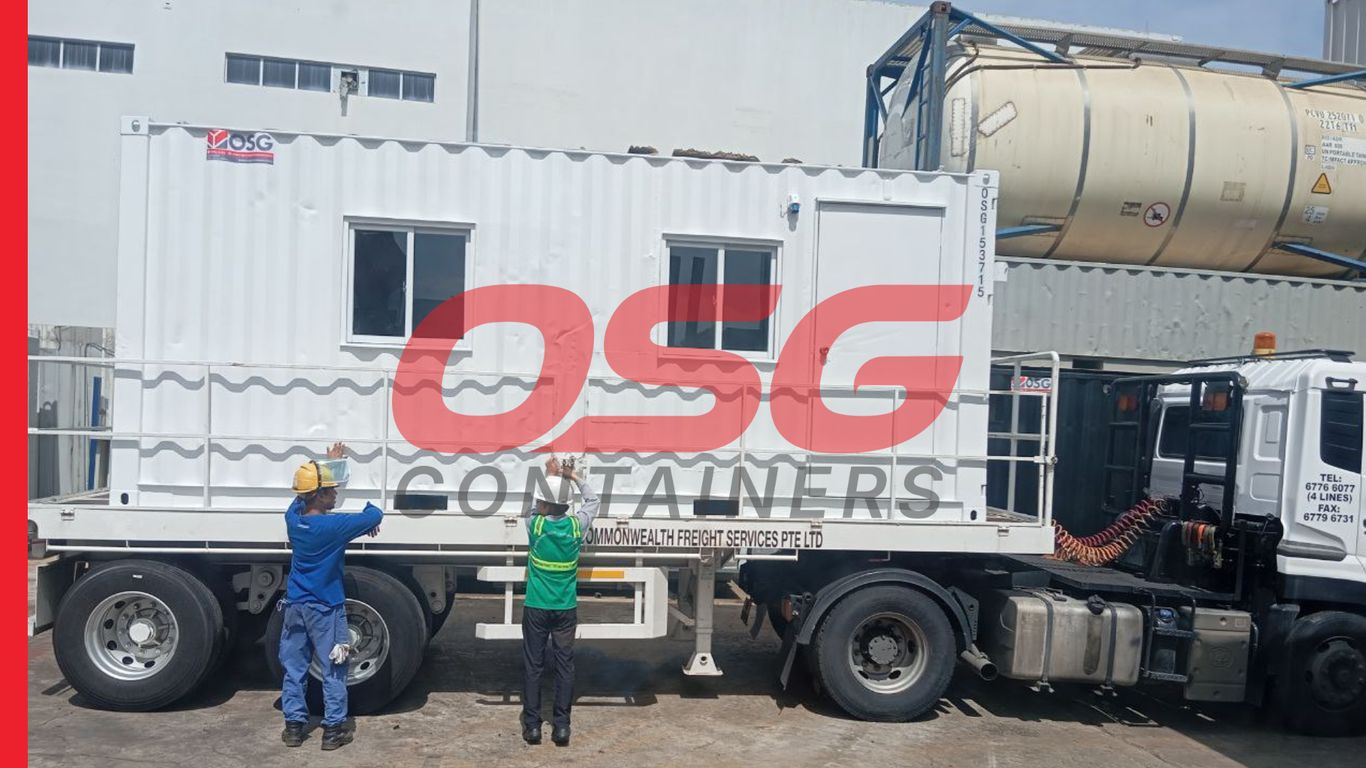
When you’re kicking off a new project, getting a place for your team to work from is a big deal. You might think a permanent building is the way to go, but hold on. Temporary site offices are actually pretty amazing for a lot of reasons. They can save you cash, get you set up way faster, and just make life easier when things change. Let’s look at why these temporary setups often beat the permanent ones.
Key Takeaways
- Temporary site offices are often cheaper upfront and over time because you avoid the high costs of permanent construction and can budget more predictably.
- You can get a temporary site office up and running much faster than a permanent one, meaning your project can get started sooner.
- These offices are super flexible. You can easily change their size or move them as your project needs shift or move to a new location.
- Modern temporary site offices are built tough, designed to handle different weather conditions and last for years with basic care.
- Temporary site offices are a greener choice, producing less waste during manufacturing and often using materials that can be reused or recycled.
Cost-Effective Advantages of Temporary Site Offices
When you’re kicking off a new project, especially one with a tight schedule or uncertain future, the idea of building a permanent site office can feel like a huge hurdle. It’s not just the time it takes; it’s the sheer amount of money that gets tied up before you even get to the actual work. This is where temporary site offices, like those made from sturdy 20 foot container units, really shine. They offer a way to get your team set up and operational without breaking the bank or delaying your project’s start.
Reduced Labor and Material Expenses
Think about traditional construction. You need a crew of skilled workers on-site for weeks, sometimes months, dealing with everything from pouring foundations to framing walls. Then there are all the materials – lumber, concrete, roofing – and the waste that comes with cutting and fitting them. With container offices, a lot of that heavy lifting is already done. Manufacturers build these units in controlled environments, meaning less on-site labor is needed, and material waste is significantly cut down. You’re essentially getting a pre-built structure that just needs to be placed and connected. This drastically cuts down on both labor and material costs compared to building from scratch.
Predictable Budgeting and Economies of Scale
One of the biggest headaches on any project is unexpected costs. Temporary site offices, especially when you’re looking at container renting options, offer a much clearer financial picture. The cost is usually fixed, whether you’re renting or buying a set number of office containers. Manufacturers producing these units at scale can also offer better prices. It’s like buying in bulk – they can afford to make them more affordably because they’re producing many. This predictability helps immensely with project budgeting, avoiding those nasty surprises that can derail a whole plan.
Lower Upfront Investment Compared to Permanent Structures
Let’s be real, building a permanent structure is a massive capital outlay. You’re talking about permits, land preparation, construction, and all the associated fees. For a temporary setup, the initial investment is a fraction of that. Renting office containers, for instance, means you pay a regular fee that aligns with your project duration, rather than a huge lump sum. Even purchasing a used container office is often far more economical than starting a permanent build. This lower upfront cost frees up capital that can be used for the core project activities, which is usually the main goal.
Here’s a quick look at how costs can stack up:
| Feature | Permanent Structure (Estimate) | Temporary Container Office (Estimate) |
|---|---|---|
| Initial Cost | $$$$$ | $$ |
| On-Site Labor | High | Low |
| Material Waste | Moderate to High | Low |
| Budget Predictability | Low | High |
| Time to Operational | Months | Days to Weeks |
The financial benefits of opting for temporary solutions are clear. They allow businesses to allocate resources more strategically, focusing on project execution rather than being bogged down by the overhead of permanent facilities. This smart financial approach is key to maintaining project momentum and profitability.
Swift Deployment and Installation
When you’re on a tight schedule, waiting around for a permanent structure to be built just isn’t an option. That’s where temporary site offices really shine. They get you up and running in a fraction of the time compared to traditional building methods. Think hours or days, not months.
Accelerated Construction Timelines
Forget about lengthy construction phases. Temporary site offices are designed for speed. They arrive mostly pre-built, meaning the actual on-site work is minimal. This drastically cuts down the time from when you order the unit to when your team can actually start working inside it. It’s a huge advantage for projects that need to kick off immediately.
Parallel Site Development and Factory Pre-Manufacturing
One of the cleverest aspects is how these offices can be made off-site while other site preparations are happening. While your main construction site is being prepped, the office unit is being built in a controlled factory environment. This means you’re not waiting for one process to finish before the next can begin. Everything happens at the same time, saving you valuable weeks.
Minimal On-Site Disruption and Faster Operational Readiness
Setting up a temporary office usually involves just a few steps: delivery, placement, and connecting utilities. Since most of the work is done elsewhere, there’s very little noise, dust, or traffic disruption on your actual project site. This allows your team to get settled and productive much faster, without the usual headaches associated with new construction.
The speed at which these units can be deployed is a game-changer for project management. It means your administrative hub, break rooms, or meeting spaces are ready almost as soon as you are, keeping your project on track from day one.
Here’s a quick look at how the timeline stacks up:
- Traditional Building: Weeks to months for site prep, foundation, framing, and finishing.
- Temporary Site Office: Days to a week for delivery, placement, and utility hookups.
This difference in speed directly translates to getting your project moving sooner and avoiding costly delays.
Unmatched Flexibility and Scalability
Adjustable Size and Capacity
Temporary site offices really shine when it comes to adapting to what you actually need, right when you need it. Think about it – your project might start with a small crew, needing just a basic office and a storage unit. But as things ramp up, you might need more desks, a bigger meeting space, or even a dedicated break room. With temporary setups, this isn’t a headache. You can simply add more units or swap out a smaller one for a larger model. It’s like building with LEGOs, but for grown-ups and for work.
Easy Expansion or Reduction of Space
This adaptability is a huge plus. If your project suddenly needs to accommodate a dozen new engineers, you don’t have to scramble to find a bigger permanent building or cram everyone into a tight space. You just rent another module or two. On the flip side, when the project winds down and the team shrinks, you can just as easily return the extra units. This means you’re not paying for space you’re not using, which is a big win for the budget. It’s a smart way to manage resources without being locked into something too big or too small.
Adaptable to Changing Project Needs
Projects rarely go exactly as planned, do they? Sometimes a phase gets extended, or a new requirement pops up that needs a different kind of space. Temporary offices can pivot with you. Need a secure area for sensitive equipment? No problem. Have to set up a temporary lab on-site? That can be arranged. The modular nature means these offices aren’t just static boxes; they can be reconfigured or supplemented to meet whatever the current demands are. It keeps your operations running smoothly, no matter what curveballs the project throws.
The ability to adjust the footprint of your site office on the fly is a game-changer for project management. It removes a layer of logistical complexity and financial uncertainty that often comes with fixed structures, allowing teams to focus on the actual work at hand rather than worrying about their workspace limitations.
Mobility and Relocation Ease
Seamless Transition Between Project Sites
One of the biggest headaches on a big project is figuring out where everyone’s going to work, especially when the job site itself keeps changing. That’s where temporary site offices really shine. They’re built to move, plain and simple. Unlike a permanent building that’s stuck in one spot, these offices can be picked up and taken to the next location with relative ease. This means your team doesn’t lose valuable time setting up a whole new workspace from scratch every time the project shifts gears or moves to a new area. It’s like having a portable headquarters that follows the work.
Modular Design for Simple Transport
These offices aren’t just thrown together; they’re designed with movement in mind. Many are built using modular components, often based on shipping container designs. This makes them incredibly practical to transport. Think about it: a standard container is already made to be stacked and moved by ships, trains, and trucks. When you adapt them for office use, they retain that transportability. Specialized trucks can deliver them, and then later, pick them up and haul them to the next job site. It cuts down on the complicated logistics that come with trying to move traditional structures or even some older trailer-style units.
Reduced Logistics Complexity
Trying to coordinate the move of a large, permanent structure is a nightmare. You’re talking about permits, specialized heavy equipment, road closures, and a whole lot of planning. With temporary site offices, especially the modular ones, the company that provides them usually handles most of the heavy lifting – literally. They have the trucks, the drivers, and the know-how to get the unit from point A to point B. This means you’re not bogged down with the nitty-gritty details of transportation. You just tell them where it needs to go, and they make it happen. It simplifies things immensely, letting you focus on the actual project instead of worrying about office logistics.
Here’s a quick look at how the transport process generally works:
- Delivery: The unit arrives on a specialized trailer, often a flatbed or a tilt-bed truck.
- Placement: Using the truck’s hydraulics or a crane, the office is carefully positioned exactly where you need it on the site.
- Relocation: When it’s time to move, the process is reversed. The truck returns, loads the unit, and transports it to the new destination.
- Setup: At the new site, it’s placed and leveled, ready for use, often within hours.
The ability to relocate these offices efficiently means that businesses can maintain a consistent operational presence across multiple, geographically dispersed projects without the significant capital expenditure and time commitment associated with establishing new permanent facilities at each location. This adaptability is a core reason why they are so popular in industries with mobile workforces.
Durability and Weather Resistance
Robust Frame and Weatherproof Covers
Temporary site offices, especially those built with sturdy frames and durable covers, are surprisingly tough. Think of them as built to handle a lot. The frames are often made from strong stuff like aluminum alloy or galvanized steel. This means they don’t rust easily and can stand up to the elements for a good long while. The covers, usually made from heavy-duty PVC, are designed to keep the weather out. They’re built to resist both heavy rain and strong sun.
Resistance to Elements and Wear
These structures are engineered to face down wind, rain, and even intense heat. Unlike some older temporary setups that might warp or degrade quickly, modern temporary offices are made with materials that hold up. Steel doors and reinforced windows add security and stand up to weather better than wood or vinyl, which can crack or warp over time. Plus, all-steel construction keeps pests like rodents and insects out, which is a nice bonus.
Long-Term Usability with Proper Maintenance
While they might not last as long as a brick-and-mortar building without any upkeep, temporary site offices can still be used for many years. With regular checks and basic maintenance, like keeping the covers clean and ensuring the frame is sound, they can serve you well through multiple projects. It’s not uncommon for a well-cared-for unit to last a decade or more, especially if it’s a container-style office.
When you’re choosing a temporary office, it’s smart to think about your local climate. If you’re in an area with heavy snow, strong winds, or extreme heat, you’ll want to make sure the structure you pick is rated to handle those conditions safely. Don’t cut corners here; it’s about keeping your workspace secure and comfortable.
Here’s a quick look at what makes them tough:
- Frame Materials: Galvanized steel or aluminum alloy for rust and corrosion resistance.
- Covering: Heavy-duty, waterproof PVC that blocks UV rays and prevents leaks.
- Security Features: Steel doors and reinforced windows that resist damage.
- Pest Control: Solid construction that prevents entry by rodents and insects.
Customization and Tailored Solutions
Personalized Layouts and Features
Temporary site offices aren’t just basic boxes; they can be fitted out to match exactly what you need on site. Think about it – you can get different interior setups. Need a big open space for a team meeting? Easy. Want a few private offices for managers or sensitive work? That’s doable too. You can even include dedicated areas for breaks or storage. The walls can be arranged to create these distinct zones, making the space work for your specific tasks.
Branding Opportunities for Enhanced Visibility
These temporary setups can also be a chance to get your company’s name out there. Many suppliers let you add your company’s colors, logos, or specific signage to the exterior. This makes your site office look professional and can be a good way to show off who’s running the project. It’s a small detail, but it adds a polished touch.
Adaptable to Specific Operational Demands
What makes these offices really stand out is how they can be changed to fit different jobs. For example, if you’re on a construction site, you might need sturdy desks and plenty of storage for plans. If it’s for an event, maybe you need more of a reception area. You can often specify:
- Interior Configurations: Open plan, individual offices, meeting rooms, or a mix.
- Furniture Options: Desks, chairs, filing cabinets, shelving units.
- Climate Control: HVAC systems suited for the local weather.
- Security Upgrades: Stronger locks, reinforced doors, or alarm systems.
The ability to adjust the internal layout and add specific features means the office truly becomes an extension of your operational needs, not just a generic temporary structure. This adaptability is key for projects that have unique requirements or change over time.
Ultimately, the goal is to create a functional and comfortable workspace that supports your team’s productivity, no matter the project.
Sustainability and Eco-Friendly Practices
Reduced Material Waste in Production
Temporary site offices are often built using prefabrication methods. This means a lot of the building happens in a factory, not out on the job site. Because it’s a controlled environment, factories can be much smarter about how they use materials. They can cut pieces more precisely, reuse scraps, and generally produce less waste compared to building something from scratch on-site where weather and site conditions can make things messy and inefficient. This factory-based approach is a big win for the environment.
Energy-Efficient Manufacturing Processes
Think about it: building in a factory allows for better control over energy use. Manufacturers can invest in more efficient machinery and lighting systems that might not be practical for a temporary setup on a construction site. They can also optimize their production lines to use less energy overall. Plus, many of these units are designed with insulation in mind from the start, making them more energy-efficient once they’re actually in use on your project.
Reusability and Recyclability of Components
One of the best things about temporary site offices is that they aren’t meant to be permanent. When your project is done, you can take the office down and move it to the next job. This reusability is a huge environmental plus. Instead of demolishing a permanent building and creating tons of waste, you just pack it up and go. Many of the materials used, like steel frames and certain paneling, are also highly recyclable at the end of their long life. It’s a circular approach that just makes sense.
The modular nature of these offices means they can be repurposed multiple times across different projects, significantly reducing the need for new construction materials and the associated environmental impact. This "build, use, move, reuse" cycle is a core part of their sustainable design.
Wrapping It Up
So, when you look at it all, temporary site offices really do make a lot of sense for a lot of projects. They’re faster to get up and running, way easier to move when you need to, and often kinder to your wallet than building something permanent. Plus, you can tweak them as you go without a massive headache. For short-term needs or projects that might change locations, they’re a solid choice that gets the job done without all the usual construction drama. It’s about working smarter, not harder, and temporary setups often win that game.
Frequently Asked Questions
Why are temporary site offices cheaper than permanent ones?
Temporary offices cost less because you don’t need to spend as much on materials or hire as many workers for a long time. They are often built in a factory, which is quicker and uses materials more efficiently, saving money right from the start.
How fast can I get a temporary site office set up?
Temporary offices can be put up much faster than permanent buildings. Since many parts are made ahead of time in a factory, they can be assembled on-site in just a few weeks, sometimes even less, letting you start work sooner.
Can I change the size of a temporary office if my needs change?
Yes, absolutely! Temporary offices are very flexible. You can easily make them bigger or smaller by adding or removing sections. This is great if your team grows or shrinks, or if the project requirements change.
Is it hard to move a temporary office to a new job site?
Moving them is quite simple. Because they are designed in sections, they can be taken apart, loaded onto trucks, and set up again at a new location without a lot of hassle. This makes them perfect for projects that move around.
Are temporary offices strong enough to handle bad weather?
Yes, modern temporary offices are built to be tough. They usually have strong metal frames and covers that can block rain and wind. While they might not last as long as a permanent building in extreme conditions, they are designed to be durable and weatherproof with regular care.
Can I make a temporary office look unique or match my company’s style?
You sure can! Temporary offices can be customized with different layouts, colors, and even your company’s logo. This helps make them functional for your specific needs and also helps promote your brand.