Singapore
 Australia
 Indonesia
 Japan
Japan Malaysia
 New Zealand
 Philippines
 South Korea
 Taiwan
 Thailand
 VIETNAM
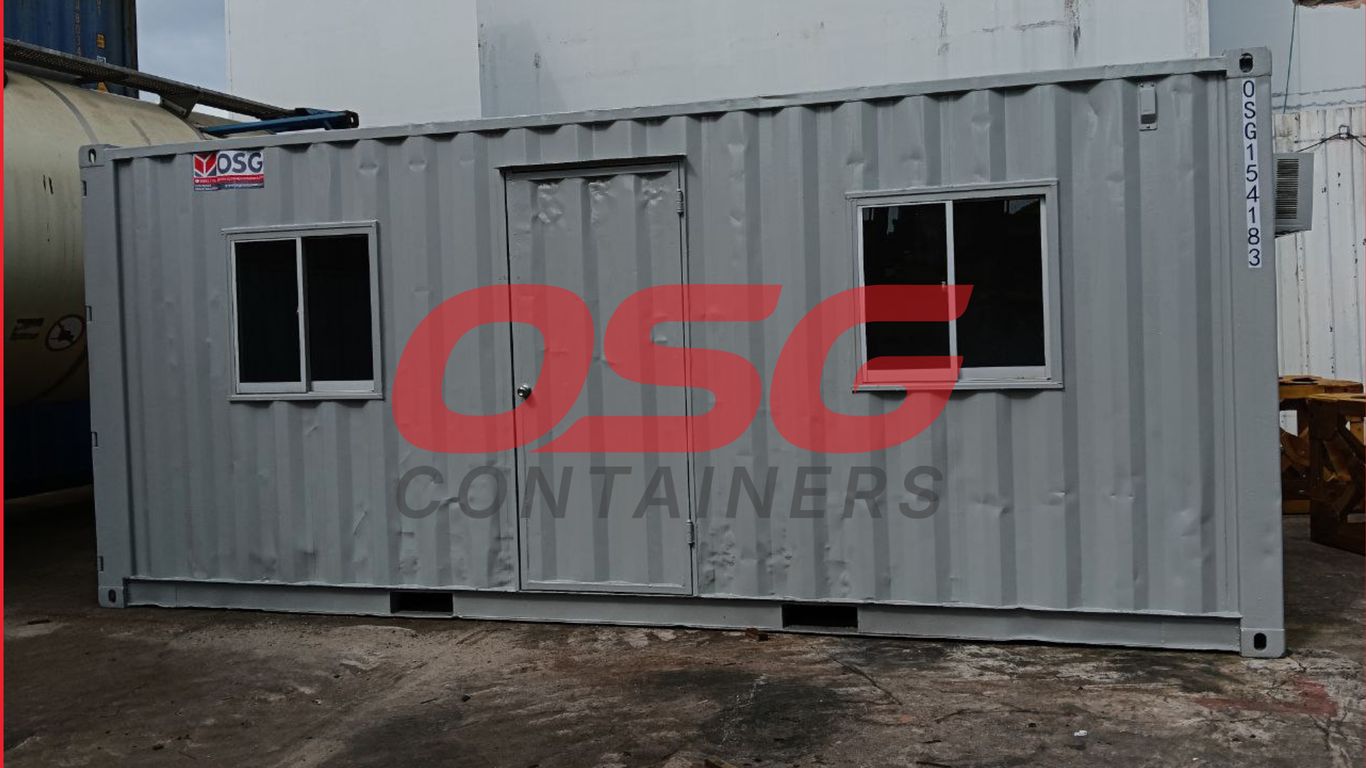
So, you’re thinking about a conversion project, maybe a tiny home, an office, or even a cool pop-up shop? And you’ve seen these containers around, but what’s the deal with the ‘high cube’ ones? It turns out that extra foot of height isn’t just a small detail; it can actually make a big difference, whether you’re shipping goods or building something new. Let’s break down why that extra space matters.
Key Takeaways
- A high cube container is about a foot taller inside than a standard container, offering more vertical space.
- This extra height is great for conversions, making spaces feel less cramped and easier to work in.
- High cubes allow for better packing efficiency and can accommodate taller items, potentially saving on shipping costs.
- When planning transport, remember the extra height can create overhead clearance issues.
- Consider a high cube container when volume and vertical space are more important than just the floor area for your project.
Understanding The High Cube Container Advantage
The Defining Difference: Extra Vertical Space
So, what’s the big deal with a high cube container? It’s pretty straightforward, really. Compared to a standard shipping container, a high cube gives you about an extra foot of internal height. We’re talking roughly 12 inches, or around 30 centimeters, more vertical room. This isn’t just a minor change; it’s a significant boost that changes how you can use the space. Think of it like getting a bit more headroom in your own home – it just makes everything feel more manageable and less cramped.
Beyond Capacity: Unveiling Additional Benefits
That extra foot of height does more than just let you fit taller things. It opens up a lot of possibilities. For shipping, it means you can often pack more efficiently, potentially needing fewer containers for your shipment. This can lead to real savings on transport costs. Plus, it makes it much easier to handle taller items that just wouldn’t fit in a standard container. For conversion projects, that extra height makes a huge difference in how comfortable and functional the space feels. It allows for better ventilation, easier installation of electrical systems, and just generally makes the space feel less cramped. The simple addition of a foot in height transforms a basic shipping container into a more versatile asset.
- Accommodating Bulky Items: Tall machinery, furniture sets, or even vehicles can often fit without needing to be disassembled. This saves time and labor.
- Enhanced Packing Efficiency: The extra space allows for more strategic stacking and arrangement of goods, potentially reducing the number of containers you need for a shipment.
- Improved Conversion Potential: The increased headroom makes high cube containers ideal for creating comfortable living spaces, functional workshops, or offices with better air circulation and lighting.
Increased Usable Volume For Your Needs
That extra vertical space isn’t just for tall things. It lets you pack smarter. You can often stack items more effectively, maybe even fitting an entire extra layer of goods. This means you might need fewer containers for your shipment overall. Fewer containers usually mean lower shipping costs and less handling, which really adds up. When you’re buying or renting a container, thinking about how efficiently you can pack it is key to saving money in the long run. For example, a 40 high cube container offers around 2,700 cubic feet of space, compared to about 2,400 cubic feet in a standard 40-footer. That’s a noticeable difference!
| Container Type | Approx. Internal Volume (cu ft) | Approx. Internal Volume (cu m) |
|---|---|---|
| 40ft Standard | 2,400 | 68.5 |
| 40ft High Cube | 2,700 | 76.4 |
The simple addition of a foot in height transforms a basic shipping container into a more versatile and valuable asset, impacting everything from logistics efficiency to the livability of converted spaces. Whether you’re looking at a 20 foot high cube container price or considering options in places like high cube container Singapore, that extra height is a key factor to weigh.
Enhancing Conversion Projects With High Cube Containers
When you’re looking to turn a shipping container into something more, like a living space, an office, or a workshop, that extra bit of height in a high cube container really makes a difference. It’s not just about fitting more stuff in for shipping; it’s about making the space feel right for people.
Creating Comfortable Living And Working Spaces
That extra foot of vertical space in a high cube container is a game-changer for conversions. It means you’re not constantly ducking or feeling like you’re in a cramped box. This added headroom makes a huge difference in how comfortable and functional the space feels. You can stand up straight, install lighting fixtures without them being right in your face, and generally create an atmosphere that’s much more pleasant for living or working. It allows for better air circulation too, which is always a plus.
Improving Conversion Potential With Extra Headroom
Think about it: a standard container can feel a bit restrictive when you’re trying to make it feel like a home or a proper workspace. The extra height in a high cube opens up possibilities. You can install dropped ceilings, run ductwork for HVAC systems more easily, or even add lofted areas for storage or sleeping. This increased vertical real estate transforms a basic metal box into a much more adaptable and livable structure. It gives designers and builders more freedom to create functional and aesthetically pleasing interiors without feeling boxed in.
Easier Installation Of Utilities And Insulation
Working with utilities and insulation inside a container can be tricky. The extra space provided by a high cube container simplifies this process considerably. You have more room to maneuver when running electrical conduits, plumbing pipes, or ventilation systems. It also makes it easier to fit in thicker, more effective insulation materials, which is key for temperature control and energy efficiency. This means less hassle during the build and a better-finished product that’s more comfortable year-round.
The practical benefits of that extra foot of height are significant. It translates directly into a more comfortable, functional, and easier-to-build-out space, whether you’re creating a home, an office, or a retail unit. It’s a simple addition that yields substantial improvements for any conversion project.
Practical Applications For High Cube Containers
Innovative Retail Pop-Up Stores
Forget those flimsy tents or temporary stalls. Shipping containers, especially the high cube variety, have become a go-to for brands wanting to make a splash with pop-up shops. That extra foot of height isn’t just for show; it makes a huge difference inside, giving customers a more comfortable browsing experience and allowing for better display setups. Think Puma setting up a vibrant soccer-themed shop using two 40-foot high cubes, painted in their signature red. It’s eye-catching, practical, and totally memorable. Uniqlo and Richard Chai have also jumped on this trend, using containers for temporary retail spaces that are both stylish and sustainable. It’s a smart way to test new markets or launch products without the commitment of a permanent store.
Creative Exhibition And Event Spaces
When you need a unique booth at a trade show or a distinctive space for an event, a high cube container offers a solid foundation. You can outfit them with lighting, custom shelving, and even small seating areas, all while maintaining that crucial headroom. This makes them feel less like a cramped box and more like a mini-showroom or lounge. They’re also relatively easy to transport and set up, which is a big plus when you’re dealing with event logistics. Imagine a gallery showcasing art or a brand launching a new gadget – a container can be transformed into something truly special.
Practical On-Site Storage Solutions
Beyond the flashy retail and event uses, high cube containers are incredibly useful for straightforward storage, especially on job sites or for businesses needing extra inventory space. Construction companies often use them to store tools and materials securely right where they’re needed. Because they’re taller, you can stack more items inside or even install shelving systems that reach higher, making better use of the available space. It’s a simple, effective way to keep things organized and protected from the elements.
The beauty of the high cube container lies in its adaptability. It’s not just a box; it’s a modular building block that can be tailored to a vast array of needs, from selling products to storing equipment, all while offering that much-needed extra vertical space.
Here’s a quick look at how different businesses are using them:
- Retail: Pop-up shops, market stalls, and temporary showrooms.
- Events: Trade show booths, festival stages, and unique event venues.
- Construction: Secure storage for tools, materials, and equipment on-site.
- Warehousing: Additional inventory storage, especially for seasonal or bulky items.
Logistical Considerations For High Cube Transport
So, you’re thinking about using a high cube container, maybe a 20 high cube container or a 40ft one, for your project. That extra height is great for space, but it does bring a few things to think about when it’s time to move it.
Navigating Overhead Obstacles During Transit
That extra foot of height on a high cube means you’ve got to be a bit more aware of what’s above you. Bridges, tunnels, and even loading docks at your destination might be lower than you think. It’s not usually a problem for standard shipping chassis, but it’s always smart to check your route and the final drop-off spot for any height limits. You don’t want to get stuck.
Planning Ahead For Route Specifics
When you’re planning the journey for your container, especially a high cube, think about the whole trip. This includes:
- Checking for low clearances: Look up bridge heights, tunnel limits, and any other overhead obstructions along the planned route.
- Considering site access: Even if the container fits on the road, can it get into the final spot? Tight turns or low-hanging branches can be an issue.
- Verifying equipment capabilities: Make sure any cranes or forklifts you’ll use can handle the container’s weight and its full height, especially when loaded.
The extra vertical space is a big plus for capacity, but it does change how you need to approach the move. Being prepared means fewer surprises.
Impact On Overall Shipping Efficiency
While the footprint of a high cube is the same as a standard container, that extra height can affect how efficiently things move. Weight distribution is super important; you need to spread the load evenly to keep things stable. Also, securing your cargo properly is key because there’s more vertical space for things to shift. Using straps, bracing, and dunnage helps a lot. If you’re moving a lot of items, the ability to stack higher can mean you need fewer containers overall, which can save money and time. It’s all about making sure the container gets where it needs to go, safely and without a hitch.
Maximizing Space And Efficiency
Accommodating Bulky Items With Ease
When you’re trying to move or store things, sometimes the biggest headache isn’t the sheer volume, but the awkward shapes and sizes. Standard containers can be a real pain for anything tall or oddly proportioned. That’s where the high cube really shines. That extra foot of height isn’t just a little bit more room; it’s a game-changer for fitting items that just wouldn’t go into a regular container. Think large pieces of machinery, tall furniture sets, or even vehicles. You can often fit these items without having to take them apart, saving you a ton of time and hassle. It’s like having a taller doorway for your cargo, making the whole process much smoother.
Enhanced Packing Efficiency For Shipments
That extra vertical space in a high cube container isn’t just for tall stuff. It lets you pack smarter, plain and simple. You can arrange things more strategically, maybe even fitting an entire extra layer of goods on top of others. This means you might be able to use fewer containers for your shipment overall. Fewer containers usually mean lower shipping costs and less handling, which really adds up. When you’re figuring out how to ship things, thinking about how efficiently you can pack them is key to saving money in the long run. It’s about making sure every inch of your container is working for you.
Here’s a quick look at how that extra height can impact volume:
| Container Type | Internal Height (approx.) | Usable Volume (approx.) |
|---|---|---|
| 40ft Standard | 8 ft 10 in | 2,387 cu ft |
| 40ft High Cube | 9 ft 10 in | 2,694 cu ft |
Maximizing Space With Vertical Real Estate
Loading a container is a bit of an art, and with the extra headroom in a High Cube, you’ve got way more flexibility. You can arrange items more strategically, perhaps using the full height for pallets or creating better-organized storage areas. This careful planning helps you get the most out of every cubic foot. It’s about making sure every inch of your cargo shipping container is working for you. This isn’t just about cramming more in; it’s about smarter packing and better utilization of the space you have.
The simple addition of a foot in height transforms a basic shipping container into a more versatile and valuable asset. This impacts everything from logistics efficiency to the livability of converted spaces, making it a smart choice for many projects.
Think of it this way: that extra foot of height allows for more efficient packing strategies and opens up possibilities for shipping items that were previously problematic. It’s a simple design change with significant practical implications for anyone moving or storing goods.
Choosing The Right Container For Your Project
When A High Cube Container Is The Superior Choice
So, you’re looking at container projects and wondering if that extra foot of height really makes a difference. Honestly, for most conversion projects, it absolutely does. Think about it: that extra vertical space isn’t just about feeling less cramped; it opens up a whole lot of practical possibilities. If you’re planning on installing overhead cabinets, running ductwork, or even just want a bit more headroom for taller folks, a high cube is the way to go. It’s not always about fitting more stuff in, but about making the space more comfortable and functional.
Considering Volume Over Just Square Footage
It’s easy to get caught up in just the length and width of a container, but the height is a major player in the overall volume. A standard 40-foot container gives you a certain amount of space, but a 40-foot high cube packs in significantly more air – and that air can be turned into usable space. This extra volume is a game-changer for things like:
- Creating lofted sleeping areas.
- Accommodating taller appliances or equipment.
- Designing multi-level interior layouts.
- Improving air circulation and ventilation systems.
When you’re planning, don’t just look at the floor plan; consider the entire three-dimensional space you’re working with.
The Necessity Of Extra Height For Specific Needs
Sometimes, that extra height isn’t just a nice-to-have; it’s a must-have. For instance, if you’re converting a container into a workshop, you might need space for overhead storage racks or even a small lift. For residential conversions, it makes a huge difference in how spacious and airy the place feels, especially in smaller footprints. Plus, think about the ease of installation for things like:
- Electrical conduits and wiring.
- Plumbing and ventilation pipes.
- Insulation layers without sacrificing too much interior room.
When you’re comparing container options, always ask for the interior dimensions, not just the exterior. That extra foot of height can be the deciding factor between a project that feels just okay and one that feels truly great to live or work in. It’s a small difference on paper that translates to a big impact in reality.
Choosing between a standard container and a high cube often comes down to the specific demands of your project. While standard containers are perfectly fine for many uses, the high cube variant offers a distinct advantage when comfort, functionality, and the integration of utilities are key considerations. It’s about making sure the container you choose doesn’t just fit your needs, but actively improves them.
Wrapping It Up
So, when you’re looking at container projects, especially those where you want to actually live or work in the space, don’t overlook the high cube. That extra foot of height might not sound like much, but it makes a real difference. It means more room to stand, easier ways to put in lights or insulation, and generally makes the whole place feel less like a cramped metal box and more like a proper room. It’s a simple change, but it really opens up what you can do with these containers, making them way more practical for everything from tiny homes to workshops. Definitely worth considering if you want your project to feel comfortable and functional.
Frequently Asked Questions
What’s the big deal with high cube containers?
Think of a high cube container as a regular shipping container, but with an extra foot of height inside. This extra space is a game-changer, allowing you to fit more items, taller things, or just make a converted space feel way less cramped.
Can I really fit more stuff in a high cube?
Absolutely! That extra foot of height means you can stack things higher or pack them more smartly. For a 40-foot container, you can often fit about 10% more volume, which can save you money on shipping costs by needing fewer containers.
Are high cube containers good for building tiny homes or offices?
Yes, they’re fantastic for projects like tiny homes or offices! The extra headroom makes a huge difference. You’ll have more room to stand, install lights, air conditioning, and generally make the space feel more comfortable and less like a small box.
Does the extra height cause problems when moving the container?
It can. Because they’re taller, you need to watch out for things like low bridges, tunnels, or power lines when the container is being transported. It’s always smart to check the route beforehand to make sure it can pass safely.
When should I choose a high cube over a standard container?
Choose a high cube if you’re shipping tall items, want to pack more efficiently to save money, or plan to convert the container into a living or working space. If you’re just shipping regular-sized goods and space isn’t a big concern, a standard container might be okay.
Can the extra height make packing easier?
Definitely! The extra vertical space allows for more creative and efficient packing. You can stack items more effectively, potentially fitting in an entire extra layer of goods. This can lead to needing fewer containers overall, saving you time and money.