Singapore
 Australia
 Indonesia
 Japan
Japan Malaysia
 New Zealand
 Philippines
 South Korea
 Taiwan
 Thailand
 VIETNAM
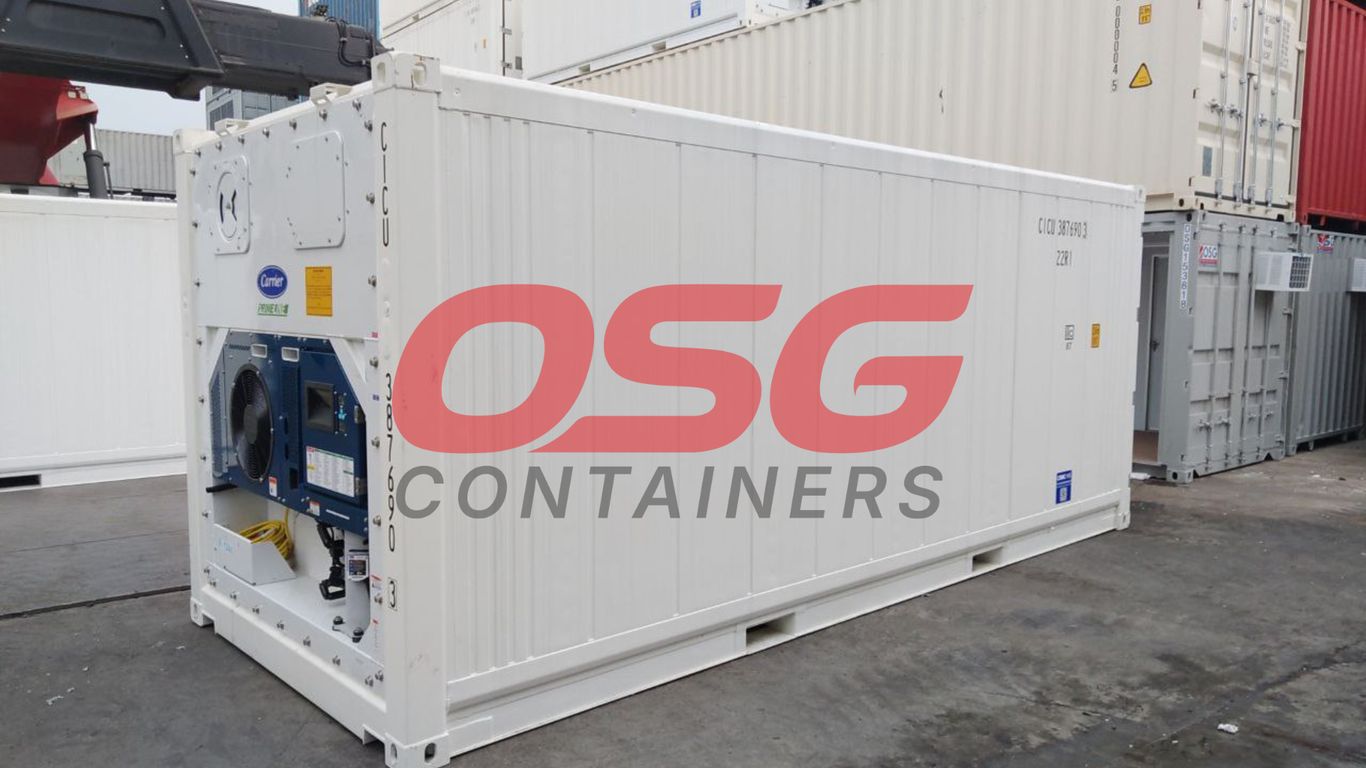
You know, it’s wild how much stuff we get shipped around the world these days, especially food and medicine. Ever stop to think about how that fresh fruit or your prescription stays good during a long trip? It’s not just luck. It’s thanks to these things called container reefers. They’re basically giant, high-tech refrigerators on wheels, or rather, on ships and trains. They’re a pretty big deal for making sure all sorts of temperature-sensitive items don’t go bad before they get to us. Let’s talk about why these specialized boxes are so important.
Key Takeaways
- A container reefer is like a big, mobile fridge that keeps things at a specific temperature, which is really important for shipping items like food and medicine that can spoil easily.
- These containers have gotten much better over time, with advanced cooling systems and good insulation, making it possible to ship perishable goods globally.
- The insulation in a container reefer helps the cooling system work less hard, which saves energy and keeps the temperature steady.
- Having a reliable power supply is a major point for container reefers, whether they are plugged in at a port or running on a generator while traveling.
- Newer container reefers use smart technology, like sensors, to track temperature and location, which helps prevent spoilage and makes the whole shipping process smoother.
The Indispensable Role Of Container Reefers
Defining Refrigerated Containers And Their Crucial Role
Ever wonder how that carton of milk or those imported strawberries get to your table without spoiling? It’s not by chance; it’s the work of refrigerated containers, or reefers. These aren’t just metal boxes; they’re essentially mobile refrigerators, built to maintain a very specific internal environment, regardless of what’s happening outside. They are absolutely vital for global trade, especially for items like food and medicine that can’t handle sitting around at room temperature for extended periods. Without them, a significant portion of the food we eat and the medicines we depend on simply wouldn’t reach us in a usable state. They truly are the quiet workhorses of the shipping world.
Why Container Reefers Are Essential For Perishables
Imagine shipping fresh berries or delicate pharmaceuticals across continents. Without the strict control reefers offer, it would be impossible. The cold chain logistics they enable are vital for goods like:
- Frozen food: Maintaining consistent deep-freeze temperatures.
- Biomedical products: Such as vaccines, where precise temperature stability is critical for efficacy.
- Fresh produce and meat: Preventing spoilage and ensuring food safety.
- Precision chemicals: Many require controlled environments to prevent degradation.
Even minor temperature changes can lead to spoilage or safety risks. Reefers prevent this by integrating refrigeration units, air conditioning systems, and remote monitoring technology. They help shipments meet strict standards for both food and pharmaceuticals.
The Foundation Of The Global Cold Chain
Reefer containers are the backbone of the global cold chain. They are designed to keep a steady internal temperature, often with insulation that helps minimize heat exchange. This means the cooling system doesn’t have to work as hard, which is good for energy use and keeping things consistently cold. The cooling unit and the container’s walls work together. Good insulation means the cooling system doesn’t have to work as hard, saving energy.
Keeping the power on is a big deal for reefers, whether they’re plugged in at port or running on a generator when they’re moving. Without consistent power, that sophisticated cooling system is just a fancy metal box. Fluctuations or complete outages can lead to temperature swings that are bad news for sensitive goods.
Newer reefer containers use smart tech like IoT sensors to track temperature and location, helping prevent spoilage and making logistics smoother. They are more than just shipping containers; they are specialized, temperature-controlled environments that make global trade in sensitive goods possible.
Engineering Excellence In Container Reefers
Superior Insulation For Temperature Stability
Think of a reefer container like a really, really good thermos. The main job is keeping the inside temperature steady, no matter what’s happening outside. This is mostly thanks to the insulation. We’re talking about thick layers, usually made of polyurethane foam, packed in tight. This stuff is great at stopping heat from getting in or out. The walls can be anywhere from 50 to 120 millimeters thick, depending on the container, and that makes a big difference in how well it holds the temperature. It’s not just about the foam, though; the way the panels are put together matters too. Good seals around the doors and any other openings are super important to prevent air leaks.
Built Tough: High Mechanical Strength
These containers aren’t just fancy coolers; they have to survive a rough life. They get loaded, unloaded, stacked high, and jostled around on ships and trucks. That’s why they’re built with strong steel, often with extra bracing and reinforced corners. This gives them a lot of mechanical strength.
- Impact Resistance: They can take a bump or two without falling apart.
- Stacking Strength: They’re designed to hold a lot of weight from containers stacked on top.
- Durability: This tough build means they can handle vibrations and the general wear and tear of global shipping.
Advanced Refrigeration Systems
Inside every reefer is a sophisticated refrigeration unit. It’s not just a simple air conditioner. These systems are designed to maintain very specific temperatures, sometimes with just a degree or two of wiggle room. They can cool things down to freezing or even colder, and some can also provide a bit of heat if needed.
- Precise Temperature Control: Capable of holding temperatures from deep freeze to just above freezing.
- Humidity Management: Many units can also control the moisture level inside, which is vital for certain goods like fresh produce.
- Defrost Cycles: Automatic defrosting prevents ice buildup, which could otherwise damage the cargo or the unit itself.
The engineering behind these containers is all about creating a reliable, controlled environment that can withstand the rigors of international transport while keeping sensitive cargo in perfect condition. It’s a blend of thermal science and robust construction.
Operational Considerations For Container Reefers
Ensuring Cargo Integrity During Transit
Keeping your temperature-sensitive goods safe while they’re on the move is the main goal, right? It’s not just about setting the right temperature and hoping for the best. These containers are built to handle a lot, but how they’re treated matters. Think about loading and unloading – rough handling can cause dents or damage seals, and that’s a fast track to losing temperature control. Even vibrations during transit can be a problem for some delicate items. That’s why proper training for the folks handling the containers and careful inspection before and after each trip are super important. It’s about being proactive.
The Importance Of Power Supply Reliability
Reefer containers need power to keep things cool, and this is where things can get tricky. When a container is sitting at a port or a terminal, it needs a reliable electrical hookup. If the power goes out, even for a short while, or if the connection is faulty, the temperature inside can start to climb. This is a big worry, especially for long waits. For transport between locations, many reefers use a generator, often called a genset, attached to the container. These gensets need fuel and regular maintenance. Running out of fuel or having a genset break down mid-journey can be a disaster for the cargo. The consistency of the power source, whether it’s grid electricity or a dedicated generator, is absolutely key to maintaining the cold chain.
Understanding Potential Operational Challenges
Even with the best equipment, things don’t always go perfectly. One common issue is temperature fluctuations. This can happen if the container doors are opened too often or for too long, or if the unit struggles to keep up with extreme outside temperatures. Another challenge is the pre-cooling requirement. Most reefer units are designed to maintain a temperature, not to cool down warm cargo quickly. So, goods usually need to be brought to the correct temperature before they are loaded into the container. Ignoring this step can lead to spoilage, even if the reefer unit itself is working fine. Also, different types of cargo have different needs. Some might need just chilled air, while others require a specific humidity level or even protection from light, which adds another layer of complexity to managing the container’s environment.
Managing a reefer container involves more than just setting a temperature. It requires constant vigilance regarding power, handling, and the specific needs of the cargo. Being prepared for potential issues and having backup plans can prevent costly losses.
Here’s a quick look at common issues and what to watch out for:
- Power Interruptions: Ports, terminals, and even transit routes can have unreliable power. Always check the status of power sources.
- Genset Failures: If using a genset, ensure it’s fueled, maintained, and functioning correctly. Regular checks are a must.
- Door Seal Integrity: Damage to seals can let cold air escape. Inspect them regularly.
- Pre-Cooling: Always pre-cool cargo to the required temperature before loading.
- Extreme Weather: Very hot or very cold external conditions can strain the refrigeration unit’s ability to maintain the set temperature.
Global Trends Shaping Reefer Shipping
E-commerce Expansion For Perishables
Online shopping has really changed how we get our food. It’s not just about buying clothes or electronics anymore; people are ordering fresh groceries, meal kits, and all sorts of other perishable items right to their doorsteps. This shift means a massive jump in the need for shipping that can keep things cold and fresh. Think about getting delicate berries or frozen dinners to your house – it all relies on a solid cold chain. This trend is pushing more companies to use reefer containers and is also leading to the rise of smaller, local cold storage hubs in cities. The main goal? Getting that fresh stuff to you quickly and safely.
Pharmaceutical Distribution Demands
We all know how critical it is to keep medicines and vaccines at the right temperature, especially after recent global events. But it’s not just about those big-name items. There’s a growing demand for specialized medications and products needed for clinical trials, all of which have very specific temperature requirements. This means reefers are in high demand across all types of transport – planes, ships, and trucks – to make sure these vital supplies stay effective and safe.
Decentralized Warehousing And Agile Hubs
To keep up with the fast pace of e-commerce and specialized distribution, the old way of doing things isn’t always cutting it. We’re seeing a move away from massive, central warehouses towards a network of smaller, more strategically placed storage facilities. These decentralized hubs, often called agile hubs, are closer to the end consumer. This setup allows for quicker delivery times and more flexibility in managing inventory. For reefer containers, this means they might be used for shorter, more frequent trips between these hubs and final destinations, rather than just long-haul international voyages. It’s all about making the supply chain more responsive and efficient.
The way we move temperature-sensitive goods is changing fast. From your weekly grocery order to life-saving medicines, reefer containers are working harder than ever to keep up. This means more focus on speed, precision, and getting things where they need to be, exactly when they need to be there, all while staying at the perfect temperature.
Here’s a quick look at how these trends are impacting reefer shipping:
- E-commerce Growth: More online orders for groceries and meal kits mean a higher demand for reliable cold transport.
- Pharma Needs: Specialized medicines and vaccines require strict temperature control, increasing the need for advanced reefer capabilities.
- Hub-and-Spoke Models: Smaller, local storage centers are popping up, changing how reefers are used for shorter, more frequent deliveries.
The number of reefer container ports is rising, with the Asia Pacific region leading the way in handling perishables. This expansion allows carriers to reach more markets and maintain precise temperature control, minimizing spoilage and meeting strict regulations.
Beyond Commerce: Container Reefers In Humanitarian Aid
Supporting Disaster Relief Efforts
When disaster strikes, the immediate aftermath often involves a desperate need for basic necessities, and among the most critical are temperature-sensitive items like medicines, vaccines, and safe food. Container reefers step in as lifelines in these chaotic situations. They can be rapidly deployed to areas where infrastructure is damaged or completely gone, providing a reliable, mobile cold storage solution. This ability to quickly establish a cold chain is often the difference between life and death for vulnerable populations. Think about it: a hurricane wipes out a town’s power grid and its only clinic. A reefer container, powered by its own generator, can immediately start storing emergency medical supplies, keeping them viable until they can be distributed.
Maintaining Efficacy Of Life-Saving Supplies
It’s not just about keeping things cold; it’s about keeping them effective. Many vaccines, blood products, and specialized medications degrade rapidly if they aren’t kept within a very specific temperature range. A standard shipping container or a damaged warehouse just won’t cut it. Reefers offer precise temperature control, often with backup systems, to prevent spoilage. This means that the aid reaching people actually works as intended. Without this technology, a shipment of life-saving vaccines could become useless before it even reaches the people who need it most.
Here’s a look at some common temperature-sensitive aid items:
- Vaccines (e.g., for measles, polio)
- Blood and blood products
- Certain antibiotics and other critical medications
- Emergency food rations requiring refrigeration
- Diagnostic test kits
Mobile Cold Storage Solutions
Reefers are inherently mobile, which is their superpower in humanitarian contexts. They aren’t tied to a fixed location. This means they can be moved from a port to an inland staging area, or even directly to a remote community if access allows. They act as self-contained, transportable cold rooms. This flexibility is invaluable when dealing with unpredictable logistics and rapidly changing needs on the ground. They can be set up quickly, providing immediate cold storage capacity where it’s desperately needed, and then moved again as the situation evolves or needs shift.
The Future Of Container Reefer Technology
Smart Technology Integration
Reefer refrigerated containers are getting a serious tech upgrade. We’re talking about integrating the Internet of Things (IoT) to keep a constant eye on your cargo. Think sensors inside the container that are always checking the temperature, humidity, and even the container’s exact location. This data beams back in real-time, so you know precisely what’s happening with your shipment, no matter where it is on the planet. If the temperature spikes unexpectedly, or if there’s a problem with the cooling unit, you get an alert right away. This lets you jump into action before any spoilage can happen. It’s like having a remote guardian for your goods.
- Constant status updates: Always know where your shipment is and how it’s doing.
- Early problem detection: Smart systems can flag potential issues before they cause a breakdown.
- Better planning: Real-time data helps in mapping out routes and loading more efficiently.
Energy Efficiency Innovations
There’s a big push to make these cold boxes kinder to the environment. This means using better insulation materials that keep the cold in, so the cooling unit doesn’t have to work overtime. Companies are also exploring special coatings that improve thermal performance and prevent rust, making the containers last longer and reducing waste. Plus, new types of refrigerants are being developed that are less harmful to the atmosphere. The goal is to cut down on energy use and emissions across the board. This focus on greener operations is reshaping the future of refrigerated shipping.
| Innovation Area | Benefit |
|---|---|
| Improved Insulation | Less energy used |
| Smart Cooling Systems | Precise temperature, less waste |
| Alternative Power | Less reliance on fossil fuels |
| Advanced Refrigerants | Lower environmental impact |
Meeting Evolving Supply Chain Demands
Reefer containers are becoming more adaptable. They’re being engineered to handle a wider range of temperatures, from deep frozen goods at -65°C to chilled produce around 5°C, and even specific pharmaceutical needs between 2°C and 8°C. This flexibility is key as supply chains diversify. Predictive maintenance is also a big part of this, where systems analyze performance data to flag potential issues before they cause a breakdown. This avoids costly delays and lost product, which is a huge deal when you’re talking about global trade. The synergy between advanced cooling machinery and robust insulation is what truly makes a reefer container effective.
The effectiveness of a reefer container hinges on the coordinated effort between its cooling machinery and its insulating shell. This integrated approach guarantees the integrity of temperature-sensitive goods throughout their transit, while also significantly impacting the overall energy consumption and cost of global shipping operations. The careful selection and maintenance of both components are paramount for successful cold chain logistics.
The Unseen Force Keeping Things Fresh
So, when you think about how that fresh food gets to your table or how vital medicines reach people who need them, remember the reefer container. These aren’t just metal boxes; they’re high-tech refrigerators on the move, keeping global supply chains humming. They’ve come a long way from older methods, getting smarter and more efficient all the time. As we rely more on getting things from all over the world, these specialized containers are more important than ever. They really are the quiet workhorses making sure our world keeps moving, one cool shipment at a time.
Frequently Asked Questions
What exactly is a reefer container and why is it so important?
A reefer container is basically a big, mobile refrigerator used for shipping. It’s super important because it keeps temperature-sensitive items like food and medicine at the perfect cold temperature, no matter how far they travel. Without them, we wouldn’t be able to get many of the fresh foods and important medicines we rely on.
How do reefer containers keep things cold?
Reefer containers have a special built-in cooling system, like the one in your fridge but much bigger and stronger. They also have really good insulation, like a thick blanket, to stop the cold air from getting out and the warm air from getting in. This keeps the temperature inside steady.
Can reefer containers keep things frozen or just cool?
Yes, they can! Reefer containers are designed to keep a wide range of temperatures. They can be set to keep things just cool, like fresh fruits, or super cold, like ice cream or frozen meats. Some can even keep things at very specific, exact temperatures needed for things like vaccines.
What happens if the power goes out while a reefer container is shipping?
That’s a big worry! If a reefer container loses power, the cooling stops, and the temperature can rise, spoiling the cargo. That’s why they often have backup power systems, like generators, or are immediately plugged into reliable power sources when they stop.
Are reefer containers used for anything besides food?
Absolutely! While they’re famous for keeping food fresh, reefers are also critical for shipping medicines, vaccines, and other medical supplies that need to stay at a precise temperature to work. They’re also used for certain chemicals and even for transporting things like flowers.
How has technology changed reefer containers?
Reefers are getting much smarter! Many now have sensors that can track the temperature and location in real-time. This information can be sent to people managing the shipment, so they know immediately if there’s a problem. This helps prevent spoilage and makes the whole shipping process more reliable and efficient.