Singapore
 Australia
 Indonesia
 Japan
Japan Malaysia
 New Zealand
 Philippines
 South Korea
 Taiwan
 Thailand
 VIETNAM
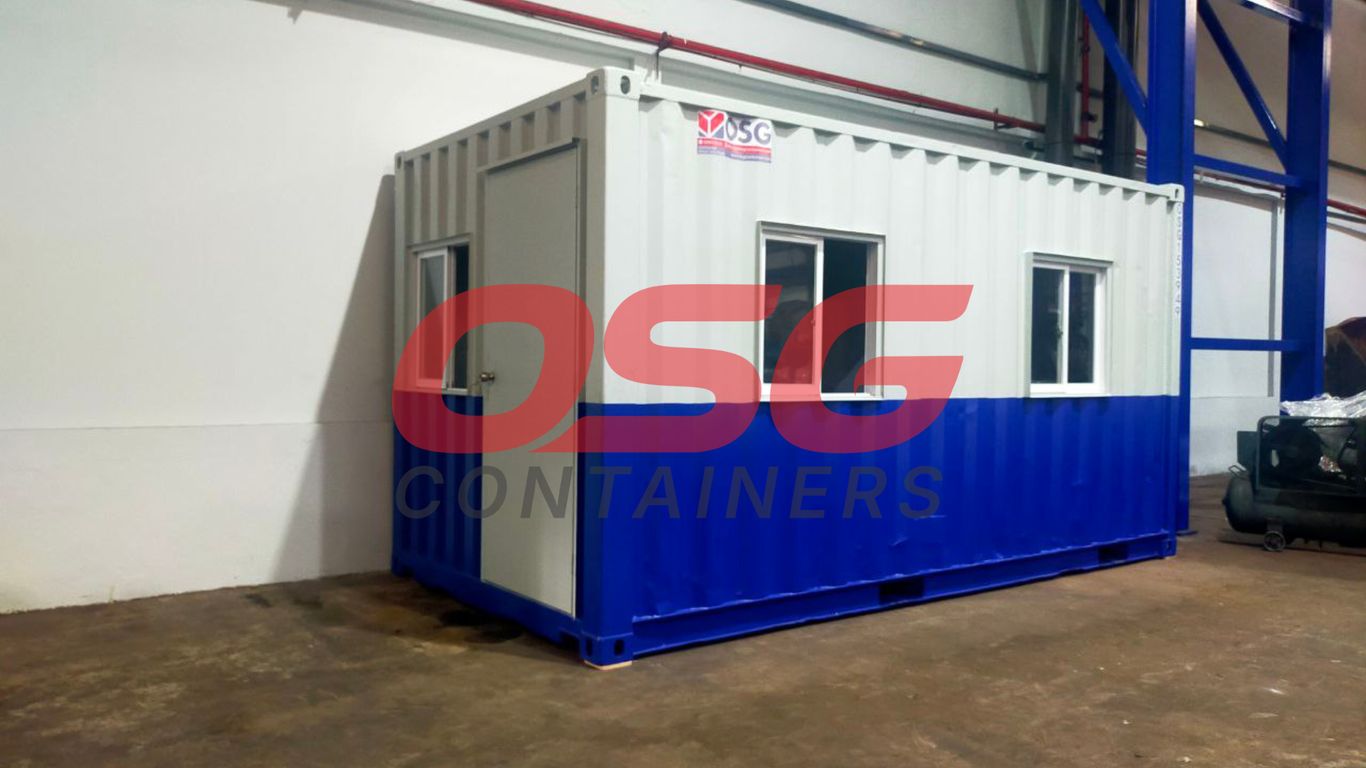
You know, sometimes we get so caught up in the big picture of a project – deadlines, budgets, all that jazz – that we forget about the little things. Like the actual place where everyone works. I’m talking about the site office. It might seem like just a temporary spot, but how it’s set up can actually make a big difference in how well things go. Think about it: a messy, uncomfortable space probably isn’t going to make anyone feel motivated to do their best work, right? This article looks at why paying attention to the site office design is a smart move.
Key Takeaways
- A well-designed site office can directly boost how much work gets done by improving focus through better lighting and less noise.
- The way a site office is laid out matters a lot for teamwork and making sure work flows smoothly.
- Making the site office a comfortable and welcoming place helps keep employees happy and feeling good about their jobs.
- Thinking about the site office as part of your company’s brand helps build team spirit and shows what your business is all about.
- The process of designing and building a site office should involve the people who will actually use it to get the best results.
Enhancing Productivity Through Thoughtful Site Office Design
The Influence of Lighting and Acoustics on Focus
When you’re working on a busy construction site, the office space needs to be a sanctuary for concentration. Good lighting makes a big difference. Natural light is best, if possible, but if not, using the right kind of artificial light can prevent headaches and eye strain. Think about the color temperature of your lights too; cooler tones can help with alertness. Acoustics are just as important. In a temporary setup, like an office container on rent, sound can easily travel. Using sound-dampening materials on walls or even strategically placed rugs can cut down on distracting noise. This helps everyone stay focused on their tasks, whether it’s planning the next phase or reviewing blueprints.
Optimizing Layout for Collaboration and Workflow
The way your site office is arranged really matters for how smoothly things run. A good layout makes it easy for people to talk to each other when they need to, but also gives them space to get their own work done without interruption. Consider having a main area for quick meetings or team huddles, and then smaller, quieter spots for individual tasks. If you’re using a modular setup, like a container as an office, think about how you can divide the space effectively. This isn’t just about putting up walls; it’s about creating logical zones for different activities. A well-planned flow means less time wasted walking around and more time spent on productive work.
The Role of Color Psychology in the Site Office
Don’t underestimate the power of color in your site office. The colors you choose can actually affect how people feel and work. For instance, blues and greens can create a sense of calm and focus, which is great for detailed work. Warmer colors like yellows or oranges, used sparingly, can spark creativity and energy. It’s not about painting the whole place bright orange, but using color strategically to create different moods in different areas. Even small touches, like a colored notice board or a plant with vibrant leaves, can make a space feel more inviting and less sterile. This thoughtful use of color can contribute to a more positive and productive atmosphere for the whole team.
Boosting Employee Morale and Satisfaction
Creating a Welcoming Impression for Clients
First impressions count, and your site office is often the first physical touchpoint clients have with your company. A clean, organized, and well-maintained site office signals professionalism and attention to detail. It shows that you care about your operations and, by extension, your clients’ projects. Think about it: a cluttered, disorganized space can make clients question your ability to manage a project effectively. Simple touches like clear signage, a tidy reception area, and comfortable seating for visitors can make a significant difference. It’s not about luxury, but about showing respect for their time and business.
Fostering Creativity and Engagement
An office that feels like a sterile box can stifle new ideas. To get people thinking outside the box, the space itself needs to encourage it. This means incorporating elements that spark conversation and collaboration. Think about areas with whiteboards for impromptu brainstorming sessions, comfortable seating arrangements that encourage informal chats, or even just a well-stocked coffee station that acts as a natural gathering point. When people feel connected and have spaces to easily share thoughts, creativity tends to flow more freely. It’s about making it easy for good ideas to bubble up.
Prioritizing Employee Wellbeing and Comfort
Happy employees are productive employees, and a big part of that happiness comes down to basic comfort and wellbeing. This isn’t just about having a chair; it’s about having the right chair. Investing in ergonomic furniture can make a world of difference, reducing physical strain and discomfort that can distract from work. Good lighting, both natural and artificial, plays a huge role too, impacting mood and energy levels. Even small things like providing access to clean water, a comfortable break area, or decent temperature control can show your team that you value their wellbeing. When people feel looked after, they’re more likely to feel loyal and engaged with their work.
A site office that prioritizes employee comfort and provides spaces that encourage interaction and idea-sharing isn’t just a nice-to-have; it’s a strategic asset. It directly impacts how people feel about their jobs and their company, which in turn affects their output and dedication.
Here are a few practical ways to boost morale through your site office:
- Comfortable Workstations: Provide adjustable chairs and desks that support good posture. Consider standing desk options.
- Adequate Lighting: Maximize natural light where possible and supplement with good quality artificial lighting that isn’t harsh or dim.
- Break Areas: Designate a comfortable space for breaks, equipped with amenities like a microwave, refrigerator, and seating away from work desks.
- Acoustic Considerations: Minimize distracting noise. Use sound-absorbing materials or create quieter zones for focused work.
- Personal Touches: Allow employees to personalize their immediate workspace within reasonable guidelines.
The Strategic Importance of Site Office Functionality
Balancing Open Spaces with Private Work Zones
Think about your typical workday. Some tasks need quiet focus, right? Others benefit from a quick chat with a colleague. A good site office design gets this. It’s not about just one big open room or a maze of tiny cubicles. It’s about having both. We need areas where people can really concentrate without constant interruptions. This might mean small, sound-dampened pods or quiet zones with clear signage. Then, you also need spaces that encourage interaction. Think comfortable seating areas or small meeting nooks where impromptu discussions can happen. Getting this balance right means people can choose the environment that best suits what they’re doing at any given moment. This flexibility really helps get more done.
Incorporating Ergonomic Furniture and Equipment
This is where comfort meets efficiency. Spending hours hunched over a desk or using a chair that feels like a medieval torture device is a recipe for discomfort and lost productivity. Investing in ergonomic furniture isn’t just a nice-to-have; it’s a smart move. We’re talking about chairs that support your back properly, desks at the right height, and monitors positioned correctly. Even simple things like good keyboard trays and footrests make a difference. When people are physically comfortable, they can focus better and work longer without aches and pains. It shows you care about your team’s well-being, which, in turn, makes them more engaged.
Here’s a quick look at what to consider:
- Adjustable Chairs: Look for lumbar support and adjustable height/armrests.
- Desk Height: Ensure desks allow for a neutral posture, whether sitting or standing.
- Monitor Placement: Use stands or arms to bring screens to eye level.
- Keyboard and Mouse: Consider ergonomic designs that reduce wrist strain.
Ensuring Adaptability for Evolving Needs
Projects change, teams grow, and technology advances. Your site office shouldn’t be a static structure that becomes obsolete quickly. It needs to be flexible. This means thinking about modular furniture that can be easily reconfigured. It means having enough power outlets and good network infrastructure that can handle future upgrades. Consider spaces that can serve multiple purposes. A meeting room today might be a project war room tomorrow, or even a quiet zone during a busy period. Designing with adaptability in mind means your site office can keep up with the project’s lifecycle and your team’s changing requirements, saving you time and money down the line.
A site office that can adapt is an investment in ongoing efficiency. It avoids the need for costly and disruptive modifications later on, allowing the workspace to remain a productive asset throughout the project’s duration.
Integrating Branding and Culture into the Site Office
Reflecting Business Identity and Values
Think about your site office not just as a temporary structure, but as a physical representation of your company. It’s one of the first things clients see when they visit, and it’s where your team spends their working hours. Making sure the space reflects who you are as a business is pretty important. This means more than just slapping your logo on a wall, though that’s part of it. It’s about the overall feel, the colors you choose, and even the materials used. If your company is all about innovation and forward-thinking, the office should feel modern and dynamic. If you’re a more traditional, established firm, perhaps a more classic and solid design makes sense. The goal is to create an environment that instantly communicates your core identity and what you stand for.
Creating a Sense of Unity and Pride
When employees walk into their site office, they should feel a connection to the company and a sense of belonging. This is where company culture really comes to life. You can achieve this by incorporating elements that celebrate your team’s achievements or highlight your company’s history. Think about displaying project milestones, team photos, or even awards. These visual cues can really help build a shared identity.
Here are a few ideas:
- Displaying company values: Use simple graphics or text to show your core principles.
- Celebrating successes: Create a ‘wall of fame’ for completed projects or employee recognition.
- Team-building spaces: Design areas where people can naturally connect and build camaraderie.
- Branded materials: Use company colors and logos consistently, but subtly, on things like stationery or signage.
A site office that feels like ‘ours’ rather than just ‘a place to work’ makes a big difference in how people feel about their job and the company they work for. It’s about building that shared experience.
Communicating Objectives Through Design
Your site office can also be a powerful tool for keeping everyone aligned on project goals. The layout itself can guide workflow and communication, but you can also use design elements to reinforce key objectives. For instance, if a major goal is collaboration, you might design open areas that encourage interaction. If efficiency is paramount, clear pathways and organized workstations are key. You could even use signage or visual displays to highlight project timelines, targets, or important updates. It’s about making the company’s direction visible and tangible within the workspace itself, helping everyone stay focused on what matters most.
The Office Design and Build Process for Site Offices
Getting a site office set up right isn’t just about throwing up some walls. It’s a whole process, from figuring out what you actually need to getting it built. Think of it like planning a big project – you wouldn’t just start digging without a blueprint, right? The same goes for your temporary workspace.
Defining Project Objectives and Scope
First things first, what’s this office for? Is it just a place to grab a coffee and do paperwork, or does it need to house a whole team with computers and meeting space? You need to nail down the goals. This means thinking about:
- How many people will use it?
- What kind of work will happen there?
- What equipment needs to fit?
- Are there any specific site requirements?
Knowing these things helps you figure out the size, layout, and even the type of structure. For instance, a modified container office might be perfect for a smaller, more mobile setup, while a larger project might need something more substantial. It’s all about matching the space to the job.
Selecting and Coordinating Contractors
Once you know what you need, you’ve got to find people to build it. This is where picking the right contractors comes in. You want folks who know what they’re doing, especially if you’re looking at something like a container office sale where modifications are key. Ask around, check references, and make sure they understand your timeline and budget.
Good communication with your contractors is key. Regular check-ins and clear instructions prevent misunderstandings and keep the project on track.
It’s not just about hiring them, though. You need to keep them coordinated. This means making sure everyone knows their role and how their work fits with others. A project manager can be a lifesaver here, keeping things moving smoothly.
Gathering Employee Input for Optimal Design
Don’t forget the people who will actually be using the office! What works for them? They’re the ones on the ground, so their insights are gold. Ask them about:
- Lighting preferences
- Need for quiet spaces versus open areas
- Comfortable seating and desk arrangements
- Storage needs
Even simple things like where to put the coffee machine can make a difference. Getting this input early on means fewer complaints later and a space that people actually want to work in. It shows you care about their experience, which is a win-win for everyone involved.
Long-Term Benefits of an Optimized Site Office
So, you’ve put thought into your site office design, making it a place people actually want to be. That’s great, but what does it mean down the road? It’s not just about looking good for a few months; a well-designed space keeps paying dividends.
Driving Tangible Business Results
Think about it: when your team isn’t constantly battling distractions or uncomfortable setups, they can actually get their work done. This translates directly into fewer errors, better quality output, and projects moving along more smoothly. A productive team is a profitable team. When people feel good about where they’re working, they’re more likely to go the extra mile, which can speed up project completion times and impress clients.
Reducing Employee Turnover
Nobody likes working in a place that feels like a temporary, uncomfortable box. When you invest in a site office that’s well-lit, has decent acoustics, and offers comfortable places to sit and work, your employees notice. They feel valued. This makes them less likely to look for opportunities elsewhere. High turnover costs a lot of money in recruitment and training, so keeping your good people happy is a smart financial move.
Here’s a quick look at how a better environment can impact retention:
- Improved Morale: Happy workers stick around.
- Reduced Stress: Comfortable spaces mean less daily grind.
- Sense of Belonging: A well-designed office feels like a real workplace, not just a temporary stop.
Improving Overall Business Performance
When you combine increased productivity with lower turnover, you get a business that just runs better. Projects get finished on time and on budget more often. Your company builds a reputation for being a good place to work, which helps attract even more talent. It creates a positive cycle where good design leads to good work, which leads to good business.
Investing in the site office isn’t an expense; it’s a strategic decision that impacts your bottom line through your people. It’s about creating an environment where work happens effectively and people feel supported.
Wrapping It Up
So, it turns out that where your team works really does matter. A good office setup isn’t just about looking nice; it’s about making sure everyone can do their best work. When you put thought into things like lighting, how the space is laid out, and even where people sit, you’re basically giving your project a better chance to succeed. It helps people feel better about their jobs, work together more smoothly, and generally makes the whole operation run a lot better. Think of your office as a tool – a really important one – for getting things done right.
Frequently Asked Questions
Why is the design of a site office important for a project?
A well-designed site office makes work easier and more comfortable for everyone. It can help people focus better, work together more smoothly, and feel happier while on the job. This means projects can get done more efficiently and with better results.
How does lighting and noise affect work in a site office?
Good lighting, especially natural light, can make people feel more energetic and less tired. Controlling noise levels is also key; too much noise makes it hard to concentrate. When lighting and sound are just right, people can focus on their tasks without getting easily distracted.
What’s the best way to arrange a site office for teamwork?
Arranging the office so people can easily talk and share ideas is important. Having areas for both quiet work and group discussions helps. This balance allows for focused tasks and also encourages teamwork and creative thinking.
Can the colors in a site office make a difference?
Yes, colors can affect how people feel and work. Calming colors like blue might help with focus, while brighter colors like yellow could spark creativity. Choosing the right colors can help create a more positive and productive atmosphere.
How can furniture make a site office better?
Using comfortable and adjustable furniture, like chairs that support your back and desks you can stand at, helps people feel better physically. This reduces discomfort and makes it easier to work for longer periods without feeling tired or sore.
What are the long-term benefits of a good site office design?
A great site office can lead to happier employees who are less likely to leave their jobs. It can also improve the company’s overall success by boosting productivity and making clients feel impressed. It’s an investment that pays off.