Singapore
 Australia
 Indonesia
 Japan
Japan Malaysia
 New Zealand
 Philippines
 South Korea
 Taiwan
 Thailand
 VIETNAM
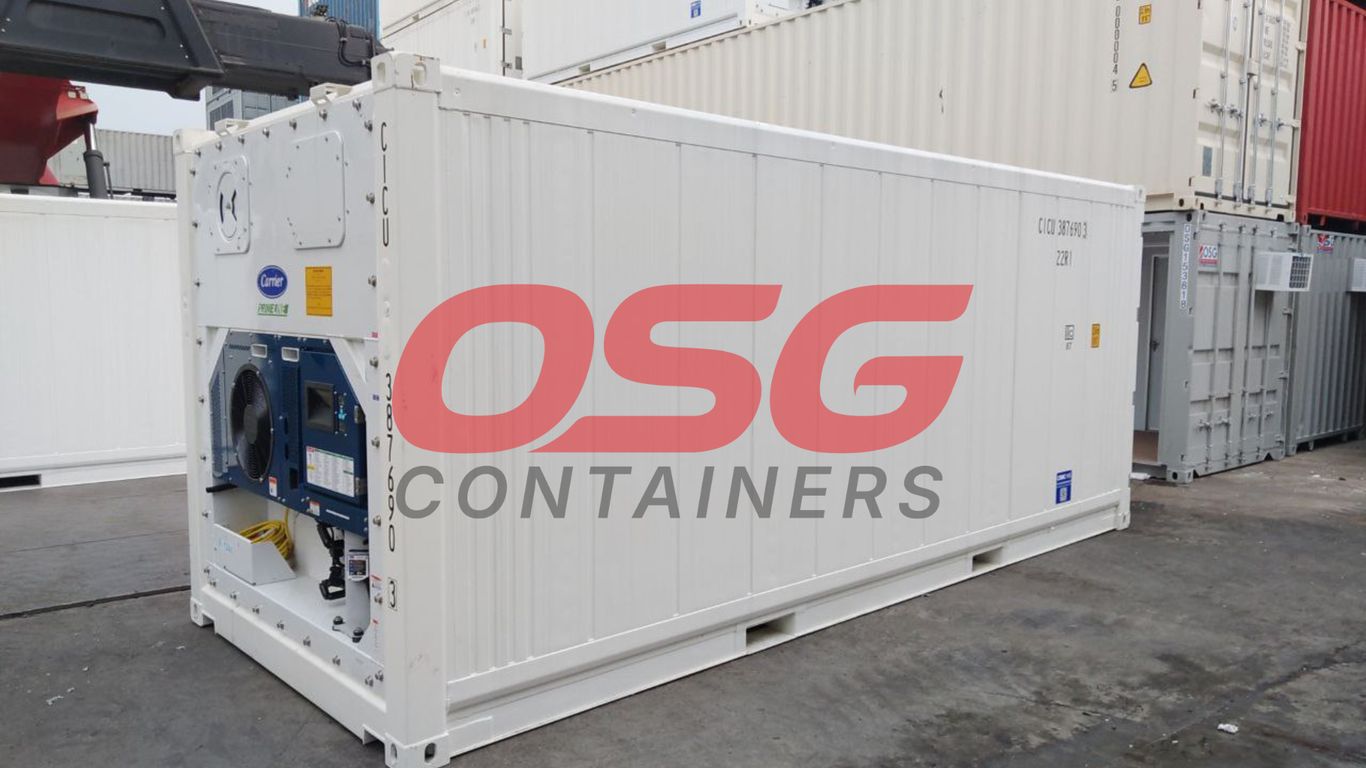
Ever wonder how your favorite fruits stay fresh on the long trip from the farm, or how important medicines get to where they’re needed without spoiling? It’s all thanks to a special kind of shipping box: the container reefer. These aren’t just metal boxes; they’re like giant, mobile refrigerators. We’re going to look at what makes a container reefer a whole system, not just a cooled box, and why it’s so important for so many things we use every day.
Key Takeaways
- A container reefer is a specialized shipping unit with a built-in cooling system, designed to keep cargo at specific temperatures, from frozen to cool.
- These containers maintain temperature using thick insulation, a refrigeration unit, and fans to circulate air evenly.
- Container reefers are essential for moving perishable items like food, medicines, and certain chemicals, preventing waste and damage.
- They need a steady power source, often from ships, trains, trucks, or separate generators, to run their cooling systems.
- Modern container reefers often have advanced features like remote monitoring and the ability to handle different temperatures within the same unit.
Understanding The Container Reefer System
What Exactly Is A Reefer Container?
A reefer container, short for refrigerated container, is way more than just a metal box. Think of it as a mobile, high-tech refrigerator designed for the tough job of moving goods across long distances. Unlike a standard shipping container that just protects cargo from the elements, a reefer has a built-in system to actively control the internal temperature. This allows it to keep a wide range of products, from fresh produce to sensitive medicines, at a very specific temperature, whether that’s chilled or frozen. These specialized units are the backbone of global trade for anything that can’t handle temperature swings.
The Nautical Origins Of The Term "Reefer"
The word "reefer" itself is a bit of maritime slang. It’s simply a shortened, informal way of saying "refrigerated." Sailors and dockworkers probably started using it ages ago to talk about ships or containers that kept things cold. It’s a term that stuck because it’s quick and easy, and now it’s the standard industry name for these temperature-controlled shipping workhorses.
Reefer Containers Versus Dry Containers
The main difference between a reefer container and a standard dry container comes down to one thing: temperature control. A dry container is essentially just a protective shell, good for non-perishable items like electronics, furniture, or canned goods. A reefer, on the other hand, is a complex piece of equipment with an integrated refrigeration unit, insulation, and power systems. This allows it to maintain a set temperature, which is vital for perishable items.
Here’s a quick look at the key differences:
- Temperature Control: Dry containers have none; reefers actively cool or heat.
- Insulation: Dry containers have minimal; reefers have high-performance insulation.
- Refrigeration Unit: Dry containers lack this; reefers have one built-in.
- Power: Dry containers don’t need it; reefers require a power source.
The ability to maintain precise temperature ranges means reefers are indispensable for industries where product integrity is non-negotiable. This goes beyond just food; think about pharmaceuticals, certain chemicals, and even some high-tech components that can degrade if not kept within specific thermal limits during transit.
Core Components Of A Container Reefer
The Crucial Role Of Insulation And Enclosure
When you look at a reefer container, it might seem like just a metal box. But the real magic is in how it’s built to keep things at just the right temperature. The outer shell is usually steel, tough enough for the journey. Inside, though, it’s packed with thick layers of insulation, often polyurethane foam. This stuff acts like a super-powered thermos, stopping outside heat from getting in and the cold air from escaping. The better the insulation, the less the refrigeration unit has to work, saving energy and keeping the temperature steady. Even the doors have special seals to make sure no warm air can sneak in. It’s all about creating a sealed, temperature-controlled environment.
Components Of The Refrigeration Unit
The heart of any reefer container is its refrigeration unit. This isn’t just a simple cooling coil; it’s a complex system designed for the job. Here are some of the main parts:
- Evaporator: This part cools the air inside the container. It can also heat the air if needed, using hot gas or electric elements to keep the temperature just right.
- Condenser: This unit releases heat from the inside of the container to the outside air. How it does this can vary, but the goal is to get rid of the heat.
- Compressor: This is like the engine of the refrigeration system, circulating the refrigerant gas.
- Expansion Valve: This controls the flow of refrigerant into the evaporator.
These components work together to actively cool or heat the air inside.
Integrated Air Circulation Systems
Keeping the temperature consistent throughout the entire container is a big challenge, especially when you’re moving goods across oceans. That’s where the air circulation system comes in. Inside, fans are strategically placed to move the air around. This constant movement helps to prevent hot or cold spots and makes sure the temperature stays uniform from top to bottom and front to back. It’s like a gentle breeze that keeps everything evenly chilled or heated. Without good airflow, the refrigeration unit would struggle to maintain the set temperature, and your cargo could be at risk. Some reefer containers also have vents to let in fresh air or let out gases produced by certain types of cargo, like ripening fruit, which can also affect temperature and humidity.
Proper loading is key to making sure this air circulation system works effectively. If the container is packed too tightly or in a way that blocks the vents, the air can’t move freely, and the temperature control suffers. It’s a delicate balance.
How Container Reefers Maintain Temperature
So, how do these specialized containers actually keep things at that perfect, steady temperature, whether it’s freezing cold or just nicely chilled? It’s not just about slapping a cooling unit on a box; it’s a whole system working together. The main goal isn’t really to cool down warm cargo once it’s inside – that takes way too much energy and time. Instead, reefers are designed to maintain a temperature that was already set before the goods were loaded. This is why pre-cooling your cargo is such a big deal.
Active Cooling And Heating Capabilities
Refrigerated containers have a refrigeration unit that’s pretty sophisticated. It’s not just a one-trick pony that only cools. Many units can actually provide heat too, which is handy for certain types of cargo that might freeze in very cold climates. The system works by circulating a refrigerant gas. When it needs to cool, it pulls heat from the inside air and releases it outside. If heating is needed, it reverses this process. This active system is what allows for precise temperature adjustments, keeping the interior within a tight range.
Precise Temperature And Humidity Control
Keeping the temperature just right is only part of the story. Humidity control is also super important for many types of cargo, especially fresh produce. Too much moisture can lead to mold, while too little can cause wilting. Modern reefers have systems that can manage humidity levels, often within a specific percentage range. You can set both the temperature and the desired humidity, and the unit’s controls will work to keep them stable.
Here’s a general idea of some common temperature ranges:
| Cargo Type | Approximate Temperature Range | Notes |
|---|---|---|
| Fresh Produce | 0°C to 13°C | Varies greatly by specific item |
| Frozen Goods | Below -18°C | For items like meat, seafood, ice cream |
| Pharmaceuticals | 2°C to 8°C | Requires very strict, stable control |
| Super Freezer | -60°C to -20°C | For highly specialized low-temp needs |
The Importance Of Airflow Management
Even with a perfectly working cooling unit, if the cold air can’t get to all your cargo, you’re going to have problems. That’s where airflow comes in. Reefers are designed with special flooring, often T-shaped or with channels, that allows cold air to be blown in from the bottom. This air then circulates up and around the cargo, preventing warm spots. Good airflow is also key for ventilation, letting out gases that can spoil produce, like ethylene. Without proper airflow, you can’t maintain that consistent environment needed for your goods.
The entire process relies on a continuous cycle of heat exchange and air movement. The refrigeration unit works to remove heat from the insulated interior, while fans ensure this cooled air is distributed evenly. This constant circulation is what prevents temperature fluctuations and keeps the cargo in its optimal condition throughout its journey.
Advanced Container Reefer Functionality
Dual-Temperature Capabilities For Mixed Loads
Sometimes, you’ve got a shipment with different items that need different temperatures. Think frozen berries alongside chilled dairy products. Instead of using two separate containers, some advanced reefers can handle this. They use a special divider to create two distinct climate zones within a single unit. This is a real lifesaver for mixed loads, saving you space and hassle. It’s like having two specialized refrigerators in one box.
Sophisticated Monitoring And Control Systems
Modern reefers aren’t just set-and-forget boxes. They come with smart systems that keep a close eye on things. These systems can track temperature, humidity, and even air pressure. If anything goes outside the set limits, they can send alerts to your phone or computer. This means you can catch problems early, before they ruin your cargo. Some systems even log this data, giving you a detailed history of the journey.
Here’s a quick look at what these systems monitor:
- Temperature
- Humidity
- Airflow
- Door openings
- Refrigeration unit status
These advanced features mean reefers are more than just transport boxes; they’re sophisticated environmental control systems that protect your valuable cargo every step of the way. They require careful planning of airflow and insulation to maintain distinct environments.
Powering The Reefer: Essential Energy Sources
Running a reefer unit takes power, and there are a few ways this happens. When the container is on a ship, it usually plugs into the vessel’s power supply. On land, it can connect to shore power at a terminal or warehouse. If neither of those is available, a portable generator, often called a genset, can be attached to the container. This genset runs on diesel fuel and provides the electricity needed to keep the cooling unit humming along. Choosing the right power source is key to keeping your cargo at the right temperature, no matter where it is.
Vital Applications For Container Reefers
Transporting Perishable Foodstuffs Globally
Reefers containers are the backbone of the global food trade. Think about all the fresh produce, dairy, meat, and frozen goods that travel across oceans every single day. Without these specialized containers, getting a ripe avocado from South America to your local grocery store in Europe would be practically impossible. They keep things at the exact temperature needed, whether that’s just cool enough for berries or freezing cold for ice cream. This stops spoilage and waste, making sure what leaves the farm or factory arrives at its destination in good condition. It’s a huge part of why we have access to such a wide variety of foods year-round.
Ensuring Pharmaceutical Integrity
When it comes to medicines and vaccines, temperature control isn’t just about quality; it’s about safety and effectiveness. Many pharmaceuticals are incredibly sensitive to heat and cold. A slight temperature fluctuation can render a life-saving vaccine useless or even harmful. Reefer containers provide the stable, monitored environment needed to transport these vital supplies across vast distances. This is especially important for global health initiatives and getting critical medications to remote areas. The market for these specialized pharmaceutical reefers is growing fast, showing just how important they are.
Handling Sensitive Chemicals And Industrial Goods
It’s not just food and medicine that need careful temperature management. Certain chemicals, industrial components, and even some electronic parts can degrade or become unstable if exposed to the wrong temperatures during transit. Reefers containers offer a controlled environment to prevent these issues. While not as common as food transport, using reefers for these goods prevents costly product loss and safety hazards. Sometimes, specialized containers like iso tanks are used for bulk liquids, but for packaged chemicals or sensitive components, a reefer is often the best choice.
Keeping cargo at the right temperature isn’t just about preventing spoilage; it’s about maintaining the intended properties and safety of the goods being transported. This requires a system that can actively cool, heat, and monitor conditions, not just passively insulate.
Here’s a quick look at what reefers help protect:
- Fresh produce (fruits, vegetables)
- Dairy products and meats
- Frozen foods and ice cream
- Vaccines and pharmaceuticals
- Certain chemicals and industrial materials
- Some sensitive electronic components
Best Practices For Container Reefer Usage
So, you’ve got your temperature-sensitive goods ready to ship, and you’re using a reefer container. That’s great! But just having the container isn’t the whole story. To make sure your cargo arrives in the best possible condition, there are a few things you really need to pay attention to. It’s not rocket science, but it does require a bit of care.
The Necessity Of Pre-Cooling Cargo
Think of it like this: if you’re trying to keep ice cream frozen, you wouldn’t put it into a warm box, right? The same idea applies to reefer containers. You need to pre-cool both the container and the cargo before you even start loading. If you load warm products into a reefer that’s already set to a cold temperature, the unit has to work overtime to bring the cargo down. This wastes energy and, more importantly, can put your goods at risk of spoilage during that initial warm period. So, give your reefer and your cargo a head start by getting them both to the target temperature beforehand. This is a step that many people overlook, but it makes a big difference.
Proper Loading For Optimal Airflow
Airflow is super important inside a reefer. It’s what helps keep the temperature even throughout the entire container. You don’t want hot spots or cold spots. This means you can’t just stuff the container full and hope for the best. You need to stack your cargo in a way that lets the cool air circulate freely. Using pallets is a good idea, as it lifts the cargo off the floor and allows air to move underneath. Also, be mindful of the vents on the reefer unit itself – don’t block them with your product. If you’re shipping items that release gases, good ventilation is even more critical. It’s about creating a consistent environment for everything inside.
Here’s a quick look at how different goods need different airflow:
- Frozen Goods: Stack these tightly together, almost like building a solid block. The goal is to minimize any gaps, which helps the cold air stay contained and keeps the temperature low. Think of it as creating an insulated wall of product.
- Chilled Goods: These need air to flow through them. This process helps remove heat and any gases the product might release. Proper ventilation is key here to maintain quality.
- General Cargo: Ensure there’s space between boxes and the container walls. Boxes should ideally have vent holes aligned to allow air to move vertically from bottom to top.
Proactive Maintenance For Bottom-Line Protection
This might seem obvious, but it’s worth saying: keep your reefer clean and in good working order. After each use, give it a good clean. You don’t want leftover residue from a previous shipment affecting your current cargo, especially if you’re moving food or pharmaceuticals. Beyond cleaning, regular maintenance is key. These units have complex machinery. Just like you’d get your car serviced, reefer units need checks and tune-ups. This helps prevent breakdowns during transit, which can be a disaster for temperature-sensitive goods. It’s also worth noting that while you might be looking at buying a shipping container for general storage, a reefer is a specialized piece of equipment that needs specialized care.
Keeping your reefer unit clean and well-maintained isn’t just about preventing breakdowns; it’s about protecting the value of your cargo and avoiding costly delays or losses. Regular checks and cleaning are part of the job when you’re dealing with sensitive shipments.
More Than Just a Box
So, when we talk about a reefer container, it’s easy to just think of it as a big, cold box. But as we’ve seen, it’s way more than that. It’s a whole system, with insulation, a cooling unit, fans, and controls all working together. This complex setup is what keeps our food fresh, our medicines safe, and all sorts of other temperature-sensitive stuff from going bad on long journeys. It’s a pretty amazing piece of technology that keeps a lot of the global trade moving smoothly. Next time you see one, remember it’s not just a container; it’s a carefully managed environment on wheels, or on a ship, or on a train.
Frequently Asked Questions
What exactly is a reefer container?
A reefer container is like a big, mobile refrigerator for shipping. It’s a special box with its own cooling system built-in. This lets it keep things like food, medicine, or other items that can go bad at a very specific temperature, whether it’s super cold or just cool, as they travel long distances.
How do these containers keep things cold or frozen?
Reefer containers have a refrigeration unit, kind of like the one in your home fridge but much stronger. This unit works to remove heat from the inside. The container itself is also built with thick insulation, like a super-thermos, to keep the outside heat from getting in and the inside cold from getting out. Fans help move the cold air around evenly.
Can a reefer container make things frozen or just keep them cool?
Yes, they can do both! Reefer containers can be set to keep things chilled, like fresh fruits, or to freeze them solid, like ice cream or frozen vegetables. Some special ones can even get colder than a regular freezer.
What’s the difference between a reefer container and a regular shipping container?
A regular shipping container is just a metal box that protects things from the weather. A reefer container is much more advanced. It has a built-in cooling system and thick insulation to actively control the temperature inside, making it perfect for items that can spoil or be damaged by heat.
Why is airflow so important inside a reefer container?
Good airflow is super important because it makes sure the cold air reaches all the products inside evenly. Without it, you could end up with warm spots where food might spoil or medicines could lose their effectiveness. It’s all about keeping the temperature consistent everywhere.
Do reefer containers need electricity?
Yes, they absolutely do! The refrigeration unit needs power to run. While they’re on a ship, train, or truck, they usually get electricity from the vehicle or a special generator. When they’re parked, they can be plugged into an electrical outlet.