Singapore
 Australia
 Indonesia
 Japan
Japan Malaysia
 New Zealand
 Philippines
 South Korea
 Taiwan
 Thailand
 VIETNAM
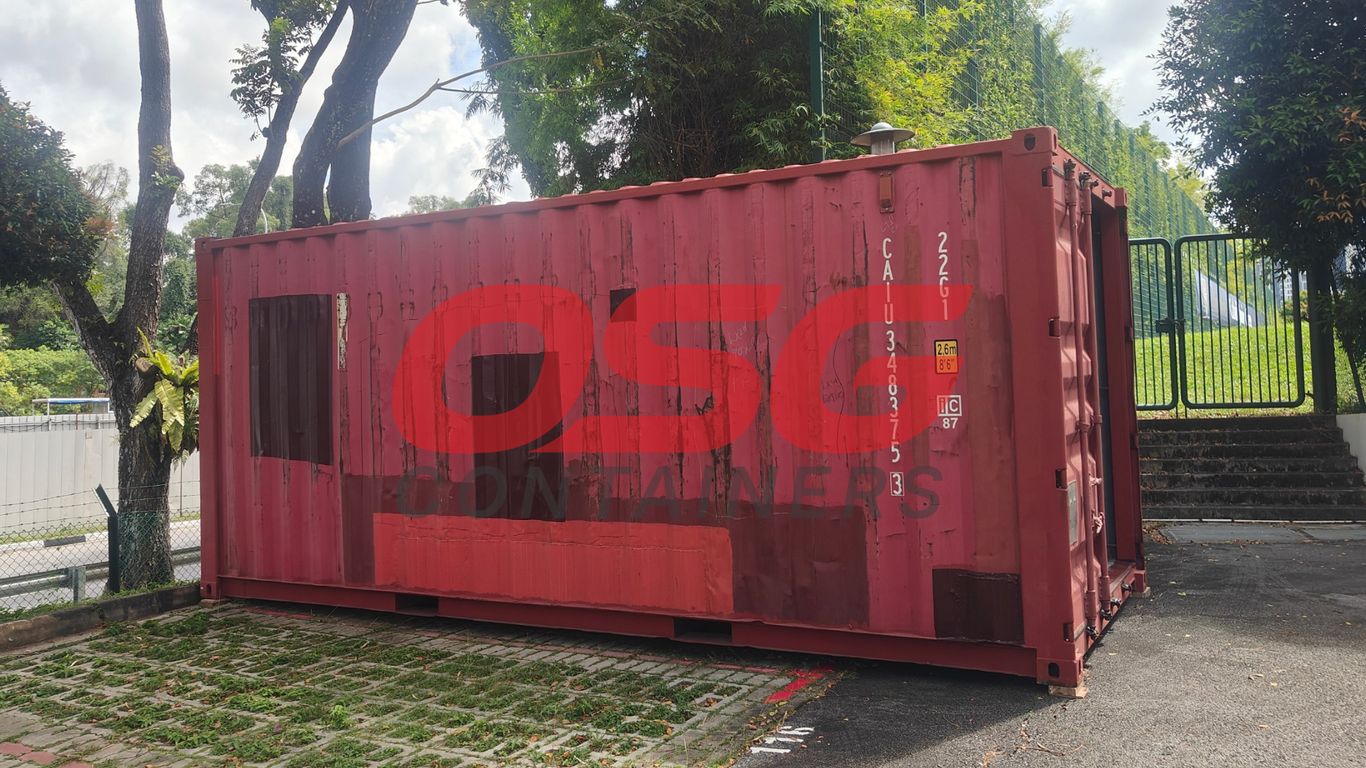
You see them everywhere, right? Those big metal boxes stacked up at ports or rolling down the highway. We often just think of them as boxes for shipping stuff, but the 20ft container is actually way more useful than most people realize. It’s not just about moving goods from point A to point B. These things are tough, adaptable, and can be used for all sorts of projects, from powering remote areas to becoming part of buildings. Let’s take a closer look at why the humble 20ft container is so much more than just a shipping box.
Key Takeaways
- The standard 20ft container has an internal volume of about 33 cubic meters, perfect for many types of cargo. There’s also a High Cube (HC) version that gives you more height, around 37 cubic meters of space.
- These containers are super strong and built to handle tough weather, making them good for all sorts of environments, even harsh ones.
- Beyond shipping, 20ft containers are being turned into useful spaces like offices, storage units, and even homes. They’re also used in renewable energy, like mobile solar power stations.
- Choosing the right 20ft container means looking at what you’re shipping – its size, weight, and how much space it takes up. Getting this right saves money and hassle.
- Using 20ft containers helps make shipping more efficient, which is better for the environment by reducing the number of trips needed and supporting greener supply chains.
The Enduring Appeal Of The 20-Foot Container
Understanding The 20 Foot Standard Container
It’s funny how some things just stick around, right? The 20-foot shipping container is one of those things in the logistics world. You see them everywhere, stacked up on ships, sitting in yards, even being turned into cool little shops. They’ve been around for ages, and there’s a good reason for that. They just work. It’s not about being fancy; it’s about being reliable and fitting into the way things get done.
Key Characteristics And Dimensions
So, what makes this particular box so popular? Well, it’s a pretty straightforward design, built to strict international standards. Think of it as the Swiss Army knife of cargo. It’s not too big, not too small, just right for a lot of different jobs.
Here’s a quick rundown of what you’re usually getting:
- External Dimensions: Roughly 20 feet long, 8 feet wide, and 8.5 feet tall. Easy to picture, right?
- Internal Volume: Around 33 cubic meters. That’s enough space for a decent amount of stuff, like furniture for a small apartment or a good chunk of electronics.
- Max Payload: Typically can carry up to about 28,000 kilograms, depending on the specific rules.
- Material: Usually made from a tough steel called Corten steel. This stuff is designed to resist rust, which is pretty important when it’s out in the weather.
The beauty of these dimensions is that they are universally recognized. This means cranes, trucks, and trains are all built to handle them without a fuss. It’s this standardization that really keeps things moving smoothly.
Built For Durability And Intermodal Transport
These containers aren’t just flimsy metal boxes. They’re built tough. The steel construction means they can handle being banged around a bit, stacked high, and exposed to all sorts of weather. This durability is a huge part of why they last so long and are a good investment.
What’s also super important is how easily they can switch between different types of transport. You can load goods onto a ship, then have that container moved directly onto a train, and finally onto a truck to reach its final destination. This is called intermodal transport, and the 20-foot container is a champ at it. It saves a ton of time and effort because you don’t have to unload and reload the cargo at every step. This ability to seamlessly transition between ships, trains, and trucks is a major reason why the 20-foot container remains a logistics staple.
Versatility In Cargo Handling
Transporting General And Specialized Cargo
The 20-foot container, in its various forms, is a real workhorse for moving all sorts of stuff. For everyday goods, like electronics, clothing, or manufactured parts, the standard 20-footer is usually the go-to. It’s built tough and keeps things protected from the weather. But what happens when your cargo is a bit… unusual? That’s where the specialized versions really shine.
Think about items that are too tall to fit through a regular door, or maybe too awkward to lift from the side. For those, you might look at a 20-foot High Cube. It gives you that extra bit of vertical space, which can make a surprising difference. Or, if you’ve got something that needs to be loaded from the very top, like a piece of heavy machinery or a big pile of bulk material, an Open-Top container is your friend. It’s basically a standard container with a removable roof, often a tarp, so you can get a crane or forklift right over it. It makes loading those tricky items much simpler.
Then there are the really big, awkward loads. For things like boats, large industrial pipes, or construction equipment that just won’t fit inside any box, the Flat Rack container comes into play. It’s more like a platform with collapsible ends. You can load cargo onto it from the sides or top, and it’s secured with straps and chains. It doesn’t offer much protection from the elements, mind you, but it opens up possibilities for moving things that would otherwise be impossible to ship.
Adapting To Diverse Industries
It’s not just about the shape of the cargo, either. Different industries have different needs, and the 20-foot container has adapted. Manufacturers use them for shipping finished goods, of course, but also for moving raw materials or components between factories. Construction companies might use them to transport tools and equipment to a job site, or even as temporary site offices. Farmers could use them for moving produce or equipment. The adaptability means that whether you’re in manufacturing, construction, agriculture, or even retail, there’s likely a 20-foot container setup that can handle your specific needs.
The beauty of the 20-foot container lies in its ability to be modified or chosen in a specific configuration to meet the unique demands of different types of cargo and industries. This flexibility is a major reason why it hasn’t been completely replaced by larger or more specialized transport methods.
Matching Goods To Container Specifications
Choosing the right container is key to making sure your goods arrive safely and without costing you extra. It’s a bit like picking the right tool for the job. You wouldn’t use a tiny screwdriver to hammer a nail, right? The same applies here.
Here’s a quick rundown of how different 20ft container types fit specific needs:
- Standard 20ft (1CC): Your everyday container. Great for general cargo, consumer goods, and most industrial parts. It’s the baseline.
- 20ft High Cube (1CCC): Offers about a foot more height than the standard. Perfect for bulkier items, taller equipment, or when you want to stack more goods vertically.
- 20ft Open-Top: Designed for easy top-loading. Ideal for machinery, bulk materials, or anything that’s easier to load from above using a crane.
- 20ft Flat Rack: For oversized cargo that doesn’t fit standard dimensions. Think large pipes, boats, or heavy machinery. Less common for typical loads but vital for the truly massive.
When you’re trying to figure out which one to use, always ask yourself a few questions:
- What are the exact dimensions and weight of my cargo? Does it fit comfortably, and is it within the container’s weight limit?
- How will I be loading it? From the side, top, or front? This will point you towards an open-top or standard container.
- Does my cargo need protection from the weather? If so, a standard or high cube is better than an open-top or flat rack.
- Are there any specific rules for the route I’m taking? Some places have limits on weight or size that you need to be aware of.
Getting this right means you avoid delays, extra costs, and potential damage to your goods. It’s all about smart planning.
Optimizing Logistics With The 20-Foot Unit
Space Utilization and Loading Strategies
So, you’ve got your 20-foot container picked out. Now comes the art of actually filling it up efficiently. Think of it like packing for a long trip – you want to get as much in as possible without everything getting jumbled up or broken. Smart loading isn’t just about stuffing things in; it’s about using every inch of that space. This means using things like packing materials, or dunnage, to fill up any empty spots and keep your cargo from shifting around during its journey. When stuff moves, it can get damaged, and nobody wants that. Plus, if you can pack more into one container, you might be able to cut down on the number of trips needed, which saves time and money.
Cost-Effectiveness for Various Shipments
Choosing the right container size really does impact your budget. If you end up paying for space you don’t even use, or if you try to cram too much into a container that’s too small, it can really hurt your bottom line. It’s a bit of a balancing act. The 20-foot container hits a sweet spot for a lot of shipments. It’s big enough to carry a decent amount of goods, but not so massive that you’re paying for empty air on smaller loads. This makes it a really sensible choice for businesses that don’t have massive, full-container-load shipments all the time.
Here’s a quick look at what a standard 20ft container can typically hold:
- Internal Volume: Around 33 cubic meters (1,169 cubic feet).
- Max Payload: Typically about 28,200 kg (62,170 lbs).
- Fits: Roughly 10 standard US pallets or 11 European pallets.
The Role of 20ft Containers in Specialized Transport
While the bigger 40-foot containers get a lot of attention, the 20-footer really shines when you’re moving heavier, more compact items. We’re talking about things like industrial machinery, specialized equipment, or even large batches of raw materials. These loads might not fill up a larger container, but they definitely have some serious weight. The 20-foot container is built tough and its size is manageable, making it a great fit for these kinds of jobs. It’s often easier to load and secure dense cargo in a 20ft unit, and its lower profile can sometimes mean better stability, especially if the journey gets a bit rough.
Picking the right 20ft container might seem straightforward, but there’s more to it than just grabbing the first one you see. It really comes down to matching what you’re shipping with the container’s specs. Get it wrong, and you could end up paying for space you don’t need, or worse, not being able to fit everything.
It’s worth noting that there are variations, like the 20ft High Cube (HC) container. This version gives you a bit more height, which is super useful if you’re shipping taller items or want to stack things higher. Choosing between a standard 20ft and a High Cube really depends on what you’re shipping. You don’t want to pay for extra height you don’t need, and you definitely don’t want to find out your tall items won’t fit in a standard one. It’s all about making sure the container’s internal space matches your cargo as closely as possible.
Beyond Shipping: Innovative Container Applications
Repurposing For Storage And Utility
These sturdy metal boxes aren’t just for hauling goods across oceans anymore. People are finding all sorts of clever ways to give 20-foot containers a second life, turning them into practical spaces for storage and work. Think about it: you get a ready-made, weatherproof structure that’s tough as nails. It’s a fantastic starting point for a workshop, a place to store equipment, or even a secure spot for tools on a construction site. Adding simple modifications like shelving, lighting, and ventilation can transform a basic container into a highly functional utility space. It’s a straightforward way to get extra room without the hassle of building from scratch.
Architectural And Commercial Conversions
It’s pretty amazing what architects and entrepreneurs are doing with shipping containers. They’re popping up everywhere as unique commercial spaces and even parts of buildings. Imagine a trendy pop-up shop, a cozy cafe, or a functional container office built from a repurposed 20-footer. They offer a cost-effective and quick solution for businesses looking for a distinctive presence. For those needing to move bulky items or machinery, an open top container is a real lifesaver, allowing for easy loading from above. This adaptability makes them a go-to for a variety of commercial needs.
Integration In Urban And Rural Projects
Containers are showing up in all sorts of places, from busy city centers to quiet countrysides. They’re being used for temporary housing during emergencies or renovations, providing quick shelter. In rural areas, they can serve as off-grid dwellings or storage for farming equipment. Even in urban settings, they’re being adapted into small libraries, classrooms, or kiosks for events. Their modular nature means they can be combined or modified to fit different project scales and locations.
The beauty of these containers lies in their simplicity and strength. They provide a solid foundation that can be adapted to countless needs, saving resources and time compared to traditional construction methods. It’s a practical approach to creating functional spaces wherever they’re needed.
Here’s a quick look at some common repurposing ideas:
- Storage Sheds: Perfect for garden tools, bikes, or seasonal items.
- Workshops: Equipped with benches and power for DIY projects or small businesses.
- Pop-Up Shops: Ideal for temporary retail or event stalls.
- Mobile Offices: Providing a dedicated workspace on remote sites.
- Tiny Homes: A compact and affordable housing solution.
Navigating Regulations And Ensuring Security
Compliance With International Standards
When you’re moving goods across borders, there are a bunch of rules you have to follow. The good news is that the 20-foot container is pretty much the universal language of shipping. Because so many of them are out there, and they’re all built to specific ISO standards, it makes dealing with different countries’ rules a lot simpler. You don’t have to worry as much about whether a container will be accepted at a port or if it meets the basic requirements for international travel. This standardization is a big deal for keeping things moving smoothly.
Features For Cargo Safety And Protection
These containers aren’t just big metal boxes; they’re designed to keep your stuff safe. They’re made from strong steel, which means they can handle rough handling, stacking, and all sorts of weather. Most have secure locking mechanisms on the doors to keep unauthorized people out. For really sensitive cargo, you can add extra things like seals, special padding, or even temperature control systems. It’s all about making sure what you send arrives in the same condition it left.
- Corrosion-resistant paint: Protects the steel from rust, especially in salty sea air.
- Heavy-duty locking bars: Keep doors securely shut during transit.
- Reinforced corners: Provide extra strength where containers are lifted and stacked.
- Weather-tight seals: Prevent rain and moisture from getting inside.
The consistent design of the 20-foot container means that logistics providers and customs officials know exactly what to expect. This predictability helps speed up inspections and reduces the chances of unexpected issues arising at borders or during transit.
Simplifying Planning With Standardized Units
Because the dimensions and weight limits of a 20-foot container are so well-known, planning your shipments becomes much easier. You can accurately calculate how much cargo will fit, how much it will weigh, and how it will fit onto ships, trains, or trucks. This predictability helps avoid costly mistakes, like booking too much or too little space, or finding out at the last minute that your cargo won’t fit. It takes a lot of the guesswork out of the equation, which is always a win when you’re dealing with complex supply chains.
The 20-Foot Container’s Role In Sustainability
Reducing Carbon Footprint Through Reusability
A container 20 ft is designed for repeat use, making it a simple but effective way to shrink logistics’ carbon footprint. Instead of single-use crates or excessive packaging, one sturdy steel box can make dozens or even hundreds of trips throughout its lifetime. Here’s what helps keep waste down:
- Repeat journeys: Most 20 feet containers can last 15+ years in active logistics service
- Less single-use waste: Replaces disposable wood, cardboard, and pallets
- Minimal repairs needed: Steel construction outlasts most alternatives
The humble 20 ft box might not look green, but it’s quietly reducing how much stuff we throw away in shipping every year.
Efficient Space Usage For Greener Supply Chains
Packing more goods tightly into each 20 feet container means fewer shipments and less fuel burned. When you fill up containers the right way, each trip counts for more. Here’s a quick snapshot:
| Container Type | Volume (approx.) | Max Payload |
|---|---|---|
| Standard 20ft | 33 m³ | 28,000 kg |
| 20ft High Cube | 37 m³ | 28,000 kg |
Some big reasons why the 20 ft container helps supply chains stay efficient:
- Predictable capacity means easy planning for full loads
- Standard exterior sizes allow stacking and tight ship loading
- Quick transfer between truck, rail, and ship cuts idling time
Environmental Benefits Of Container Repurposing
Once a shipping life ends, a 20 feet container isn’t trash. It’s regularly reused as storage space, pop-up shops, offices, or even housing. Repurposing old containers saves:
- Raw materials needed to build new sheds, offices, or tiny homes
- Energy that would be used melting or disposing of steel
- Space in landfills
People have even come up with ways to use containers for everything from mobile clinics to solar-powered workshops, making the most out of every box long after it leaves the water.
So, when you see a container 20 ft on the road, it’s probably done more than you think—carrying goods efficiently, being reused time and again, and maybe even helping someone start a new business when it retires. That’s real sustainability, plain and simple.
Still the Go-To Box
So, after all this, it’s pretty clear why the 20-foot container is still a big deal in shipping and storage. It’s not the biggest, and it’s not the newest, but it just works. Its size is manageable, it’s built tough, and you can use it for so many different things, from hauling electronics across the ocean to becoming a small office on a construction site. Plus, when you think about how much it can handle and how long it lasts, it makes a lot of sense for businesses trying to keep costs down and get their goods where they need to go. It’s a simple, reliable piece of equipment that keeps the world moving, one shipment at a time.
Frequently Asked Questions
What exactly is a 20-foot container?
Think of a 20-foot container as a standard metal box used for shipping things. It’s built really strong, like a tough steel box, and follows specific rules so it can be easily moved between ships, trains, and trucks. It’s about 20 feet long, 8 feet wide, and 8.5 feet tall, making it a popular size for many different kinds of goods.
Why are 20-foot containers still used so much?
Even though there are bigger containers, the 20-foot size is really handy. It’s not too big, so it can fit in more places, but it’s still large enough to carry a good amount of stuff. Plus, they’re built to last a long time and can be used over and over again, which makes them a reliable and often cheaper choice for shipping.
Can I put any kind of item in a 20-foot container?
Mostly, yes! They’re great for all sorts of regular items like boxes, furniture, and machinery. There are even special types, like ones with open tops for loading from above or ones that are a bit taller (High Cube) if your items are bulky. You just need to make sure your item fits and doesn’t weigh too much for the container.
Are 20-foot containers good for the environment?
Yes, they can be! Because they’re so durable, they can be used again and again for shipping, which is better than making new things all the time. Also, when they’re done being used for shipping, people often turn them into other useful things like storage sheds or even small houses, which means less waste.
How do I know if a 20-foot container is the right choice for my shipment?
It’s smart to think about what you’re sending. How big is it? How heavy is it? If you have a lot of heavy items that don’t take up a ton of space, a 20-foot container is often perfect. If you’re sending lighter things that fill up a lot of space, you might consider a bigger container, but for many common shipments, the 20-foot is just right.
Can 20-foot containers be used for things other than shipping?
Absolutely! People have gotten really creative. They’re used for storage on construction sites, turned into cool pop-up shops, mobile offices, or even made into unique homes. Their strong, boxy shape makes them perfect for building all sorts of different spaces.