Singapore
 Australia
 Indonesia
 Japan
Japan Malaysia
 New Zealand
 Philippines
 South Korea
 Taiwan
 Thailand
 VIETNAM
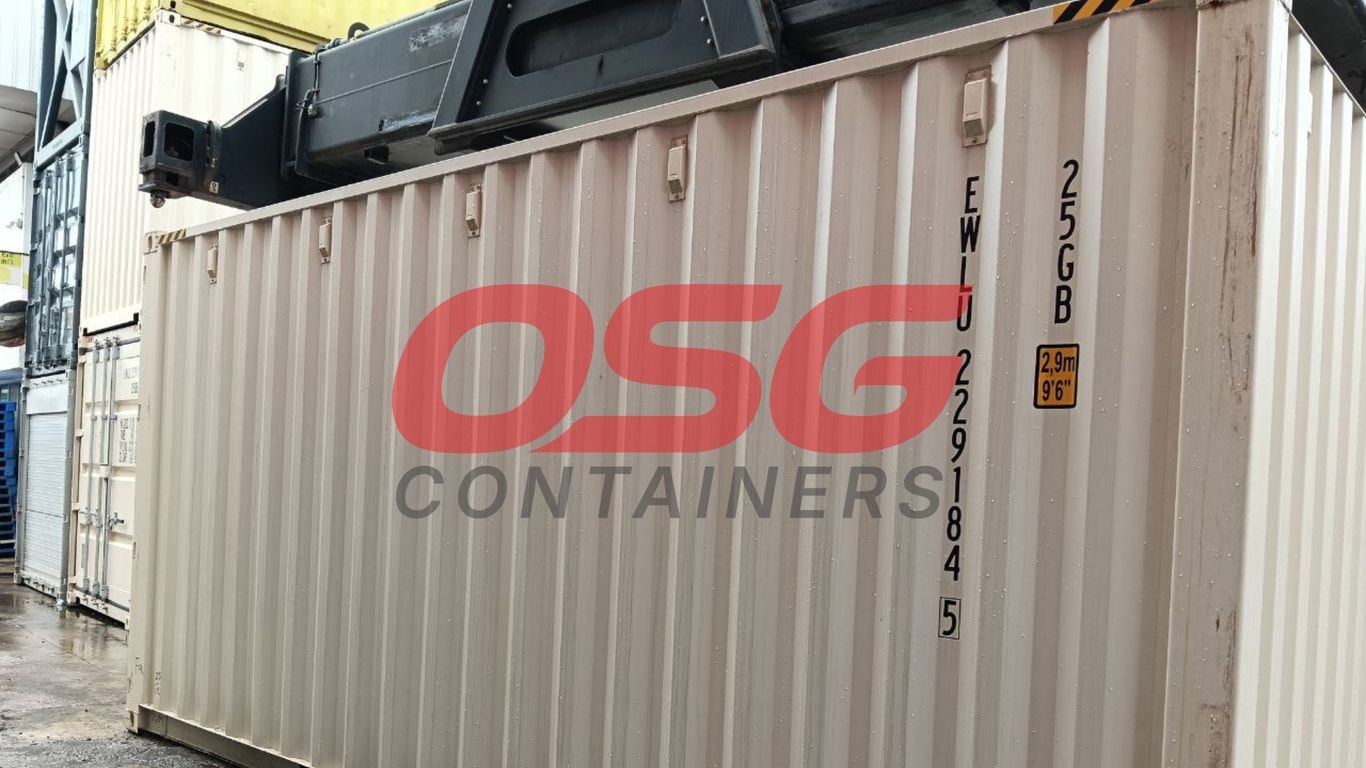
So, you’re looking at shipping containers and wondering, “Which one do I actually need?” It’s a common question, and honestly, it can get a little confusing with all the options out there. Today, we’re going to talk about a specific type: the 40 HQ container. It’s a bit different from the standard ones, and knowing those differences can save you a lot of hassle and maybe even some cash. Let’s break down when this particular container makes the most sense.
Key Takeaways
- A 40 HQ container is taller than a standard 40-foot container, offering about a foot more of vertical space for bulkier or taller items.
- This extra height makes the 40 HQ ideal for shipping things like machinery, furniture, or lightweight, voluminous goods where maximizing vertical space is key.
- Beyond shipping, these containers are often repurposed into offices, storage units, or even retail spaces due to their sturdy build and adaptable nature.
- Key features include durable steel construction, a wide 270-degree door opening for easier access, and good security against weather and theft.
- Choosing a 40 HQ container means considering your cargo’s dimensions, potential transportation height restrictions, and whether the added capacity justifies the slightly higher cost compared to a standard container.
Understanding The 40 HQ Container
So, you’re looking into shipping containers and keep seeing ’40 HQ’ pop up. What’s the deal with that? Basically, a 40 HQ container is a slightly souped-up version of the standard 40-foot container. The ‘HQ’ stands for High Cube, and that’s the main difference – it’s taller. Think of it like getting a bit more headroom in your storage space, which can make a surprisingly big difference.
Key Differences From Standard Containers
The most obvious difference is that extra foot of height. A standard 40-foot container is about 8.5 feet tall, but a 40 HQ jumps up to 9.5 feet. This might not sound like much, but it adds about 10% more usable space. That extra volume is a game-changer when you’re trying to fit in taller items or just want to pack more in without taking up more ground space. It’s still the same length and width, so it fits on the same trucks and ships, but you get more bang for your buck volume-wise.
Enhanced Height For Greater Capacity
That extra foot of height isn’t just for show. It means you can fit more stuff. For example, if you’re shipping furniture, appliances, or even machinery, that extra vertical space can mean the difference between fitting it all in one go or needing an extra container. It’s also great for lightweight but bulky items that might not weigh a lot but take up a lot of room. You can stack things higher, or fit items that just wouldn’t clear the ceiling in a standard container.
Versatile Intermodal Transport Capabilities
Like their standard counterparts, 40 HQ containers are built for intermodal transport. This means they’re designed to move easily between different types of transportation – ships, trains, and trucks. They have a pretty standard footprint, so ports and transport hubs are set up to handle them. This flexibility is a big reason why they’re so popular for international shipping. You can load it up at your factory, have it trucked to the port, shipped overseas, and then trucked to its final destination, all without having to unload and reload the cargo in between. It makes the whole process smoother and less risky for your goods.
The 40 HQ container offers a practical solution for businesses needing that extra bit of space without a significant increase in footprint or complexity. It’s a smart choice when you’re pushing the limits of standard container capacity.
Here’s a quick look at the typical dimensions:
| Dimension | Standard 40′ Container | 40′ High Cube Container |
|---|---|---|
| External Height | 8′ 6" (2.59 m) | 9′ 6" (2.90 m) |
| Internal Volume | ~2,390 cu. ft (67.7 m³) | ~2,694 cu. ft (76.3 m³) |
This table really highlights where the extra capacity comes from – it’s all in that added height.
When To Choose A 40 HQ Container
So, you’re looking at shipping options and the "40 HQ" keeps popping up. What’s the deal? When does this specific type of container make more sense than a standard one? It really comes down to what you’re moving and how much space you need.
Shipping Taller Or Bulkier Goods
This is probably the most obvious reason to go for a 40 HQ. If your items are taller than the standard 8 feet 6 inches, you’re going to run into problems. Think about things like specialized industrial equipment, certain types of machinery, or even stacked furniture that just won’t fit comfortably in a regular container. The extra foot of height in a 40 HQ container can make all the difference. It’s not just about fitting things in; it’s about fitting them without having to play a game of Tetris that risks damage.
Maximizing Storage Space Efficiency
Even if your items aren’t individually super tall, using a 40 HQ can still be a smart move. If you’re shipping a lot of lighter, bulkier items, like textiles, mattresses, or even some types of packaged goods, that extra vertical space means you can stack more. This can potentially reduce the number of containers you need, saving you money on shipping costs and simplifying logistics. It’s all about getting the most bang for your buck, or in this case, your cubic foot.
| Container Type | Internal Volume (approx.) |
|---|---|
| 40 ft Standard | 2,390 cu. ft. |
| 40 ft High Cube | 2,694 cu. ft. |
Projects Requiring Extra Headroom
Sometimes, the container isn’t just for shipping; it’s for a project. Maybe you’re converting a container into an office space, a workshop, or even a small living area. That extra foot of height makes a huge difference for comfort and usability. You can install higher ceilings, fit in split air conditioning units more easily, or just have a more pleasant working environment. It gives designers and builders a bit more breathing room, literally.
Choosing a 40 HQ isn’t always about necessity; sometimes it’s about foresight. Thinking about future needs or potential modifications can steer you towards the high cube, even if your initial cargo is standard height. It’s a flexible choice for many scenarios.
Here are a few more scenarios where a 40 HQ shines:
- Transporting vehicles: Cars, especially larger SUVs or trucks, often fit better with a bit of extra clearance.
- Shipping furniture: When you have a mix of furniture, some pieces might be taller than others, and the HQ offers that needed flexibility.
- Bulk textile shipments: Rolls of fabric or large bales can take up significant vertical space.
- Industrial storage: Storing large machinery or equipment that might have protruding parts.
Ideal Cargo For A 40 HQ Container
Oversized Industrial Machinery
When you’re dealing with big, heavy industrial machinery, a 40 HQ container really shines. Its extra height means you can often fit equipment that just wouldn’t go into a standard container. Think large presses, generators, or even parts of manufacturing lines. The increased cubic capacity is a game-changer for these bulky items. You’re not just paying for space; you’re getting the right space for your valuable equipment, keeping it secure and ready for its destination.
Furniture And Home Appliances
Moving house or shipping a large batch of furniture and appliances? The 40 HQ is a solid choice here too. You can stack items more efficiently, and that extra foot of height can make a big difference when you’re trying to fit in taller pieces like wardrobes, large refrigerators, or even disassembled beds. It helps reduce the number of containers you might need, which can save you some cash and hassle.
Lightweight, Voluminous Items
This is where the 40 HQ really shows its strength. If you’ve got items that take up a lot of space but don’t weigh a ton – think things like mattresses, large plastic goods, or even certain types of packaging – this container is perfect. You can fill up the volume without hitting weight limits too quickly. This is also a good option for things like textiles or garments that might be bulky. While not typically considered reefer cargo, if you were shipping temperature-sensitive lightweight goods, the 40 HQ could be adapted, though specialized reefer units are usually the go-to for strict temperature control.
The extra vertical space in a 40 HQ container isn’t just about fitting taller things; it’s about optimizing how you pack. You can often create more stable loads by using the full height, reducing the risk of shifting during transit. This means your goods arrive in better condition.
Here’s a quick look at what fits well:
- Large machinery components
- Full bedroom sets
- Bulk packaging materials
- Large appliances like refrigerators and washing machines
- Furniture that can be disassembled and stacked
Beyond Shipping: Repurposing A 40 HQ Container
So, you’ve got a 40 HQ container, maybe it’s done its job shipping goods, or perhaps you bought it specifically for a project. What happens next? Well, these things are tough and pretty adaptable, meaning they can have a whole second life beyond just hauling cargo. Think of them as big, sturdy metal boxes that can be turned into all sorts of useful things.
Transforming Into Functional Spaces
These containers are surprisingly popular for creating custom spaces. Need an extra office on your property? A 40 HQ can be fitted out with insulation, windows, and even air conditioning to make a comfortable workspace. Some people even turn them into pop-up shops, cafes, or art studios. The extra height in a high cube is a big plus here, giving you more headroom and making the space feel less cramped. It’s a practical way to get extra square footage without a massive construction project. You can even find companies that specialize in offering "office containers for rent" if you need a temporary solution.
Utilizing Forklift Pockets For Handling
One of the neat features of these containers, which is super handy whether you’re moving them for shipping or for a repurposing project, are the forklift pockets. These are basically built-in slots on the bottom that forklifts can slide into. This makes moving the container around a site, or loading and unloading it, a lot easier and safer. It means you don’t need massive cranes for every little shift, which can save time and hassle, especially if you’re working with a smaller crew or in a tighter space. This ease of handling is a big reason why they’re so versatile.
Stackability For Expanded Storage
If you’re using a container for storage, or even if you’re building a larger structure out of multiple containers, their ability to be stacked is a major advantage. The strong steel frames are designed to handle the weight of other containers stacked on top. You can often stack them up to 8 high safely, which really maximizes the use of your ground space. This is great for warehouses, temporary storage yards, or even creating multi-level structures. Just remember, proper stacking needs the right equipment and careful planning to make sure everything stays stable and secure. It’s a smart way to get more storage capacity without taking up more land.
The real beauty of a 40 HQ container lies in its adaptability. While built for transport, its robust structure and standardized dimensions make it a fantastic base for a wide range of secondary uses, from simple storage to more complex architectural projects. The added height of the high cube variant opens up even more possibilities for creative and functional transformations.
Key Features Of The 40 HQ Container
So, you’re thinking about a 40 HQ container. What makes it tick? It’s not just a big metal box, you know. These things are built tough and have some smart design elements that make them super useful.
Durable Steel Construction
First off, these containers are made from Corten steel. Ever seen that stuff? It’s designed to develop a protective rust-like layer when exposed to the elements, which actually makes it really resistant to corrosion. This means your container can handle being out in the weather, on a ship, or on a train without falling apart. It’s built to take a beating, which is pretty important when you think about the journey cargo can take.
Wide 270-Degree Door Opening
This is a neat feature. Most container doors open about 180 degrees, right? Well, the 40 HQ doors can swing open almost all the way around, up to 270 degrees. This makes a huge difference when you’re loading or unloading. You get a much wider opening, making it easier to get forklifts or other equipment inside, or just to maneuver bulky items.
Enhanced Security and Weather Resistance
Beyond just being made of strong steel, these containers are designed to keep your stuff safe and dry. They’re built to be windproof and waterproof. The doors have tight seals, and the corrugated steel body helps keep rain and moisture out. Of course, seals can wear down over time, so it’s always a good idea to check them if you’re using an older container for long-term storage.
While these containers are tough, it’s worth remembering that extreme weather events like hurricanes can still pose a risk. Proper securing and maintenance are key to ensuring your cargo stays protected.
Forklift Pockets for Handling
Another practical feature is the forklift pockets. These are built right into the base of the container, allowing forklifts to easily lift and move the container. This makes handling them a lot simpler, whether you’re at a warehouse, a port, or just moving it around your property. It really speeds up the process and makes things safer.
Making The Right Container Choice
So, you’ve been looking at 40 HQ containers, and maybe you’re wondering if it’s the right move for your stuff. It’s not just about grabbing any old metal box, you know? Picking the right container really matters, and it can save you headaches down the line. Think of it like packing for a trip – you wouldn’t shove a giant tent into a tiny carry-on, right?
Evaluating Cargo Dimensions and Needs
First things first, let’s talk about what you’re actually trying to ship or store. This is the biggest factor. You need to know the exact size of your items, not just roughly. Measure them up! Are they tall? Are they bulky? Do you have a lot of smaller things that could fill up space better in a taller container?
Here’s a quick rundown of what to consider:
- Height: This is where the 40 HQ really shines. If your items are over 8.5 feet tall, a standard container just won’t cut it. You’ll be leaving valuable space unused or, worse, not being able to fit things at all.
- Volume: Even if your items aren’t super tall, a 40 HQ gives you more overall space. This is great for lightweight but bulky goods, like furniture or large boxes of product, where you want to maximize every cubic foot.
- Quantity: If you have a lot of items, even if they’re not individually tall, the extra height of the HQ can allow for better stacking and organization, potentially fitting more in one go.
Considering Transportation Limitations
Now, this is important. Because a 40 HQ container is taller than a standard one – about a foot taller, remember – you have to think about where it’s going. Will the routes it needs to take accommodate that extra height?
- Overhead Clearances: Bridges, tunnels, power lines, and even some warehouse doorways can be lower than you think. You absolutely need to check the maximum height restrictions for all parts of the journey, from pickup to delivery.
- Loading Docks: Standard loading docks are usually built for standard containers. While many can handle the extra height of an HQ, it’s worth confirming, especially if you’re dealing with older facilities.
- Port and Rail Limitations: Sometimes, ports or rail yards have specific rules about container heights. It’s rare, but it’s better to know beforehand.
Don’t just assume everything will be fine. A little bit of research into transportation limits can prevent a costly delay or a situation where your container simply can’t reach its destination.
Cost-Effectiveness Versus Capacity
Okay, let’s talk money. Generally, a 40 HQ container will cost a bit more than a standard 40-foot container. It’s made with a bit more steel, after all. But does that extra cost make sense for you?
- Standard 40ft Container: Cheaper upfront, easier to find, and fits most standard transport. Good if your cargo is standard height and you’re watching every penny.
- 40ft High Cube Container: Higher price, but offers significantly more cubic capacity. If you can fit more goods, or taller goods, into one HQ container compared to two standard ones, it might actually be cheaper per item shipped. It’s about looking at the total cost per unit of space or per item.
Think about it this way: if you have a shipment that just won’t fit in a standard container, you might need two standard containers instead of one 40 HQ. That’s double the rental cost, double the transport fees, and double the hassle. In cases like that, the 40 HQ is definitely the more cost-effective choice, even with its higher base price.
Wrapping It Up
So, when should you go for that 40-foot high cube container? Basically, if you’ve got stuff that’s a bit too tall for a regular container, or if you’re looking to really maximize every inch of space, the high cube is your friend. It’s great for bulky items, machinery, or even if you’re thinking about turning it into a cool little workspace. Just remember to double-check if that extra height will cause any issues with where you’re sending it. For most other things, or if you’re really watching the budget, a standard container might do the trick. It all comes down to what you’re moving and how much room you really need.
Frequently Asked Questions
What’s the main difference between a 40-foot container and a 40-foot high cube container?
The biggest difference is height! A high cube container is a whole foot taller than a standard 40-foot container. This extra space at the top makes a big difference for certain types of cargo.
When is a high cube container the better choice?
You should go for a high cube container if you’re shipping tall items, like big machines, or if you need to stack things higher to save space. It’s also great if you want more headroom, maybe for converting it into an office or living space.
Can a high cube container fit anywhere a standard container can?
Not always. Because high cube containers are taller, you need to make sure that bridges, tunnels, or other routes you’ll be using can handle the extra height. It’s important to check transportation limits beforehand.
Are high cube containers more expensive than standard ones?
Generally, yes, they do cost a bit more. You’re paying for that extra foot of height and the extra space it provides. But, if that extra space helps you fit more or taller items, it can be more cost-effective in the long run.
What kind of items are best suited for a 40-foot high cube container?
Think about things that are bulky or tall. This includes large machinery, furniture, home appliances, lightweight but big items like mattresses or textiles, and even cars. The extra height really helps when you have items that wouldn’t fit in a standard container.
Can these containers be used for more than just shipping?
Absolutely! Many people reuse 40-foot high cube containers for all sorts of things. They can be turned into extra storage, workshops, small offices, cafes, or even homes. Their sturdy build and extra height make them very adaptable.