Singapore
 Australia
 Indonesia
 Japan
Japan Malaysia
 New Zealand
 Philippines
 South Korea
 Taiwan
 Thailand
 VIETNAM
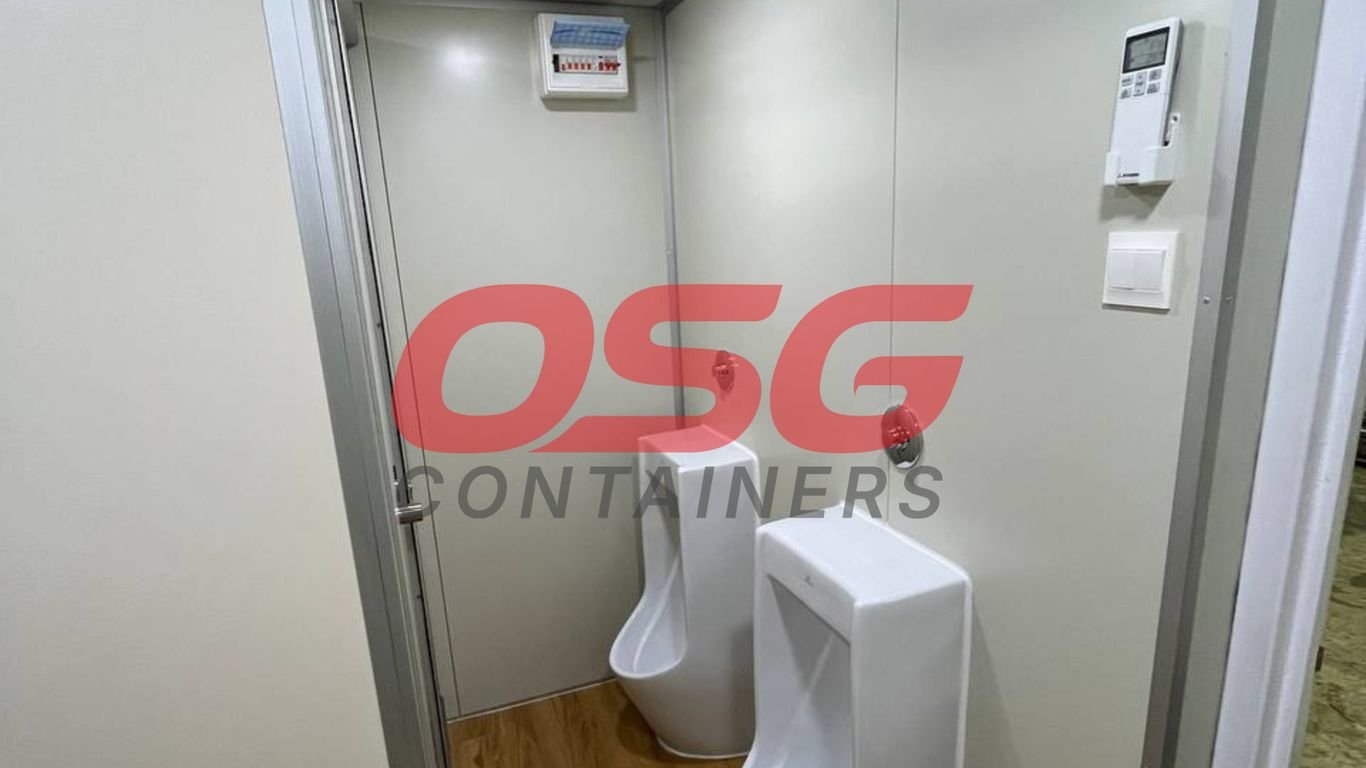
Picking out a new toilet bowl for your home in Singapore might seem like a simple task, but there’s actually quite a bit to think about. It’s a piece of equipment you’ll use every single day, so getting it right really matters. From how it looks to how it works and how easy it is to keep clean, there are several factors that can make a big difference in your daily life. This guide will help you figure out what to look for in a toilet container Singapore unit, making sure you choose one that fits your needs and your bathroom perfectly.
Key Takeaways
- Consider the different types of toilet bowls available, like close-coupled, one-piece, wall-hung, and smart toilets, each with its own pros and cons regarding cost, installation, and maintenance.
- Evaluate flushing systems for efficiency and water conservation; look for dual-flush options and check water efficiency labels to save on your bills.
- Prioritize comfort by checking the seat height and assessing the bowl’s shape and size to ensure it fits your body and your bathroom space well.
- Don’t forget ease of cleaning; designs with fewer crevices and smooth surfaces will make maintenance much simpler.
- Always measure your space carefully before buying and check warranty and support options from local Singapore dealers for peace of mind.
Understanding Toilet Bowl Types In Singapore
When you’re looking to get a new toilet bowl in Singapore, it’s not just about picking one that looks nice. There are actually quite a few different kinds out there, and knowing the differences can really help you make a choice that works for your bathroom and how you use it. It’s one of those things you use every single day, so getting it right matters.
Close-Coupled Versus One-Piece Designs
This is probably the most common distinction you’ll come across. Close-coupled, or two-piece, toilets are what most people are used to. They have a separate tank and bowl that get bolted together. The upside here is that they’re generally more affordable and if something goes wrong with the tank, you can often just replace that part. However, that connection point between the tank and bowl can be a bit of a dirt trap, meaning a little extra cleaning is needed.
One-piece toilets, on the other hand, have the tank and bowl molded into a single unit. They tend to have a sleeker, more modern look and are easier to wipe down because there are fewer nooks and crannies. The trade-off? They usually cost a bit more upfront and if a major part fails, you might be looking at replacing the whole thing.
Exploring Wall-Hung And Back-To-Wall Options
These types are all about creating a more minimalist and easier-to-clean bathroom space. Wall-hung toilets are mounted directly to the wall, with the tank hidden behind it. This leaves the floor completely clear, making cleaning a breeze and giving a really modern, floating look. Just be aware that they require a sturdy wall structure and a special frame to support them.
Back-to-wall toilets are similar in that the cistern is concealed, but the bowl itself sits on the floor, pushed right up against the wall. This still gives a cleaner look than a standard close-coupled toilet, as the tank is hidden, but it doesn’t offer the same floor-clearing benefit as a wall-hung model. Both are great if you’re aiming for a streamlined aesthetic.
The Rise Of Smart Toilet Functionality
Smart toilets are the new kids on the block, and they’re packed with features that go way beyond just flushing. Think heated seats, built-in bidets with adjustable water temperature and pressure, air dryers, and even automatic lid opening and closing. Some even have self-cleaning functions. These are definitely a luxury item, and the price tag reflects that. If you’re looking to add a touch of high-tech comfort and convenience to your bathroom, a smart toilet is worth considering, but be prepared for a significant investment.
Choosing the right toilet bowl type isn’t just about aesthetics; it’s about balancing ease of cleaning, installation requirements, and the overall functionality you desire in your bathroom.
Key Features For Optimal Toilet Bowl Performance
When you’re picking out a toilet bowl, it’s not just about how it looks. There are some pretty important bits that make a big difference in how well it works day-to-day. Let’s talk about what really matters.
Evaluating Flushing Systems For Efficiency
The flush is, well, the main event, right? You want it to work well without needing a plunger every other day. Most toilets use a gravity flush system. This is the standard one where water falls from the tank into the bowl, pushing everything down. It’s usually quiet and simple. Then there are pressure-assisted systems. These use compressed air in a tank to blast water into the bowl. They’re really powerful and can clear things out with less water, but they can be a bit noisy and often cost more.
- Gravity Flush: Simple, quiet, common. Good for most homes.
- Pressure-Assisted Flush: Stronger, uses less water per flush, but can be louder and pricier.
A strong flush is key to keeping your toilet clean and avoiding clogs.
Water Conservation Through Efficient Technology
Saving water is good for the planet and your utility bills. Many modern toilets are designed with water efficiency in mind. Look for dual-flush options, which let you choose between a full flush for solid waste and a reduced flush for liquid waste. Some toilets also have a rimless design, which not only makes cleaning easier but can also direct water flow more efficiently to ensure a thorough rinse with less water.
- Dual-flush buttons (half or full flush)
- WaterSense labeled toilets (use at least 20% less water than the EPA standard)
- Efficient water flow design in rimless bowls
Choosing a toilet that conserves water is a smart move for both your wallet and the environment. It’s a small change that adds up over time.
Considering Trap Types For Your Singapore Home
The trap is that curved pipe under your toilet. It holds water to stop sewer gases from coming up into your bathroom, which is pretty important for keeping things smelling fresh. The two main types you’ll come across are the P-trap and the S-trap.
- P-trap: This is the most common type in Singapore. The pipe looks like a "P" lying on its side. It connects to a drainpipe that goes into the wall.
- S-trap: This pipe looks more like an "S". It connects directly to a drainpipe in the floor.
It’s really important to know which type you have before you buy a new toilet, because the new toilet needs to connect to your existing plumbing. Getting this wrong can lead to a messy installation or, worse, drainage problems down the line.
Prioritizing Comfort And Ease Of Use
When you’re picking out a toilet, it’s not just about how it looks or how well it flushes. Think about how you’ll actually use it every day. Little things can make a big difference in your daily routine.
Selecting The Right Seat Height
Seat height is a surprisingly big deal for comfort. Too low, and it’s a struggle to get up. Too high, and it might feel awkward. Most standard toilets are around 14-15 inches from the floor to the seat rim. However, taller individuals or those with mobility issues might prefer an "ADA-compliant" or "comfort height" toilet, which is typically 17-19 inches high. This extra height makes sitting down and standing up much easier.
- Standard Height: Good for most people, generally 14-15 inches.
- Comfort Height (ADA): Better for taller folks or those needing assistance, around 17-19 inches.
- Consider your household: Think about who uses the toilet most and their physical needs.
Assessing Bowl Shape And Size
Toilet bowls come in two main shapes: round and elongated. Elongated bowls are longer from front to back, offering more seating surface and generally feeling more spacious. Round bowls are more compact, which can be a good choice for smaller bathrooms where space is tight. The choice between round and elongated often comes down to personal preference and the available space in your bathroom.
The Importance Of Easy-To-Clean Designs
Nobody enjoys scrubbing a toilet, so choosing a design that simplifies cleaning is smart. Look for features like:
- Rimless Bowls: These eliminate the hidden rim where grime and bacteria love to hide. Cleaning is as simple as wiping down the bowl’s surface.
- Smooth Surfaces: Fewer nooks and crannies mean less places for dirt to get stuck.
- Soft-Closing Lids: This prevents the lid from slamming shut, which is not only quieter but also reduces wear and tear on the toilet itself.
A toilet that’s simple to wipe down saves you time and effort in the long run. Features like a rimless design and a smooth bowl exterior make a noticeable difference when it comes to keeping things hygienic with minimal fuss.
Budgeting For Your Toilet Container Singapore Unit
When you’re looking at toilet bowls, especially if you’re thinking about something like a mobile toilet singapore unit for a temporary setup or a specific project, figuring out the cost is a big part of the puzzle. It’s not just about the sticker price; you’ve got to consider what you’re getting for your money.
Understanding Price Tiers For Toilet Bowls
Toilet bowls in Singapore really do come in a wide range of prices. You can find basic models that do the job without any fuss for under S$300. These are usually pretty straightforward, no fancy features, just functional. If you’re on a tight budget or just need something simple, these might be your go-to. Then you have the mid-range options, typically between S$300 and S$600. These are super common and offer a good mix of design and features that last. They’re a solid choice for most homes. If you’re looking for something a bit more special, maybe with smart features or a really sleek look, you’re stepping into the higher end, which can go from S$600 up to S$2,000 or even more. These are the ones with all the bells and whistles, like built-in bidets or advanced flushing.
Here’s a quick look at what you might expect:
- Basic Models: Under S$300 (Simple functionality)
- Mid-Range Models: S$300 – S$600 (Good balance of design and features)
- High-End Models: S$600 – S$2,000+ (Advanced features, premium design)
Balancing Cost With Features And Durability
So, how do you decide what’s right? It’s all about finding that sweet spot between what you can afford and what you actually need. A cheap mobile toilet might seem like a good idea for a short-term need, but if it’s not built well, you could end up spending more on repairs or replacements down the line. Think about how long you’ll need it and how much use it will get. For a permanent fixture, investing a bit more in a durable, well-made toilet bowl usually pays off. You want something that flushes well, is easy to clean, and won’t give you headaches with clogs. Sometimes, paying a little extra upfront for better quality means fewer problems later on. It’s a trade-off, for sure.
When you’re looking at prices, don’t forget to factor in installation costs, especially if you’re not doing it yourself. A good plumber can make a big difference in how well your toilet works, so it’s worth budgeting for professional help if needed.
Practical Considerations For Your Toilet Container Singapore
So, you’ve picked out the perfect toilet bowl, but before you get too excited, let’s talk about making sure it actually fits and works in your space. It’s not just about the look, you know? A toilet container, or container toilet as some call it, needs to be practical.
Measuring For Proper Fit And Installation
This is super important. You don’t want to buy a new toilet only to find out it won’t connect to your existing plumbing. For floor-mounted toilets, you’ll need to measure the distance from the center of your drain hole to the wall. This is often called the S-trap measurement. If your drain is in the wall, you’ll measure from the center of that hole to the floor – that’s your P-trap measurement. It’s easiest to do this after you’ve removed your old toilet, so you can see the actual outlet.
- Floor Drain (S-Trap): Measure from the center of the floor drain to the finished wall behind the toilet.
- Wall Drain (P-Trap): Measure from the center of the wall drain to the finished floor.
- Rough-in Distance: This is the standard measurement from the wall to the center of the drain, usually 10 or 12 inches in Singapore.
Checking Flush Handle Accessibility
Think about how you’ll actually use the toilet. Where is the flush handle located? Is it easy to reach from a seated position? Some toilets have top-mounted flush buttons, while others have levers on the side. If you have limited mobility or just prefer a certain way of doing things, make sure the handle placement works for you. It sounds minor, but it makes a difference in daily use.
Warranty And Support For Singapore Purchases
When you buy a toilet container in Singapore, check out the warranty. What does it cover? How long does it last? Also, find out about the support available. If something goes wrong, can you easily get replacement parts or service? Knowing this upfront can save you a lot of hassle down the line. It’s good to have peace of mind.
Don’t forget to consider the overall space in your bathroom. Even if the toilet fits the plumbing, will there be enough room to move around comfortably? Think about door swings and clearance for other fixtures.
Wrapping It Up
So, picking out a new toilet bowl in Singapore might seem like a small thing, but it really makes a difference in your daily life. Whether you’re going for a sleek one-piece design, a budget-friendly two-piece, or even a fancy smart toilet, think about what works best for your space and your wallet. Don’t forget to check out how it flushes, how easy it is to keep clean, and if the height feels right for everyone in the house. Taking a little time to consider these points means you’ll end up with a toilet that’s comfortable, functional, and fits your home perfectly. Happy toilet hunting!
Frequently Asked Questions
What’s the difference between a one-piece and a two-piece toilet bowl?
A one-piece toilet is all connected, like a single unit. A two-piece toilet has the bowl and the tank as separate parts that are joined together. One-piece toilets often look sleeker, but two-piece ones are usually cheaper and easier to fix if just one part breaks.
Are smart toilets worth the extra cost?
Smart toilets come with cool features like heated seats and bidet functions. They can be more comfortable and convenient, but they are much more expensive than regular toilets. Think about how much you’ll use those extra features before deciding if they’re worth the higher price.
How do I know if a toilet bowl will fit my bathroom?
You need to measure carefully! For toilets that drain through the floor (S-trap), measure from the middle of the drain hole to the wall. For toilets that drain through the wall (P-trap), measure from the middle of the drain hole to the floor. It’s best to measure after you’ve removed your old toilet.
What does ‘water efficiency’ mean for a toilet?
Water efficiency means the toilet uses less water to flush. Look for toilets with more ‘ticks’ on the Water Efficiency Labeling and Standards (WELS) scheme. Dual flush toilets, which let you choose between a full or partial flush, are also a good way to save water.
Why is the trap type important?
The trap is the curved pipe at the bottom of the toilet. It holds a little water to stop bad smells from the sewer pipes coming into your bathroom. In Singapore, most homes use S-traps (for floor drains), but P-traps are used for wall drains. Your home’s setup will determine which trap type you need.
What’s the best way to check if a toilet bowl is comfortable?
If you’re buying in a store, don’t be shy – try sitting on it! Check if the height feels right for you, especially if you have knee problems or older family members. Also, feel the shape and size of the bowl to make sure it feels comfortable and doesn’t take up too much space.