Singapore
 Australia
 Indonesia
 Japan
Japan Malaysia
 New Zealand
 Philippines
 South Korea
 Taiwan
 Thailand
 VIETNAM
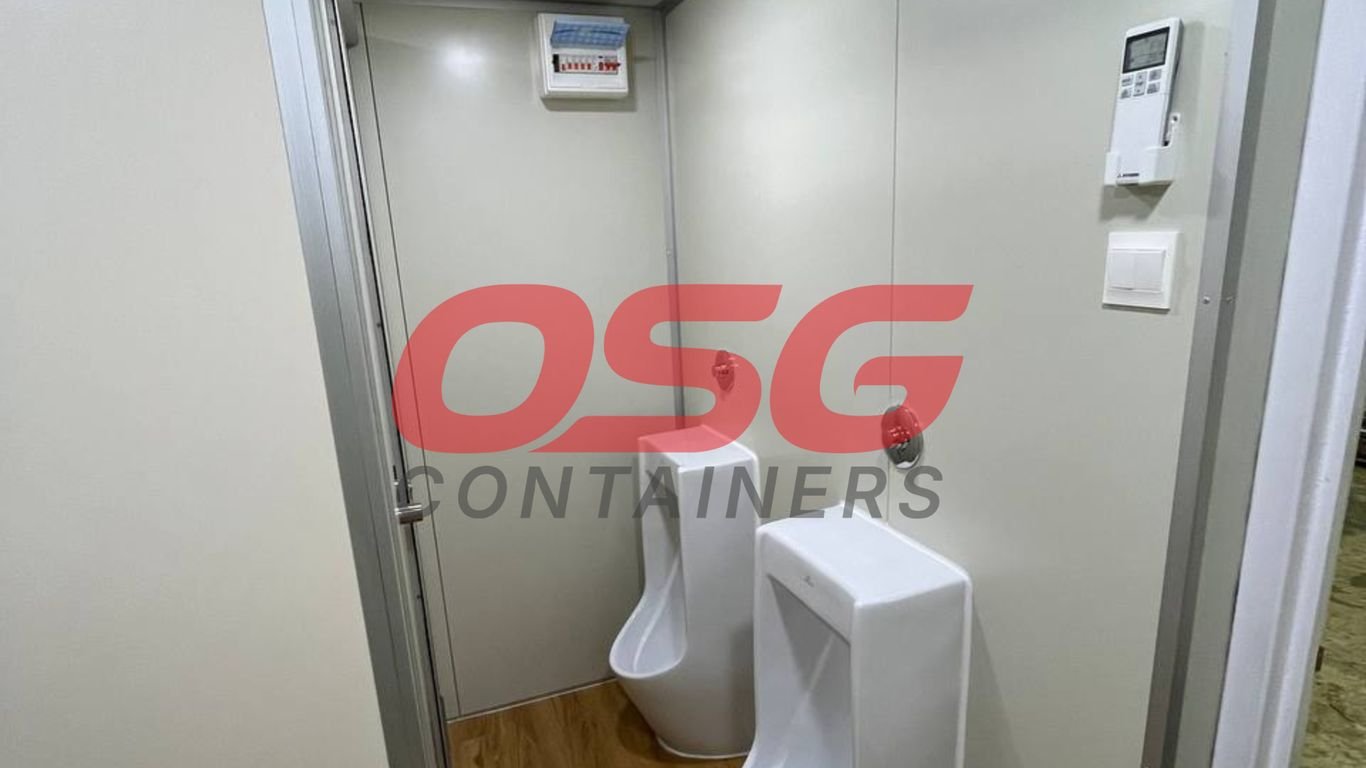
So, you’re looking into getting a container toilet, huh? Maybe for a job site, a big outdoor party, or just something different. It sounds simple enough, but there’s actually a bit to think about before you just pick one. You don’t want to end up with something too small, too big, or just plain inconvenient. Let’s break down what you should be looking for to make sure you get the right container toilet for whatever you need it for.
Key Takeaways
- Figure out how many people will use the container toilet and for how long. This helps decide on size and if renting or buying makes more sense.
- Think about where the container toilet will go. Is there enough room? Can it be easily delivered and accessed?
- Decide if renting or buying fits your situation better. Renting is good for short-term, while buying might save money if you need it a lot over time.
- Check out the features like tank size, if it flushes, and if it’s easy for everyone to use, including those with mobility needs.
- Make sure you know how waste will be handled and how the container toilet will be kept clean. Good hygiene is a must.
Understanding Your Container Toilet Needs
Assessing Usage and Duration
Before you even start looking at specific models, you really need to think about how many people are going to be using the container toilet and for how long. This isn’t just about guessing; it’s about making sure you don’t end up with a situation where the toilet is constantly overflowing or people are waiting in line forever. For a small, weekend event with maybe 50 people, you’ll need something different than a construction site that’s going to be active for six months with a crew of 30. The more people and the longer the duration, the bigger the holding tank you’ll need.
Here’s a quick way to think about it:
- Short-term events (festivals, parties): Focus on ease of setup and a decent tank size for the expected crowd. You might not need the absolute biggest tank if it’s only for a day or two.
- Long-term projects (construction, remote work sites): Durability and capacity are key. You’ll want a unit that can handle daily use over an extended period without constant servicing.
- High-traffic areas (public parks, event venues): These need robust units with large tanks and potentially more frequent servicing. Think about how many people will pass by or use it in a single day.
Considering Site Logistics and Space
Where is this container toilet actually going to go? It sounds simple, but you’d be surprised how many people overlook this. You need to make sure there’s enough space not just for the unit itself, but also for people to access it comfortably and for any service vehicles that might need to get close for pumping or delivery. Think about pathways, doorways, and whether you need ramps for accessibility.
Consider these points:
- Clearance: Is there enough room around the unit for people to walk up to it without feeling cramped? Can a service truck get close enough to empty the tank?
- Ground Stability: The ground should be relatively level and firm. You don’t want the unit sinking into mud or tipping over.
- Accessibility: If you need ADA-compliant units, they require more space. Also, think about how users will get to the toilet – are there stairs or uneven terrain?
Don’t forget to factor in the space needed for handwashing stations or sanitizing if those are separate units. It all adds up.
Evaluating Weather and Seasonal Factors
What’s the weather going to be like where the container toilet is located? This can really impact user experience and the unit’s performance. Extreme heat can make things uncomfortable, while freezing temperatures can cause problems if the unit isn’t properly prepared. Some units are built tougher than others, and some might need special winterizing if you’re using them in colder months.
- Hot Climates: Look for units with good ventilation to help with air circulation and reduce odors. Some might even have options for cooling.
- Cold Climates: If you’re expecting freezing temperatures, you’ll need to consider if the unit can be winterized or if you’ll need to switch to a different type of system during those months. Water-based systems can freeze, so non-water options might be better.
- Wind and Rain: Make sure the unit is stable and won’t blow over in strong winds. Consider if there’s any overhead cover needed, especially if it’s going to be in place for a while.
Renting vs. Buying a Container Toilet
Deciding whether to rent or buy a container toilet is a big question, and honestly, there’s no single right answer. It really boils down to what you need it for and how long you’ll need it. Let’s break down the pros and cons to help you figure out the best path for your situation.
Upfront Costs and Long-Term Value
When you’re looking at the money side of things, renting usually wins for short-term needs. You pay a fee, and that’s pretty much it. No huge initial investment. Buying, on the other hand, means you’re shelling out a good chunk of cash upfront. Think of it like buying a car versus leasing one. Renting a toilet container is often more budget-friendly to start, especially for events or projects that wrap up in a few weeks or months. Buying means you own it, which can save you money over a long period if you’re going to use it constantly, but you’ve got to have the capital to do it.
Here’s a quick look at the cost differences:
| Factor | Renting | Buying |
|---|---|---|
| Initial Cost | Lower; pay as you go | Higher; significant upfront investment |
| Long-Term Cost | Can add up for extended use | Potentially lower if used frequently |
| Maintenance | Usually included in rental fee | Owner’s responsibility; ongoing expense |
| Storage | Not required after use | Required when not in use; can be costly |
Maintenance and Servicing Responsibilities
This is where renting really shines for many people. When you rent a container toilet, the rental company typically handles all the maintenance and servicing. This means they’ll take care of cleaning, emptying the tank, and making sure everything is in working order. You don’t have to worry about buying cleaning supplies or finding someone to pump out the waste. It’s all part of the service. If you buy, however, all those responsibilities fall on you. You’ll need to arrange for regular waste disposal, buy chemicals, and keep the unit clean and functional. This can be a lot to manage, especially if you’re not prepared for it.
Owning a portable toilet means you’re on the hook for everything from regular cleaning and restocking supplies to emergency repairs and waste removal. It’s a commitment that requires ongoing time and resources.
Flexibility and Relocation Options
Flexibility is another key area where renting often has an edge. Need more units for a big event? Most rental companies can easily add more to your order. Project running longer than expected? You can usually extend your rental period without much hassle. Plus, when the job is done, you just tell the rental company to pick it up. No need to figure out where to store it or how to move it. Buying a container toilet means you own it, which is great if you need it permanently. But if your needs change, or you need to move it to a different site, you’re the one who has to arrange and pay for transportation. It’s less adaptable if your situation is constantly shifting.
- Easy Scaling: Renting allows you to easily increase or decrease the number of units based on demand.
- No Storage Hassle: Once your rental period is over, the provider takes the unit away.
- Relocation Simplicity: Rental companies usually handle the transport to and from your site.
Key Features for Container Toilet Selection
When you’re looking at container toilets, whether for rent or purchase, a few things really stand out. It’s not just about having a place to go; it’s about making sure it works for everyone and stays clean.
Capacity and Holding Tank Size
This is pretty straightforward: how many people are going to use it, and for how long? A small event might be fine with a standard unit, but a multi-day festival or a busy construction site needs something with a bigger holding tank. Running out of space in the tank is a major hassle nobody wants.
Here’s a rough idea:
- Standard Unit: Good for up to 50 people over an 8-hour period.
- Large Event Unit: Can handle 100-150 people over an 8-hour period.
- Construction Site Unit: Often designed for 10 workers over a full 40-hour week.
Always err on the side of a larger tank if you’re unsure. It’s better to have extra capacity than to deal with frequent servicing.
Accessibility and User Comfort
Think about who will be using the mobile toilet. For events open to the public or workplaces with diverse staff, accessibility is key. This means looking for units that are:
- ADA-compliant: These are larger, have grab bars, and are designed for wheelchair users.
- Well-lit: Especially important for nighttime use or dimly lit areas.
- Ventilated: Good airflow helps keep things fresh.
- Equipped with hand sanitizer: A must-have for basic hygiene.
Even for standard units, features like a built-in paper towel dispenser or a small shelf for personal items can make a big difference in user experience.
Specialized Features: Flushing and Heating
Do you need something a bit more upscale than the basic model? Flushing toilets offer a more familiar experience, similar to a home bathroom. They’re great for weddings, corporate events, or anywhere you want to provide a higher level of comfort. However, they do require a water source and are generally more expensive to rent or buy.
For colder climates or events running through the winter, consider units with heating options. These can significantly improve comfort and prevent freezing issues, though they will consume more power.
When choosing, weigh the added comfort and convenience against the increased cost and potential maintenance needs. For most temporary setups, the standard non-flushing mobile toilet is perfectly adequate, but knowing these options exist can help you make the best choice for your specific situation.
Ensuring Hygiene and Waste Management
Keeping things clean and dealing with waste properly is a big part of having container toilets, whether you’re renting or buying. Nobody wants to use a dirty or smelly toilet, right? It’s not just about comfort; it’s about health and making sure your site or event doesn’t become a public nuisance.
Waste Disposal Methods
So, what happens to all the stuff that goes into the tank? This is probably the most important thing to figure out. If you’re renting, the service provider usually handles this. They’ll pump out the tanks on a schedule. If you’re buying, you’re on your own, or you’ll need to contract with a waste removal service. The most common method is pumping the waste into a service truck and taking it to a proper disposal facility. Some newer, more eco-friendly options involve composting toilets, which break down waste differently, but these are less common for standard container units and require specific handling.
- Pump-out Service: The standard for rentals, where a service company empties the tank.
- Self-Haul: If you own the unit and have the means, you might transport waste yourself (requires proper facilities).
- Composting Systems: Less common for container toilets, but an option for specific needs.
When planning for waste disposal, always consider the regulations in your area. Improper disposal can lead to fines and environmental issues. It’s best to confirm the disposal plan with your provider or local authorities.
Cleaning Schedules and Supplies
Regular cleaning is non-negotiable. For rentals, this is typically part of the service agreement. They’ll come out periodically to clean the interior, restock supplies, and check the unit. If you own the toilet, you’ll need to set up your own cleaning routine. This means having the right cleaning supplies on hand.
Here’s a basic list of what you might need:
- Disinfectant Sprays/Wipes: For surfaces and the toilet bowl.
- Toilet Paper: Always keep it stocked!
- Hand Sanitizer: A must-have, especially if there’s no running water.
- Gloves: For anyone doing the cleaning.
- Air Fresheners: To help keep things smelling pleasant.
The frequency of cleaning will depend heavily on how much the toilet is used. A busy construction site will need more frequent attention than a rarely used unit at a remote location.
Odor Control Solutions
Nobody likes a stinky situation. Odor control is a major concern for portable toilets. Most units come with some form of chemical treatment in the holding tank that helps break down waste and reduce smells. However, this isn’t always enough, especially in warm weather or with heavy use.
- Chemical Treatments: Standard in most tanks, these help manage odors and break down waste.
- Ventilation: Good airflow helps dissipate smells. Some units have vents, and ensuring they aren’t blocked is important.
- Regular Servicing: The most effective way to control odors is through frequent pumping and cleaning.
- Odor Neutralizers: Additional sprays or solid deodorizers can be used to supplement the tank treatments.
Choosing the Right Container Toilet Provider
Finding the right company to supply your container toilet is just as important as picking the right unit itself. It’s not just about getting a toilet container dropped off; it’s about the whole experience, from start to finish. Especially if you’re looking for a toilet container in a place like Singapore, where logistics can be tricky, you want a provider who knows their stuff.
Evaluating Service Offerings
When you’re looking at different companies, check what they actually include. Do they just drop off the unit, or is there more to it? A good provider will be clear about what’s covered. Think about:
- Maintenance schedules: How often will they service the unit? This is key for hygiene.
- Waste removal: Who handles it, and how often? This is a big one.
- Restocking supplies: Do they refill toilet paper and sanitizer?
- Emergency support: What happens if something goes wrong outside of regular hours?
It’s worth asking if they offer different service packages. Maybe you need a basic drop-off and pick-up, or perhaps you need a full-service option for a busy event.
Understanding Delivery and Setup
This part can be a real headache if not handled well. You need to know:
- Delivery windows: When can they actually get the unit to your site? Are they flexible?
- Site requirements: Do you need a specific type of access for their truck? Is the ground level?
- Setup process: How long does it take to get the unit ready for use? Will they position it exactly where you want it?
Don’t underestimate the importance of clear communication on delivery day. A provider who is organized and communicates well can make this part of the process feel pretty simple.
When you’re dealing with a provider, especially for something like a toilet container in Singapore, ask about their experience with local regulations and site challenges. They should be able to tell you about common issues and how they overcome them. It shows they’re not just a faceless company, but one that understands the practicalities of your location.
Customer Support and Reliability
What happens when you have a question or a problem? You want a provider that’s easy to reach and actually helps you out. Look for:
- Contact methods: Phone, email, online chat – what works best for you?
- Response times: How quickly do they typically get back to you?
- Reputation: Do they have good reviews? Ask around if you can.
Reliability is everything. You don’t want to be left hanging when you need a functioning toilet container. A provider that’s dependable will save you a lot of stress in the long run.
Making the Right Choice for Your Needs
So, when it comes down to it, picking out a portable toilet, whether for a day or for the long haul, really just boils down to what makes the most sense for you. Renting is great if you need something quick for a short event or a temporary job, and you don’t want to worry about upkeep. But if you’ve got a job that’s going to last ages, or you’re always needing facilities on different sites, buying might save you cash in the long run. Just remember to think about how many people will use it, where it needs to go, and what kind of features will make things easier for everyone. Get that right, and you’ll have a solid setup that works.
Frequently Asked Questions
Should I rent or buy a portable toilet?
Renting is usually best for short-term needs, like events or temporary jobs. It costs less upfront and includes cleaning and maintenance. Buying makes more sense if you need toilets for a long time or very often, like on a permanent construction site. You’ll pay more at first, but it can save money over many years if you have a place to store them when not in use.
How do I figure out how many toilets I need?
Think about how many people will use them and for how long. For events, a general rule is one toilet for every 50 to 100 guests. For construction sites, one toilet for every 10 workers is a good starting point. It’s always better to have a few extra than not enough!
What’s the difference between a basic and a deluxe portable toilet?
A basic portable toilet provides the essential function of a restroom. A deluxe model often includes extra features like a sink for handwashing, better ventilation, or even a flushing system, making it more comfortable for users, especially for longer events or premium gatherings.
Who cleans the portable toilets and removes the waste?
If you rent a portable toilet, the rental company usually handles all the cleaning, waste removal, and restocking of supplies like toilet paper and sanitizer. They’ll come on a schedule that works for you. If you buy, you are responsible for all of that upkeep yourself.
Can I get a portable toilet that’s easy for people with disabilities to use?
Yes, absolutely! You can rent or buy ADA-compliant portable toilets. These units are larger, have ramps or wider doors, and include grab bars inside to make them safe and accessible for people who use wheelchairs or have other mobility challenges.
What if I need a portable toilet in cold weather?
Some portable toilets come with special features for cold weather, like heating units to keep the inside comfortable. When renting, you can ask about these options. If you buy, you’ll need to make sure the unit you choose can handle the climate or if you need to add features like heating yourself.