Singapore
 Australia
 Indonesia
 Japan
Japan Malaysia
 New Zealand
 Philippines
 South Korea
 Taiwan
 Thailand
 VIETNAM
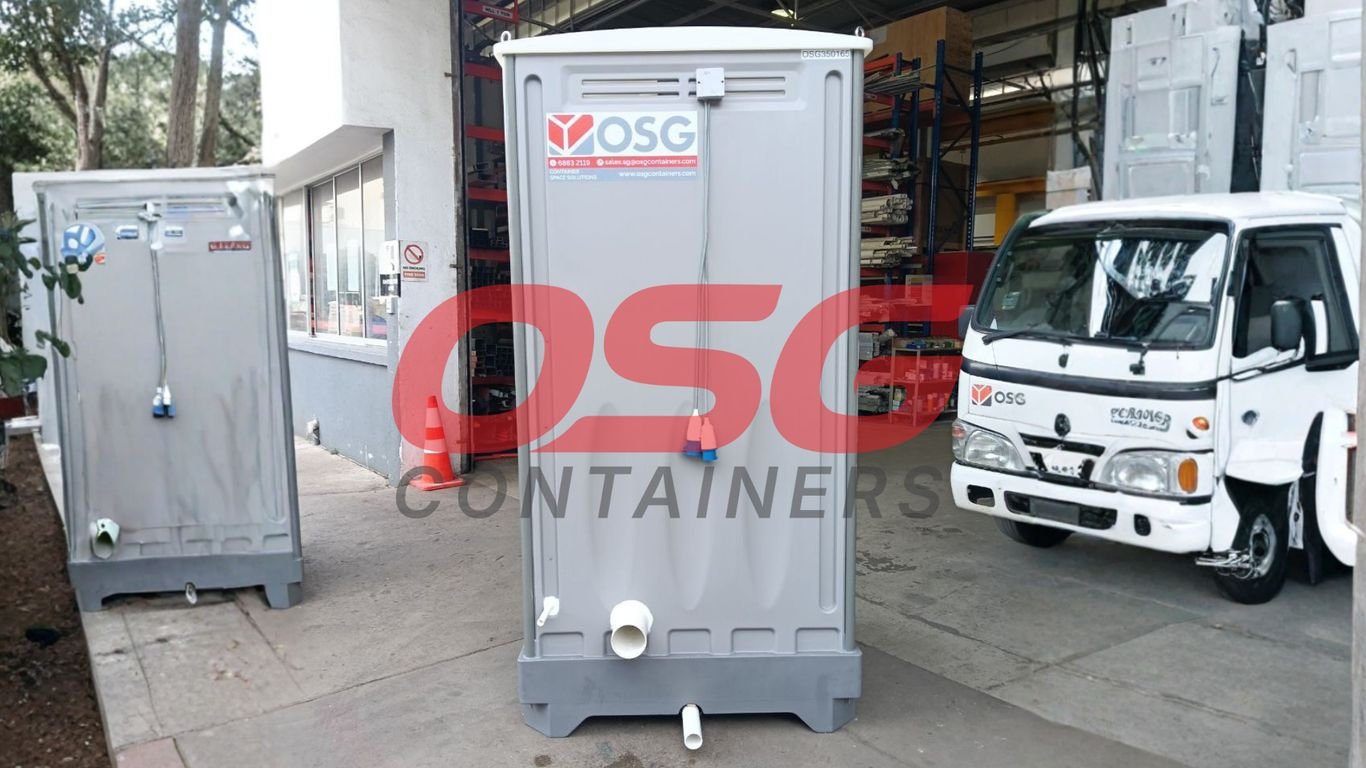
Planning a portable toilet rental might seem straightforward, but there are definitely a few things to consider to make sure everything goes smoothly. Whether you’re setting up for a big outdoor party, managing a construction site, or just need a temporary solution, getting the right setup is key. This guide breaks down what you need to know about portable toilet rental, from picking the right units to making sure they’re placed well and serviced properly. Let’s get into it.
Key Takeaways
- Figure out how many units you need based on guest count, event length, and type of event. It’s better to have a couple extra than not enough.
- Think about where the portable toilets will go. They need to be easy for people to find and use, but also accessible for delivery and cleaning trucks.
- Know what’s included in your portable toilet rental. Most rentals come with basic supplies, but ask about servicing schedules and what happens during cleanings.
- When renting for longer periods or for big events, look into add-ons like handwashing stations to keep things extra clean and comfortable for everyone.
- Always check the pricing and terms from the portable toilet rental company. Make sure you understand all fees, including delivery and any extra charges, before you sign anything.
Understanding Your Portable Toilet Rental Needs
So, you’re looking into renting a portable toilet. Maybe it’s for a big outdoor party, a construction project that’s going to take a while, or just a situation where your usual facilities aren’t cutting it. It sounds simple enough, right? Just grab a porta-potty. But hold on a sec, there’s a bit more to it than just picking one out of a catalog. Getting this part right means everyone stays comfortable and things run smoothly.
Determining The Right Number Of Units
This is probably the most important first step. Too few units and you’ll have lines, unhappy guests, and a mess. Too many, and you’re just wasting money. So, how do you figure it out?
- Guest Count: How many people are expected to be there? This is the biggest factor.
- Event Duration: Is it a few hours or a few days? The longer it goes, the more you’ll need.
- Activities: Will food and drinks be served? People tend to use restrooms more when they’re consuming things.
- Demographics: If you have a lot of women attending, you might need a slightly higher ratio of units, as they often take a bit longer.
As a general rule of thumb, for events, aim for at least one unit for every 50 guests for a four-hour period. For construction sites, a common guideline is one unit for every 10 workers. It sounds like a lot, but trust me, it’s better to have a couple extra than not enough.
Choosing The Appropriate Toilet Type
Not all portable toilets are created equal. They come in different shapes and sizes, designed for different jobs.
- Standard Units: These are your basic, no-frills portable toilets. They’re great for most construction sites or general-purpose events where budget is a concern.
- Handicap-Accessible Units: These are larger, designed to meet ADA requirements, and offer more space for individuals with mobility challenges. They’re a must-have if you need to accommodate everyone.
- Deluxe Units: Sometimes called comfort stations, these offer a bit more space and sometimes even better ventilation or a small sink. They’re a step up from the standard.
- Specialty Trailers: For weddings, corporate events, or anything a bit more upscale, you might look at restroom trailers. These are actual small trailers with multiple stalls, flushing toilets, sinks, and sometimes even air conditioning. They’re a whole different ballgame.
Think about the kind of event or project you have. A fancy wedding needs something different than a busy construction site. Matching the unit to the need makes a big difference in user satisfaction.
Considering Long-Term Rental Options
If your project or event is going to stretch on for weeks or months, you’ll want to think about long-term rentals. This usually means you’ll get a better price per unit compared to a short-term rental. Plus, you’ll need to figure out a servicing schedule. For longer rentals, regular cleaning and restocking are super important to keep things from getting unpleasant. Most companies offer weekly or bi-weekly servicing, but you can often arrange for more frequent visits if needed. It’s all about keeping the units in good shape for the duration.
Planning ahead for the number and type of units you’ll need is key to a successful rental experience. Don’t guess; do a little research based on your specific situation. It saves headaches later.
Planning Your Portable Toilet Placement And Logistics
Okay, so you’ve figured out how many porta-potties you need and what kind. Now comes the part where you actually figure out where they’re going to go. This isn’t just about plonking them down anywhere; it’s about making sure people can actually use them without a hassle and that the delivery and service folks can get to them.
Strategic Placement For Accessibility And Convenience
Think about where your guests or workers will be. You want the units close enough that a short walk is all it takes, but not so close that any… well, odors become an issue, especially near food or gathering spots. A good rule of thumb is to keep them at least 100 feet away from food prep or serving areas. Also, consider placing them downwind if possible. Lighting is also a big deal, especially if your event goes into the evening or if it’s a construction site with early or late shifts. Nobody wants to stumble around in the dark trying to find the door.
- Keep them accessible: Make sure there’s a clear path to the units. Avoid placing them where they’ll block main walkways or emergency exits.
- Consider proximity to activities: Close enough for convenience, but far enough to avoid being intrusive.
- Think about privacy: While they’re functional, a little bit of screening or placement away from the main spotlight can be appreciated.
Placing units on paved or gravel surfaces is ideal. This avoids muddy messes if it rains and keeps the units stable. If you have to put them on grass, make sure it’s firm and dry.
Ensuring Stable Ground For Unit Placement
This is super important. Porta-potties need to sit on flat, level ground. If they’re on a slope, they can become unstable, which is not only uncomfortable but also a safety hazard. Imagine one tipping over – yikes! Most rental companies will help make sure they’re set up right, but it’s good to have a level spot ready. If you’re worried about wind, sometimes placing them near a solid structure, like a building, can offer a bit of protection. Some companies might even stake them down for extra security, especially in windy areas or on construction sites.
Facilitating Delivery And Servicing Access
Don’t forget the people who have to bring the units and keep them clean. The delivery truck needs room to maneuver, and the service truck needs to get close enough to pump out the waste and restock supplies. Usually, they need to be within about 25-30 feet of where they can park. Make sure any gates are unlocked and that there aren’t any weird obstacles blocking the way. If the units are going to be inside a building, like a garage or a large shed, confirm that there’s enough space for the unit itself and for the service crew to work around it. They’ll need to be able to open the doors and get their equipment in easily.
What To Expect During Your Portable Toilet Rental
So, you’ve booked your portable toilet. Great! Now what? It’s not just about the delivery and pickup; there are a few things that happen in between that you should know about.
Understanding What Is Included In Your Rental
When you rent a portable toilet, it’s not just the plastic box. Most standard rentals come with the basics: a toilet, a roll of toilet paper, and a small dispenser for hand sanitizer. Some companies might include a little more, so it’s always good to ask. Think of it like ordering a pizza – you get the pizza, but do you get extra dipping sauce? It’s the same idea here. You’ll want to confirm what’s standard and what might cost extra.
- Basic Unit: The toilet itself, usually a simple tank with a seat.
- Toilet Paper: Typically one roll is provided.
- Hand Sanitizer: A dispenser is usually mounted inside.
- Cleaning Supplies: Not usually included for user cleaning, but part of the service.
It’s important to remember that the portable toilet is a self-contained unit. Everything that goes in stays in until it’s serviced. This means no flushing down anything other than what’s intended, and definitely no throwing trash in there.
Scheduling Regular Servicing And Cleaning
This is a big one, especially for longer rentals or events with lots of people. Portable toilets need to be cleaned out regularly to stay usable and, well, not gross. Most companies will set up a schedule with you when you book. For typical events or construction sites, this might be once a week, or maybe twice if it’s a really busy situation. They’ll come by, empty the tank, clean the surfaces, and restock the toilet paper and sanitizer. You usually don’t need to be there for this, but make sure the unit is accessible for the service crew.
Here’s a general idea of what servicing covers:
- Waste Removal: The holding tank is pumped out.
- Cleaning: The interior surfaces, including the seat and walls, are cleaned and disinfected.
- Restocking: Fresh toilet paper and hand sanitizer are refilled.
- Water/Chemical Refill: A deodorizing chemical and water are often added to the tank to help manage odors.
Preparing For Drop-Offs And Pick-Ups
When the day comes for your toilet to arrive, you’ll want to have the spot ready. The rental company will usually talk to you beforehand about where you want it placed. Make sure the area is clear of debris and that there’s enough space for the truck to maneuver. If you’re having it delivered to a tricky spot, like a backyard with a narrow gate, let them know. For the pickup, it’s the same deal – make sure the unit is accessible and clear of any personal items. They’ll handle the heavy lifting, but your preparation makes their job easier and your experience smoother.
Enhancing Your Portable Toilet Experience
So, you’ve got your basic mobile toilet sorted, but what else can you do to make things a bit nicer for everyone? It’s not just about having a place to go; it’s about making that experience as pleasant as possible, especially for longer events or when you want to impress guests.
Considering Essential Add-Ons For Sanitation
Beyond the unit itself, there are a few extras that really make a difference in keeping things clean and comfortable. Think of these as the little things that prevent big headaches.
- Hand Sanitizer Stations: These are a must-have. Placing them right outside the units means people can clean up immediately after use. It’s a simple step that significantly boosts hygiene.
- Hand Wash Stations: For a more thorough clean, a dedicated hand wash station with running water, soap, and paper towels is ideal. These are especially good for events where food is served or for longer-term rentals.
- Extra Toilet Paper & Supplies: Always ask your rental company about restocking. Running out of toilet paper is never a good look, and having a backup plan is smart.
- Waste Receptacles: Providing trash cans near the units helps keep the surrounding area tidy. People can dispose of paper towels or other small items without leaving them on the ground.
Sometimes, the simplest additions make the biggest impact. Don’t overlook the small details that contribute to overall cleanliness and guest satisfaction.
Exploring Premium Options For Special Events
If you’re hosting something a bit more formal, like a wedding or a corporate function, you might want to look beyond the standard portable toilet. There are options that offer a more upscale feel.
- Deluxe Trailer Restrooms: These are a step up from basic units. They often come with features like flushing toilets, sinks with running water, better lighting, and even air conditioning or heating. They look and feel much more like a traditional restroom.
- Luxury Portable Restrooms: For truly special occasions, these trailers are designed to impress. They can include amenities like mirrors, decorative touches, and more spacious interiors. They’re a great way to provide comfort without sacrificing style.
- ADA-Compliant Units: While not strictly ‘premium,’ ensuring you have accessible units is a vital part of inclusivity for any event. These are larger and designed for easier use by individuals with disabilities.
Navigating Portable Toilet Rental Costs And Policies
Reviewing Pricing Structures And Potential Fees
When you’re looking into a port o potty rental, understanding the costs involved is pretty important. Most companies will give you a base price for a standard unit, but there can be other things that add to the final bill. Think about the type of toilet you need – a basic model is usually the cheapest, while units with sinks or ones designed for accessibility will cost more. The length of your rental also plays a big part; longer rentals often have a daily rate that goes down the longer you keep it. Some places might charge extra for delivery, especially if it’s a tricky spot, or for special servicing requests beyond the standard cleaning. Always ask for a full breakdown of what’s included and what might cost extra.
Here’s a general idea of what you might see:
- Standard Portable Toilet: $150 – $185
- ADA Compliant Toilet: $200 – $300
- Toilet with Sink: $240 – $275
- Flushable Toilet: $350 – $400
Be sure to ask about any potential fees for damage, late returns, or if the unit isn’t left in a condition that makes it easy for them to service. Sometimes, a cleaning fee is built-in, but it’s good to confirm.
Understanding Rental Terms And Agreements
Before you sign anything or agree to a port o potty rental, take a good look at the rental agreement. This document lays out all the rules and what you can expect from the rental company, and vice versa. It’ll cover things like the rental duration, what happens if you need to extend it, and how to handle cancellations. Pay attention to the servicing schedule – how often will they clean it, and what does that service include? Most companies will service units at least once a week, but for busy events, you might need more frequent cleanings, which could be an extra charge. Also, check the policy on what happens if the unit is damaged or misused. Knowing these terms upfront can save you a lot of headaches later on.
Selecting A Reliable Portable Toilet Provider
The Importance Of Experience And Reputation
When you’re looking for a portable toilet rental, especially for something like a portable toilet rental in Singapore or a portable toilet in Singapore, you don’t want to just pick the first company you find. Think about it – you need units that show up clean, are in good working order, and that the company actually comes back to service them when they say they will. A company with a solid track record and good reviews usually means they know what they’re doing. They’ve likely dealt with all sorts of events and sites, so they can probably give you good advice on what you actually need. It’s like choosing a contractor for your house; you want someone who’s done this before and has happy customers.
Communicating Your Needs Clearly
Once you’ve found a few potential providers, it’s time to talk to them. Be ready to explain exactly what you need. How many people will be using the toilets? For how long? Is it a big outdoor festival, a construction site, or a wedding? The more details you give them, the better they can help you figure out the right number of units and the best type. Don’t be shy about asking questions either. You should know about delivery times, how often they’ll be cleaned, and what happens if something goes wrong. A good provider will listen carefully and ask questions back to make sure they get it right. They should be able to tell you clearly what’s included in the price and what might cost extra.
Here’s a quick checklist for your conversation:
- Event/Project Type: Construction, wedding, festival, private party?
- Number of Guests/Workers: Estimate the total number of people.
- Duration: How many days or weeks will you need the units?
- Location Specifics: Any access issues for delivery trucks or tight spaces?
- Servicing Schedule: How often do you need cleaning and restocking?
It’s easy to get caught up in the details of your event or project and just want to tick ‘toilets’ off the list. But taking a little extra time to find the right company and talk through your needs can save you a lot of headaches down the road. You want a partner who makes this part easy, not harder.
Choosing the right portable toilet provider is key to a smooth experience.
Wrapping It Up
So, renting a portable toilet might seem like a small detail, but getting it right makes a big difference. Whether it’s for a big party, a construction job, or just a long-term project, a little planning goes a long way. Think about how many people will need it, what kind of unit will work best, and where you’ll put it so it’s easy for everyone to use and for the service trucks to get to. Don’t forget to ask about cleaning schedules and what exactly is included in the price. Choosing a good rental company means you can stop worrying about the bathroom situation and focus on whatever else you’ve got going on. It’s all about making things a bit easier and keeping everyone comfortable and clean.
Frequently Asked Questions
How many portable toilets do I really need?
Figuring out the right number of toilets depends on a few things. Think about how many people will be using them, how long your event or project will last, and if you’ll be serving food and drinks. A good rule of thumb for events is one toilet for every 50 guests for about four hours. For construction sites, aim for one for every 10 workers. Having enough prevents long lines and keeps things cleaner.
What kind of portable toilet should I choose?
There are different types to fit various needs. Standard units work for most construction jobs or general use. If you need to accommodate everyone, ADA-compliant units are larger and easier to get into. For fancier events, you might consider restroom trailers that offer more comfort and space, sometimes even with separate sides for men and women.
Where’s the best place to put a portable toilet?
The best spot is easy to get to for both users and the delivery trucks. Make sure the ground is flat and solid so the toilet doesn’t tip over. It should be close enough to the action but not right next to food areas or blocking paths. Good placement makes everything smoother and safer.
What usually comes with a portable toilet rental?
Most rentals include the basics like toilet paper and hand sanitizer. Some might offer hand wash stations with soap and water, or even mirrors. It’s always a good idea to ask your rental company exactly what’s included and how often they’ll clean and restock the units.
How often will the portable toilets be cleaned?
Cleaning schedules depend on how much the toilets are used. For most events or job sites, they get cleaned about once or twice a week. This usually involves pumping out waste, sanitizing the inside, and making sure supplies are refilled. If you expect heavy use, you can usually arrange for more frequent cleanings.
Do I need a permit to rent a portable toilet?
It really depends on where you plan to put the toilet. If it’s going on public property, like a sidewalk or park, you’ll probably need a permit from your local city. But if it’s on private property, like your own backyard or a construction site, you usually don’t need one. Still, it’s smart to check with your local rules or property manager just in case.