Singapore
 Australia
 Indonesia
 Japan
Japan Malaysia
 New Zealand
 Philippines
 South Korea
 Taiwan
 Thailand
 VIETNAM
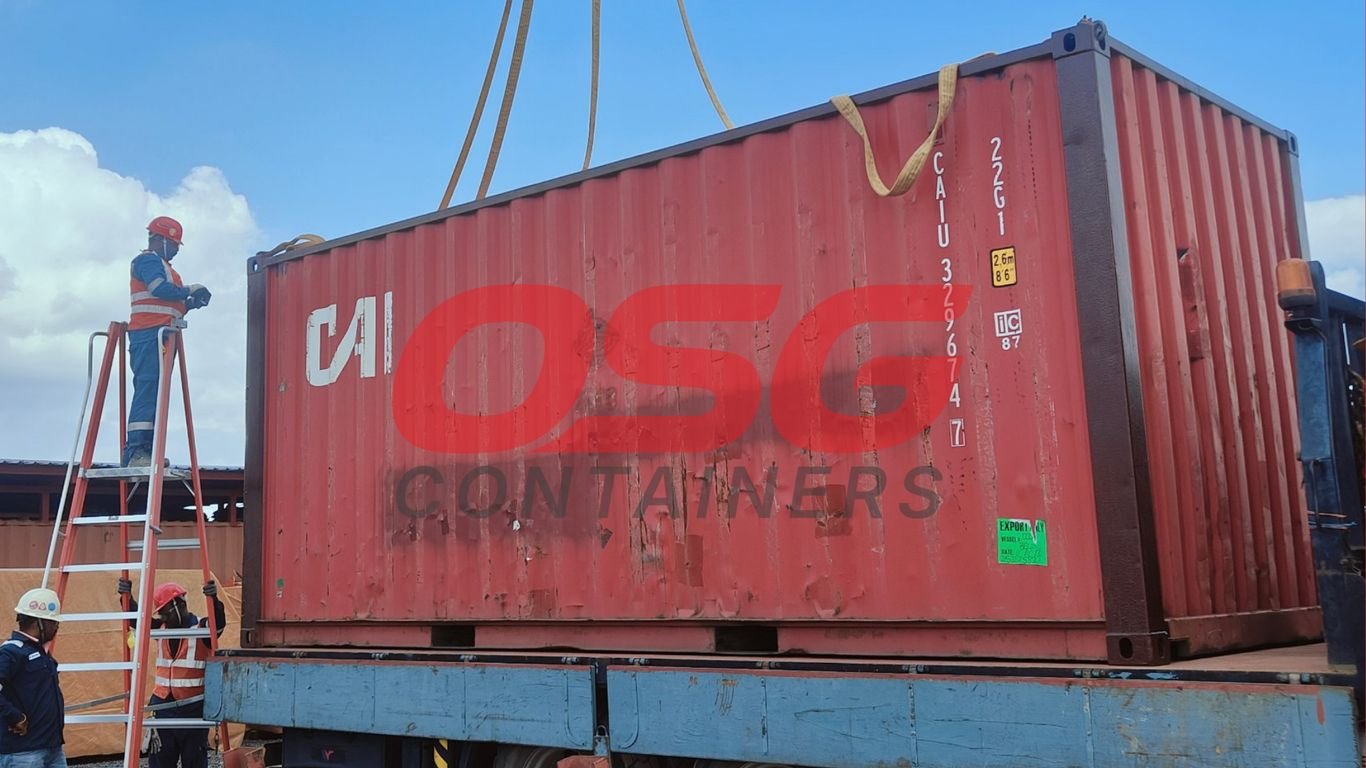
So, you’re thinking about getting a 40ft container. That’s a big step! These steel boxes are super handy for all sorts of things, from storing stuff to building unique spaces. But before you hand over your cash, there are a few things you should really think about. It’s not just about picking one up and dropping it off. You’ve got to consider the type, the condition, where it’s going, and how much it’ll all cost. Let’s break down what you need to know to make sure you get the right 40ft container for your needs.
Key Takeaways
- Figure out if you need a standard 40ft container or a High Cube for extra height. There are also specialty types like Flat Racks if your needs are different.
- Decide between a new container, which is in top shape but costs more, or a used one, which is cheaper but needs a good inspection for dents, rust, or leaks.
- Make sure you have enough space for delivery and that the ground where the container will sit is flat and stable. Check for any overhead obstructions too.
- Understand that containers are usually made of Corten steel for strength. Check the container’s overall build quality and know the difference between ‘Cargo Worthy’ and ‘Wind & Watertight’ ratings.
- Budget for the total cost, including delivery, and consider if buying, renting, or a lease-to-own plan works best for your situation. Also, look into any permits or local rules that might apply.
Understanding the Types of 40ft Containers Available
When you’re looking at getting a 40ft container, it’s not just a one-size-fits-all deal. There are a few main types, and knowing the difference can save you a headache later on. The most common ones you’ll run into are the standard Dry Van and the High Cube. Then there are also some more specialized 40 footer options if your needs are a bit different.
Dry Van vs. High Cube: Key Differences
The biggest difference between a standard 40ft container and a 40ft High Cube is the height. Both are the same width (about 8 feet) and length (40 feet), but the High Cube is about a foot taller. This extra height might not sound like much, but it adds up to a good chunk more storage space inside. Think of it this way: the standard is usually around 8.5 feet tall on the outside, while the High Cube is closer to 9.5 feet. This extra foot of headroom inside can make a big difference, especially if you’re planning to convert the container into something like an office or workshop.
Here’s a quick look at the typical dimensions:
| Type | Exterior Height | Interior Height |
|---|---|---|
| 40ft Std | 8′ 6" | 7′ 10" |
| 40ft High Cube | 9′ 6" | 8′ 10" |
Even though the High Cube is taller, the maximum weight they can carry is usually the same. So, if you’re just looking to store stuff and don’t need that extra vertical space, a standard 40 foot container might be perfectly fine.
Specialty 40ft Containers: Flat Rack, Open Top, and More
Beyond the standard dry vans, there are other types of 40ft containers designed for specific jobs. A Flat Rack container is basically a platform with walls that fold down. It’s great for oversized cargo that won’t fit in a regular container, like heavy machinery or vehicles. You can load things onto it from the sides or the top. Then there’s the Open Top container. This one looks like a standard container but has a removable roof, usually made of tarpaulin. It’s handy if you need to load cargo from above using a crane, or if your items are just a bit too tall for a standard container.
Other less common types include:
- Open Side Containers: These have doors that open up along the entire long side, making loading and unloading much easier if you have wide items.
- Refrigerated Containers (Reefers): These are insulated and come with their own cooling units, perfect for transporting temperature-sensitive goods like food or medicine.
Advantages and Applications of Container Types
Choosing the right type of 40 feet container really depends on what you plan to do with it. For general storage or shipping of dry goods, the standard Dry Van or High Cube are your go-to options. The High Cube is often preferred for living spaces or workshops because of that extra headroom. If you’re dealing with awkward, oversized, or heavy equipment, a Flat Rack is probably what you need. For bulkier items that need to be loaded from above, the Open Top is the way to go. And for anything that needs to stay cool, a reefer is your only real choice.
Think about the shape and size of what you’ll be putting inside. Also, consider how you’ll be loading and unloading it. These factors will point you toward the best 40 footer for your specific situation.
Determining the Right Condition: New vs. Used 40ft Containers
When you’re looking to buy a 40ft container, one of the first big decisions you’ll face is whether to go for a brand-new unit or a pre-owned one. It’s not as simple as just picking the cheapest option; each has its own set of pros and cons that can really impact your project.
Benefits of New 40ft Containers
Buying a new container, often called a "one-trip" container, means it’s only been used for a single journey from the factory, usually overseas, to its current location. This means you’re getting something in top-notch shape. Think pristine paint, no dents, no rust, and a perfectly sealed interior. It’s basically as close to factory-fresh as you can get.
- Highest Quality: You’re guaranteed a container with no prior wear and tear.
- Longest Lifespan: A new container will likely last you the longest, especially if you plan on using it for many years.
- Minimal Maintenance: Less chance of immediate repairs or issues cropping up.
- Aesthetic Appeal: If looks matter, a new container is the way to go.
Considerations When Buying Used 40ft Containers
Used containers are a popular choice because they’re significantly cheaper than new ones. They’ve seen some action, sure, but that doesn’t mean they aren’t perfectly good for many uses. The key is knowing what to look for.
- Cost Savings: This is the biggest draw. You can save a good chunk of money compared to buying new.
- Environmental Friendliness: Repurposing a container is a great way to be more sustainable.
- Availability: There’s a huge market for used containers, making them readily available.
However, used containers come with a few caveats. They might have some cosmetic issues like minor dents, scratches, or surface rust. The paint might be faded or chipped, and you’ll likely see markings from previous shipping lines. The interior might also show signs of previous use.
Inspecting for Quality and Common Issues
No matter if you’re looking at new or used, a good inspection is always a smart move. For used containers, this is absolutely critical. You’ll want to check for:
- Structural Integrity: Look for any major dents, bends, or signs of damage to the frame, walls, and roof. Make sure the doors open and close smoothly and seal properly.
- Rust: While some surface rust is normal on used containers, you want to avoid containers with significant rust, especially on the roof or floor, as this can lead to holes.
- Floor Condition: Check the flooring (usually wood planks) for rot, damage, or missing sections. This is important for stability and preventing pests.
- Leaks: Ask if the container is "Wind and Watertight" (WWT). This means it’s sealed against the elements. You can test this by looking for light coming through from the inside when the doors are closed, or by checking for signs of water damage inside.
When buying a used container, don’t just take the seller’s word for it. If possible, arrange to see the container in person before you commit. If that’s not an option, ask for detailed photos or even a video walk-around of the specific unit you’re considering. Transparency from the seller is a good sign.
Site Preparation and Delivery Logistics for a 40ft Container
So, you’ve decided a 40ft container is the way to go for your storage or project needs. Awesome! But before that big metal box shows up, there’s a bit of homework to do. It’s not just about having the container delivered; it’s about making sure it gets there safely and sits right once it arrives. Let’s break down what you need to think about.
Space and Accessibility Requirements
First things first: space. A 40ft container isn’t small, and the truck delivering it needs room to maneuver. We’re talking about needing a clear path, usually around 110-120 feet of straight clearance, not just for the container itself but for the truck to back it into place. Think about overhead obstructions too – low-hanging branches, power lines, or even a tight turn around a building can cause major headaches. It’s a good idea to ask your supplier for a specific delivery guide for the type of truck they’ll be using. They can tell you exactly how much room they need and what potential obstacles to look out for.
Delivery Methods and Associated Costs
How your container gets to you can vary, and so can the price. Most often, a tilt-bed truck will be used. This is usually the most straightforward and cost-effective method for getting a container right where you want it. However, depending on your location and needs, other options might come up. Some suppliers might offer crane services if the truck can’t get close enough, but that’ll definitely add to the bill. Always clarify the delivery method upfront and get a clear breakdown of any associated costs. Don’t forget to ask about lead times – how long will it take from when you order to when it arrives?
Preparing the Foundation and Site
This is super important. You can’t just plop a container down anywhere. It needs a solid, level base. Uneven ground can cause the container to warp, making doors hard to open and close, and can lead to rust issues over time as water pools. Ideally, you want a concrete pad or at least a well-compacted gravel base. This keeps the container stable, dry, and protected from ground moisture. Make sure the area is clear of debris and vegetation. A little prep work here goes a long way in protecting your investment and making sure your container stays in good shape for years to come.
Think of the foundation like the base of a house. It needs to be strong and stable to support everything that comes after. Skipping this step is like building on sand – it might look okay for a bit, but trouble is usually just around the corner. A good foundation prevents a lot of potential problems down the line, from structural issues to water damage.
Evaluating Durability, Material, and Build Quality
When you’re looking at a 40ft container, it’s not just about the size. You really need to think about what it’s made of and how well it’s put together. This stuff matters a lot for how long it’ll last and how well it’ll protect whatever you put inside.
Corten Steel and Its Advantages
Most good shipping containers are made from something called Corten steel. It’s a type of steel that’s pretty strong and doesn’t rust as easily as regular steel. This is a big deal, especially if your container is going to be sitting outside through rain, snow, or whatever else the weather throws at it. It means less worry about rust spots and holes forming over time. When you’re checking out used containers, always ask what it’s made of. Cheaper materials might look okay at first, but they can cause problems down the road.
Structural Integrity: What to Look For
Beyond the material, how the container is built is super important. You want to make sure it’s solid. Look for:
- Straight lines: The walls, roof, and floor should all look straight and not saggy or bent.
- Door seals: Check that the doors close tight and the rubber seals are in good shape. This helps keep water and pests out.
- Floor condition: The flooring should be sturdy. You don’t want it to be rotten or have big holes, especially if you plan on moving heavy stuff around inside with a forklift.
- Corner posts: These are the strong vertical pieces at each corner. They’re key to the container’s strength, especially if you ever plan to stack them.
The middle of a container’s roof isn’t as strong as the edges. While you can stack containers, be mindful of where you put weight, especially if you’re planning any modifications or adding things to the roof.
Key Differences Between Wind & Watertight and Cargo Worthy Containers
When you’re shopping, you’ll hear terms like "Wind & Watertight" (WWT) and "Cargo Worthy" (CW). They sound similar, but there’s a difference:
| Container Type | Description |
|---|---|
| Cargo Worthy (CW) | These containers are certified to be structurally sound for shipping goods overseas. They meet strict standards and are good for heavy loads. |
| Wind & Watertight (WWT) | These containers are guaranteed to have no holes and won’t leak. They’re great for storage, but they might not meet the strict rules for international shipping. |
Basically, if you need a container that can handle being shipped around the world, you’ll want Cargo Worthy. If it’s just for storage on your property and needs to keep the elements out, Wind & Watertight is usually fine. Both are a step up from containers sold "as-is," which might have known issues that cost more to fix than the container is worth.
Budgeting for 40ft Container Costs and Payment Options
Alright, let’s talk about the money side of things. Getting a 40ft container isn’t just about picking one out; it’s about figuring out what you can afford and how you’re going to pay for it. There are a few big things that play into the final price, and understanding them can save you some headaches down the road.
Factors Impacting Price
The cost of a 40ft container can swing quite a bit. It’s not just the sticker price you see on a listing. You’ve got to consider a few key elements:
- Condition: Are you going for a brand-new container, shiny and untouched? Or is a used one, with a bit of character and a lower price tag, more your speed? New ones cost more, naturally, but used ones might have dings or rust. Just make sure any used container you look at is still structurally sound and doesn’t have holes.
- Type: A standard dry van is usually the most common and affordable. But if you need something specialized, like a high cube for extra headroom, or a flat rack for oversized items, expect to pay more. These specialty containers are less common, so they often come with a higher price.
- Location: Where the container is located makes a difference. Containers tend to be cheaper closer to major ports on the coasts because there’s a bigger supply. If you’re inland, you might pay more for the container itself and definitely more for delivery.
- Delivery Distance: This is a big one. Most sellers charge for delivery, and it’s often based on mileage from their depot. The further away you are, the more that delivery fee adds up. Always factor this into your total cost.
Buying, Renting, or Lease-to-Own: Which is Right for You?
This is a pretty big decision, and it really boils down to how long you plan on using the container. There’s no single right answer here, just what’s right for your situation.
- Buying: If you know you’ll need the container for a year or more, buying outright is usually the most cost-effective in the long run. You own it, you can modify it, and you don’t have ongoing monthly payments. The downside is the larger upfront cost.
- Renting: This is a good option if you only need temporary storage, maybe for 6 to 12 months. The initial cost is much lower than buying, which is great for your budget if you don’t need it permanently. Just remember, you’ll likely have to pay for pickup when you’re done, too.
- Lease-to-Own: This can be a nice middle ground. You make monthly payments, similar to renting, but a portion of those payments goes towards eventually owning the container. It spreads out the cost and lets you try it out before committing to a full purchase.
Additional Costs: Delivery and Setup
Don’t forget about the costs that pop up after you’ve agreed on the container price. Delivery is the most common extra charge. As mentioned, this can vary a lot based on distance and the type of truck needed. Some companies might also charge extra for specific placement services if the ground isn’t perfectly level or accessible.
When you get quotes, always ask for the total price, including delivery. Sometimes a container might seem cheaper initially, but the delivery fee can make it more expensive than another option. It’s also worth asking if you can arrange your own pickup and delivery; sometimes, you can find a better deal that way, especially if you have access to a suitable truck and trailer.
Think about any setup you might need too. Will you need to level the ground? Add gravel? These are small costs, but they add up. It’s better to have a clear picture of all potential expenses before you sign on the dotted line.
Complying with Zoning, Permits, and Local Regulations
When You Need a Permit for a 40ft Container
So, you’ve got your eye on a 40ft container. Awesome! But before you start dreaming about your new workshop or storage space, let’s talk about the nitty-gritty: rules and regulations. It’s not the most exciting part, but it’s super important. You absolutely need to check if you need a permit before you even think about placing that container. Depending on where you live and what you plan to do with it, local authorities might have specific requirements. Using a container as a permanent structure, like an office or even a tiny home, almost always means you’ll be dealing with building codes and zoning laws. Even if it’s just for temporary storage, some areas might still require a permit. It’s better to ask first than to get hit with a fine later. Your container seller might have some general advice, but ultimately, it’s your responsibility to know the local rules.
Understanding Local Zoning and Building Codes
Zoning laws are basically the rules about what you can and can’t do with land in a specific area. Think of it like this: a residential zone probably won’t be thrilled about a giant shipping container being used as a commercial warehouse. Building codes, on the other hand, are more about safety and how things are constructed. They might have rules about how the container is set up, if it needs to be anchored, or even what kind of foundation it needs. These codes are there to make sure whatever you’re doing is safe for you and your neighbors.
Here’s a quick rundown of what to look out for:
- Usage Restrictions: Some zones only allow certain types of activities. Is your intended use permitted?
- Setback Requirements: How far does the container need to be from property lines or other buildings?
- Foundation Rules: Are there specific requirements for how the container must be supported?
- Height Limitations: While less common for a single container, it’s worth checking if there are any restrictions.
- Aesthetic Guidelines: Believe it or not, some places have rules about how things should look.
Tips for Navigating Municipality Requirements
Dealing with local government can sometimes feel like a maze, but a little preparation goes a long way. First off, don’t be shy about contacting your local planning or building department. They are the ones who know the exact rules for your area. It’s often helpful to go in with a clear idea of what you want to do with the container. Having a simple drawing or description can make it easier for them to advise you.
Always start your inquiries at the municipal level. Your local planning or zoning office is the definitive source for permit requirements and land-use regulations. They can provide you with the necessary application forms and explain the process step-by-step.
Here are a few more pointers:
- Be Prepared: Have your property address and a clear description of your project ready when you call or visit.
- Ask Specific Questions: Instead of a general "Can I put a container here?", ask about permits for storage, workshops, or other specific uses.
- Document Everything: Keep copies of any permits, applications, and correspondence you have with the municipality.
- Talk to Neighbors: Sometimes, knowing if your neighbors have containers and what their experience was can be helpful, though it doesn’t replace official guidance.
- Consider Professional Help: If things get complicated, a local contractor or permit expediter might be worth the investment.
Modifications, Security, and Maintenance Considerations
So, you’ve got your 40ft container. Now what? Well, before you start filling it with your stuff or turning it into a tiny home, let’s talk about making it work for you and keeping it in good shape. It’s not just a big metal box, you know.
Popular Modifications for 40ft Containers
Containers are pretty adaptable, which is one of their best features. You might need to add things to make it fit your specific plan. Think about adding an extra door, maybe a roll-up one for easier access, or even a window if you’re planning on spending time inside. Some folks add vents to keep the air moving, which is a good idea if you’re storing things that could get musty or if you plan to insulate it. If you’re handy with tools, you can even find DIY kits for some modifications. Just remember, not all modifications are created equal, and some can affect the container’s structural strength if not done right.
- Adding Doors: Standard container doors are okay, but sometimes you need more access points. Think about man-doors or roll-up doors.
- Windows: If it’s going to be an office or a living space, windows are a must for light and airflow.
- Ventilation: Crucial for preventing moisture buildup and keeping the air fresh, especially in humid climates.
- Insulation: Makes a huge difference for temperature control, whether it’s for living or sensitive storage.
Essential Security Features
These containers are built tough, usually from Corten steel, which is pretty resistant to the elements. The standard doors have levers that you can lock with a padlock. That’s usually enough for basic storage. But if you’re storing anything valuable, or if the container will be in a remote spot, you might want to step up the security. A lockbox that covers the padlock is a popular choice. It makes it harder for someone to cut off your lock. Some people even go for more heavy-duty options like crossbar locks. The goal is to make it as difficult and time-consuming as possible for anyone trying to get in.
Routine Maintenance to Maximize Container Lifespan
Even though they’re made of strong steel, containers aren’t invincible. They can rust and get damaged over time, especially if they’re used or in harsh weather. Keeping up with maintenance is key to making yours last. The biggest enemy is moisture. You want to keep water from pooling underneath or getting inside, as this can lead to rust and mold. If your container is in a damp area, consider a dehumidifier. Painting the container isn’t just for looks; it adds another layer of protection against rust. Regularly check for any dents or damage, especially around the seals of the doors and roof, and fix them promptly. It’s like taking care of a car – a little attention goes a long way.
Don’t overload the roof of your container. While they are strong, their structural integrity relies heavily on the corner posts. The middle section of the roof isn’t designed to hold significant weight, so be mindful of this when planning any additions or modifications.
Here’s a quick rundown of what to keep an eye on:
- Check for Rust: Especially around seams, corners, and any areas where the paint is chipped.
- Inspect Door Seals: Make sure they are intact and creating a good seal to keep water out.
- Clear Debris: Remove leaves, dirt, or anything that could trap moisture around the base or on the roof.
- Repaint as Needed: A fresh coat of paint can protect the steel and prevent corrosion.
Wrapping It Up
So, you’re thinking about getting a 40ft container. It’s a pretty big decision, and as we’ve gone over, there’s a fair bit to think about. From figuring out if you need a brand new one or if a used one will do the job, to understanding the difference between a standard and a high cube, and even considering how it’s going to get to your place – it all adds up. Don’t forget to check local rules and think about how you’ll care for it long-term. Taking the time to ask the right questions and really look into your options means you’ll end up with a container that works for you, without any nasty surprises down the road. Happy container hunting!
Frequently Asked Questions
What’s the difference between a standard 40ft container and a 40ft High Cube container?
The main difference is height! A High Cube container is about a foot taller than a standard one. This gives you more headroom and extra storage space, which is great if you plan to use it as a workspace or office.
Should I buy a new or used 40ft container?
New containers are in top shape but cost more. Used containers are cheaper and still very durable, though they might have a few dents or scratches. For most storage needs, a good quality used container is a great value if you want to save money.
What does ‘Wind and Watertight’ (WWT) mean for a container?
It means the container is guaranteed to be sealed up tight, with no holes or leaks. This is perfect for keeping your stuff safe from rain, wind, and pests, making it ideal for storage.
How much space do I really need for a 40ft container delivery?
You’ll need more space than just the container’s size. The delivery truck needs room to drive in, turn, and lift the container off. Think about needing about 110-120 feet of clear, straight space for the truck to maneuver safely.
Do I need special permission or a permit to have a 40ft container on my property?
It depends on where you live and how you’ll use the container. Some towns or cities have rules about where you can put containers, especially if you’re using them for things like a permanent workshop. It’s best to check with your local government office to be sure.
What’s the best way to take care of my 40ft container to make it last?
Even though they’re tough, a little care goes a long way. Keep an eye out for rust, make sure the roof is clear of leaves and water, and fix any dings or scratches. Greasing the door hinges regularly also helps keep things working smoothly.