Singapore
 Australia
 Indonesia
 Japan
Japan Malaysia
 New Zealand
 Philippines
 South Korea
 Taiwan
 Thailand
 VIETNAM
Thinking about a container toilet setup for your needs? It’s not as complicated as it might sound. Basically, these systems are designed to handle waste without needing a traditional sewer hookup. They’re pretty neat because they use special containers to collect everything, and then those containers get swapped out or emptied. This whole process is pretty contained, hence the name, and it’s a smart way to manage sanitation, especially where standard plumbing isn’t an option. Let’s break down what makes up a typical contianer toilet setup.
Key Takeaways
- A contianer toilet system focuses on collecting waste in sealed containers that are then removed and treated elsewhere. This means no direct contact with waste for users or service staff.
- Many container toilets are waterless or use very little water, often separating liquids from solids to make waste management simpler and reduce volume.
- Odor control is a big deal, usually handled by adding dry materials or using special films to seal the waste inside the container.
- These systems are modular and can be adapted for different locations and needs, offering flexibility that traditional plumbing can’t match.
- Waste from container toilets can be processed in various ways, including composting, energy production, or even turned into fertilizer, turning waste into a resource.
Core Components of a Container Toilet System
When you’re looking at a container toilet setup, whether it’s for a construction site, an event, or even a unique housing solution, there are a few key parts that make the whole thing work. Think of it like building blocks; each piece has its job to do to keep things clean and functional. These systems, often seen as mobile toilet units or even in places like Singapore where space is a premium, are designed to be self-contained and efficient.
Waste Containment and Sealing Mechanisms
The heart of any container toilet is how it holds onto waste. Unlike a traditional flush toilet that sends everything away with water, these systems use specialized containers. The primary goal is to seal waste securely, preventing leaks and odors from escaping. This often involves robust plastic or metal containers that fit snugly within the toilet unit. For example, some systems use a "packaging toilet" approach where each use is sealed in its own bag, completely isolating the waste. This is a big step up from older methods where waste might have been carried in open buckets.
Urine Diversion and Liquid-Solid Separation
To make waste management easier and more effective, many container toilets separate liquids from solids. This is a smart move because liquids and solids behave differently when it comes to treatment and odor. By diverting urine, you reduce the overall volume of waste and can manage the solid material more effectively, often for composting. This separation also helps keep the solid waste drier, which is beneficial for certain treatment processes.
Toilet Bowl and Cabin Design
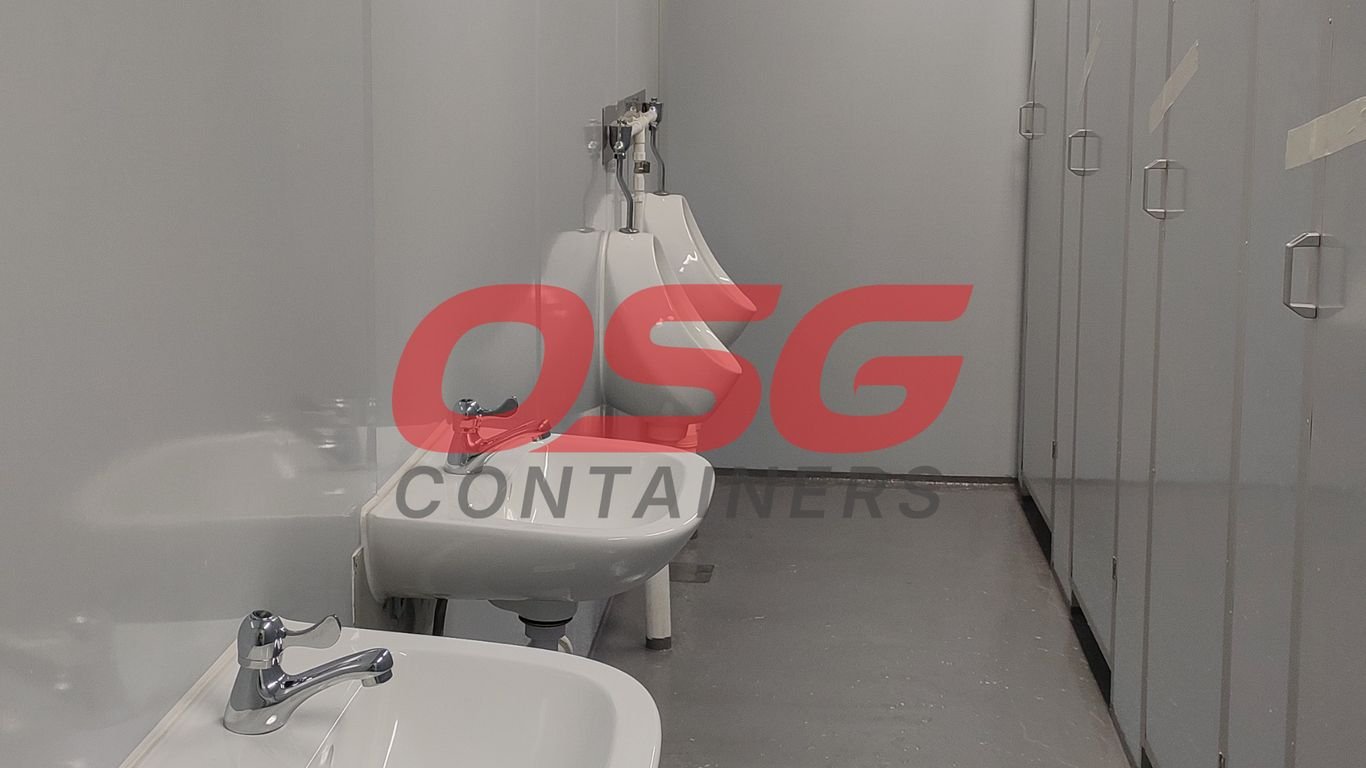
The part you actually interact with is the toilet bowl and the cabin it’s housed in. These aren’t just basic seats; they’re designed with the container system in mind. The bowl might be shaped to direct waste towards the collection container or a diversion mechanism. The cabin itself needs to be sturdy, weather-resistant, and provide a basic level of privacy and comfort. For a mobile toilet, the design also needs to consider how easily the unit can be transported and set up. Some are quite basic, while others might include features like small sinks or even ventilation fans, depending on the specific model and its intended use.
Waste Collection and Management Processes
So, you’ve got this container toilet setup, which is pretty neat for places that don’t have regular sewer hookups. But what happens when those containers fill up? That’s where the collection and management part comes in. It’s not just about having the toilet; it’s about the whole system working smoothly.
Portable Container Removal and Exchange
This is probably the most common way these systems work. Think of it like a propane tank exchange, but, well, for toilet waste. When your container is full, a service provider comes and swaps it out for a fresh, empty one. This exchange process is designed to keep things clean and minimize user contact with the waste. The containers themselves can vary a lot in size, from small 5-liter ones to much larger 208-liter drums, depending on the specific toilet model and how much use it gets.
- Sealing: Once full, the container is sealed up tight. This is key to preventing leaks and odors during transport.
- Exchange: A service vehicle arrives, takes away the full container, and leaves a clean, sanitized empty one.
- Disinfection: The removed containers are then taken to a facility, emptied, cleaned, and disinfected before they’re ready to be used again.
The whole point here is to create a closed-loop system where the user never has to deal directly with the waste. It’s all handled by the service.
Scheduled Waste Transportation Services
This isn’t usually a ‘call us when it’s full’ kind of deal. Most container toilet systems operate on a schedule. You sign up for a service, and they come by regularly – maybe weekly, bi-weekly, or monthly, depending on your needs and the service provider’s routes. This predictability is good for both the user and the service company. It means you don’t have to worry about the container overflowing, and the company can plan its routes efficiently.
Here’s a look at how it typically works:
- Service Agreement: You agree on a service frequency based on expected usage.
- Route Planning: The service provider maps out efficient routes for their collection trucks.
- Scheduled Visits: Technicians arrive on the scheduled day to perform the container exchange.
- Waste Transport: Full containers are transported to a central processing facility.
Safe Waste Handling Protocols
Dealing with human waste, even when it’s contained, requires strict procedures. Safety is a big deal here, for the workers doing the collection and for the environment. These protocols cover everything from how the containers are handled to how the waste is transported and processed.
- Personal Protective Equipment (PPE): Workers always use gloves, masks, and other gear to avoid contact.
- Secure Transport: Containers are secured in the transport vehicle to prevent tipping or spilling.
- Facility Standards: The processing facilities have specific guidelines for emptying, treating, and disposing of the waste safely.
- Emergency Procedures: Plans are in place for what to do if a spill or accident occurs during collection or transport.
Treatment and Disposal Methods for Container Toilets
So, you’ve got your container toilet setup, and it’s doing its job. But what happens to the waste after it’s sealed up in those containers? That’s where the treatment and disposal part comes in, and it’s pretty important for keeping things clean and safe. For a toilet container rental, understanding these methods is key.
Thermophilic Composting for Solids
This is a big one, especially for the solid waste. Thermophilic composting basically means using high temperatures to break down the organic material. Think of it as a super-charged composting process. The heat, generated by the microbes doing their work, helps to kill off pathogens and reduce the volume of the waste. It’s a pretty neat way to turn what was once waste into something that can be safely returned to the environment, often as a nutrient-rich soil amendment. It requires careful management of moisture and aeration to keep those temperatures up where they need to be.
Pathogen Reduction Techniques
Beyond just composting, there are other ways to make sure the waste is safe. This is all about reducing or eliminating harmful bacteria and viruses. Sometimes, this involves specific temperature and time combinations during treatment. Other methods might include using drying techniques, solar exposure, or even specific chemical treatments, though the goal is usually to keep it as natural as possible. The idea is to make the treated waste non-infectious, which is a pretty big deal.
Resource Recovery and Reuse Options
This is where things get really interesting. Instead of just getting rid of the waste, we can actually get something useful out of it. For container-based sanitation, this is often easier because the waste isn’t mixed with a lot of water. We’re talking about turning waste into things like fertilizer for agriculture, or even biogas, which can be used for energy. Some systems even look at using insect larvae, like black soldier flies, to process the waste and create protein-rich animal feed. It’s a circular approach that makes a lot of sense.
The focus here is on transforming waste from a problem into a resource. This not only addresses disposal challenges but also contributes to sustainability by creating valuable byproducts. It’s a shift in perspective from simple waste management to resource management.
Here’s a quick look at some common outcomes:
- Soil Amendments: Treated solids can become compost, improving soil quality.
- Biogas Production: Anaerobic digestion can yield methane for energy.
- Animal Feed: Processed waste can be a source of protein for livestock.
- Liquid Fertilizers: Separated urine, if treated, can be used to fertilize plants.
Ventilation and Odor Control Solutions
Keeping things fresh and odor-free is a big deal when you’re talking about container toilets. Nobody wants a stinky situation, right? Luckily, there are some smart ways these systems tackle that.
Built-In Ventilation Fans
Many container toilets come with fans already installed. These aren’t just for show; they actively pull air out of the toilet unit and vent it outside. This constant airflow helps prevent smells from building up inside. Think of it like a tiny exhaust fan in your bathroom, but designed specifically for the toilet.
- Promotes aerobic decomposition: The airflow is key for the good bacteria that break down waste. Without enough oxygen, things can get… unpleasant.
- Reduces moisture: Moving air helps dry out the waste a bit, which also cuts down on smells and makes the composting process work better.
- Vents gases away: Any gases produced during decomposition are directed outside, not into your living space.
Use of Dry Cover Materials or Films
Another common trick is using a dry cover material or a special film. After each use, you might add a scoop of sawdust, peat moss, or a similar material. This does a couple of things:
- Covers the waste: It physically blocks odors from escaping.
- Absorbs moisture: These materials soak up any extra liquid, which helps control smell and aids decomposition.
- Aids decomposition: Adding carbon-rich materials like sawdust is great for the composting process.
Some systems might use a biodegradable film that seals the waste, also acting as a barrier against odors. The goal is to create a barrier between you and the waste, both physically and olfactorily.
Design Features to Minimize Odors
Beyond fans and cover materials, the design itself plays a role. Many container toilets are built with features that help manage smells:
- Urine Diversion: Separating liquids from solids is a game-changer. Urine can be handled differently, and keeping it away from solids means less ammonia production and a less potent smell from the main waste container.
- Sealed Containers: The waste containers are designed to seal tightly when not in use or when being transported. This containment is pretty straightforward but super effective.
- Smooth Surfaces: Interior surfaces are often made to be smooth and easy to clean, so waste doesn’t stick and start to break down in unwanted ways.
Managing odors in a container toilet system is all about controlling airflow, managing moisture, and creating barriers. It’s a multi-pronged approach that makes these systems surprisingly user-friendly, even without a traditional flush.
Here’s a quick look at how these methods stack up:
| Method | Primary Function | Secondary Benefit |
|---|---|---|
| Ventilation Fans | Airflow, Gas Removal | Moisture Reduction |
| Dry Cover Materials | Odor Barrier, Absorption | Aids Decomposition |
| Biodegradable Films | Odor Barrier, Containment | Waste Sealing |
| Urine Diversion | Waste Separation | Reduced Ammonia Production |
| Sealed Waste Containers | Containment | Prevents Leaks |
Plumbing and Water Usage Considerations
When you’re setting up a container toilet, thinking about how water is used, or not used, is a pretty big deal. It’s not like a regular house where you just turn on the tap. These systems are often designed to be more self-contained and mindful of resources.
Non-Flush and Low-Flush Toilet Options
Forget about those water-guzzling toilets you’re used to. Container toilets often lean towards water-saving designs. You’ll find options that don’t use any water at all, like composting toilets, or ones that use just a tiny bit per flush. This is great for places where water is scarce or if you’re trying to be more eco-friendly. The goal is to minimize water consumption while still providing a functional toilet. Some systems even separate liquids and solids, which helps reduce the amount of water needed for flushing and makes waste management easier.
Greywater Drainage Solutions
If your container setup includes a sink or even a shower, you’ll need to think about where that used water, or greywater, goes. Unlike blackwater (from the toilet), greywater is generally less contaminated. However, it still needs to be managed properly. Some systems might have a simple drainage pipe leading to a designated soakaway pit or a holding tank. Others might connect to a more complex greywater treatment system if local regulations require it. It’s all about finding a solution that works for your specific location and setup.
Waterless Handwashing Systems
Keeping hands clean is important, of course, but even that can be done without a constant flow of running water. Many container toilet setups incorporate waterless handwashing solutions. This could mean a simple hand sanitizer dispenser mounted near the toilet. Some more advanced setups might include a foot-pump-operated sink that dispenses a small amount of water only when you need it, or even a system that uses recycled greywater for rinsing. It’s all about being smart with water use, even for something as basic as washing your hands.
Accessibility and Modular Design Advantages
When you’re setting up a container toilet system, one of the big wins is how adaptable they are. Think about it – these aren’t just one-size-fits-all solutions. They’re built to be flexible, which is a huge plus for a lot of different situations.
Flexible Layout and Stall Configurations
These units can be configured in all sorts of ways. You can get them set up with just a single stall for a small event, or link several together to create a larger restroom facility. They can be designed with different interior layouts too, depending on what you need. Some might have just a toilet, while others can include a sink or even a small changing area. It really depends on the specific container size and how it’s modified.
- Single-stall units for basic needs.
- Multi-stall setups for higher traffic.
- Customizable interiors for sinks or accessibility features.
- Options for separate men’s and women’s sections.
Adaptable Installation for Various Locations
Another great thing is where you can put them. Because they’re essentially modified shipping containers, they can be placed pretty much anywhere you can get a truck to. This means they’re perfect for remote job sites, temporary event locations, or even as a quick addition to an existing building where permanent plumbing is tricky. They don’t need a lot of site prep compared to building something from scratch.
The modular nature means these units can be deployed quickly and efficiently, minimizing disruption to the surrounding area. They are designed to withstand various weather conditions, making them suitable for almost any outdoor environment.
Climate-Control and Comfort Features
Don’t think these are just basic boxes. You can actually outfit them with climate control systems. This means adding heating and air conditioning, so people using them stay comfortable no matter what the weather is like outside. Add in some good lighting and ventilation, and you’ve got a restroom that’s way more pleasant than a standard portable toilet. It makes a big difference, especially for longer-term use or in places where comfort is a priority.
Maintenance and User Service Systems
Keeping your container toilet running smoothly is all about a good maintenance plan and making sure users know what to do. It’s not just about the toilet itself, but the whole service around it.
Easy Access for Cleaning and Emptying
Think about how the toilet is designed. Can you get to the waste containers easily? Are they a good size so they aren’t too heavy to handle? Some systems have removable cartridges or bags that make emptying a breeze. Others might require a bit more effort, maybe a special tool or a specific way to detach the container. The goal is to make this process as simple and clean as possible for whoever is doing the work.
Here’s a quick look at what makes emptying easier:
- Container Type: Are they sealed bags, rigid bins, or something else?
- Access Points: How do you get to the container? Is it from the back, the side, or underneath?
- Weight and Size: Can one person manage the full container without strain?
- Sealing: Does the container seal well to prevent leaks or smells during transport?
Subscription-Based Collection Services
For many container toilet setups, especially in places without regular sewage systems, a collection service is key. This usually works on a subscription model. You pay a regular fee, and a service provider comes to your location on a schedule to swap out full waste containers for empty ones. It’s like a milk delivery, but for toilet waste. This takes the burden off the user to manage the waste disposal themselves.
- Scheduled Pickups: Weekly, bi-weekly, or monthly, depending on usage.
- Container Swapping: Full containers are removed, and clean ones are put in their place.
- Waste Treatment: The collected waste is then taken to a facility for safe processing.
This kind of service is what makes container toilets practical for many people. It’s a way to get sanitation without needing a big, permanent infrastructure project. The reliability of the service is super important for users.
Durability and Longevity of Components
When you’re setting up a container toilet, you want it to last. The materials used for the toilet bowl, the containers, and any seals or mechanisms are really important. Things made from sturdy plastics or treated metals tend to hold up better over time, especially if they’re exposed to different weather conditions or frequent use. A well-built system means fewer breakdowns and less need for replacement parts, which saves money and hassle in the long run. It’s about choosing quality components that can handle the job day in and day out.
Wrapping It Up
So, when you’re looking at a container toilet setup, remember it’s more than just the toilet itself. You’ve got the main unit, of course, but also think about how waste is handled – whether it’s sealed in containers that get swapped out, or if it’s a system designed for composting. Ventilation is a big deal for keeping things fresh, and sometimes you’ll see features like urine diversion to make the whole process cleaner and more efficient. Don’t forget the little things, like easy-to-clean surfaces and maybe even heating if you’re in a cold spot. It all adds up to a system that works for you and the environment, without too much fuss.
Frequently Asked Questions
What exactly is a container toilet system?
A container toilet system is a type of toilet that doesn’t need to be connected to regular sewer lines. It uses special containers to hold waste. When the container gets full, it’s swapped out for a clean, empty one. This makes it super handy for places where building traditional bathrooms is tough or too expensive.
Do these toilets use water?
Many container toilet systems don’t use any water at all, or they use very little. This is great because it saves water. Some designs separate liquids, like urine, from solid waste. This helps keep things drier, reduces smells, and makes the waste easier to handle later on.
How is the waste managed after it’s collected?
Once the waste is collected in the sealed containers, it’s taken to a special facility. There, it can be treated in different ways. Common methods include composting, where the waste breaks down into a safe material, or other processes that can turn it into resources like fertilizer or even energy.
Are these toilets smelly?
Good container toilet systems are designed to control odors. They often use a dry material, like sawdust, or a special plastic film to seal the waste after each use. Some also have built-in fans to keep the air fresh. Separating liquids from solids also helps a lot with smell.
Can I move these toilets around easily?
Yes, one of the biggest advantages of container toilets is their portability. They are built to be moved. The containers themselves are designed to be easily swapped out, and the whole unit can often be relocated if needed, making them very flexible for different locations or temporary setups.
How much do these systems usually cost?
The cost can vary, but typically you might spend between $600 to $2,000 for a single unit. Installation usually takes a few hours. Keep in mind that if your location needs special permits or has tricky ground conditions, the cost could go up a bit. But, they can save money in the long run by cutting down on water bills.