Singapore
 Australia
 Indonesia
 Japan
Japan Malaysia
 New Zealand
 Philippines
 South Korea
 Taiwan
 Thailand
 VIETNAM
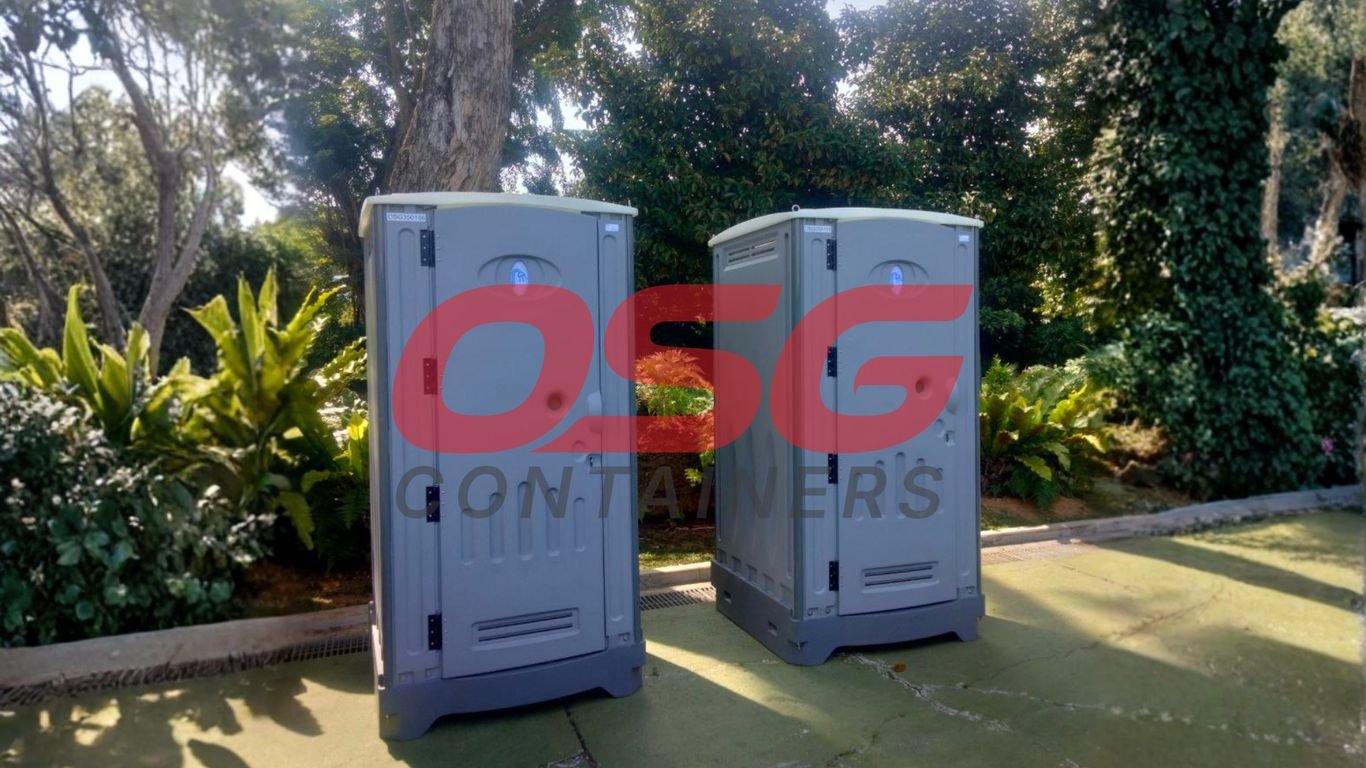
So, you need to rent a portable toilet, huh? It might seem like a simple thing, just grab a few of those blue boxes and call it a day. But honestly, there’s a bit more to it than that. Whether it’s for a big party, a construction job, or just a weekend camping trip, picking the right portable toilet rental can actually make a pretty big difference. Let’s talk about what goes into making that choice so you don’t end up with the wrong setup.
Key Takeaways
- Figure out how many people will be using the portable toilets and for how long. This helps you know if you need just one or quite a few.
- Think about the kind of event or job you have. A wedding might need something fancier than a basic construction site.
- Consider who will be using them. You might need special units for people with disabilities or family restrooms.
- Don’t forget about the extras like handwashing stations. They really help with cleanliness.
- Always pick a rental company that seems reliable and communicates well. It makes the whole process much smoother.
Understanding Your Portable Toilet Rental Needs
So, you’re looking into renting portable toilets. It sounds simple enough, right? Just grab a few and you’re good to go. But honestly, it’s a bit more involved than that if you want to get it right. Picking the wrong setup can lead to unhappy guests, messy situations, and just general headaches. Let’s break down what you really need to think about before you even pick up the phone.
Assessing Event Size and Duration
This is probably the most important part. How many people are actually going to show up? And for how long? A quick backyard barbecue for 20 people is a whole different ballgame than a three-day music festival for thousands. A good starting point for events is usually one toilet for every 50 to 75 people. But if you’re serving a lot of drinks, especially alcohol, you might want to double that number. Seriously, long lines are no fun for anyone.
For the duration, short events under four hours don’t need as much planning. But if your event stretches longer, or spans multiple days, you’ll definitely want to talk to the rental company about servicing. You don’t want the units getting too full or smelly halfway through.
Considering the Type of Event or Project
What kind of shindig are you throwing, or what kind of work are you doing? A wedding or a corporate gala usually calls for something a bit nicer than a basic porta-potty. Think more along the lines of a luxury trailer with sinks and better ventilation. On the flip side, a construction site needs something tough and functional. Durability is key there, and fancy features are usually less of a priority than just having a reliable unit.
Here’s a quick look at some common scenarios:
- Construction Sites: Focus on durability and waste capacity. One unit per 10 workers is a good rule of thumb for a standard work week.
- Outdoor Festivals: Higher traffic means more units. Consider one per 50-75 people, potentially more if alcohol is served.
- Weddings/Formal Events: Comfort and appearance matter. Look for flushable units or luxury trailers.
- Private Parties: Depends on guest count and formality, but basic units often suffice for smaller gatherings.
The goal is to match the facility to the expected usage and the expectations of the people using it. Overestimating slightly is almost always better than underestimating.
Identifying Audience Requirements
Who are your guests or workers? Think about their specific needs. Are there families with young children who might need a changing station? Do you have guests with disabilities who will require ADA-compliant, wheelchair-accessible units? Sometimes, you might need separate units for men and women, especially at larger events. It’s all about making sure everyone has a comfortable and accessible option. Don’t forget about handwashing stations too – they’re a lifesaver for hygiene, especially when food is involved or after a long day on a dusty site.
Key Features of Portable Toilet Systems
When you’re looking at portable toilets, it’s not just about having a place to go. There are some real differences in what makes one unit better than another, especially depending on where it’s going and who’s using it. Let’s break down what really matters.
Durability and Construction Materials
Think about where these things end up. A unit on a busy construction site needs to be tough, way tougher than one at a wedding. We’re talking about materials that can handle a lot of use and maybe some rough weather. Some are built with really strong plastics, like polyethylene, and have metal parts that won’t rust out easily. The best units are made to last, no matter what you throw at them. This means looking for solid flooring that won’t slip, doors that close right, and walls that can take a bump.
Waste Tank Capacity and Servicing Frequency
This is a big one, especially for longer events or jobs. Nobody wants a full toilet, right? The size of the waste tank directly affects how often someone needs to come out and empty it. A small tank means more frequent visits, which can get expensive and inconvenient. For a standard job site with about ten people working a full week, one unit usually does the trick. But for a big festival, you’ll need more units and maybe ones with bigger tanks or more frequent servicing schedules.
Here’s a general idea:
- Construction Sites: Typically, one toilet for up to 10 workers over a 40-hour week.
- Special Events: Often, one toilet for up to 50 people for an 8-hour period.
- Multi-Day Outdoor Events: Requires careful planning based on expected attendance and duration.
User Comfort and Ventilation
Let’s be honest, nobody enjoys a smelly, stuffy portable toilet. Good ventilation is key to keeping things fresh. You’ll see units with vents that let air flow through naturally, and some higher-end models even have fans. This helps a lot, especially when it’s warm out. Beyond just air, think about space inside. Some units feel really cramped, while others give you a bit more room to move around. Features like toilet paper dispensers and even small hooks for bags make a difference in how people feel about using the unit.
Matching Units to Specific Environments
So, you’ve got an event or a project, and you know you need portable toilets. But where do you actually put them, and what kind do you need? It really depends on the spot you’re setting up. A fancy wedding needs something different than a muddy construction site, right? Let’s break down how the location changes what you should be looking for.
Construction Site Requirements
Construction sites are tough places. Dust, heavy machinery, lots of people working long hours – the toilets need to keep up. Durability is the name of the game here. You want units made from strong plastic, the kind that can take a beating and won’t crack easily, even if it gets knocked around. Think thick, rotomolded polyethylene. These units also need decent-sized waste tanks because getting them serviced might not be as straightforward as in a city center. A good rule of thumb is one standard unit for every 10 workers over a 40-hour week. You’re not usually going for luxury here; you’re going for reliability and capacity.
- Tough Materials: Look for units built to withstand rough use and weather.
- Ample Tank Size: Reduces the need for frequent servicing, which can be tricky on-site.
- Easy to Clean: Construction sites can get messy, so units that are simple to maintain are a big plus.
- Stable Base: Needs to sit securely on uneven ground.
On a busy construction site, the last thing you want is a toilet that breaks down or overflows. It’s not just inconvenient; it can be a safety hazard and a real morale killer for the crew. Prioritize units that are built for the grind.
Special Event Amenities
Events are a whole different story. Whether it’s a wedding, a festival, or a corporate picnic, people expect a bit more comfort. You’re not just providing a basic necessity; you’re contributing to the overall guest experience. This often means looking at units with flushable toilets, maybe even sinks for handwashing. For events, a common guideline is one toilet for every 50 guests over an 8-hour period, but this can change based on the type of event and how long it lasts. You might also consider units with a bit more interior space or better ventilation to keep things pleasant, especially on warm days.
| Event Type | Recommended Units | Key Considerations |
|---|---|---|
| Wedding/Formal | Luxury trailers, units with sinks, ample space | Aesthetics, guest comfort, privacy |
| Music Festival | Standard units, high-capacity, frequent servicing | High traffic, odor control, ease of access |
| Corporate Picnic | Standard units with handwash stations | Convenience, hygiene, professional appearance |
| Outdoor Market | Standard units, accessible options | Foot traffic, ease of access, basic hygiene |
Recreational and Outdoor Adventures
When people are out camping, hiking, or enjoying a day at the park, the needs change again. For multi-day trips, especially in sensitive natural areas, you might be looking at smaller, more portable systems designed for ‘pack it in, pack it out’ scenarios. These are built for durability and to prevent any spills. For day-use areas like parks, standard units are usually fine, but you’ll want to make sure they’re placed conveniently and serviced regularly to handle the public flow. Think about ease of transport if you’re moving them around a large park or campsite, and definitely consider how they’ll hold up against the elements, whether it’s sun, rain, or wind.
Specialized Portable Toilet Solutions
When you’re looking at portable toilet Singapore options, sometimes the typical mobile toilet just won’t cut it. Different situations demand a little more, whether it’s making things accessible for everyone, adding a touch of luxury, or tackling emergencies. Here’s what you need to know.
ADA-Compliant and Accessible Units
Accessibility is non-negotiable for many events and job sites. Not all standard portable toilets work for everyone, especially folks who use wheelchairs or need more space to move around. ADA-compliant options have features like:
- Extra-wide doors and more spacious interiors
- Ground-level access (no steps up)
- Support bars and handles inside the unit
- Lowered fixtures for easier reach
| Feature | Standard Unit | ADA-Compliant Unit |
|---|---|---|
| Interior Width | 35" | 60"+ |
| Grab Bars | No | Yes |
| Step-Free Entry | Sometimes | Always |
| Turning Radius Inside | Limited | 360° (wheelchair) |
This matters most at public events, construction projects, and anywhere full inclusion is important.
Luxury Trailers and Comfort Stations
If you’re hosting a wedding or VIP gathering, you might want something that feels closer to a home bathroom than a construction-site mobile toilet. Luxury restroom trailers offer:
- Multiple private stalls, often separate for men and women
- Climate control—air conditioning or heating
- Running water in real sinks
- Mirrors, lights, and sometimes even music
- More interior space and upscale décor
People notice the difference. A fancy trailer makes an event feel more polished, keeps guests comfortable, and minimizes unpleasant smells or long lines.
Emergency Preparedness Deployments
When disasters hit—floods, power failures, or unexpected crowd surges—portable toilets become a sanitation lifeline. Emergency units are:
- Quick to deploy and easy to move
- Offered in both standard and ADA-accessible models
- Often built tougher for rougher conditions
- May include extra hand-washing stations or sanitizer dispensers
When time is tight, every minute counts. Emergency setups in Singapore can supply basic needs for large groups, even if plumbing is out.
Key Takeaways:
- Match the features to the specific situation (accessibility, comfort, speed).
- Know the local laws—Singapore events often require a percentage of accessible or ADA-type units.
- Don’t overlook the right mobile toilet configuration for peace of mind during critical moments.
Choosing specialized portable toilets ensures everyone’s needs are met, whether it’s keeping things inclusive, feeling fancy, or making sure basic hygiene is handled in a pinch.
Enhancing Your Portable Toilet Rental Setup
So, you’ve got the basic portable toilets sorted for your event or job site. That’s a good start, but there’s always more you can do to make things better for everyone involved. Think of it like adding the right accessories to a tool – it just makes the whole job easier and more pleasant.
Essential Add-Ons for Hygiene
Hygiene is a big deal, right? Nobody wants to use a restroom and then feel like they need to wash their hands immediately, only to find nothing. That’s where hand wash stations and sanitizer dispensers come in. Placing these near the portable toilets is a no-brainer. They help keep germs down and make people feel a lot more comfortable. It’s a simple addition that makes a huge difference, especially for longer events or busy construction sites where people are working hard and getting dirty.
- Hand Wash Stations: These usually come with a water tank, soap dispenser, and paper towel holder. They’re a bit bigger but offer a full hand-washing experience.
- Sanitizer Dispensers: A more compact option, these are great for quick clean-ups and are easy to place anywhere.
- Deodorizers and Tank Treatments: Don’t forget about what’s inside the tank. Good quality treatments keep odors under control and help break down waste, making servicing easier and the experience less unpleasant.
Keeping things clean and fresh isn’t just about appearances; it’s about public health and basic courtesy. A little effort here goes a long way in preventing the spread of illness and ensuring a positive experience for all users.
Considering Placement and Accessibility
Where you put the portable toilets matters. You don’t want them tucked away in a corner where nobody can find them, nor do you want them right in the middle of a main walkway. Think about how people will move around. Easy access is key. If you have units for people with disabilities, make sure they’re on level ground and have a clear path leading to them. Also, consider lighting if your event goes into the evening. Nobody likes fumbling around in the dark.
Ensuring Proper Servicing and Maintenance
Even the best portable toilet setup can go wrong if it’s not serviced properly. This means regular pump-outs and cleaning. For events, you might need daily servicing, while a construction site might be okay with weekly. It really depends on how many people are using the units and for how long. Clear communication with your rental provider about the service schedule is absolutely vital. You don’t want to be caught with a full tank or an unpleasant smell halfway through your project or event. Ask about their service frequency and what happens if you need an extra pump-out.
Choosing a Reliable Portable Toilet Rental Provider
So, you’ve figured out how many units you need and what kind of portable toilets will work best for your situation. That’s great! But honestly, the company you choose to rent from can make or break the whole experience. It’s not just about the port o potty rental itself; it’s about the service and reliability that comes with it. Think about it – you don’t want to be stuck dealing with a messy situation or a provider who’s hard to reach when you’ve got a big event or a busy construction site to manage. This is where finding a good provider, whether you’re looking for a portable toilet rental in Singapore or right here at home, becomes super important.
Evaluating Company Experience and Reputation
When you’re looking for a rental company, don’t just pick the first one you find. Do a little digging. How long have they been in business? Do they have good reviews online? A company that’s been around for a while usually knows the ropes and has a solid track record. You can often find customer feedback on their website or on local business directories. Look for comments about cleanliness, punctuality, and how they handle issues. A company with a history of happy customers is usually a safe bet.
Understanding Pricing Structures and Policies
Pricing can get confusing if you’re not careful. Make sure you get a clear breakdown of all costs involved. This should include:
- Delivery and pickup fees
- Servicing costs (how often are they cleaned, and what does that include?)
- Any potential charges for damage or special requests
- Rental duration and any discounts for longer terms
Don’t be afraid to ask questions! A good provider will be upfront and transparent about their pricing. You want to avoid any surprise fees popping up later, which can really mess with your budget. Always get a written quote that details everything.
The Importance of Clear Communication
This might be the most overlooked part, but it’s a big one. You need a provider who communicates well. From your initial inquiry to the final pickup, they should be easy to reach and responsive. What happens if you need an extra unit at the last minute? Or if there’s an issue with a unit on-site? A company that keeps you in the loop and is quick to respond to your needs will save you a lot of headaches. Clear communication ensures that both parties are on the same page, leading to a smoother rental process for everyone involved.
Choosing the right provider means looking beyond just the price tag. It’s about finding a partner who can reliably handle your sanitation needs, allowing you to focus on the success of your event or project without worrying about the facilities.
Making the Right Choice for Your Needs
So, picking out the right portable toilet setup might seem like a small detail, but it really matters. Whether you’re managing a busy construction site, planning a big outdoor event, or just need a temporary solution, getting the right kind of unit makes a difference. Think about how many people will be using it, how long you’ll need it, and what kind of comfort level your users expect. By considering these things, you can find a portable toilet that works well, keeps things clean, and doesn’t cause any headaches. It’s all about matching the unit to the job at hand.
Frequently Asked Questions
How do I know how many portable toilets I need?
It depends on how many people will be using them and for how long. For parties or events, a good rule is one toilet for every 50 people for a few hours. For work sites, think about one for every 10 workers over a whole week. It’s always better to have a little extra than not enough!
Are there different kinds of portable toilets?
Yes, there are! You can get basic ones for work sites, fancier ones with sinks and flushing toilets for events, and special ones that are big enough for wheelchairs. Some even have heating for cold weather!
What’s the difference between a standard unit and a flushable system?
A standard unit is the most basic type, like a bucket with a seat. A flushable system is more like a home toilet, with a tank for fresh water to flush and a bigger tank for waste. They offer more comfort.
Do I need to worry about cleaning the toilets?
The rental company usually handles the cleaning and emptying of the waste tanks. You’ll want to ask them how often they plan to service the units, especially for longer events or busy work sites, to make sure they stay clean.
Can I put the portable toilets anywhere?
You should think about where you put them. Make sure they are easy for people to get to, especially if you have guests with disabilities. Also, consider if they are out of the way enough not to be a bother but close enough to be convenient.
What are some extra things I can get with a portable toilet rental?
You can often get handwashing stations with soap and water, or stands with hand sanitizer. These are great for keeping hands clean, especially at events where people might be eating or working outside.